How Architecture Can Revolutionize Waste Management in Developing Countries
"The greatest threat to our planet is the belief that someone else will save it." — Robert Swan.
This stark reminder reverberates with piercing clarity as we confront the escalating global waste crisis, particularly in underdeveloped nations. Mountains of refuse grow taller by the hour, obstructing waterways, fouling the air, and jeopardizing the well-being of communities. The conventional approach of dumping solid wastes into ill-equipped landfills is not merely unsustainable—it's a glaring forfeiture of potential. But could architecture be the unexpected protagonist in this narrative, reshaping waste into a resource and landfills into vibrant landscapes of opportunity? Can we create a comprehensive and sustainable solid waste management system?
The Grim Reality: Waste Management Challenges in Developing Countries
In many developing countries, particularly in Asia and Africa, waste management systems are strained beyond capacity. Streets overflow with trash, and open dumps metastasize into breeding grounds for disease. Picture Jakarta, Indonesia, where municipal solid waste clogs rivers, triggering devastating floods. Or Dharavi, Mumbai, where an estimated number of waste pickers toil amidst hazardous conditions, salvaging recyclables from the city's daily refuse. These snapshots depict a grim truth: a dearth of infrastructure, limited funding, and insufficient public awareness perpetuate a cycle of neglect. Low-income countries often struggle the most with these issues, as they lack the resources to implement effective solutions. These waste disposal practices due to limited resources only exacerbate the problem.
This isn't merely an environmental dilemma; it's a profound architectural challenge. Cities are expanding, but so are their waste footprints. The central question is: can we devise architectural solutions that harmonize with economic constraints, cultural contexts, and environmental imperatives? Can we improve waste management in these areas? The answer is an emphatic yes.
Architectural Interventions: Reimagining Waste Management Infrastructure
1. Innovative Waste Processing Facilities: From Eyesores to Icons
Envision waste separation and recycling facilities that transcend the image of industrial blight, evolving into architectural landmarks. Copenhagen's Amager Bakke, a waste-to-energy plant crowned with a ski slope, exemplifies this transformative approach. It melds functionality with public utility, creating a space where municipal waste management intersects with community engagement. This can be an example for other developed and developing countries to follow.
Underdeveloped nations could emulate this on a smaller, more accessible scale. Modular designs, crafted from recycled materials, can house waste sorting centers. Transparent walls can demystify the process, diminishing the stigma surrounding garbage. Transforming these structures into community hubs, replete with education centers, can foster a sense of ownership and pride. By doing this we can reduce waste and make use of recyclable materials found in the waste stream.
2. Decentralized Waste Collection Points: Empowering Local Communities
Centralized landfills are costly to maintain and inefficient for sprawling urban areas. A more sustainable approach entails creating small, localized waste collection points. These modular structures, constructed using bamboo or compressed earth blocks, can process organic waste into compost and compact recyclables for transport. Such facilities can offer waste collection services to the community.
These municipal solid waste collection centers can reduce transportation costs and emissions while empowering local communities to manage waste directly. Moreover, they can be designed to integrate seamlessly into neighborhoods, doubling as marketplaces or community centers. By doing so, they bridge the gap between infrastructure and accessibility, making solid waste management a shared responsibility. Implementing these waste management initiatives will greatly help these nations.
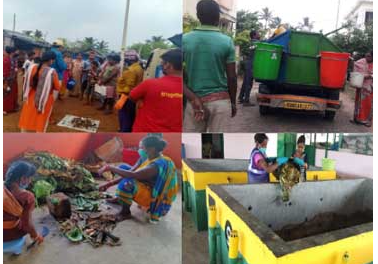
Decentralized Waste Collection Points (Img source: Feedback Foundation)
3. Green Design for Landfills: Breathing Life into Waste Disposal Sites
Even the most efficient waste management system require landfills. But landfills need not be ecological catastrophes. Singapore's Semakau Landfill, a meticulously engineered offshore facility veiled in green spaces, serves as a sanctuary for biodiversity while managing waste efficiently. This landfill manages to reduce its volume of waste through proper techniques.
For underdeveloped nations, similar principles can be applied. Solid waste landfills can be designed with methane capture systems, transforming harmful emissions into energy. Capping filled landfills with permeable covers can permit rainwater infiltration without leachate contamination. Once capped, these spaces can be repurposed as public parks, diminishing their ecological footprint and returning them to the community. With the right management policies and waste management strategies, this is possible.
4. Public Awareness and Participation Spaces: Cultivating a Culture of Sustainability
Architecture transcends mere buildings; it shapes human behavior. Public spaces designed for education and engagement can be potent instruments for behavioral change. Imagine pavilions constructed entirely from recyclable waste, hosting workshops on composting or art installations showcasing the journey of waste. These spaces would educate citizens on the different types of waste, waste reduction, and encourage them to dispose of their waste properly. The amount of waste can be significantly reduced if people are more conscious.
Dharavi's informal recycling industry demonstrates the power of community involvement. By formalizing such spaces, architects can create environments where sustainable living becomes a collective aspiration. These spaces can instill pride in communal achievements and pave the way for long-term cultural shifts. The nations sustainable development goals are attainable through these steps.
Harnessing Local Resources: Contextualizing Sustainable Solutions
Underdeveloped nations frequently grapple with budget limitations, but local resources can offer ingenious solutions. Bamboo, one of the world's most rapidly growing plants, can be utilized for lightweight, durable structures. Recycled plastic can be fashioned into modular panels for building facades. Compressed earth blocks, tailored to local climates, can form sturdy walls while minimizing costs. The construction and demolition waste can also be recycled and used for these projects.
Furthermore, understanding cultural practices can enhance design effectiveness. For instance, designing composting toilets for communities lacking sewage systems can transform kitchen waste and other food waste into fertilizer, closing the loop on organic waste. Aligning architecture with local needs ensures not just acceptance but active participation, contributing to sustainable municipal solid waste management. Achieving the sustainable development goals is a collaborative effort.
Case Studies and Inspirational Examples:
- Rooftop Gardens: Cities like Tokyo have embraced rooftop farming, where compost derived from organic waste nourishes verdant spaces. Envision similar initiatives in underdeveloped nations, transforming urban roofs into sustainable food sources.
- Plastic Bottle Village, Panama: This project ingeniously employs discarded plastic bottles as building materials for homes. The technique is affordable, eco-friendly, and scalable, offering a blueprint for housing solutions in underdeveloped regions.
- Community Success Stories: In Kigali, Rwanda, community-driven efforts have transformed waste management into a city-wide initiative, earning it the title of Africa's cleanest city. Simple, thoughtful architectural interventions, like strategically placed bins and composting sites, have played a pivotal role. They have a very efficient waste management system which other nations can take inspiration from. The citizens of Rwanda take pride in their solid waste management in India and other parts of the world could learn from this.
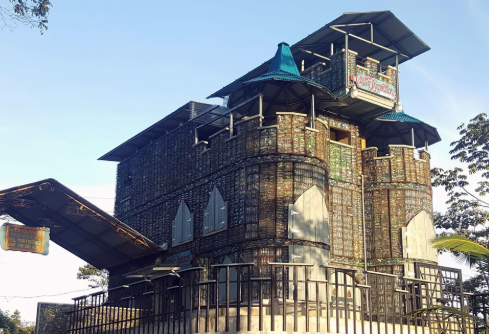
Plastic Bottle Village, Panama (Img source: Designboom)
The Urgent Call to Action: Shaping a Sustainable Tomorrow
Architecture possesses the power to mold not just skylines but mindsets. In the hands of innovative designers and committed communities, it can transmute waste from a problem into a resource. "Sustainability is not a trend; it's the future of architecture." Let's envision buildings that breathe life into waste, transforming underdeveloped nations into pioneers of sustainable living. We need to make sustainable solid waste management and effective solid waste management a priority.
Solid waste management in developing countries needs to be prioritized in order to have a cleaner world. Solid waste management in Thailand is another great example of how a nation can keep itself clean through the effective municipal solid waste management system. Municipal solid waste recycling is another great way to handle waste.
Conclusion
Improving waste collection in many developing countries can be achieved through proper waste collection infrastructure. We can handle electronic waste, industrial waste, and hazardous waste better with proper treatment and management methods. The need to address these challenges is urgent. Environmentally sound waste disposal is a must. We must strive for sound waste management systems to avoid health issues associated with solid waste. We must also educate people about solid waste disposal methods and make them aware of the issues in developing countries.
The future of architecture is bright, but are your skills keeping pace? Kaarwan's architecture-specific courses provide you with the knowledge and tools to confidently navigate the AEC industry. Gain valuable insights, master in-demand software, and stand out with designs that impress!
FAQs
- What is sustainable waste management?
Sustainable waste management involves processes that minimize waste, recycle materials, and repurpose organic waste to reduce environmental impact while supporting long-term ecological balance. - How can architecture help manage waste in developing countries?
Architecture can design waste collection hubs, eco-friendly landfills, and educational spaces, turning waste management systems into functional and sustainable community assets. - What are some examples of sustainable waste management projects?
Examples include Copenhagen's Amager Bakke, Kigali's city-wide initiatives, and Panama's Plastic Bottle Village, which showcases innovative solutions in waste recycling and repurposing. - What materials can be used for sustainable waste management infrastructure?
Bamboo, compressed earth blocks, recycled plastic, and reclaimed construction materials can be used for cost-effective and eco-friendly infrastructure in developing countries. - What role do local communities play in effective waste management?
Local communities can actively participate by adopting proper waste disposal practices, managing organic waste locally, and engaging in awareness programs to foster collective responsibility.