Building Information Modeling (BIM) Prefabrication is transforming how projects in the Architecture, Engineering, and Construction (AEC) industry are executed. By combining precise digital planning with modular construction techniques, BIM-driven architecture ensures that time and costs are significantly optimized. This article will help you learn how BIM Prefabrication enhances efficiency, minimizes waste, and delivers higher-quality results.
What Is BIM Prefabrication?
BIM Prefabrication integrates virtual models with off-site construction to streamline project execution. In this process, components such as walls, floors, or even entire rooms are designed using software like Revit and manufactured off-site. These prefabricated elements are then transported to the construction site for assembly.
The integration of BIM architecture provides a highly detailed digital representation of the project. This approach ensures accurate planning, minimizes errors, and enhances collaboration among stakeholders. Real-life examples of BIM implementation, such as the Hudson Yards project in New York, highlight its immense value in delivering complex designs efficiently.
Key Features of BIM in Prefabrication:
- Accurate Modeling: Every component is digitally modeled to ensure it fits perfectly on-site.
- Collaboration Tools: Teams coordinate seamlessly using cloud platforms.
- Reduced Rework: Precise designs limit on-site modifications.
With BIM, prefabrication becomes a data-driven process, eliminating inefficiencies and delays.
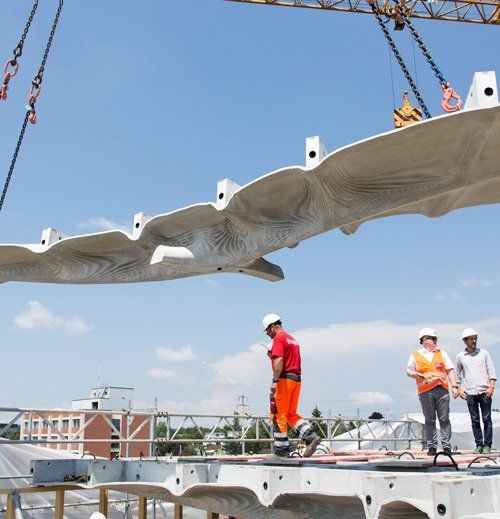
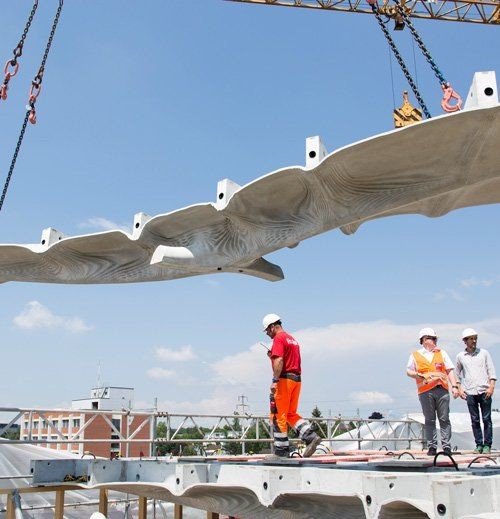
Slab of DFAB house_©designboom.com
The Time-Saving Benefits of BIM Prefabrication
Time efficiency is one of the most compelling advantages of BIM Prefabrication. According to research, modular construction projects can be completed 20-50% faster than traditional methods (source: McKinsey & Company).
How Does BIM Save Time?
- Streamlined Project Planning: BIM provides a comprehensive blueprint, minimizing time spent on revisions. With platforms like Revit certification course tools, architects can test structural integrity virtually before actual construction begins.
- Accelerated Construction: Off-site prefabrication allows for simultaneous activities—site preparation and component manufacturing. For example, the LAX Midfield Satellite Concourse was completed 30% faster using modular techniques integrated with BIM.
- Fewer Delays: Digital modeling ensures every element aligns perfectly, reducing on-site troubleshooting and saving weeks of project time.
Through a BIM-based approach, projects adhere more closely to deadlines without sacrificing quality.
Cost Efficiency with BIM Prefabrication
Are rising construction costs a challenge? BIM-powered prefabrication addresses this issue effectively. A Dodge Data & Analytics report states that BIM adoption reduces total project costs by up to 10%.
Where Does BIM Save Money?
- Optimized Material Usage: Prefabrication eliminates material wastage by manufacturing precise components. Advanced tools like Revit ensure quantities are calculated accurately, avoiding overordering.
- Reduced Labor Costs: Off-site fabrication requires fewer skilled laborers on-site, significantly lowering expenses. Additionally, streamlined workflows reduce overtime costs.
- Error Prevention: Errors in traditional construction lead to costly rework. By using BIM architecture, mistakes are identified and resolved during the design phase itself.
Real-life examples, like the Broad Group's prefabricated 57-story tower in China, show that prefabrication can slash costs by up to 30% compared to conventional methods.
How BIM Improves Collaboration in Prefabrication
One of the standout features of BIM Prefabrication is its ability to foster collaboration. Traditional methods often face miscommunication issues that lead to delays. In contrast, BIM facilitates real-time updates and transparency among stakeholders.
Tools That Enhance Teamwork:
- Common Data Environment (CDE): Ensures all project data is centralized and accessible to all.
- Cloud Integration: Platforms like BIM360 enable remote collaboration for global teams.
- Digital Twins: These create virtual replicas of projects to visualize outcomes and identify risks.
For students pursuing a BIM certification course online, understanding collaborative tools like these can significantly enhance their career prospects in the AEC sector.
Applications of BIM Prefabrication
BIM is not just a concept; it's actively shaping modern construction. Here are some noteworthy examples:
- Heathrow Terminal 5, UK: Prefabrication of components using BIM reduced construction time by 20%. The airport's structure involved thousands of prefabricated steel pieces modeled and manufactured with precision.
- Hospital Projects in India: Modular healthcare facilities constructed with BIM architecture minimized patient disruption while delivering cost-effective results. For instance, the ESIC Medical College in Karnataka adopted prefabricated modules for speed and affordability.
- Residential Projects in Singapore: Singapore's government has mandated BIM for public housing projects, leading to a 15% reduction in costs.
These examples demonstrate the diverse applications of BIM in streamlining projects globally.
Why You Should Invest in a BIM or Revit Certification
The demand for professionals skilled in BIM Prefabrication is soaring. Whether you're an architect, engineer, or student, obtaining a BIM certification course online or a Revit certification course can significantly enhance your expertise.
Benefits of Certification:
- Career Advancement: BIM-certified professionals earn up to 25% more than their peers.
- Global Opportunities: Countries like the US, UK, and Australia are actively seeking skilled BIM specialists.
- Hands-On Expertise: Certification courses provide practical experience with industry-leading tools.
Consider enrolling in a certification program to gain a competitive edge in this rapidly evolving field.
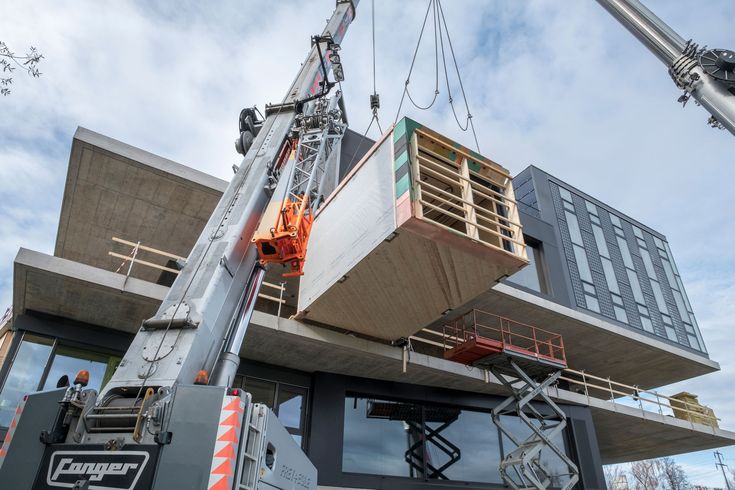
Image credit_©architizer.com
How BIM Prefabrication Promotes Sustainability
Sustainability is a key concern in AEC projects, and BIM Prefabrication addresses this effectively. Prefabrication minimizes on-site waste, reduces energy consumption, and encourages recycling.
Sustainable Advantages:
- Waste Reduction: Excess materials are eliminated during off-site manufacturing.
- Energy Efficiency: Precise planning leads to optimized energy usage.
- Eco-Friendly Materials: BIM tools help select sustainable building materials.
Green-certified buildings constructed with BIM demonstrate lower carbon footprints, making them a preferred choice for environmentally conscious developers.
Conclusion
BIM Prefabrication has revolutionized the AEC industry by delivering time and cost efficiencies while enhancing collaboration and sustainability. Projects worldwide showcase its benefits, proving that adopting BIM architecture is not just an option but a necessity. By investing in tools like Revit or pursuing a BIM certification course online, professionals can stay ahead in this competitive field.
Start exploring BIM Prefabrication today to create high-quality, efficient, and sustainable projects that meet modern construction demands.
Ready to lead the AEC sector? Enroll in our Professional Revit & BIM Certification Course online for practical knowledge and global opportunities!
Visit the Kaarwan website for more insights!
FAQs
Q1: What is BIM Prefabrication?
A1: BIM Prefabrication combines digital modeling with off-site construction techniques. Components like walls or floors are designed using software like Revit and manufactured off-site for on-site assembly.
Q2: How does BIM Prefabrication save time?
A2: BIM Prefabrication saves time through streamlined planning, off-site manufacturing, and simultaneous site preparation. Digital modeling ensures components fit perfectly, reducing delays and on-site troubleshooting.
Q3: How does BIM Prefabrication reduce construction costs?
A3: BIM Prefabrication reduces costs by optimizing material usage, minimizing labor requirements, and preventing costly errors. For example, precise designs avoid material wastage and eliminate rework during construction.
Q4: What tools improve collaboration in BIM Prefabrication?
A4: Tools like the Common Data Environment (CDE), BIM360 for cloud integration, and digital twins enhance collaboration. They ensure real-time updates and transparency among stakeholders, reducing miscommunication.
Q5: Why should professionals pursue BIM or Revit certification?
A5: BIM or Revit certifications boost career prospects by offering hands-on expertise, increasing earning potential by up to 25%, and providing global job opportunities in countries actively seeking skilled BIM professionals.