

.jpeg)
Computational design — a process where architecture meets algorithms to create smarter, more efficient structures.
When the Navi Mumbai International Airport (NMIA) project began, it was envisioned not just as another transport hub but as an architectural symbol of India’s growth — efficient, sustainable, and iconic. Behind that vision lies a layer of digital intelligence: computational design workflows that helped shape everything from its roof geometry to its environmental performance.
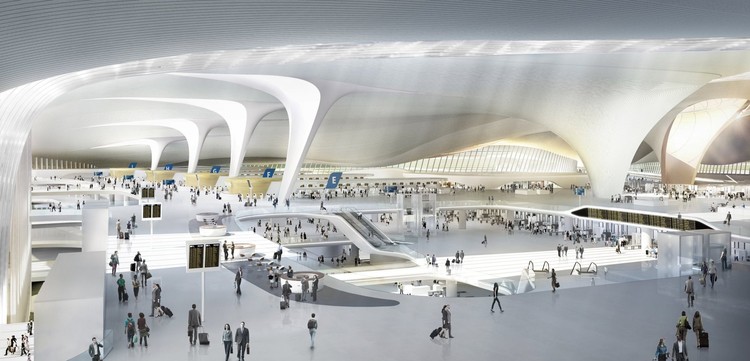
What Is Computational Design?
In simple terms, computational design means using data and algorithms to generate, test, and refine design solutions. Instead of manually modelling each element, architects use rules — like mathematical relationships or environmental data — to help the computer generate optimised options.
Think of it this way:
“Traditional design relies on intuition and repetition; computational design relies on data and iteration.”
For example, instead of manually shaping a roof, designers set conditions — such as daylight hours, airflow patterns, and material limits — and let the software calculate the best possible form.
Common tools include Grasshopper (for Rhino), Revit Dynamo, and Python-based scripts, which allow architects and engineers to create responsive, adaptable 3D models.
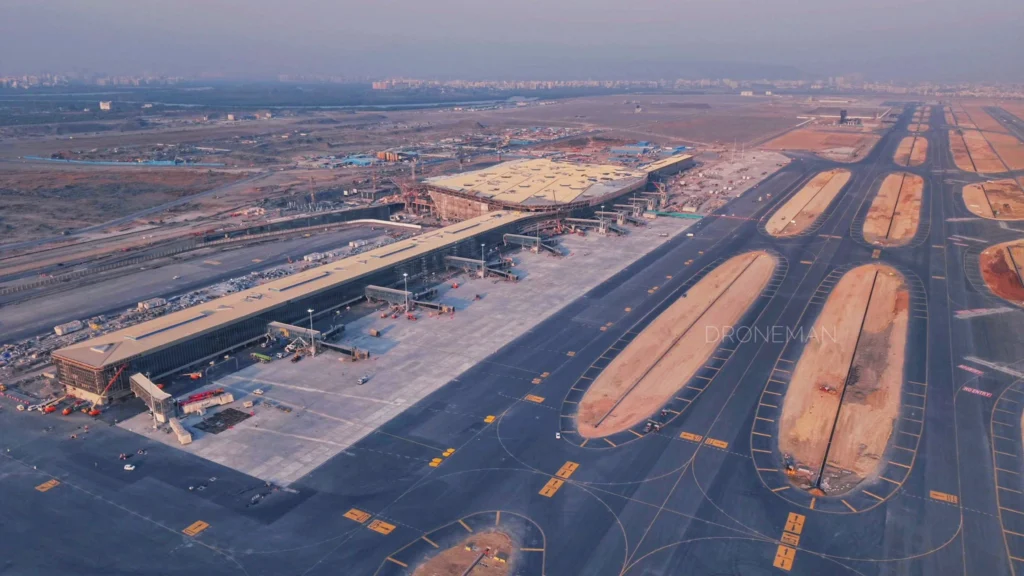
How Computational Design Was Used in the Navi Mumbai Airport
The Navi Mumbai Airport’s design — led by Zaha Hadid Architects (ZHA) — integrates technology and symbolism. Inspired by the lotus, a motif of purity and progress, the terminal’s form reflects natural principles while embracing data-driven optimisation.
Here’s how computational design played a major role in shaping it:
1. Optimising the Roof Geometry
The airport’s signature lotus-shaped roof wasn’t just aesthetically inspired — it was digitally engineered. Using computational design tools, the team simulated solar angles, airflow, and structural stability to find a geometry that performs efficiently in Mumbai’s hot and humid climate.
This approach helped:
- Reduce solar heat gain
- Improve natural daylight inside the terminal
- Maintain structural balance with minimal material waste
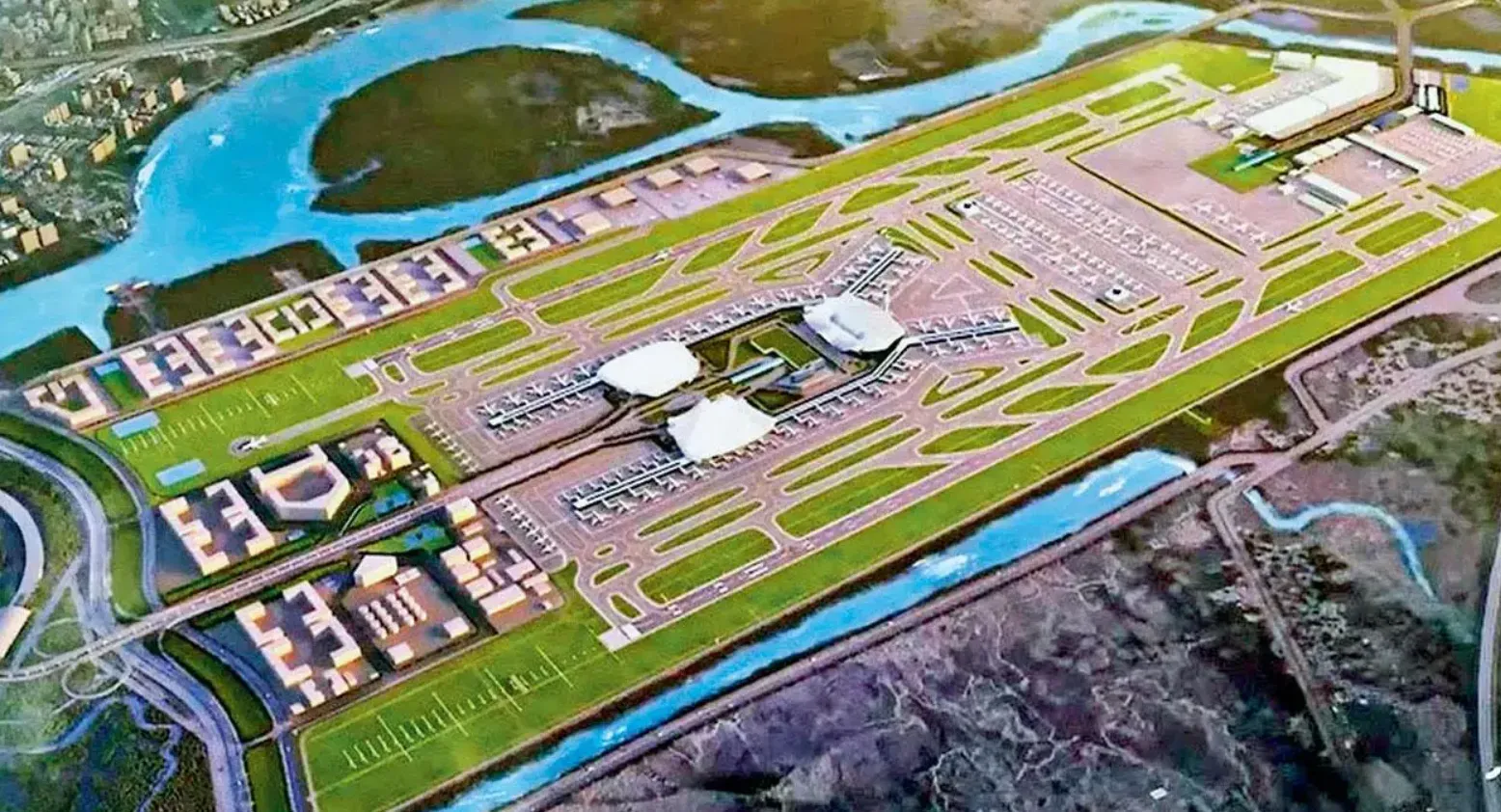
2. Environmental Simulation for Sustainability
Computational models ran hundreds of simulations to test the impact of sunlight and ventilation. By comparing data sets, the architects achieved a design that stays energy-efficient without compromising comfort or aesthetics.
This process directly supports sustainable architecture goals — balancing performance, material efficiency, and occupant experience.
3. Coordination Between Structural and Architectural Teams
The complexity of the terminal’s shell demanded tight coordination. Through parametric modelling, engineers and architects linked structural elements (like roof nodes and trusses) with architectural design models. Any design tweak automatically updated throughout the model — saving hours of manual corrections.
4. Integration with BIM Workflows
Once the geometry was finalised, it was integrated into a Building Information Modelling (BIM) environment — likely via Revit and Dynamo — to generate construction-ready models and schedules. This seamless link between computational design and BIM ensured accuracy and consistency from concept to construction.
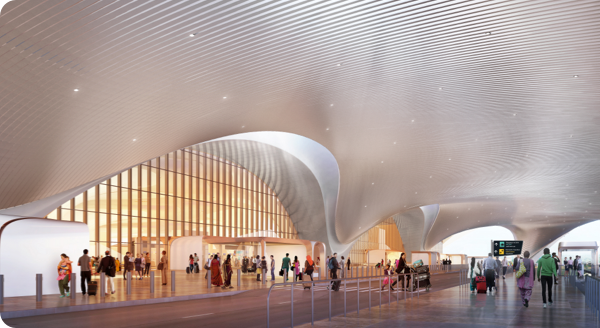
Who Worked on It & Why It Matters
The Navi Mumbai International Airport is designed by Zaha Hadid Architects, in collaboration with AECOM, Larsen & Toubro, and several Indian engineering consultants.
Their collaboration is a glimpse into how global design methodologies and local execution expertise can work hand in hand through digital tools.
This matters because it signals a shift in India’s AECO sector — from traditional drafting to data-driven collaboration. As large infrastructure projects increasingly demand precision, sustainability, and coordination, computational workflows are becoming not just optional but essential.
These three terms are often used interchangeably, but they represent different layers of the digital workflow:
| Concept | What It Does | Common Tools |
| Parametric Design | Controls form through adjustable parameters (like height, angle, radius). | Rhino, Grasshopper |
| Computational Design | Uses algorithms and logic to generate or optimise designs based on data. | Grasshopper, Dynamo, Python |
| BIM (Building Information Modelling) | Manages project information across all stages — design, documentation, and construction. | Revit, Navisworks |
While parametric design controls form, computational design drives performance. And BIM connects both to the larger construction ecosystem. Together, they make projects like Navi Mumbai Airport smarter, faster, and more coordinated.
.webp)
What Can Students & Professionals Learn From This Project?
Here’s what every young architect, designer, or civil engineer can take away:
- Start thinking in systems, not shapes. Computational design is about understanding relationships, not just creating forms.
- Learn tools that help you automate. Even small Dynamo or Grasshopper scripts can save hours of manual work.
- Understand BIM integration early. Projects like NMIA show that the future belongs to those who can connect design intent with construction data.
- Embrace cross-disciplinary thinking. Computational workflows encourage collaboration between architects, engineers, and data specialists.
Tip: Start with one simple goal — for example, automating window placement based on daylight — and build from there. You don’t need to be a coder; you just need to think logically.
Learn Parametric Design in Rhino in Kaarwan’s 1-Day Masterclass, where we take the scare out of learning with codes and algorithms.
Why It’s Important for India’s AECO Professionals
India’s infrastructure is evolving rapidly, and digital design workflows are no longer limited to global firms. Today, AEC firms in India are hiring professionals who understand both Revit-BIM workflows and computational logic.
Projects like the Navi Mumbai Airport prove that the future of Indian architecture and engineering is computational — driven by data, collaboration, and sustainability.
At Kaarwan, we believe that learning tools like Revit, Dynamo, and Grasshopper can empower young professionals to participate in this future. Affordable, self-paced learning can bridge the gap between curiosity and capability — helping every designer unlock the potential of data-driven creativity.
Computation doesn’t replace creativity — it amplifies it.
So the next time you see a complex form or an intricate façade, remember — it might not just be designed; it might be calculated for beauty.
Join the Advanced Rhino & Grasshopper Certification with Job Support Program by Kaarwan! To build the skills that make you industry-ready. As you join forces with big names like Adani groups, Zaha Hadid Architects and more, as you build skill and experience, in your career.
FAQs
1. What is computational design in architecture?
Computational design uses algorithms and data to generate and optimise design solutions, helping architects make smarter, more efficient buildings.
2. How was computational design used in the Navi Mumbai Airport project?
Designers used computational tools to optimise the airport’s roof geometry, improve daylighting, and coordinate complex structures efficiently within a BIM workflow.
3. What tools are used in computational design?
Popular tools include Rhino, Grasshopper, Revit Dynamo, and Python scripting for design automation and performance analysis.
4. Is computational design the same as parametric design?
Not exactly — parametric design adjusts shapes through parameters, while computational design uses logic and algorithms to explore data-driven possibilities.
5. How can I learn computational design or parametric design in India?
Platforms like Kaarwan offer short, affordable courses in Parametric Design using Rhino and Advanced Rhino & Grasshopper Certification with job support to help you learn without fear or overwhelm.


.png)