As an architect or an engineering professional, staying ahead in the competitive industry is crucial. That’s where Grasshopper certification for engineers comes into play. Grasshopper, a powerful parametric design tool integrated with Rhino, has transformed the way architects and engineers approach design. Earning a certification in this software opens doors to exciting career opportunities and helps in mastering complex design problems.
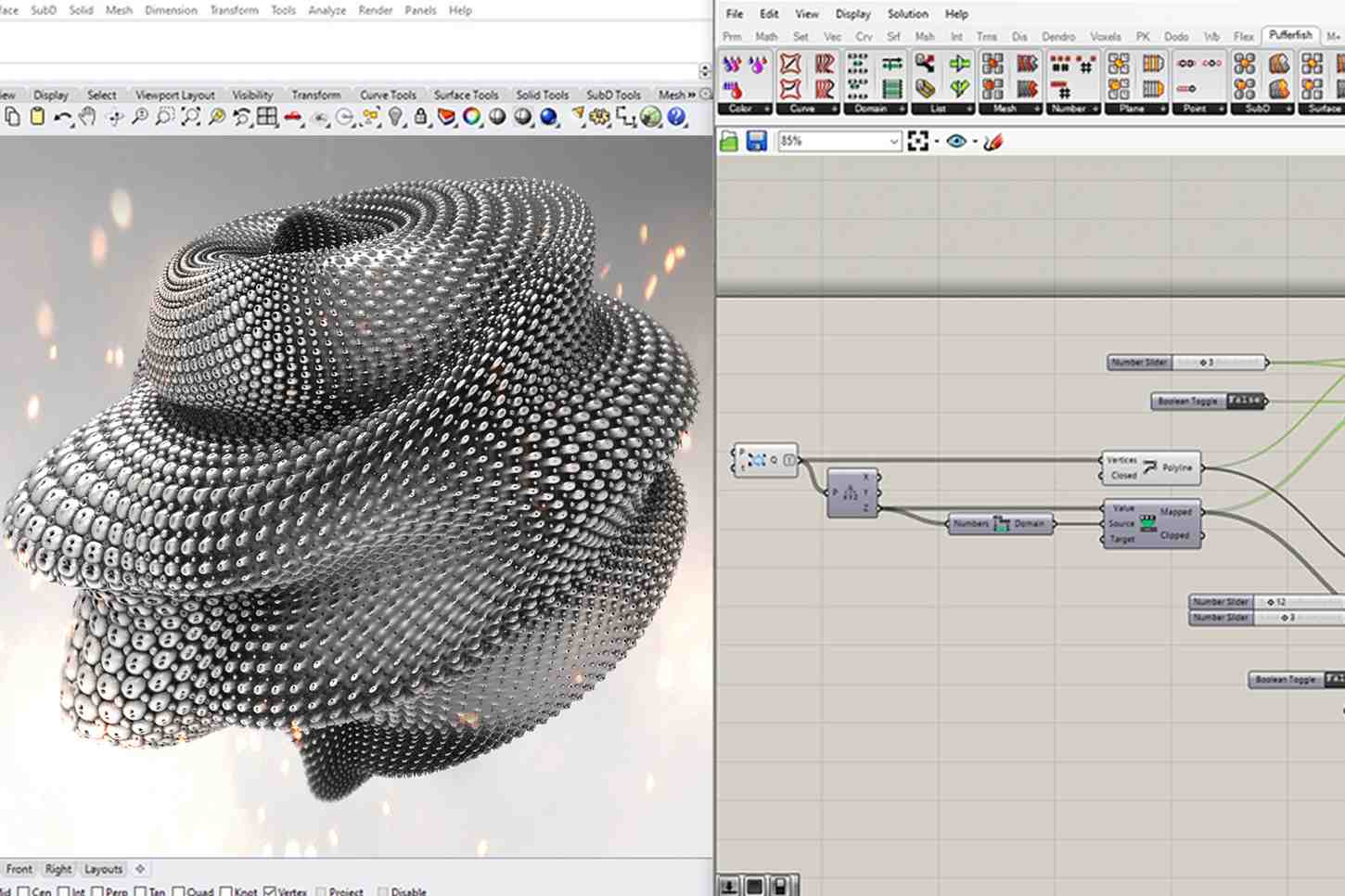
Image Credit: parametric-architecture.com
I’ll take you through the key benefits of getting certified in Grasshopper software, how it enhances your skills, and why it’s a game-changer for architecture and engineering professionals.
What is Grasshopper Software?
Grasshopper is a visual programming language that allows engineers and architects to create complex parametric designs without writing traditional code. It integrates seamlessly with Rhinoceros 3D (Rhino) and is widely used for:
- Architectural design – Creating intricate facades and adaptive forms.
- Structural engineering – Generating optimized and lightweight structures.
- Product design – Developing highly detailed prototypes and models.
- Environmental analysis – Simulating daylight, airflow, and thermal performance.
Mastering Grasshopper gives engineers and architects the ability to push design boundaries and innovate more efficiently.
Key Benefits of Grasshopper Certification for Engineers
1. Boosts Career Prospects
Earning a Grasshopper certification makes you stand out in the job market. Employers prefer candidates who possess advanced computational design skills, and a certification proves your expertise. With this credential, you can apply for roles such as:
- Computational Designer
- Parametric Design Engineer
- Digital Fabrication Specialist
- BIM Specialist
Companies working in architecture, construction, and urban planning increasingly seek professionals with expertise in Grasshopper.
2. Enhances Parametric Design Skills
Grasshopper training teaches you how to:
- Automate complex design processes
- Create algorithm-driven structures
- Improve efficiency in design iteration
With parametric design, engineers can develop adaptive, smart, and optimized solutions, reducing material waste and improving sustainability.
3. Improves Collaboration in Multi-Disciplinary Teams
Modern engineering projects require seamless collaboration between architects, structural engineers, and fabricators. Grasshopper allows real-time interaction and modification, enabling:
- Faster design iterations
- Better integration with BIM workflows
- Smooth communication between different teams
4. Enables Structural Optimization & Analysis
Engineers use Grasshopper to test and refine structures before actual construction. With plugins like Karamba3D and Kangaroo, it is possible to:
- Conduct real-time structural simulations
- Optimize material usage
- Develop lightweight yet strong designs
For example, Zaha Hadid Architects used Grasshopper to create complex yet efficient building structures, proving its real-world impact.
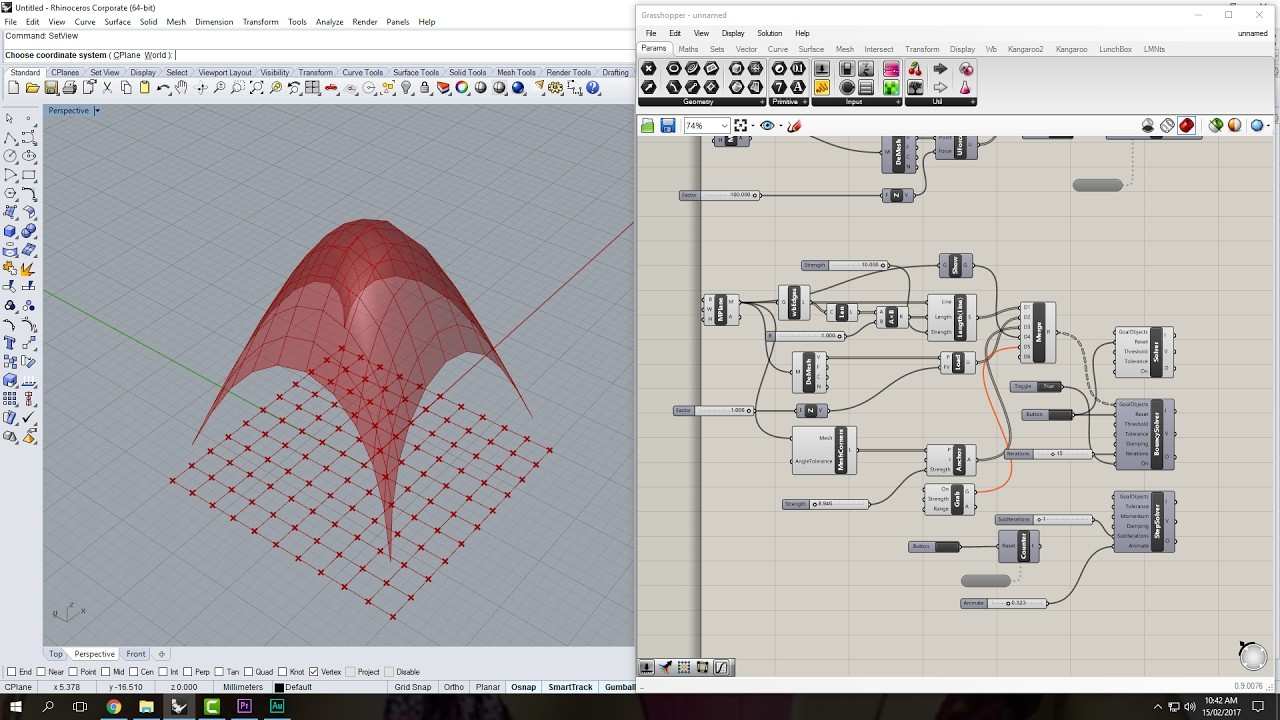
Image Credit: parametric-architecture.com
5. Saves Time and Reduces Errors
Traditional CAD modeling often involves repetitive manual work. Grasshopper automates these processes, allowing engineers to:
- Generate multiple design variations quickly
- Reduce human errors in modeling
- Make instant modifications without redrawing models
This results in significant time savings and ensures precision in every design.
How to Get Started with Grasshopper Training
1. Learn the Basics
If you’re new to Grasshopper, start by:
- Exploring free online tutorials
- Experimenting with simple scripts in Rhino
- Understanding key Grasshopper components
2. Take a Certified Course
Many online platforms offer official Grasshopper training programs, covering topics like:
- Visual scripting principles
- Algorithmic design techniques
- Grasshopper plugins for advanced functionalities
3. Work on Real-World Projects
Applying what you learn through projects is the best way to gain confidence. Try building:
- A parametric skyscraper facade
- A lightweight bridge using structural optimization
- A complex stadium roof structure
4. Prepare for Certification
Once you have a solid grasp of Grasshopper, consider taking an official certification exam. This typically includes:
- Multiple-choice questions on Grasshopper functions
- Practical design challenges
- A final project showcasing your skills
Conclusion
Grasshopper certification is a powerful way for engineers and architects to advance in their careers, enhance their parametric design skills, and contribute to more innovative and efficient projects. With growing demand in architecture, urban planning, and structural engineering, mastering this tool can set you apart.
If you're ready to take your expertise to the next level, check out advanced Grasshopper training courses to sharpen your skills and gain industry recognition.
Visit our website Kaarwan for more!
FAQs
1. Is Grasshopper certification worth it for engineers?
Yes! It helps in securing better job opportunities and improves computational design expertise.
2. How long does it take to learn Grasshopper software?
It depends on prior experience, but most people can grasp the basics within a few weeks and master advanced concepts in a few months.
3. Can I use Grasshopper for structural analysis?
Yes, plugins like Karamba3D allow engineers to analyze structures and optimize designs.
4. What industries benefit from Grasshopper training?
Grasshopper is widely used in architecture, construction, urban planning, product design, and environmental simulation.
5. Do I need prior programming knowledge for Grasshopper?
No! Grasshopper is a visual programming tool, so you don’t need to code traditionally, but knowledge of logic-based workflows helps.
Image Credit: parametric-architecture.com