Introduction:
In architecture, materials do far more than serve structural needs—they act as storytellers that shape the perception, identity, and emotional impact of a building. Through deliberate pairings, architects craft a specific language that influences not only the look and feel of a space but also how it functions, ages, and interacts with its surroundings. This blog explores five iconic material duos—concrete and glass, brick and wood, stone and metal, rammed earth and bamboo, and laterite and concrete—each of which contributes to a distinct architectural expression. These combinations demonstrate how thoughtful material selection can communicate everything from regional authenticity to minimalist elegance, often anchored by celebrated architectural projects.
Concrete & Glass:
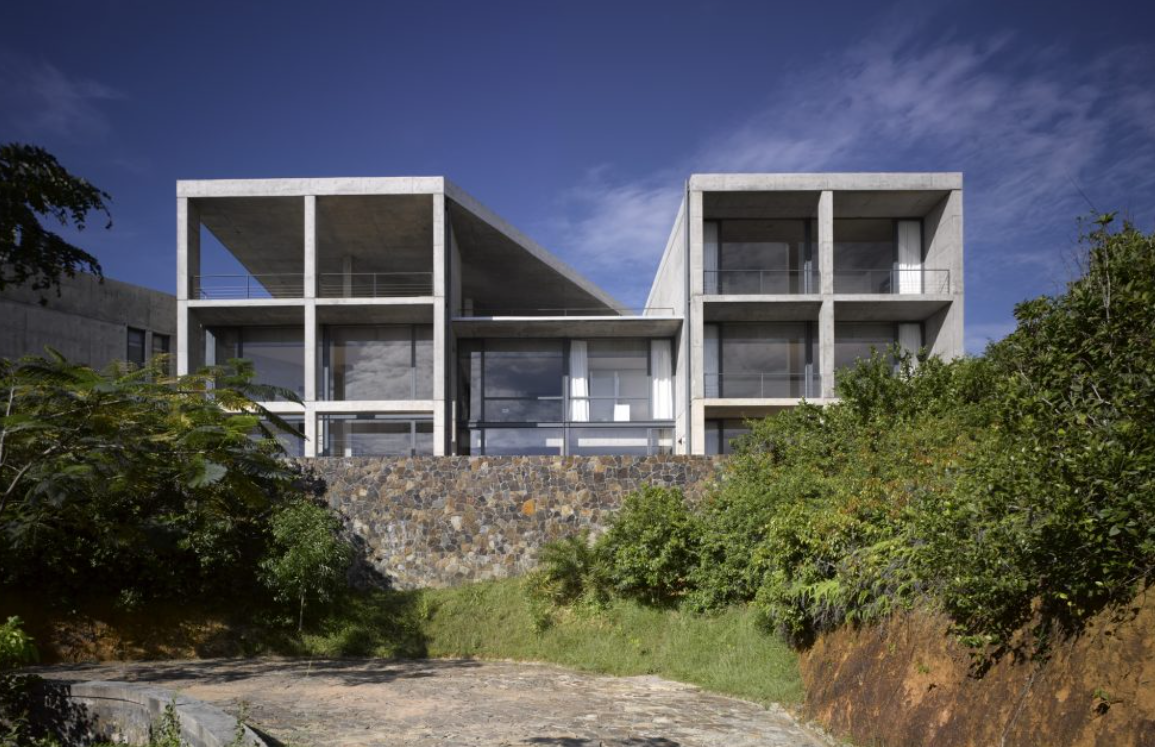
Image Credits - Architecturalreview.com
Transparency Meets Solidity The relationship between concrete and glass represents one of the most compelling dualities in modern architecture. Concrete, with its mass, permanence, and structural flexibility, provides a grounding element, while glass introduces lightness, transparency, and openness. Together, they define a language of modernity, minimalism, and clarity. This pairing is especially suited for modernist and brutalist styles where light and structure are equally celebrated. It is commonly seen in museums, institutional buildings, and contemporary residences that require both strength and openness.
- Kimbell Art Museum by Louis Kahn: Utilizes concrete vaults and skylights to diffuse natural light, creating serene gallery spaces.
- Pringiers House by Tadao Ando: Features exposed concrete walls and expansive glass panes, blending indoor and outdoor environments seamlessly.
Brick & Wood:
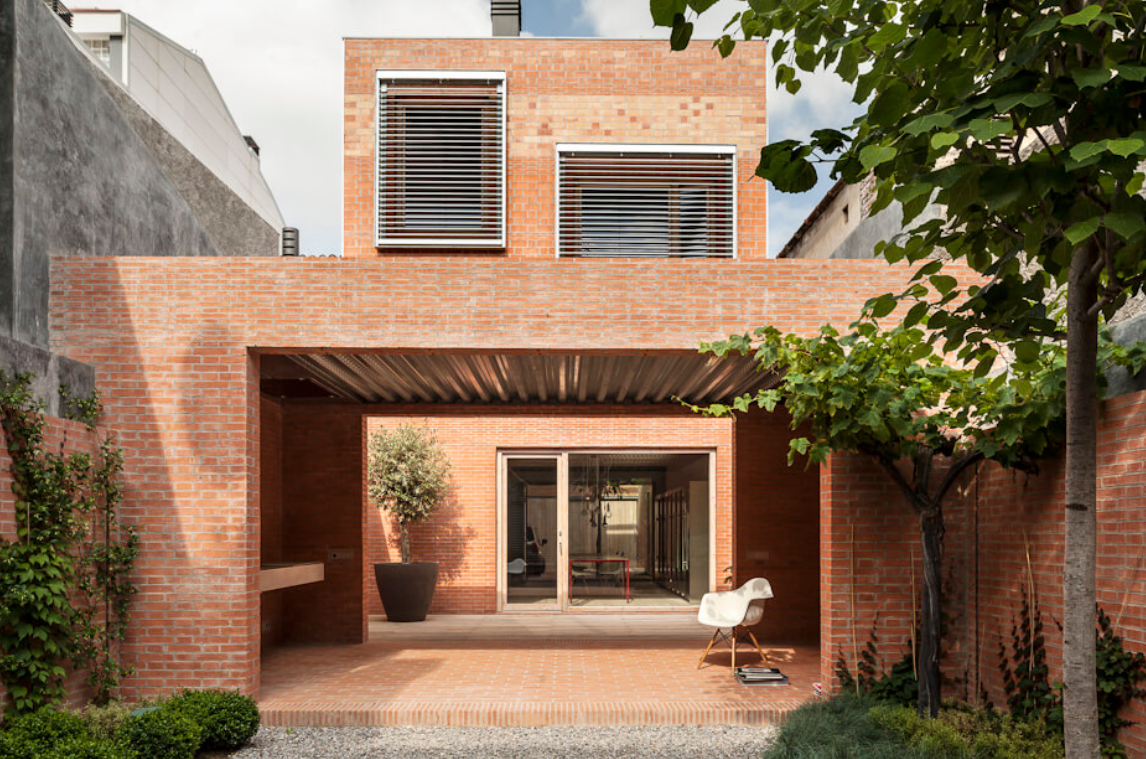
Image Credits - Brickarchitecture.com
Tradition and Warmth The blend of brick and wood reflects a timeless material sensibility, rooted in craftsmanship, thermal comfort, and regional traditions. Brick adds a sense of permanence and tactile richness, while wood offers warmth and flexibility. This material dialogue creates spaces that feel welcoming and grounded, often evoking a sense of handcrafted quality. It’s particularly suited for vernacular, rustic, or even Scandinavian styles, with applications in residential architecture and community buildings where a connection to tradition and comfort is key.
- House 1014 by Harquitectes: Employs double brick walls with wood fiber insulation, creating a thermally efficient and aesthetically pleasing home.
- Muuratsalo Experimental House by Alvar Aalto: Showcases a variety of brick patterns and wooden structures, reflecting a deep exploration of materiality.
Stone & Metal:
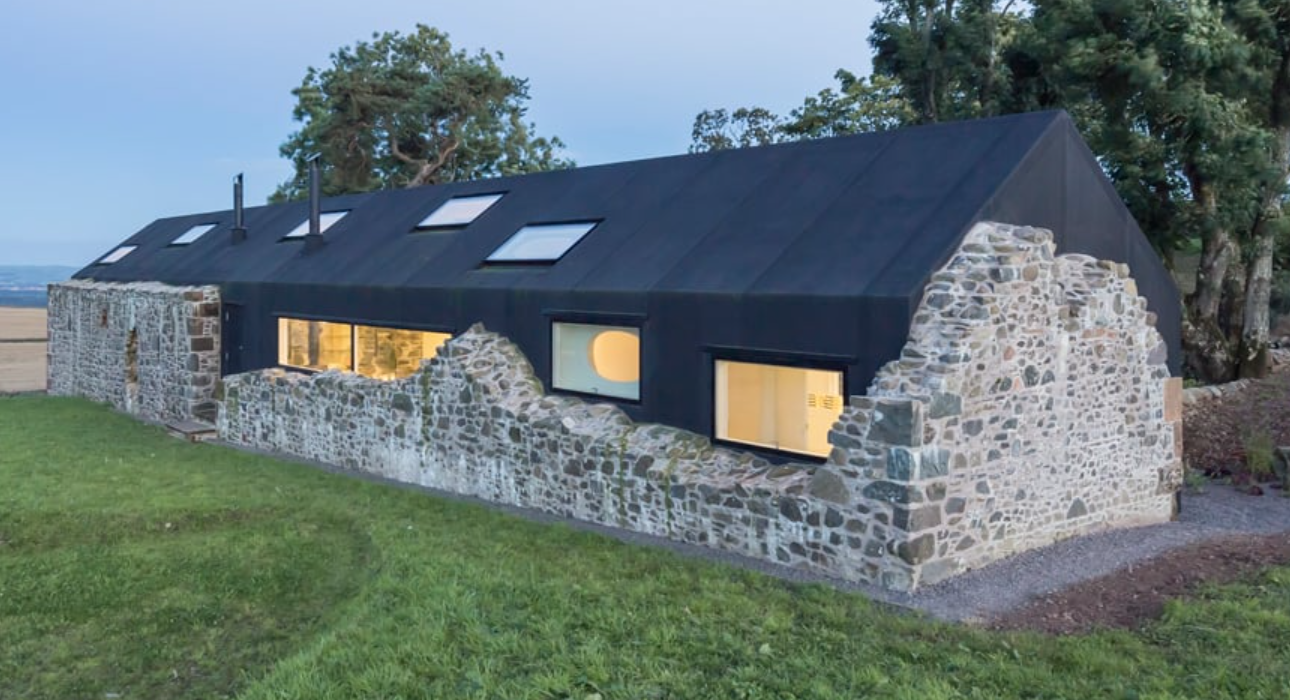
Image Credits - Azuremagazine.com
Heritage and Modernity Stone and metal form a striking partnership that bridges the historical and the industrial. Stone, with its textured depth and regional significance, grounds a building in its natural context. Metal, by contrast, introduces sleek lines, precision, and an element of innovation. The combination expresses ruggedness refined by craftsmanship, frequently used in adaptive reuse, wineries, or cultural spaces. It speaks of permanence updated with precision—buildings that are monumental yet forward-looking.
- Dominus Winery by Herzog & de Meuron: Features gabion walls filled with local basalt stones, providing thermal mass and a distinctive aesthetic.
- Ruin Studio by Lily Jencks Studio: Integrates a modern metal-clad structure within the ruins of a stone farmhouse, creating a dialogue between past and present.
Bite-Sized Masterclasses for Curious Minds on the Go.
Rammed Earth & Bamboo:
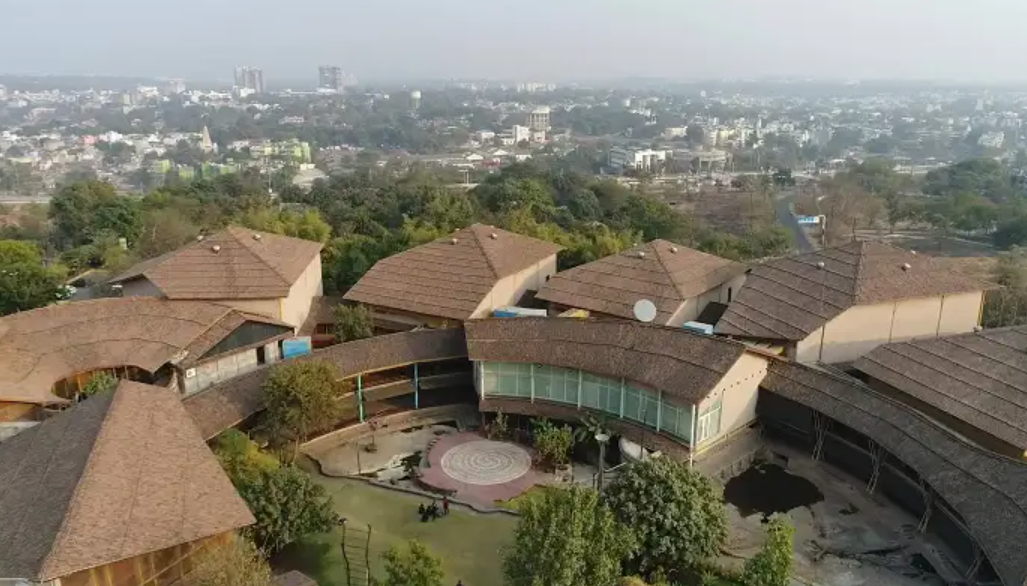
Image Credits - Traveltriangle.com
Sustainability and Vernacular Wisdom This pairing is deeply rooted in environmental consciousness and local building traditions. Rammed earth offers thermal mass, durability, and an earthy aesthetic, while bamboo contributes lightness, flexibility, and rapid renewability. Together, they communicate a language of harmony with nature and resource efficiency. This duo is particularly impactful in eco-architecture and rural development, often seen in educational and community buildings that are low-impact and regionally inspired. These materials carry cultural narratives and sustainable aspirations, aligning well with contemporary green design ideologies.
- Bhopal Tribal Museum by Revathi Kamath: Utilizes rammed earth walls and bamboo elements to reflect tribal architecture and sustainable practices.
- Dharmalaya Institute by Didi Contractor: Showcases the use of natural materials to create buildings that are in tune with their environment.
Laterite & Concrete:
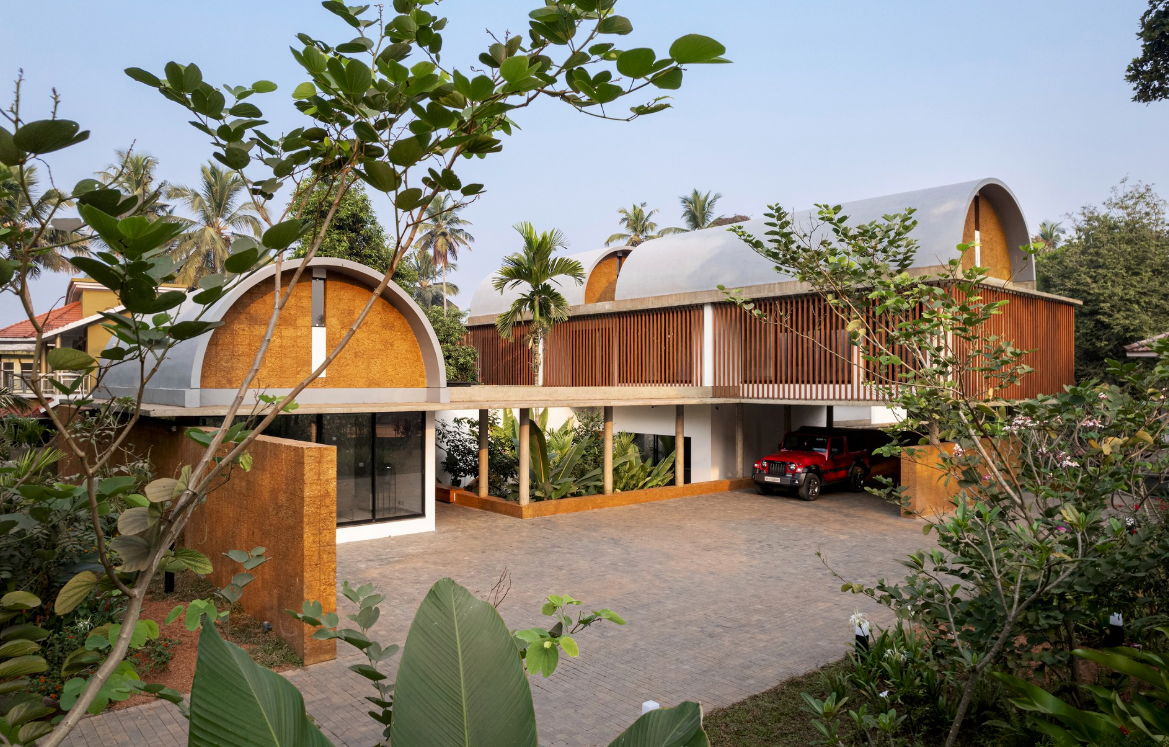
Image Credits - Archdaily.com
Regional Identity and Modern Expression Laterite and concrete together offer a compelling contrast of old and new. Laterite, rich in iron and deeply textured, evokes regional specificity, especially in tropical climates. Concrete, in this pairing, brings in modern detailing and structural efficiency. This combination results in a language that is both contextually grounded and architecturally refined. It's ideal for tropical modernism and residential projects that seek to balance heritage with innovation. The resulting architecture is expressive, climate-responsive, and visually rich.
- Stoic Wall Residence by LIJO RENY architects: Combines laterite walls with concrete elements to create a home that responds to its tropical setting.
- Ovoid House by Greyscale Design Studio: Features exposed laterite and concrete surfaces, blending the structure seamlessly with its natural surroundings.
Conclusion:
Material selection is never merely an aesthetic choice—it’s an architectural act of storytelling. The duos explored here show how combining materials can articulate identity, function, context, and sustainability. Whether through the solidity and light of concrete and glass, the rustic comfort of brick and wood, or the sustainable intelligence of rammed earth and bamboo, architects continuously shape experiences by understanding the inherent language of materials. These thoughtful combinations not only define a building’s character but also enrich the lives of those who inhabit them.