
How to Become a BIM Manager in India
From drafting drawings to leading intelligent building workflows.
India’s architecture and construction industry is undergoing a quiet revolution. Drawings are no longer just lines on paper, they’re becoming data-rich digital systems.
At the center of this shift is a role that blends design, technology, and leadership:
The BIM Manager.
If you're an architecture student or professional looking to move beyond drafting and into a future-ready career, this guide maps out exactly how to get there.
What Does a BIM Manager Actually Do?
A BIM Manager oversees the entire digital building process, from model creation to coordination and execution.
Key Responsibilities:
- Setting BIM standards and workflows
- Managing Revit models across teams
- Coordinating architecture, structure, and MEP systems
- Running clash detection and resolving issues
- Ensuring model accuracy and data consistency
- Training teams and maintaining project protocols
They don’t just build models. They build systems that help teams build better.

Why BIM Managers Are in High Demand in India
The demand for BIM professionals in India is growing rapidly due to:
- Expansion of large-scale infrastructure projects
- Smart Cities Mission and urban development
- Increasing BIM adoption by architecture firms
- Global outsourcing and international collaborations
Today, many firms actively search for candidates with BIM skills in India, especially those experienced with real project workflows.
Step-by-Step Roadmap to Become a BIM Manager
Step 1: Build a Strong Foundation in Architecture or Engineering
Most BIM professionals come from:
- B.Arch
- Civil Engineering
- Interior Design (with technical exposure)
You need to understand how buildings are designed and constructed before managing their digital versions.
Step 2: Master BIM Software (Start with Revit)
Your primary tool:
- Autodesk Revit
Additional tools to learn:
- Navisworks (clash detection)
- AutoCAD (base drafting)
- Dynamo (automation and parametric workflows)
Core Skills to Develop:
- Creating detailed BIM models
- Producing working drawings
- Managing families and templates
- Handling large-scale project files
Step 3: Learn BIM Workflows (This Is What Sets You Apart)
Many professionals stop at software. That’s not enough.
You must understand:
- LOD (Level of Development)
- Naming conventions and file structures
- Collaboration workflows
- Documentation standards
- Model management systems
This is what separates a Revit user from a BIM professional.
Step 4: Gain Real Project Experience
Start with roles such as:
- BIM Modeler
- Junior Architect
- Revit Technician
Focus on:
- Working drawings
- Coordination drawings
- Multi-disciplinary projects
Experience builds your ability to manage complexity, which is essential for BIM leadership roles.
Step 5: Learn Coordination & Clash Detection
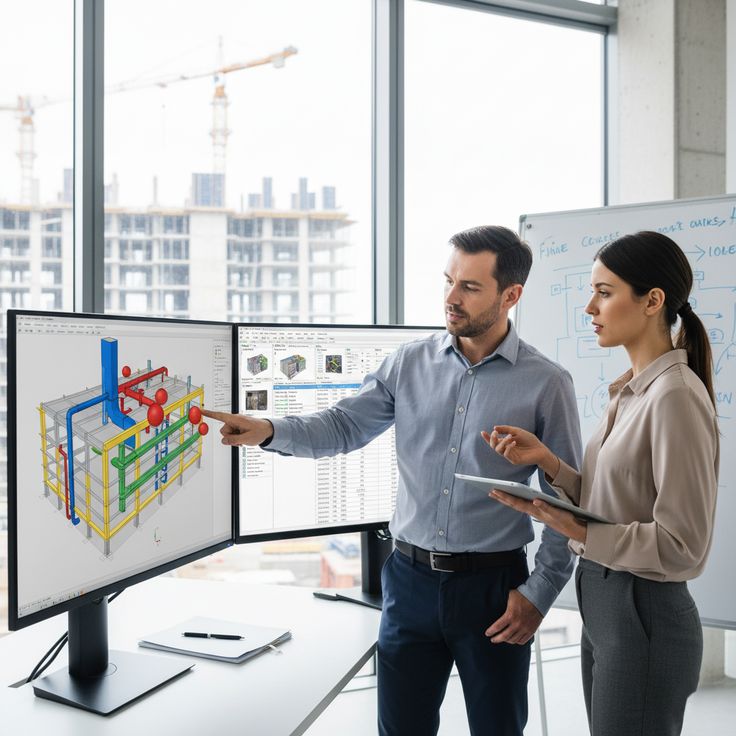
A BIM Manager ensures that all systems work together without conflict.
Key areas:
- Clash detection using Navisworks
- Coordination between architecture, structure, and MEP
- Issue tracking and resolution workflows
This is where BIM directly saves time, cost, and on-site errors.

Step 6: Develop Leadership & Communication Skills
At this level, your role expands beyond software.
You will:
- Lead teams
- Train junior architects
- Coordinate with consultants
- Communicate with clients
Strong communication is what turns technical expertise into leadership.
Skills Required to Become a BIM Manager
- Advanced Revit proficiency
- Strong understanding of construction drawings
- BIM workflows and standards knowledge
- Coordination and problem-solving ability
- Basic scripting (Dynamo is a plus)
- Leadership and communication skills
BIM Career Path in India
A typical progression looks like this:
| Role | Experience | Salary Range |
|---|---|---|
| BIM Modeler | 0–2 years | ₹3–6 LPA |
| BIM Coordinator | 3–5 years | ₹6–10 LPA |
| BIM Manager | 6–10+ years | ₹10–20+ LPA |
With international exposure, BIM Manager salaries in India can go even higher.
Common Mistakes to Avoid
- Focusing only on software, not workflows
- Ignoring construction knowledge and detailing
- Not building a BIM-focused portfolio
- Avoiding coordination and real-world projects
Why BIM Is a Future-Proof Career
BIM is becoming a standard across:
- Large architecture firms
- Infrastructure and government projects
- Global design collaborations
Professionals skilled in BIM often see:
- Faster career growth
- Higher earning potential
- Opportunities in international firms
How Kaarwan Helps You Become Industry-Ready
Kaarwan’s BIM programs are designed to bridge the gap between academic learning and industry requirements.
Key focus areas:
- Practical Revit training
- Working drawings and documentation
- BIM coordination workflows
- Real-world project exposure
You can also explore:
- Why Indian Architects Must Learn BIM Before 2026
- Revit Learning Roadmap for Beginners
- BIM vs CAD: What Should You Learn First?
Final Thought
Becoming a BIM Manager is not about mastering one tool. It’s about understanding how design, data, and collaboration come together to create buildings.
If you invest in the right skills and real-world experience, BIM can open doors to one of the most dynamic and future-ready careers in architecture.