Getting hired by DAR (Design, Architecture, and Research) is a milestone for career professionals in the design and architectural field. Being one of the most coveted firms, DAR is renowned for its innovative approach, sustainability, and state-of-the-art design solutions. Nevertheless, breaking an interview at DAR takes more than technical competence—it calls for solid problem-solving abilities, industry insight, and teamwork.
This step-by-step guide will assist you in walking into the DAR interview with confidence, providing you with key preparation tactics, likely questions, and behind-the-scenes tips to help you maximise your success.
Image Credits - Immerse Education
Understanding DAR’s Hiring Philosophy
Before moving on to interview tactics, it's important to know what DAR seeks in potential employees. The company appreciates:
- Creative and Critical Thinking – Out-of-the-box problem-solving is central to DAR's work.
- Technical Proficiency – Mastering architectural software, BIM tools, and green building practices is a must.
- Collaboration and Communication – DAR relies on collaboration, so good communication skills are vital.
- Passion for Design and Sustainability – A dedication to making eco-friendly designs is greatly appreciated.
By ensuring your skills and philosophy are aligned with DAR's mainvalues, you can become a best-fit applicant.
Step 1: Research DAR Thoroughly
Information on the company is your initial strength in an interview. Familiarity with DAR's previous works, design ethos, and firm culture can distinguish you from others.
How to Research Effectively:
- Visit DAR's Website – Get to know their recent projects, values, and most important team members.
- Analyse Case Studies – Read how DAR responds to design challenges and incorporates sustainability.
- Follow DAR on Social Media – Stay current on company announcements, design trends, and possible job opportunities.
- Connect with Employees on LinkedIn – Talking to current employees can give you a better understanding of the work culture and expectations.
This study will enable you to adjust your answers according to DAR's vision and mission.
Step 2: Fortify Your Portfolio
The properly organized portfolio is your most effective tool at an architecture and design interview. DAR seeks professionals with the capability to present a blend of imagination and technical competency.
What To Include In Your Portfolio:
- Innovative Varying Mix of Projects – Demonstrate versatility through residential, commercial, and eco-friendly design.
- Documentation Of The Process – Expose drawings, wire frames, and conception evolution to clarify your thought processes in design.
- BIM and 3D Modelling Skills – Emphasize experience with software such as Revit, Rhino, AutoCAD, and SketchUp.
- Sustainable Design Approach – If possible, highlight projects that involve energy efficiency and the use of environmentally friendly materials.
- Presentation Quality – Keep your portfolio clean, professional, and simple to navigate.
Remember, your portfolio should have a story about your designer journey and how you solve problems.
Step 3: Master Common Interview Questions
DAR interviews contain a combination of technical, behavioural, and design-related questions. Being ready with well-structured answers will improve your confidence level during the interview.
The Most Frequently Asked Questions:
1. Technical Questions:
- How do you solve a design issue from concept to delivery?
- What software tools do you prefer, and why?
- Explain a project where you used sustainable design strategies?
2. Behavioural Questions:
- Explain a situation when you had to work with a challenging team member.
- How do you work under tight time constraints and stressful situations?
- What was the greatest design challenge that you faced, and how did you solve it?
3. Company-Specific Questions:
- What do you know about the design philosophy at DAR?
- What DAR project is your favorite and why?
- How do you see yourself fitting in with DAR's future projects?
Practicing answers to these questions will help you express your experience and ability more effectively.
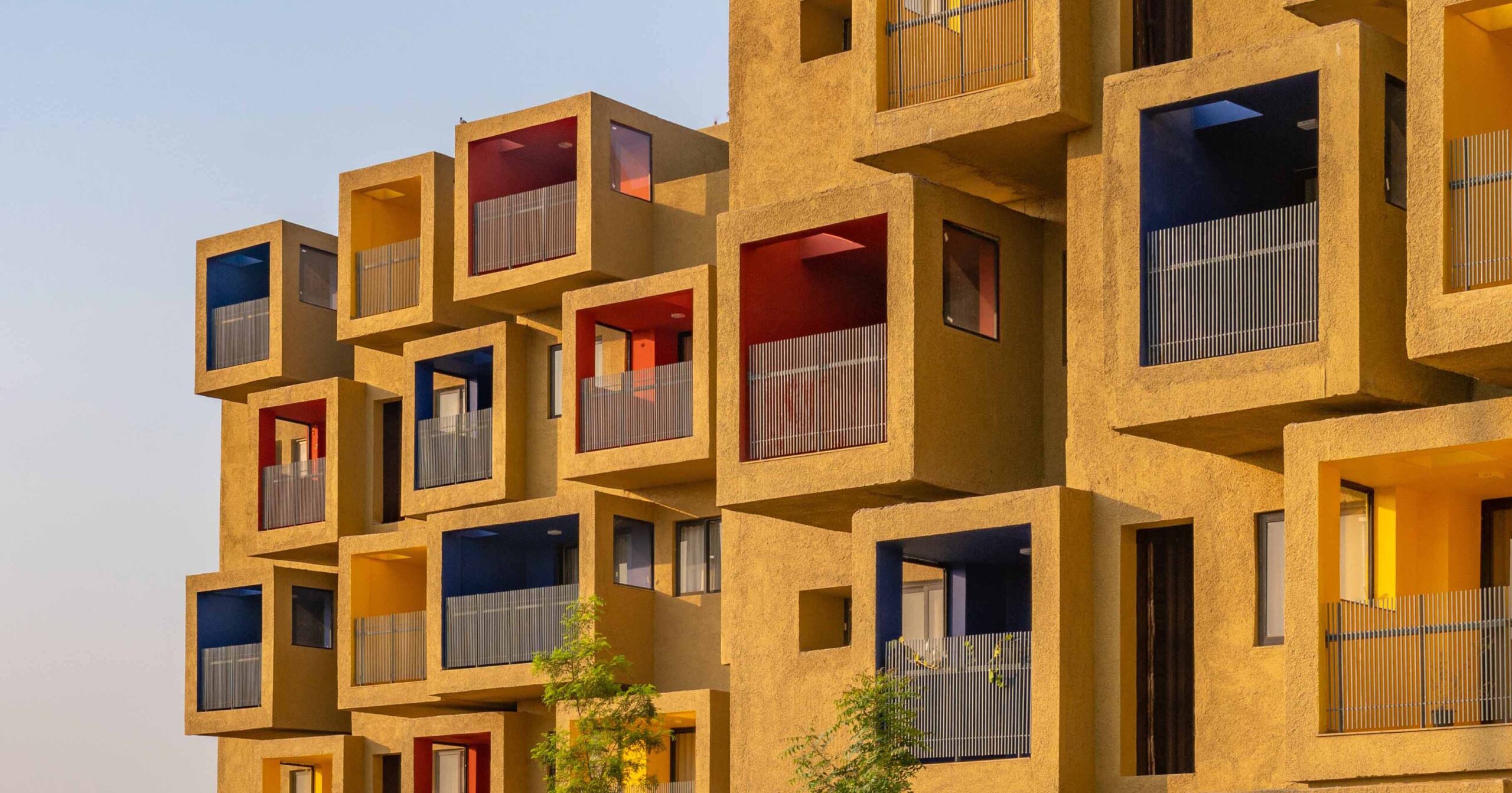
Image Credits - Architizer
Step 4: Showcase Your Problem-Solving Skills
DAR appreciates candidates who are able to analyze critically and address design problems creatively. You will be requested to give a case study or solve a design problem in the interview.
How to Address a Design Challenge:
- Grip the Problem Statement – Ask questions to get a clear view of the problem.
- Split Your Thinking Process – Describe how you examine constraints, functionality, and aesthetics.
- Use Sketches or Diagrams – Visualization of ideas will have a lasting impression.
- Propose Multiple Solutions – Demonstrate that you can think in various ways and can fit into multiple situations.
Exhibiting systematic thinking will create a lasting impression on the interviewers.
Step 5: Communicate Effectively and Confidently
Your skill to communicate ideas succinctly is equally valuable as your technical ability. Good communication makes it easier for interviewers to grasp your design process, collaborative skills, and leadership abilities.
Effective Communication Tips:
- Be Succinct but Comprehensive – Don't ramble on, but reveal sufficient detail to demonstrate expertise.
- Speak Professionally but Naturally – Be confident but not too technical.
- Practice Two-Way Communication – Pose thought-provoking questions regarding DAR's work and culture.
- Stay Composed and Calm – Don't guess an answer if you don't know it.Instead, show willingness to learn.
Confidence paired with genuineness will render you unique to the interviewer.
Step 6: Prepare for the Final Evaluation
Most architecture companies, such as DAR, carry out final interviews where applicants submit their portfolio or do a design exercise.
Expect in the Final Round:
- Portfolio Presentation: Be prepared to present your projects thoroughly.
- Live Design Test: You can be assigned a design challenge to be completed within a time limit.
- Panel Interview: Senior designers and architects might pose detailed questions regarding your design process.
To get ready, practice your portfolio presentation, review important design principles, and keep current on industry trends.

Image Credits - The Open Group
What you'll learn:
- Learn from industry experts and master practitioners.
- Engage in hands-on, project-based learning experiences.
- Connect with a vibrant community of creatives and professionals.
- Receive a certificate to boost your portfolio and credentials.
Conclusion
Breaking an interview with DAR demands technical skills, design skills, and good communication. By preparing well for the firm, honing your portfolio, rehearsing frequently asked questions, and demonstrating problem-solving skills, you can do much better. Confidence and passion for architecture will make the difference—so be prepared and ready to wow them!
Unlock your dream career at DAR with expert interview strategies, a standout portfolio, and industry insights.
Master the art of acing your architecture interview with Kaarwan!
FAQs
1. What kind of projects should I include in my portfolio for DAR?
Your portfolio should feature diverse projects showcasing creativity, technical skills, and sustainability principles.
2. Does DAR conduct technical tests during interviews?
Yes, DAR may require candidates to solve a design challenge or complete a live modelling task.
3. How can I improve my chances of getting hired at DAR?
Research DAR thoroughly, strengthen your portfolio, practise interview questions, and demonstrate problem-solving skills.
4. What software skills are essential for a DAR interview?
Proficiency in Revit, AutoCAD, Rhino, SketchUp, and BIM tools is highly beneficial.
5. How do I prepare for a panel interview at DAR?
Rehearse your portfolio presentation, anticipate technical questions, and showcase your ability to collaborate and innovate.