Entering an architectural design competition is both exhilarating and daunting. Whether you’re a student testing the waters or a seasoned professional pushing creative limits, these contests challenge more than just your ability to sketch a building. They push your imagination, communication skills, and critical thinking to new heights.
Winning an architectural competition isn’t merely about designing an eye-catching structure — it’s about understanding real-world problems, delivering human-centric solutions, and showcasing ideas with clarity and intent. And while luck may play a small part, success is rarely accidental. It is built, refined, and earned.
Let’s unpack five practical secrets that can help you move from participant to winner.
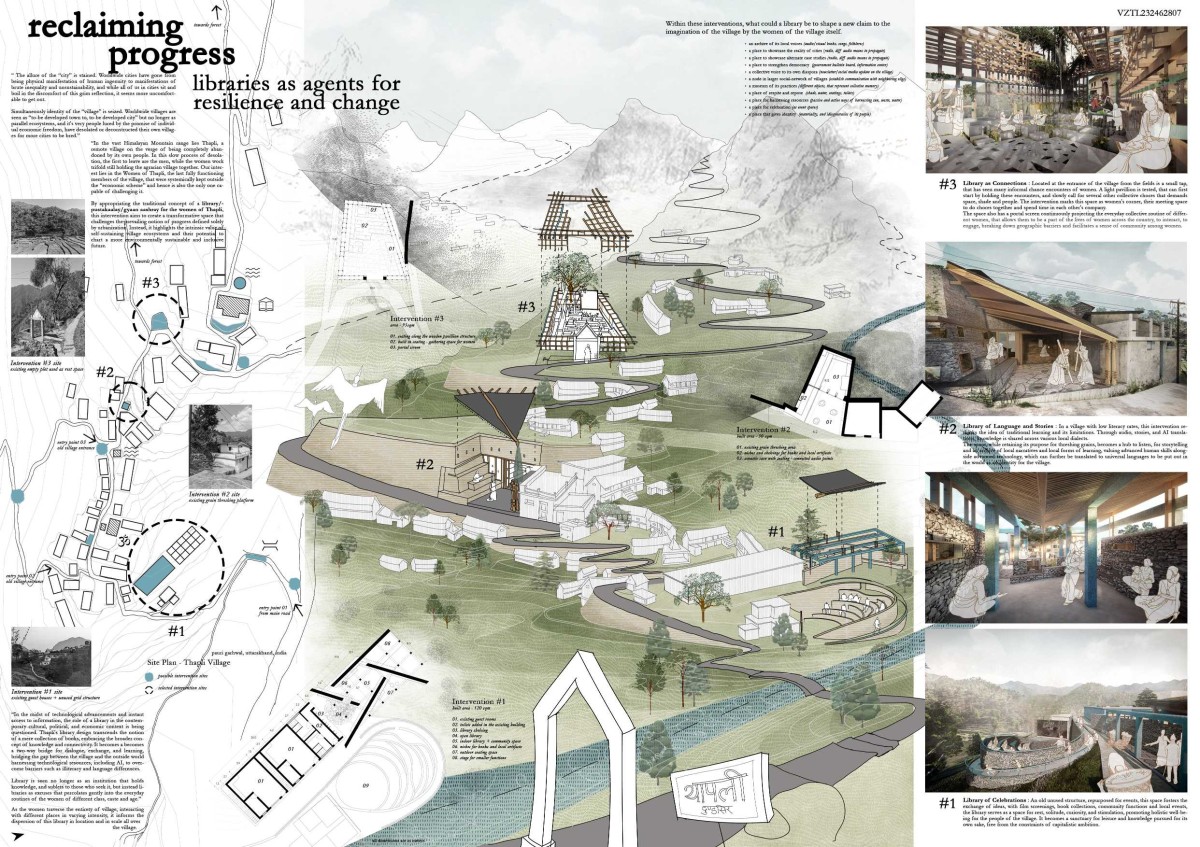
Image Credits - Volume Zero
Understand the Brief Beyond the Words
Every design competition begins with a document — the brief. But while it may seem like just a set of guidelines, the brief is the beating heart of the entire process. Most entrants read it once, jot down a few technical notes, and dive into designing. Winners, however, read it several times, highlighting every objective, limitation, and design cue.
A good brief doesn’t just state requirements like site size or budget; it reveals the competition's philosophy, its intended audience, and its architectural values. It will subtly guide you on what the judges are prioritising — whether it’s sustainability, heritage sensitivity, social functionality, or visual innovation.
Fully understanding the brief ensures your design does not stray off course. Instead, it becomes a carefully calculated response to a well-understood problem, which is the first step toward standing out.
Craft a Strong Narrative
Every winning design tells a story. Beyond the blueprints and 3D models, your design needs a soul — and that soul is your narrative.
A well-crafted architectural narrative gives judges insight into your thought process. Why did you choose this form? Why this material palette? Why this particular site strategy? These questions, if answered convincingly, can make your design resonate even before anyone examines your technical drawings.
Storytelling in architecture is not about fluff or exaggeration; it’s about anchoring your design on purpose. A clear narrative gives structure to your presentation, ties every decision to the project's core problem, and leaves a lasting impression on the jury.
Focus on Concept Development, Not Just Aesthetics
Too often, designers chase visual brilliance at the cost of idea depth. While a striking presentation might grab attention momentarily, only a meaningful concept will withstand scrutiny.
Concept development is where your architecture starts to evolve from random sketches into a coherent, structured design. A well-thought-out concept brings unity to your project, making sure every part — from circulation paths to material choice — aligns with your central idea.
Start with a question: “What problem am I solving, and how will this design address it?” Then let your creativity flow while remaining anchored to that question. A strong concept naturally attracts positive attention and shows intellectual maturity, which judges deeply value.
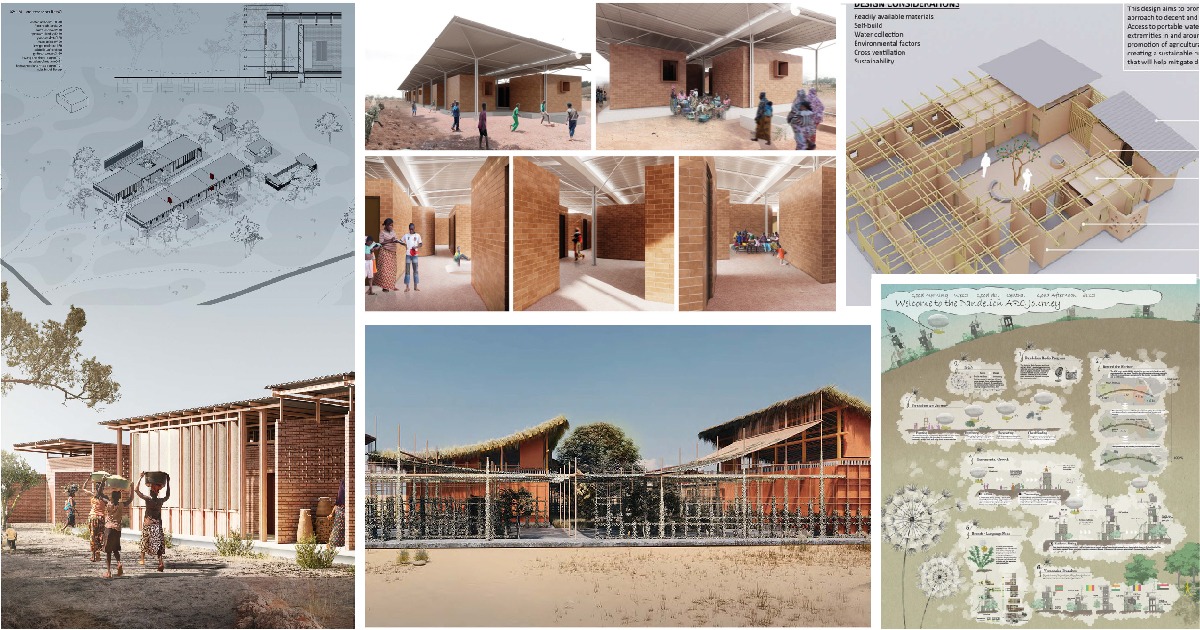
Image Credits - International Union of Architects
Master the Art of Clear Visual Communication
You could have the most innovative concept and the sharpest narrative, but if your presentation boards don’t communicate this clearly, your ideas may never reach the judges as intended.
Visual clarity is the unsung hero of design competitions. A cluttered, confusing board — no matter how colourful or intricate — will likely get overlooked. On the other hand, a clear and well-balanced presentation that guides the eye from one idea to another can make a world of difference.
To achieve this, focus on:
- Consistency in drawing style, colour schemes, and fonts
- Logical flow of visuals — from concept sketches to final renders
- Concise labels and annotations
- Hierarchy in layout, so the key ideas stand out at first glance
A good presentation does more than display drawings; it tells your design story without the need for verbal explanation. If your visuals can guide the jury from question to conclusion seamlessly, you’re already a step ahead.
Refine, Revisit, and Repeat
When you feel your design is done, that’s often when the real work should begin. The last 10% of effort you invest could be the very reason your submission edges out the competition.
Refinement is about self-critique and attention to detail. Ask yourself:
- Does every design element align with the central concept?
- Is my presentation cohesive and easy to follow?
- Have I double-checked technical accuracy?
Revisiting your work with fresh eyes or seeking feedback from peers and mentors can uncover hidden gaps in logic, design, and communication. Small improvements — like better contrast, sharper diagrams, or reworded annotations — can elevate your submission from good to exceptional.
Competitions are judged on quality, not quantity, so never underestimate the impact of fine-tuning.
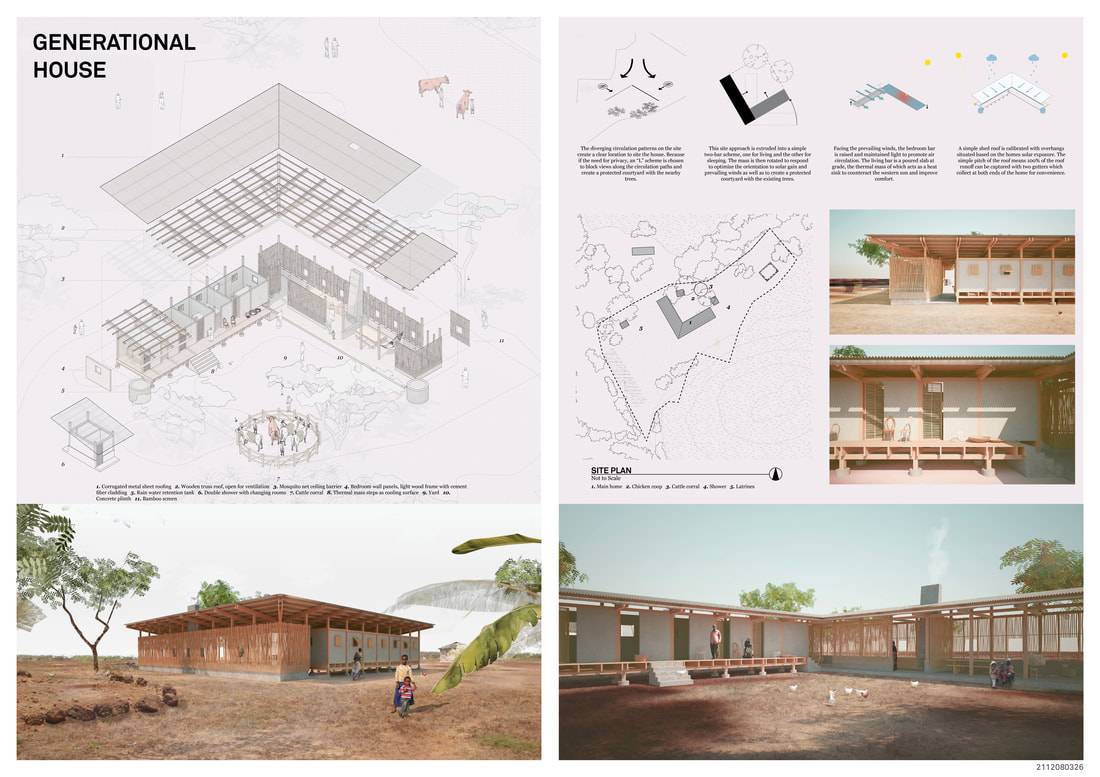
Image Credits - Archstorming
What you'll learn:
- Learn from industry experts and master practitioners.
- Engage in hands-on, project-based learning experiences.
- Connect with a vibrant community of creatives and professionals.
- Receive a certificate to boost your portfolio and credentials.
Conclusion: Design with Purpose, Present with Confidence
Winning an architectural competition is not about ticking boxes or being the most visually extravagant. It’s about offering a thoughtful, well-reasoned, and beautifully communicated response to the problem at hand.
The strongest entries excel in three areas:
- Understanding the brief at a deep level
- Shaping ideas into clear, human-centric narratives
- Delivering those ideas with confident, refined visual communication
Whether you’re an architecture student entering your first contest or a young professional aiming for industry recognition, mastering these five secrets will dramatically improve your odds. Success doesn’t happen by chance — it is designed.
Looking to sharpen your architectural design skills and master the competition mindset?
Join Kaarwan’s professional courses and workshops — where creativity meets industry insights for real-world success.
FAQs
1. How important is understanding the brief in architectural design competitions?
It’s crucial. The brief outlines not just the project’s specifications but also the jury's expectations. Mastering it sets the direction for your entire design.
2. Why should an architectural design have a narrative?
A narrative ensures that every part of your design is intentional and purposeful, making it easier for judges to understand and connect with your concept.
3. How can I develop a strong architectural concept for competitions?
Start by fully understanding the design problem. Brainstorm multiple solutions and refine them until your concept addresses both function and emotion in harmony.
4. Why is visual communication essential in design competitions?
Competitions are judged quickly. Clear, balanced, and intuitive presentation boards ensure your design stands out even under tight judging timelines.
5. How can I improve my chances of winning an architecture competition?
Beyond strong ideas, invest in clear storytelling, clean presentation, and rigorous self-review. Refinement and coherence often separate the winners from the rest.