Designing spaces that prioritize the physical dimensions and needs of individuals is fundamental in architecture. This focus on human-centric design is where anthropometric data comes into play. By incorporating this data into building codes and standards, architects create spaces that are more accessible, functional, and inclusive. The result is a built environment that truly serves its users, enhancing comfort and safety for everyone.
Understanding Anthropometric Data
Anthropometric data refers to the measurements and proportions of the human body. In architecture, this data is invaluable. It allows designers to tailor environments to the physical characteristics of various individuals. Consider the height of a countertop or the width of a hallway.
These dimensions, informed by anthropometric data, directly impact usability and comfort. By integrating this data into their designs, architects ensure that spaces cater to diverse user needs, creating environments that are not just functional but also inviting.
The Importance of Human Anthropometry in Architecture
Why is human anthropometry so crucial in architecture? The answer lies in the simple fact that buildings are designed for people. Every design decision should reflect this reality. By incorporating anthropometric data into building codes and standards, architects can create spaces that accommodate the human form in all its diversity.
This approach ensures that spaces are aesthetically pleasing, practical and safe. It’s about making architecture that respects and responds to the needs of its users.

Image source - archinect.com
Evolution of Building Codes: From Safety to Human-Centric Design
Building codes have undergone significant evolution over time. Initially, these regulations focused primarily on safety, structural integrity, and fire protection. However, as our understanding of human needs has deepened, building codes have expanded their scope.
Today, they encompass a broader range of considerations, including accessibility and human-centered design. This evolution reflects a growing recognition of the importance of designing spaces that truly serve the people who use them.
The Role of Building Standards in Construction
Building standards are guidelines that drive construction practices. These standards guide architects and engineers in creating environments that are safe, functional, and sustainable. Incorporating anthropometric data into these standards is a natural progression. It ensures that the dimensions and layouts of spaces are tailored to human use. This integration leads to environments that are compliant, highly functional, and user-friendly.
Benefits of Integrating Human Anthropometry into Building Codes
The integration of human anthropometry into building codes brings numerous benefits. This approach enhances accessibility, improves safety, and ensures that buildings are comfortable for all users. Moreover, it promotes the creation of spaces that cater to a diverse population, fostering inclusivity and ensuring everyone can use the environment effectively. These benefits highlight the critical role of considering human dimensions in the design and construction process.
Challenges in Applying Anthropometric Data to Building Standards
While the benefits are clear, applying anthropometric data to building standards presents challenges. These include the variability of human dimensions across different populations, the need for continuous updates to reflect changing demographics, and the difficulty of balancing inclusivity with practicality in design. Addressing these challenges requires careful consideration and ongoing adaptation to ensure that standards remain relevant and effective.
Real-World Applications: Success Stories in Anthropometric Design
Numerous case studies demonstrate the successful application of anthropometric data in building design. These examples show how thoughtful integration of human dimensions can lead to spaces that are not only compliant with building codes but also highly functional and user-friendly.
- Hospitals: In healthcare settings, designs informed by anthropometric data result in spaces that are more accessible to patients and staff. This attention to human dimensions improves outcomes and user satisfaction.
- Schools: Educational facilities designed with students’ anthropometric data in mind create environments conducive to learning. Desks, chairs, and even the layout of classrooms are optimized for comfort and functionality.
These examples highlight how anthropometric data can transform spaces, making them more effective and enjoyable for their users.
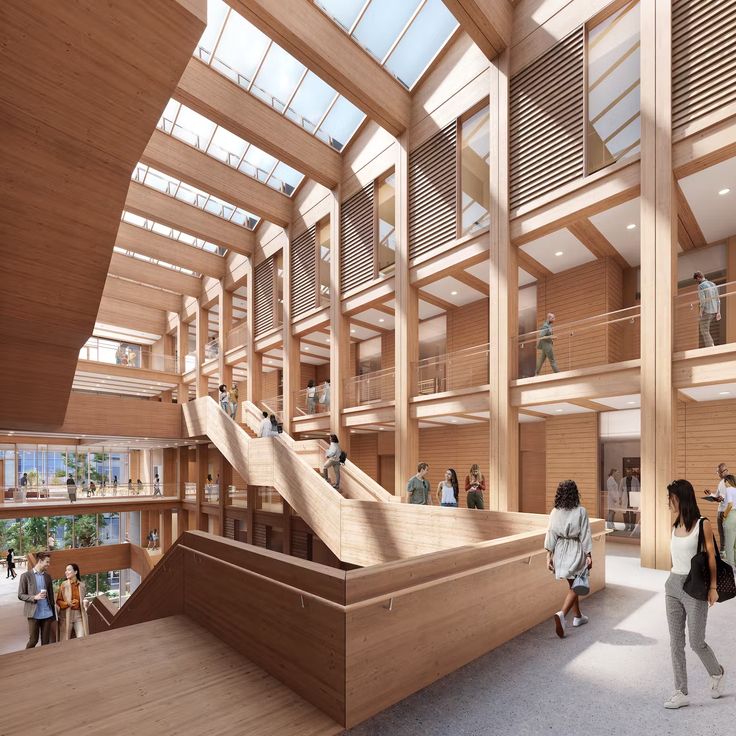
Image source - archinect.com
Global Perspectives: How Different Countries Utilize Anthropometric Data
Different countries have adopted various approaches to incorporating anthropometric data into their building codes and standards. Exploring these global perspectives provides valuable insights into best practices and potential areas for improvement.
For example, Scandinavian countries are renowned for their emphasis on human-centered design, reflected in their building standards. These examples can serve as models for other nations seeking to enhance their building codes with anthropometric data.
Common Misconceptions about Anthropometric Data in Architecture
Despite its importance, several misconceptions surround anthropometric data in architecture. Some believe this data is unnecessary or overly complex, while others think it only applies to certain types of buildings. These misconceptions can hinder the adoption of human-centered design principles. It’s essential to clarify that anthropometric data is relevant to all types of buildings and can significantly enhance the functionality and accessibility of any space.
Tools and Techniques for Gathering Accurate Anthropometric Data
Accurate anthropometric data is crucial for effective design. Various tools and techniques are available for gathering this data, including:
- 3D Scanning: This technology allows for precise measurements of the human body, providing detailed data that can be used in design.
- Motion Capture: This technique tracks human movement, helping designers understand how people interact with spaces.
- Surveys and Field Studies: These methods involve collecting data from real-world environments to ensure that designs reflect actual human dimensions and behaviors.
Understanding these tools and techniques is crucial for architects and engineers who want to create spaces that are truly human-centric.
The Influence of Cultural and Regional Variations in Anthropometry
Cultural and regional differences significantly influence anthropometric data. These variations must be considered when developing building codes and standards to ensure that designs are appropriate for the specific populations they serve.
For that matter, average body dimensions can vary between countries, so a design that works in one region may not be suitable in another. Taking these differences into account is essential for creating spaces that are genuinely inclusive.
Impact of Ignoring Anthropometric Data in Building Design
What happens when architects overlook anthropometric data? The consequences can be severe. Spaces that fail to consider human dimensions may be uncomfortable, inaccessible, or even hazardous.
For example, doorways that are too narrow or countertops that are too high can create barriers for users, leading to frustration and potentially even injury. These issues underscore the importance of incorporating anthropometric data into every aspect of building design.
Best Practices for Architects and Engineers
To effectively incorporate anthropometric data into building design, architects, and engineers should follow these best practices:
- Continuous Education: Stay informed about the latest research in human dimensions and ergonomics.
- Collaboration: Work with experts in human factors and ergonomics to ensure that designs are based on accurate data.
- Adherence to Standards: Ensure that all designs comply with the latest building standards and regulations.
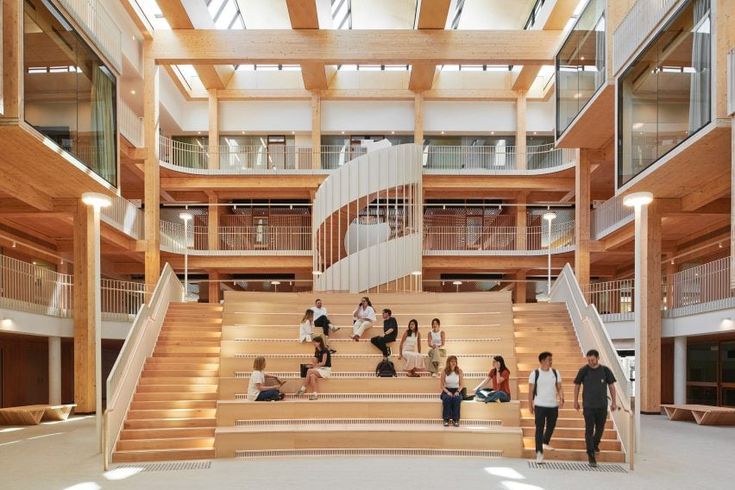
Image source - dezeen.com
The Role of Technology in Enhancing Anthropometric Accuracy
Advancements in technology have significantly enhanced the accuracy of anthropometric data collection. Tools like 3D modeling and simulation allow for more precise measurements, leading to better-informed design decisions and more effective building standards. As technology continues to evolve, we can expect even greater accuracy in anthropometric data, further improving the quality of building design and construction.
Conclusion
Incorporating anthropometric data into building codes and standards is a vital step toward creating environments that prioritize human comfort, safety, and inclusivity. As we continue to evolve in our understanding of human dimensions, the future of building design promises to be more responsive and adaptive to the needs of all users. By focusing on human dimensions in architecture, we can create spaces that truly serve the people who use them, paving the way for a more inclusive built environment.
The future of architecture is bright, but are your skills keeping pace? Kaarwan's architecture-specific courses provide you with the knowledge and tools to confidently navigate the AEC industry. Gain valuable insights, master in-demand software, and stand out with designs that impress!
FAQs
Q.1 What is anthropometric data for building construction?
Anthropometric data refers to the measurements and proportions of the human body used in building construction to design spaces that accommodate the physical dimensions and needs of individuals, ensuring comfort, accessibility, and safety.
Q.2 What is anthropometric standards?
Anthropometric standards are guidelines derived from human body measurements that dictate the dimensions and layouts of spaces in buildings. These standards ensure that designs cater to a broad range of physical characteristics.
Q.3 Why are anthropometric measurements important in architecture?
Anthropometric measurements are crucial in architecture because they help create spaces that fit the diverse physical needs of users, ensuring functionality, comfort, and accessibility for everyone.
Q.4 What is the importance of anthropometric data in design?
Anthropometric data is vital in design as it informs the dimensions and ergonomics of spaces, leading to environments that are user-friendly, inclusive, and tailored to human interactions.
Q.5 What are the three design principles using anthropometric data?
The three design principles using anthropometric data are:
- Ergonomics - Designing for optimal user comfort and efficiency.
- Inclusivity - Ensuring spaces are accessible to people of all physical abilities.
- Safety - Creating environments that reduce physical strain and prevent injuries.