The construction industry has always been at the forefront of innovation, constantly evolving to meet the demands of a modern world. In recent years, two groundbreaking technologies—Building Information Modeling (BIM) and Digital Twin—have emerged as powerful tools transforming how buildings are designed, constructed, and managed.
While BIM has revolutionized the planning and design stages, Digital Twin technology takes it a step further by providing real-time, data-driven insights that optimize building operations. But what happens when these two technologies converge? The result is smarter, more efficient buildings that are poised to define the future of construction.
What Is BIM and How Does It Work?
Building Information Modeling (BIM) is a digital representation of a building's physical and functional characteristics. It integrates information about a building’s structure, materials, systems, and operations, creating a comprehensive 3D model that serves as a single source of truth for all stakeholders involved in the project. BIM enables architects, engineers, contractors, and facility managers to collaborate seamlessly, reducing errors, improving efficiency, and ensuring that the project is completed on time and within budget.
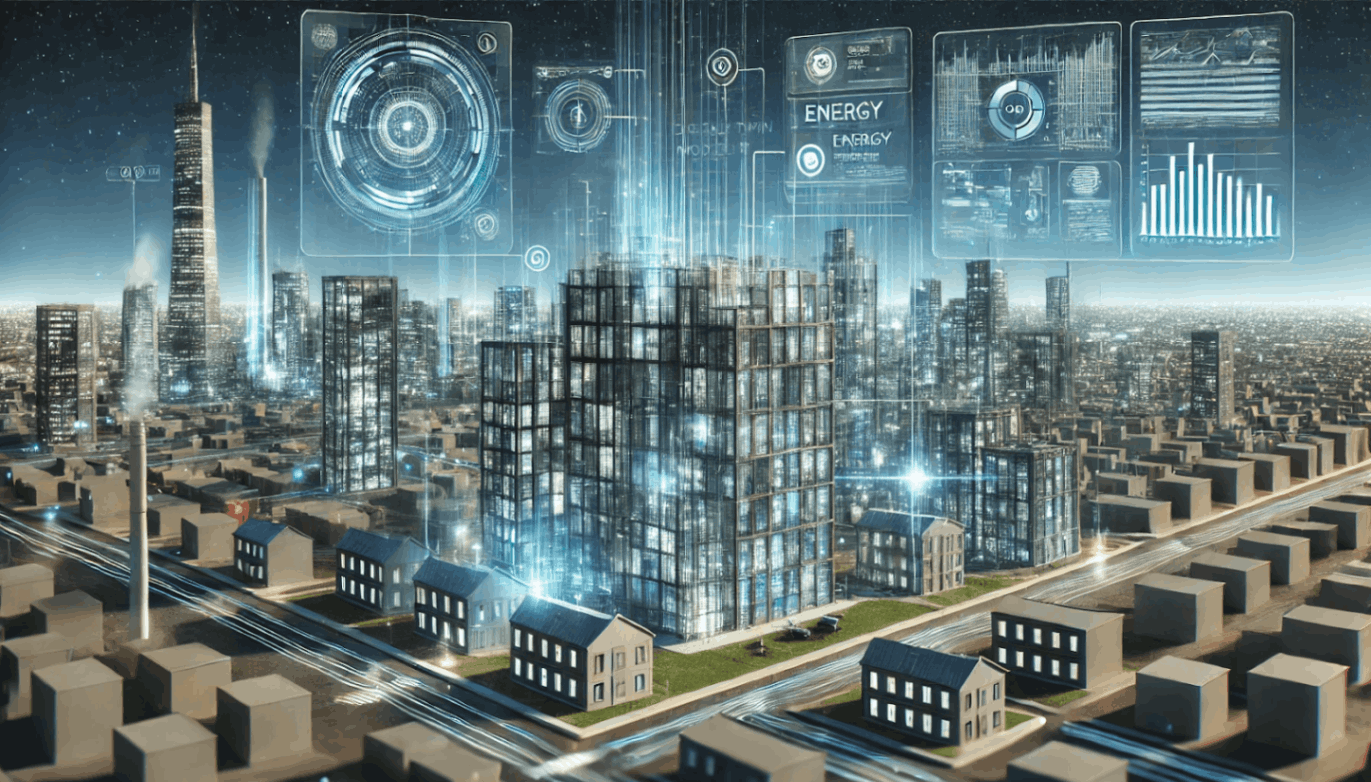
Key Features of BIM:
1. 3D Visualization: Provides a 3D model of the building, enhancing design accuracy and helping stakeholders visualize the final product.
2. Collaboration: Facilitates real-time collaboration between all project members, minimizing conflicts and errors.
3. Data-Rich Models: Contains detailed data regarding materials, structural systems, and HVAC systems, providing actionable insights throughout the building's lifecycle.
4. Lifecycle Management: BIM helps manage the building from the design phase through to construction, operations, and eventual decommissioning.
What Is Digital Twin Technology?
Digital Twin technology is a virtual replica of a physical asset, system, or process. It uses real-time data to simulate the performance, behavior, and condition of the asset it represents. In the context of buildings, a Digital Twin allows for continuous monitoring and analysis of the building’s systems, from HVAC to energy usage. This real-time feedback helps facility managers make data-driven decisions to optimize building performance, enhance user comfort, and reduce operational costs.
Key Features of Digital Twin:
1. Real-Time Data: Monitors a building's systems and processes, providing instant insights into how it is performing.
2. Predictive Analytics: Analyzes historical and real-time data to predict future behavior, enabling proactive maintenance and performance optimization.
3. Enhanced Collaboration: Facilitates collaboration by providing all stakeholders with up-to-date, actionable insights on building performance.
4. Simulations: Allows for virtual simulations of changes or improvements, helping stakeholders assess potential impacts before making any physical changes.
The Synergy Between BIM and Digital Twin
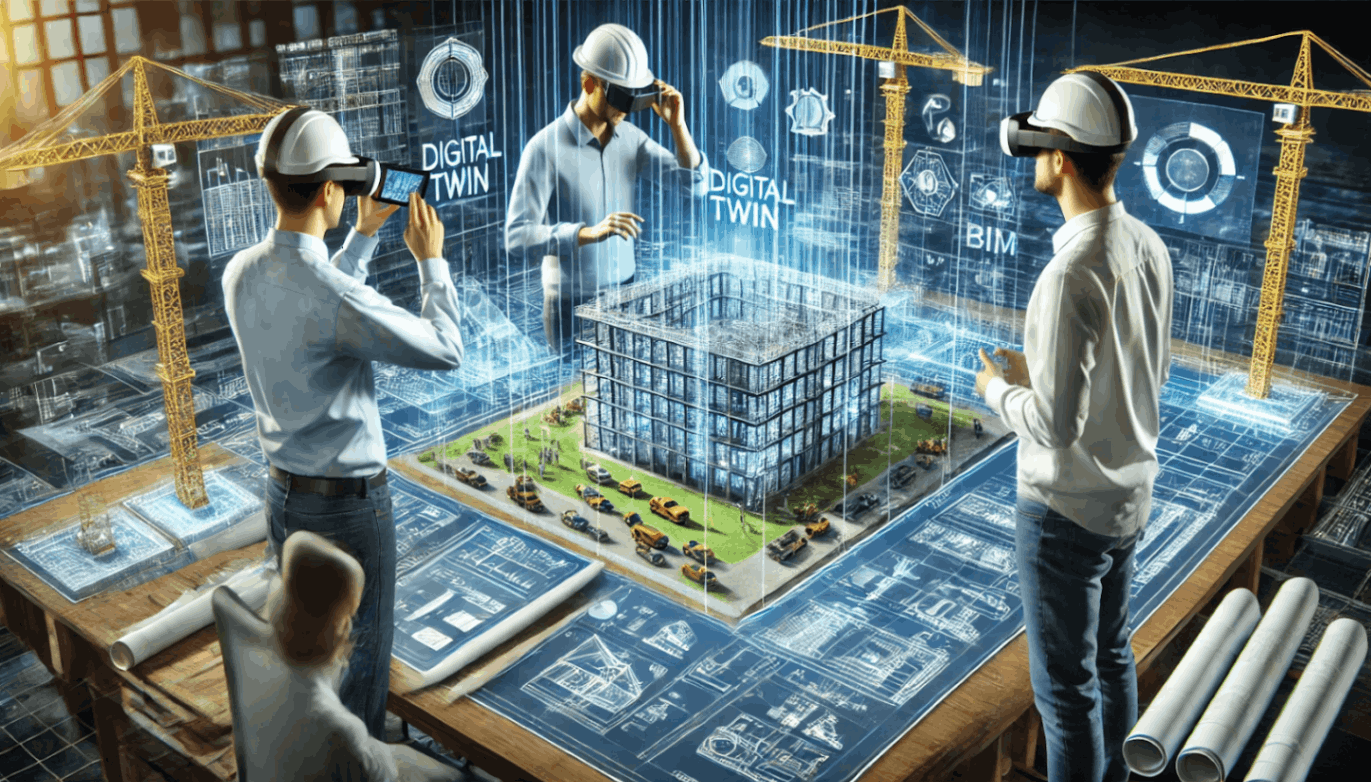
When BIM and Digital Twin technologies are integrated, the results are transformative. BIM provides the foundational design model, while Digital Twin adds a layer of real-time monitoring and performance analytics. This synergy empowers building owners, operators, and facility managers to make informed decisions at every stage of the building's life cycle, from construction to operation.
How BIM and Digital Twin Integration Works:
1. Design Phase: BIM creates a detailed 3D model that serves as the basis for the Digital Twin. The BIM model is enriched with data such as materials, systems, and design specifications, which are then used to create the virtual replica.
2. Construction Phase: During construction, the Digital Twin is continuously updated with real-time data about the building's progress. This allows project managers to monitor the construction process, identify potential issues, and make adjustments before they become costly problems.
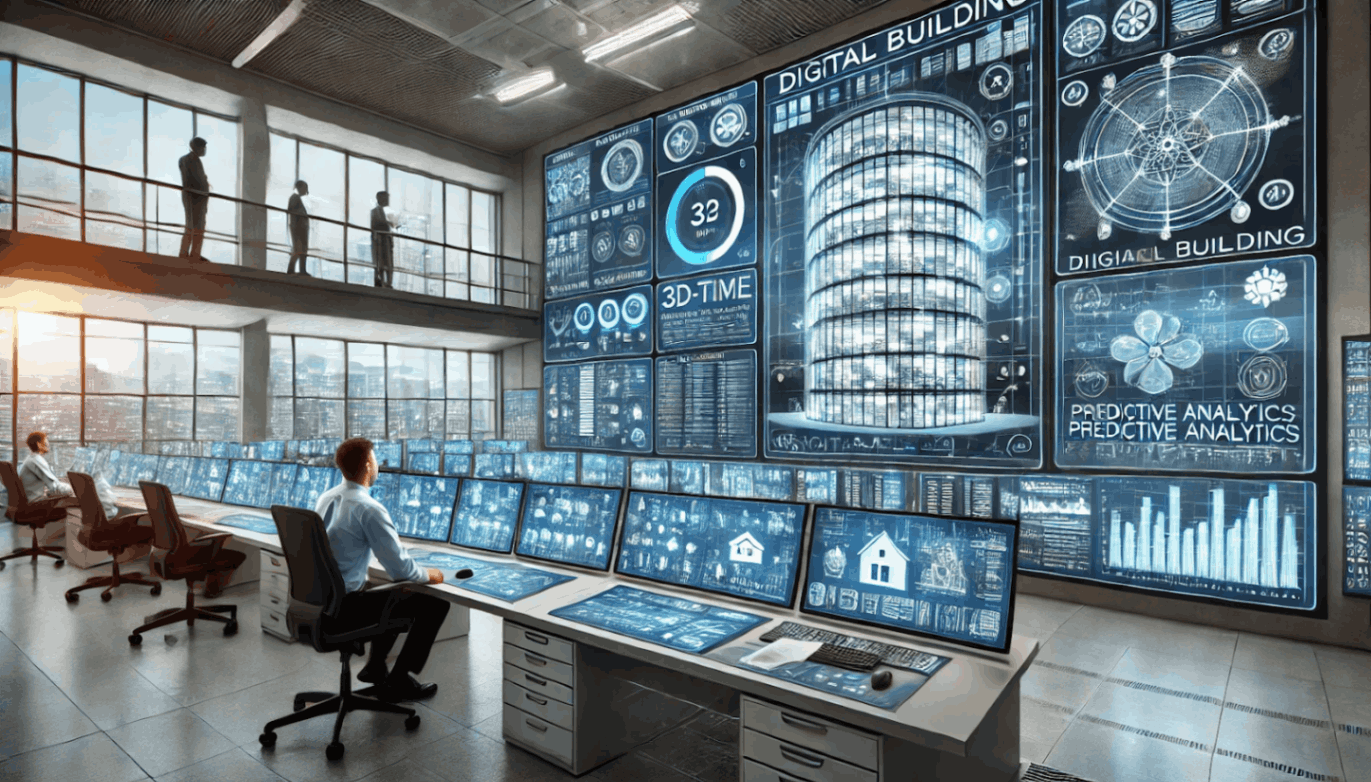
3. Operation and Maintenance: After construction, the Digital Twin acts as a living model of the building. It continuously gathers data from sensors embedded in the building’s systems (e.g., HVAC, lighting, security), enabling real-time monitoring and predictive maintenance.
4. End of Life: Even after the building reaches the end of its useful life, the BIM and Digital Twin models provide invaluable data for decommissioning, repurposing, or demolishing the building in an environmentally responsible way.
Benefits of Integrating BIM and Digital Twin for Smarter Buildings
The integration of BIM and Digital Twin technology brings numerous advantages that make buildings smarter, more efficient, and sustainable. Here are the key benefits:
1. Improved Efficiency: By integrating real-time data into the BIM model, building owners and managers can make more informed decisions, improving efficiency and reducing operational costs.
2. Enhanced Building Performance: Continuous monitoring of building systems allows for immediate adjustments, ensuring optimal performance and comfort for occupants.
3. Proactive Maintenance: Predictive maintenance capabilities help prevent costly repairs by addressing issues before they become major problems.
4. Cost Savings: By optimizing energy use, reducing maintenance costs, and improving design accuracy, the integration of BIM and Digital Twin technology leads to significant cost savings over the building's life cycle.
5. Sustainability: Smarter buildings are more energy-efficient and environmentally friendly, aligning with the growing demand for sustainable construction practices.
6. Improved Collaboration: The integration of BIM and Digital Twin fosters collaboration between design, construction, and operations teams, ensuring that all stakeholders are on the same page throughout the building’s lifecycle.
Challenges and Considerations
While the integration of BIM and Digital Twin technology offers numerous benefits, it is not without challenges. Some of the key considerations include:
1. Data Privacy and Security: The collection and sharing of real-time data can raise concerns about privacy and security, especially in commercial and residential buildings.
2. High Initial Investment: The adoption of BIM and Digital Twin technologies requires significant upfront investment in software, hardware, and training.
3. Data Integration: Integrating data from various sources and ensuring its accuracy and consistency can be a complex task, particularly when dealing with legacy systems or disparate technologies.
4. Skilled Workforce: The effective use of BIM and Digital Twin technology requires a skilled workforce with expertise in data management, simulation, and building systems.
The Future of Smart Buildings with BIM and Digital Twin Technology
As the construction industry continues to embrace digital transformation, the integration of BIM and Digital Twin technologies is expected to play a pivotal role in shaping the future of smart buildings. With advancements in AI, IoT, and machine learning, the potential for these technologies to drive even greater efficiencies, sustainability, and innovation is immense.
As more buildings adopt BIM and Digital Twin technology, we can expect to see:
1. Greater Automation: AI and automation will enhance the predictive capabilities of Digital Twins, allowing buildings to autonomously optimize their performance without human intervention.
2. Smarter Cities: The integration of BIM and Digital Twin technology on a larger scale can lead to the development of smarter cities, where buildings are interconnected and work together to improve the overall quality of life for residents.
3. Sustainability at Scale: As the pressure to reduce carbon footprints grows, BIM and Digital Twin technology will be instrumental in creating energy-efficient, sustainable buildings that contribute to a greener future.
Master BIM with our comprehensive guide on Revit, Archicad, and Tekla Structures. Optimize your workflow, enhance efficiency, and elevate your projects with industry-leading insights.
Enroll with Kaarwan to advance your professional skills and stay ahead in the field.
FAQs
1. What is the difference between BIM and Digital Twin?
BIM is a digital representation of a building's design, construction, and lifecycle information, while a Digital Twin is a real-time virtual replica of a physical asset, providing continuous performance monitoring.
2. How does BIM integrate with Digital Twin technology?
BIM provides the foundational design and data for a building, and the Digital Twin uses real-time data to continuously update and monitor the building’s performance.
3. What are the benefits of using both BIM and Digital Twin?
The integration leads to enhanced efficiency, better building performance, proactive maintenance, cost savings, and improved collaboration between all stakeholders.
4. Can Digital Twin technology be applied to existing buildings?
Yes, Digital Twin technology can be retrofitted to existing buildings using sensors and other data sources to create a virtual replica of the building's systems.
5. What are the challenges of integrating BIM and Digital Twin?
Challenges include data privacy and security concerns, high initial investment, data integration complexities, and the need for a skilled workforce.