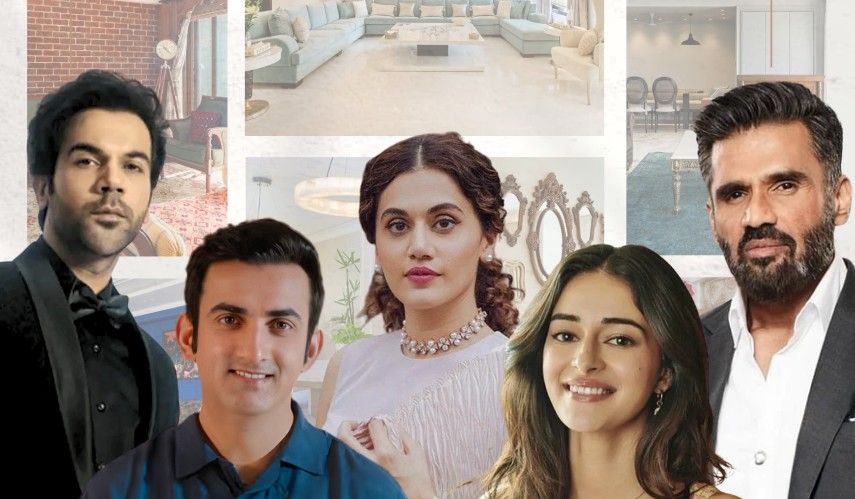
Interior Design Styles to Learn From Celebrity Homes
Celebrity homes are basically high-impact case studies in spatial branding. Each space reflects a curated identity—whether intentionally designed or organically evolved—and offers clear takeaways on materiality, layout logic, lighting moods, and emotional storytelling through interiors. What makes them especially valuable for design learning is how they blend lifestyle requirements with aesthetic direction at scale: these are real homes that must function daily while still communicating a strong visual narrative.
Across Indian celebrity residences, we can clearly map five dominant interior design languages—rustic nature-driven spaces, classical luxury, ethnic-vintage hybrids, bold experimental compositions, and Scandinavian minimalism. Each of these homes translates personality into spatial decisions like material selection, color psychology, furniture scale, and openness of layout. Let’s break them down as design playbooks.
Suniel Shetty –
Rustic, Nature-Inspired Design
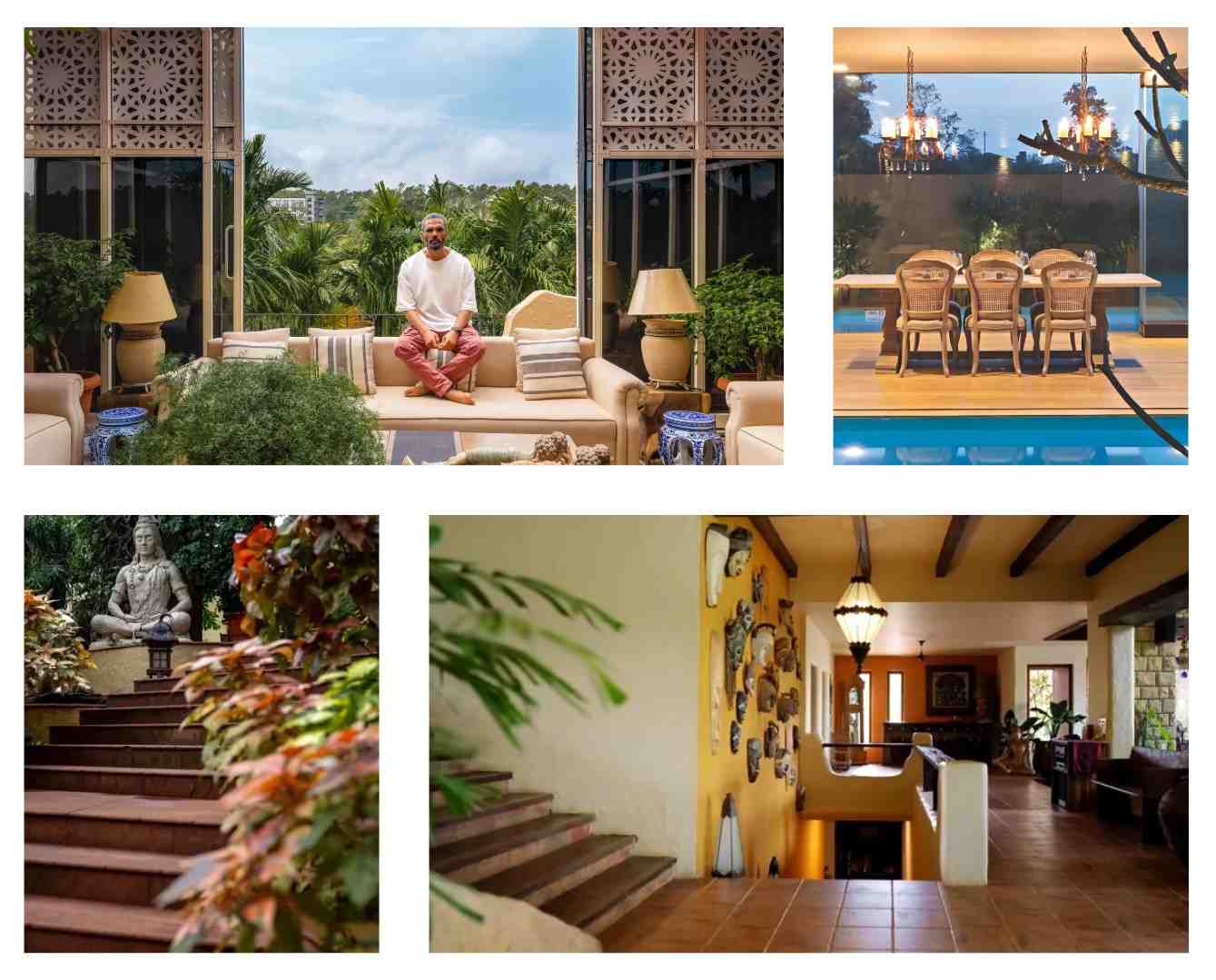
Suniel Shetty’s Khandala farmhouse is a textbook example of rustic biophilic design, where architecture doesn’t sit on nature—it grows with it. Based on multiple documented walkthroughs and interviews, his home integrates natural elements like water bodies, exposed rocks, wood-heavy interiors, and abundant greenery, creating a seamless indoor-outdoor experience that prioritizes calm over ornamentation.
The core design principle here is material honesty + landscape integration. Instead of concealing the site’s natural features, the design actively incorporates them—rocks become interior elements, trees pass through courtyards, and large openings blur boundaries. This approach works best in villas, holiday homes, and retreat architecture where fixed lifestyle routines are less rigid and spatial experience is the priority.
From a visual standpoint, the palette is earthy—browns, greens, and warm neutrals dominate, supported by raw textures like wood, stone, and organic finishes. Furniture is oversized, relaxed, and low-density, encouraging “pause-driven” living rather than structured zoning. This style is especially effective for fixed glazing systems, openable courtyards, and large casement openings that support ventilation and immersion in nature.
The big takeaway: rustic design isn’t about “raw aesthetics”—it’s about designing spaces that emotionally reset you by reducing visual noise and amplifying natural context.
Gautam Gambhir –
Classic Luxury Design
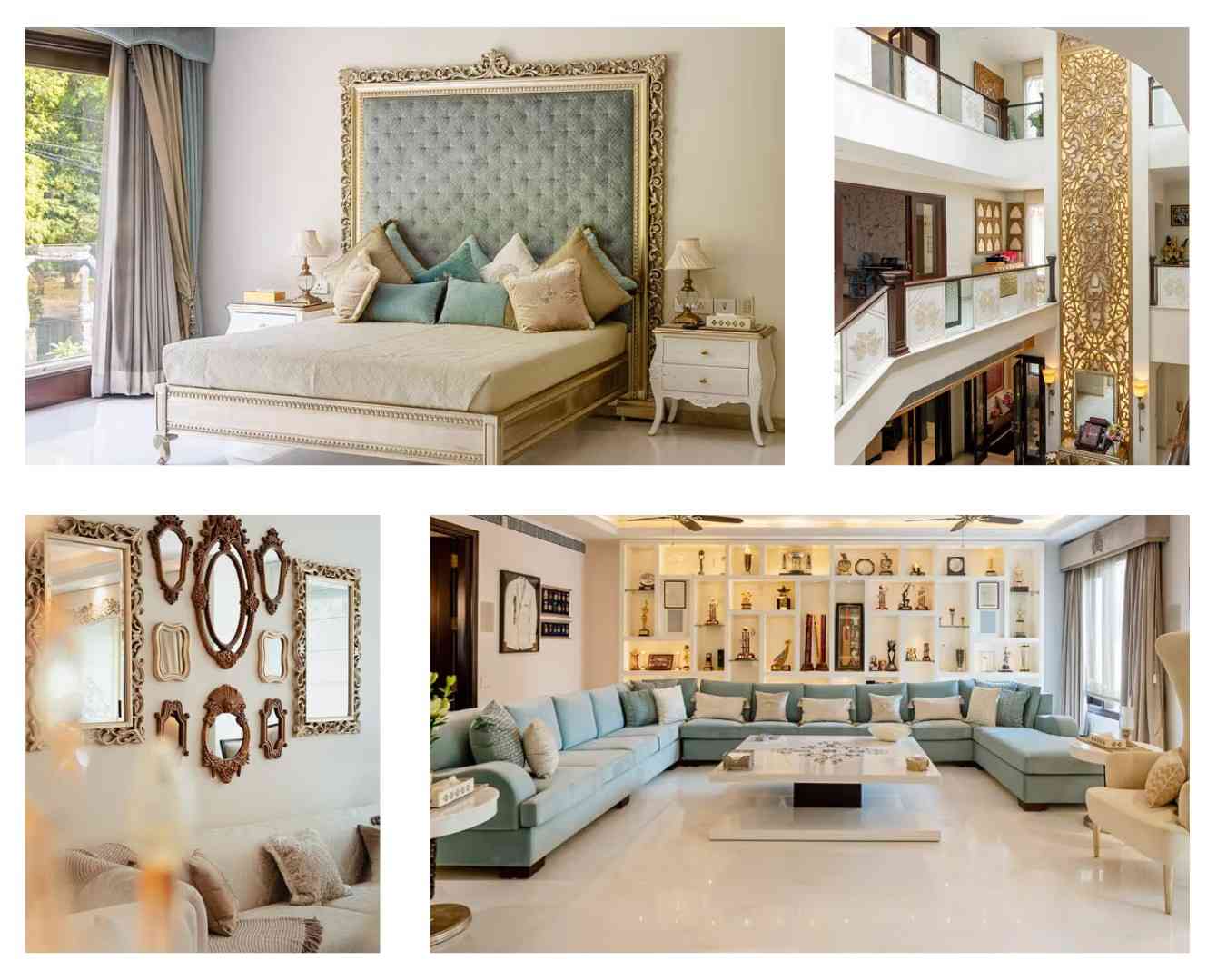
Gautam Gambhir’s home aesthetic aligns strongly with classic luxury interiors—balanced symmetry, refined material usage, and a controlled color palette rooted in neutrals and warm metallic accents. While not overly ornate, the style focuses on structured elegance, where every element feels intentional and composed rather than experimental.
The core design principle here is timeless composition + proportional discipline. Classic luxury interiors typically rely on spatial hierarchy: central focal points in living areas, symmetrical furniture arrangements, and layered lighting systems that combine ambient, task, and accent lighting. This creates a sense of order and sophistication without visual chaos.
Materials often include polished stone, marble accents, soft upholstery, and subtly decorative finishes like mouldings or panelled walls. Unlike rustic homes, this style avoids raw imperfection—instead, it aims for refinement and polish. It works particularly well in urban apartments, formal living rooms, and reception-heavy spaces where impression management is important.
In terms of functionality, this style pairs best with fixed and large casement windows that support structured façade rhythm and controlled daylight entry, enhancing the luxurious atmosphere.
The key insight: classic luxury is not about excess—it’s about restraint executed with precision.
Taapsee Pannu –
Vintage European + Ethnic Fusion Design
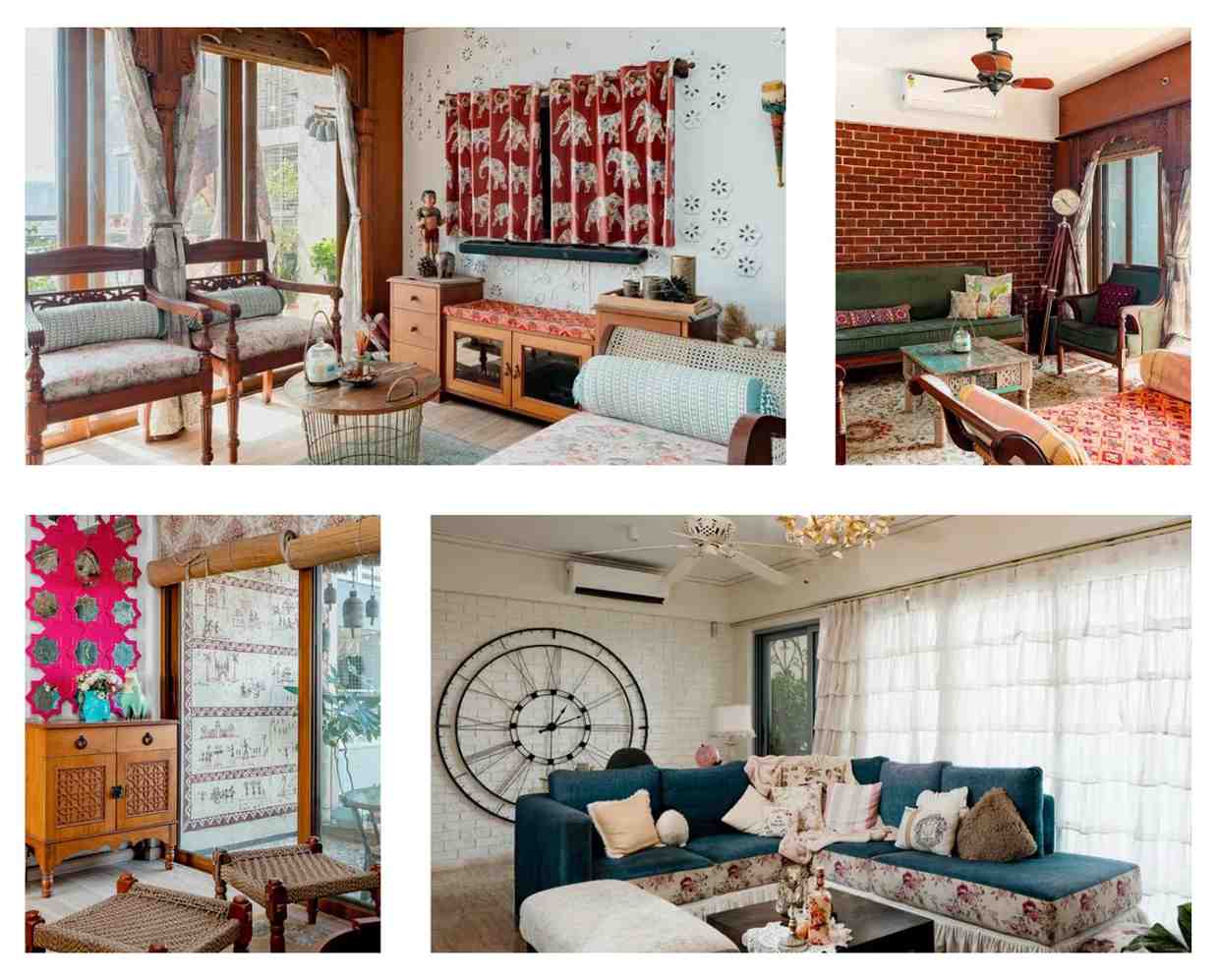
Taapsee Pannu’s home is a hybrid narrative space where vintage European aesthetics meet Indian ethnic detailing. Based on home features and décor descriptions, the space incorporates elements like brick textures, jharokha-inspired frames, jute materials, and handcrafted décor collected from different regions of India.
The core design principle here is layered cultural storytelling + collected interiors. Instead of following a single style code, the home behaves like a curated archive—each object carries geographical or emotional memory. This creates a richly textured environment where contrast becomes the primary design language.
Visually, the space combines rough and refined surfaces: exposed brick walls sit alongside vintage-style furniture, while ethnic textiles and handcrafted pieces soften European structural references. This mix works best in residential layouts that allow flexible zoning—open living-dining areas, transitional corridors, and feature walls that act as storytelling canvases.
From a functional perspective, this style thrives in fixed and casement windows that allow ventilation while also framing decorative layers like curtains, textures, and wall-mounted artifacts.
The key takeaway: eclectic design works when every “mixed” element still belongs to a unified emotional narrative.
Rajkummar Rao –
Bold Abstract Design
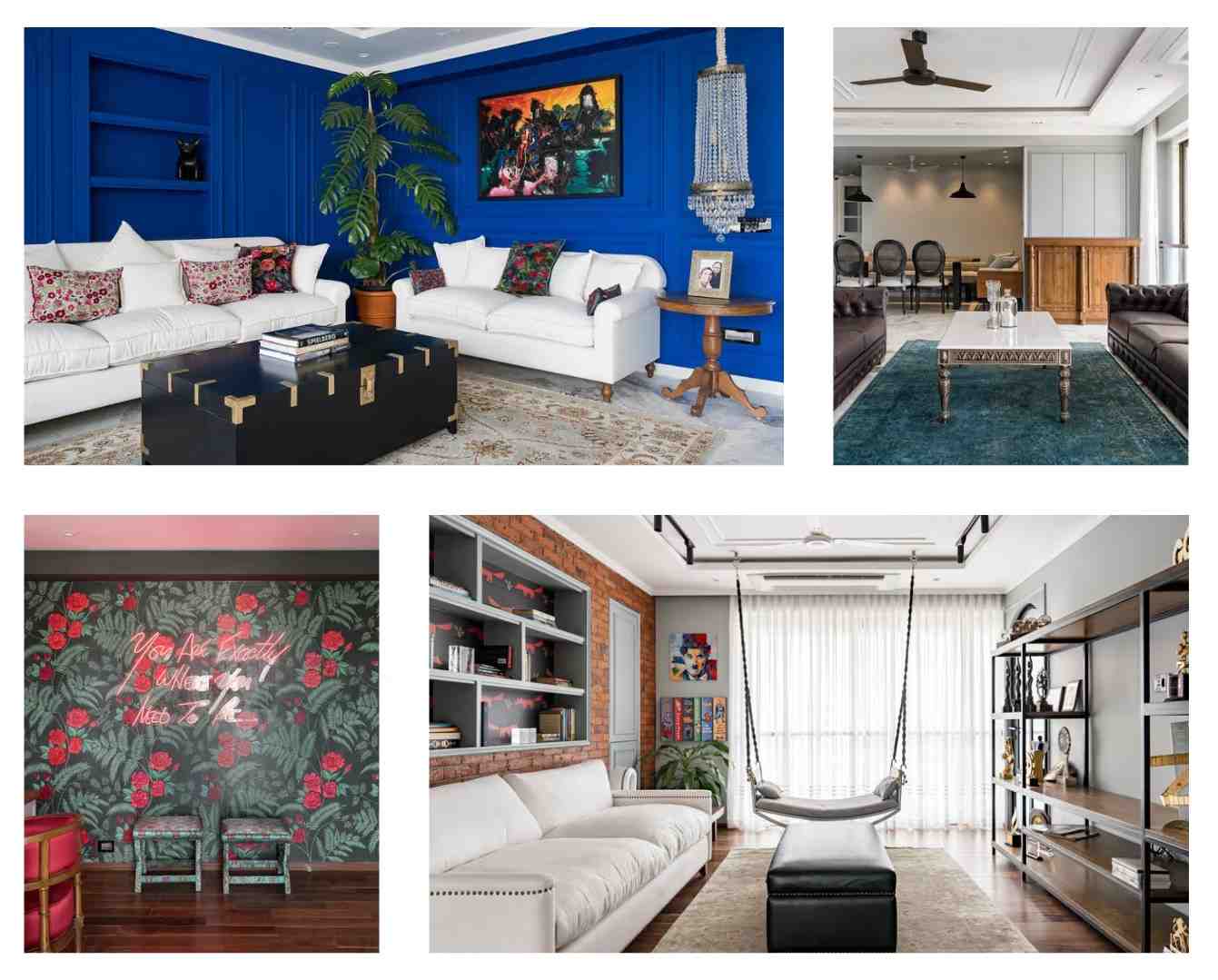
Rajkummar Rao’s interior aesthetic reflects a bold abstract approach—less about following conventional design rules and more about expressive spatial experimentation. This includes strong color contrasts, statement walls, artistic installations, and unconventional furniture placement that challenges predictable symmetry.
The core design principle here is expression-led spatial composition + visual disruption. Instead of neutrality, this style embraces controlled chaos—where color, geometry, and artwork are used as primary spatial drivers. It is especially effective for individuals who treat their homes as creative extensions of identity rather than purely functional environments.
Material usage in bold abstract interiors tends to be mixed: painted surfaces, graphic art, sculptural décor, and experimental lighting all coexist. The layout is often fluid rather than rigid, allowing spaces to shift functionally depending on mood or use.
This style works best in modern apartments or studio-like layouts where flexibility is key. Window systems here often lean toward large fixed glazing or sliding setups to maximize light—because natural light amplifies color intensity and artistic impact.
The key insight: bold interiors are not “messy”—they are intentionally composed visual experiences.
Ananya Panday –
Scandinavian Chic Design
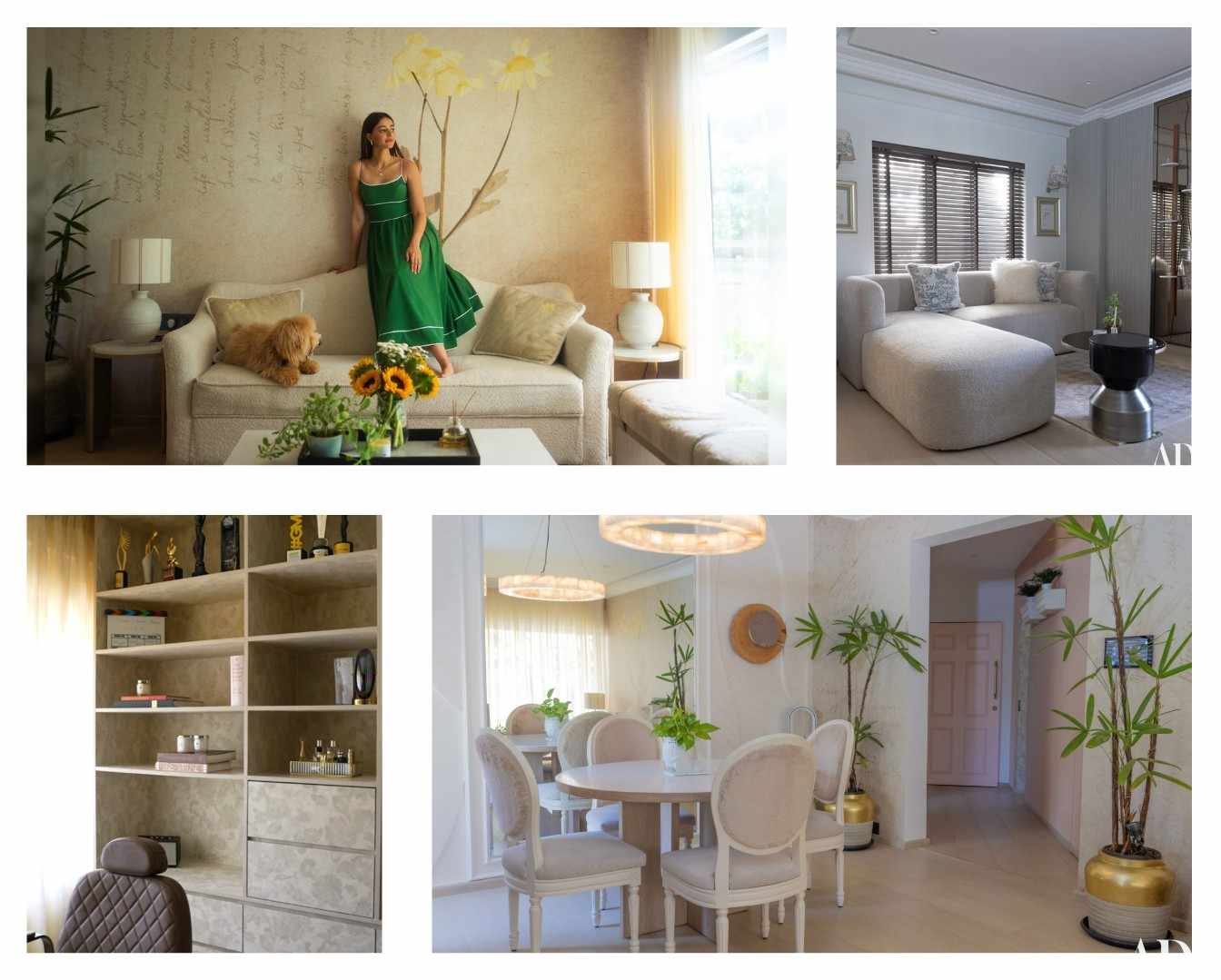
Ananya Panday’s home aesthetic follows a Scandinavian chic direction—clean lines, muted palettes, functional furniture, and minimal visual noise. This style prioritizes calmness and clarity, where every object has a purpose and every surface breathes.
The core design principle is functional minimalism + light optimization. Scandinavian interiors are built around maximizing natural light, often using white or neutral walls, light wood textures, and open layouts that prevent visual fragmentation. This creates an airy and spacious perception even in compact urban homes.
Furniture is typically simple, modular, and ergonomically designed, supporting both aesthetics and practicality. Decorative elements are minimal but intentional—soft textiles, curated art pieces, and indoor plants are used to add warmth without cluttering the space.
This style is highly compatible with sliding or large fixed window systems that allow uninterrupted light flow. It is particularly effective in apartments, compact homes, and urban residences where spatial efficiency is critical.
The takeaway: Scandinavian design is not about emptiness—it’s about clarity, light, and emotional calm through reduction.
Conclusion
Celebrity homes are essentially real-world design labs where personality meets architecture. From Suniel Shetty’s nature-immersive rustic retreat to Ananya Panday’s calm Scandinavian minimalism, each space demonstrates how interior design is less about trend and more about alignment—between lifestyle, emotion, and spatial logic.
If you enjoyed reading this, you should also check out Part 1 where we explored the homes of Virat Kohli, Sonam Kapoor, Madhuri Dixit, and more interior design inspirations.
FAQs
1. Why are celebrity homes useful for studying interior design?
They showcase real-life applications of design principles at scale, blending aesthetics with functionality.
2. What is the most popular celebrity interior style in India?
A mix of rustic, luxury, and ethnic fusion styles is most common, reflecting cultural and lifestyle diversity.
3. Can Scandinavian design work in Indian homes?
Yes, especially in urban apartments where light optimization and minimalism improve spatial efficiency.
4. What defines rustic interior design?
Use of natural materials, earthy tones, and strong integration with outdoor environments.
5. How do eclectic interiors stay cohesive?
Through a unifying emotional or narrative thread, even when materials and styles vary.