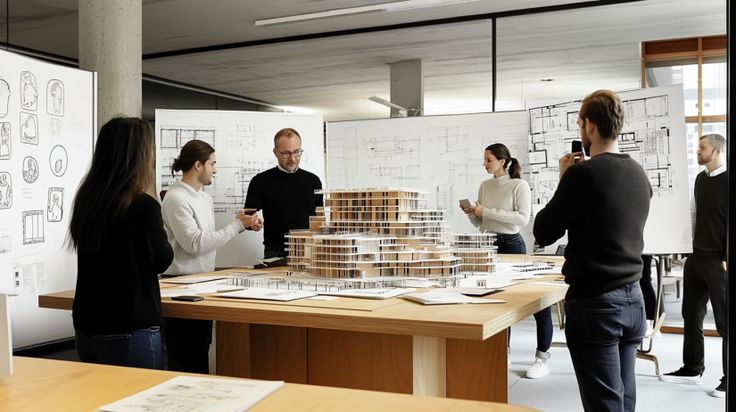
Is Architecture Still Worth It in 2026?
A realistic look at careers, challenges, and opportunities.
For decades, architecture has been seen as a prestigious and creative profession. But in recent years, many students have begun asking a difficult question:
Is architecture still worth pursuing in 2026?
With rising education costs, long working hours, and rapidly changing technologies like AI and BIM, it is understandable why many aspiring architects feel uncertain about the future.
The honest answer is nuanced. Architecture is still a rewarding career—but the path to success is evolving faster than ever.
The Reality of Architecture Careers Today
Architecture remains one of the few professions that combines creativity, technical thinking, and real-world impact. Architects shape cities, design environments where people live and work, and influence sustainability and urban growth.
However, the profession is also demanding.
Young architects often experience:
- Long studio hours during education
- Competitive job markets after graduation
- The need to constantly upgrade skills
- Lower starting salaries compared to some tech fields
These challenges can make the early career phase feel difficult.
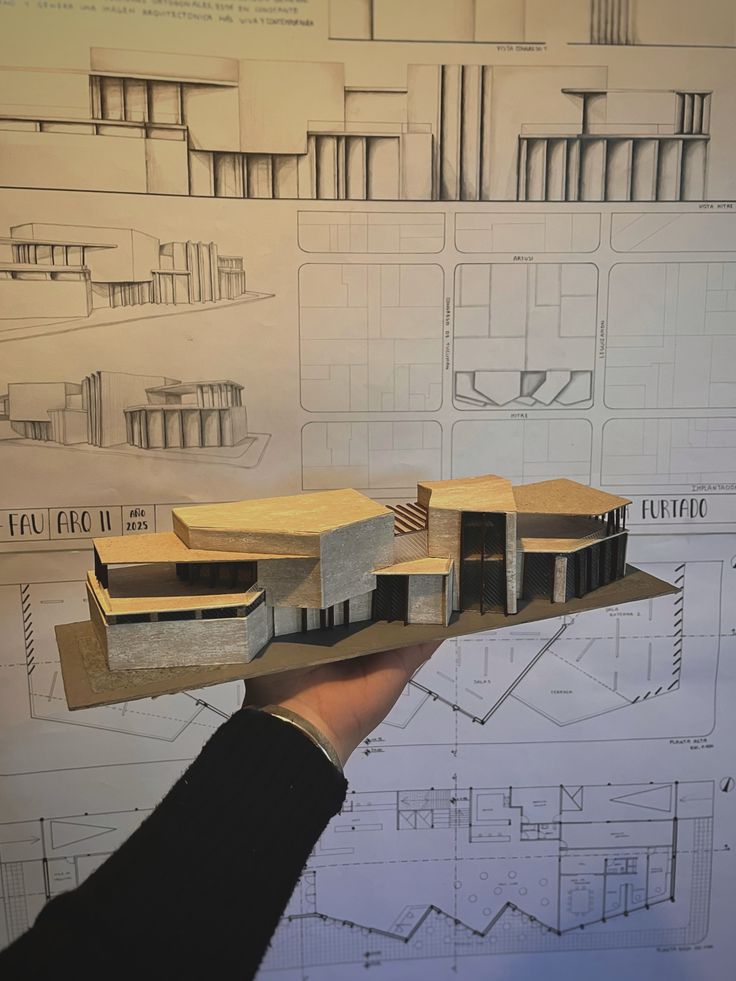
Why Architecture Still Matters More Than Ever
Despite these challenges, architecture is far from obsolete. In fact, global demand for skilled architects is expanding in several key areas.
1. Rapid Urbanization
Cities around the world continue to grow. India alone is expected to see massive urban expansion in the coming decades, creating demand for architects, planners, and designers.
2. Sustainable Design
Climate change has pushed sustainable architecture into the spotlight. Buildings must now respond to energy efficiency, climate adaptation, and environmental responsibility.
3. Digital Transformation
Technologies such as BIM, parametric design, and AI-assisted planning are reshaping how buildings are designed and delivered.
Architects who understand these tools are becoming increasingly valuable.
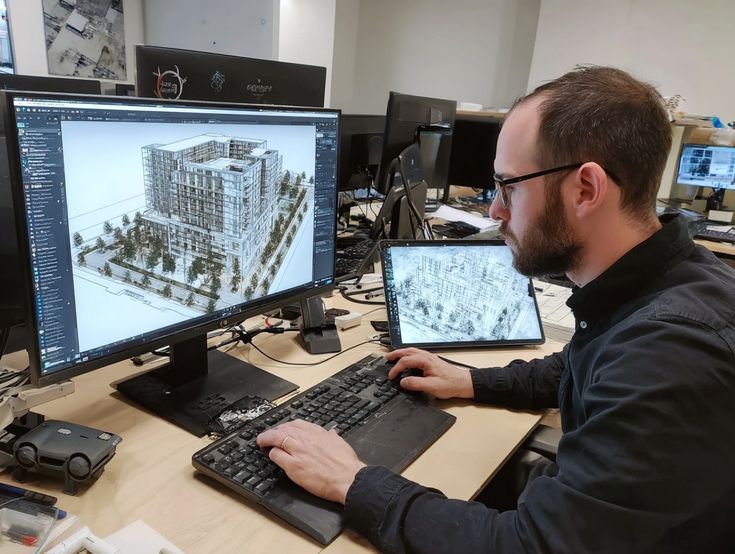
How the Role of Architects Is Changing
The traditional image of an architect drawing plans on paper has evolved dramatically.
Today’s architects may work in roles such as:
- BIM specialists managing complex building data
- Sustainability consultants optimizing environmental performance
- Urban designers shaping city-scale projects
- Computational designers exploring parametric systems
Architecture has become a multidisciplinary profession, opening more career paths than before.
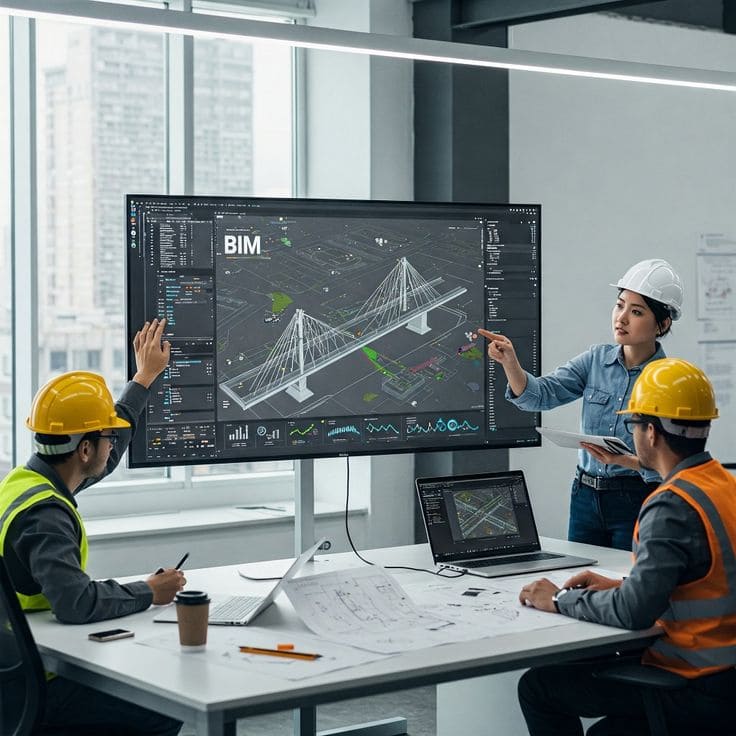
The Skills That Will Define Successful Architects
In 2026 and beyond, successful architects are not defined by degrees alone. They are defined by skills.
The most in-demand capabilities include:
- BIM software such as Revit
- Parametric tools like Grasshopper
- Sustainable design strategies
- Visualization and rendering
- Construction documentation
- Interdisciplinary collaboration
Students who develop these skills early often find stronger opportunities.
The Biggest Mistake Students Make
One common misconception is believing that an architecture degree alone guarantees a career.
In reality, firms today hire architects who demonstrate:
- Practical software expertise
- Clear portfolios
- Real-world understanding of construction
- Strong communication and collaboration skills
The difference between struggling graduates and thriving professionals is often skill development during or immediately after college.
So… Is Architecture Worth It?
The answer depends on expectations.
Architecture may not offer instant financial rewards like some technology sectors. But it offers something unique: the opportunity to shape environments that influence people’s lives for decades.
For those passionate about design, cities, sustainability, and problem-solving, architecture remains deeply fulfilling.
However, success today requires adaptability, curiosity, and continuous learning.
Preparing for the Future of Architecture
The future architect is not only a designer. They are also a technologist, strategist, and collaborator.
Students who invest time in learning emerging tools and professional workflows are better prepared for the evolving industry.
Programs that focus on practical software skills, BIM workflows, sustainability, and professional practice help bridge the gap between academic education and industry expectations.
How Kaarwan Supports Future Architects
At Kaarwan, the goal is to help architecture students and professionals develop the practical skills needed to thrive in today’s industry.
From BIM training and visualization workflows to sustainability-focused learning, Kaarwan’s programs are designed to complement academic education and prepare architects for real-world challenges.
If you are exploring the future of architecture, you may also find these topics useful:
- Why Learning Revit Before Graduation Changes Your Career Path
- Architecture Internships: What Firms Expect vs What Students Think
- AI in Architecture: What Will (and Won’t) Replace Architects
Final Thought
Architecture is still worth pursuing in 2026—but only for those willing to evolve with the profession.
The future belongs to architects who combine design thinking, technical expertise, and continuous learning.