

In today’s rapidly evolving design industry, the word “computational design” often sounds intimidating — like it belongs to coders, not architects. For many, it brings to mind complex algorithms, robotic fabrication, and digital perfection that feels far removed from the organic warmth of handmade architecture. But what if computation could, in fact, help us build closer to nature?
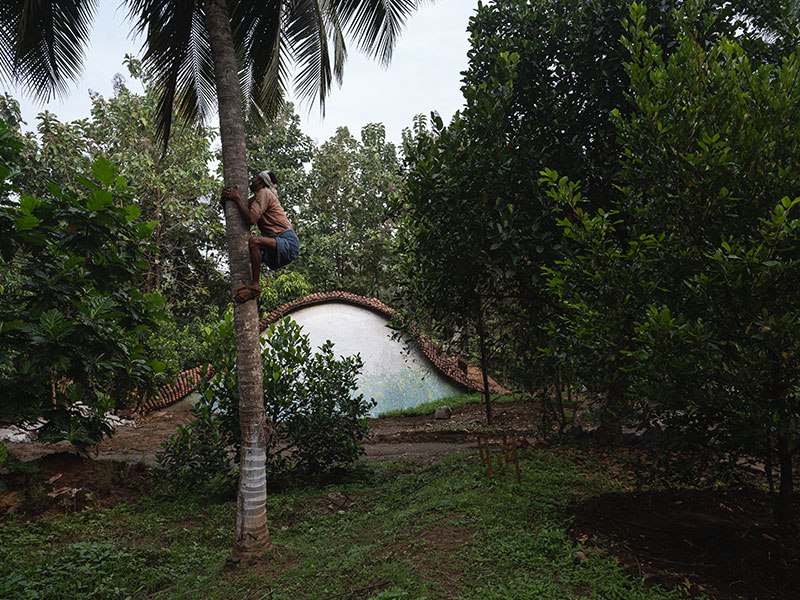
Image Source: Earthscape Studio
Understanding Computational Design
At its core, computational design isn’t about replacing creativity with code. It’s about using logic and parameters to extend the designer’s ability to think, model, and experiment. Using tools like Rhino and Grasshopper, architects can create design systems instead of static forms — systems that respond to site conditions, material behaviour, and climate performance.
In simpler terms, computational design allows architects to design by relationship rather than by repetition. Instead of manually drawing hundreds of variations, you define the rules once and let the computer generate adaptive options based on your intent.
It doesn’t take architects away from craft; it helps them understand craft more deeply through data.
In this blog, we’ll see how one Indian studio, Earthscape Studio, uses computational thinking to achieve precisely that balance. Their project, The Wendy House, is a testament to how technology and nature can coexist beautifully in architectural expression.
The Wendy House: Where Nature and Algorithm Meet
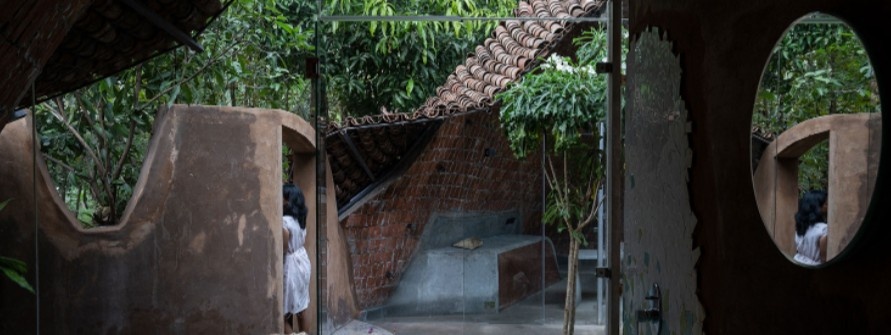
Set amidst the serene landscape of Tamil Nadu, The Wendy House by Earthscape Studio blurs the boundaries between built and unbuilt. The structure is not the product of high-end robotic fabrication, but of collaborative intelligence — where computation guided form, and local craftsmanship brought it to life.
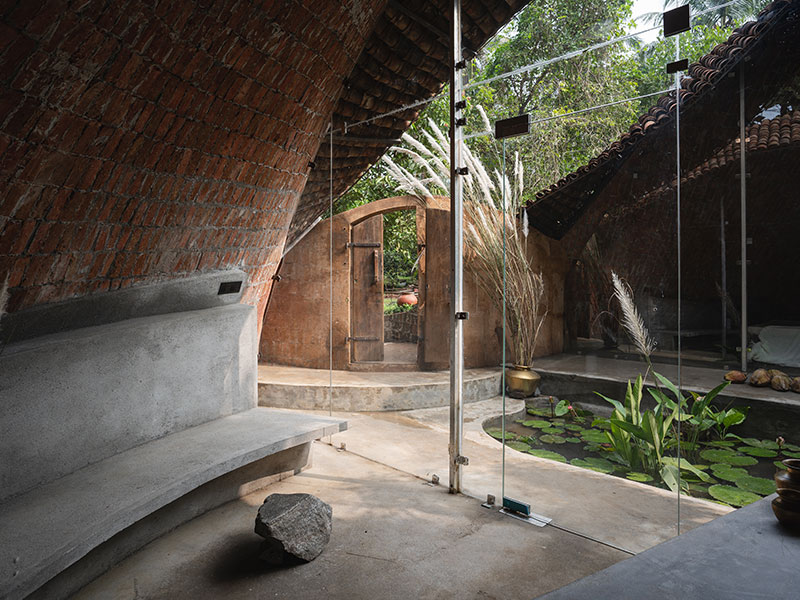
Image Source: Earthscape Studio
The architects began by exploring how natural light, ventilation, and human movement could influence the building’s geometry. Using parametric modelling in Rhino and Grasshopper, they simulated different roof profiles that allowed air to circulate efficiently while maintaining the tactile appeal of earth-based materials.
The outcome? A series of interlocking volumes shaped like flowing canopies, made possible by computational modelling — yet grounded in mud, bamboo, and hand-finished textures.
“We didn’t want to design a digital sculpture,” says the studio. “We wanted to design something that breathes — both digitally and naturally.”
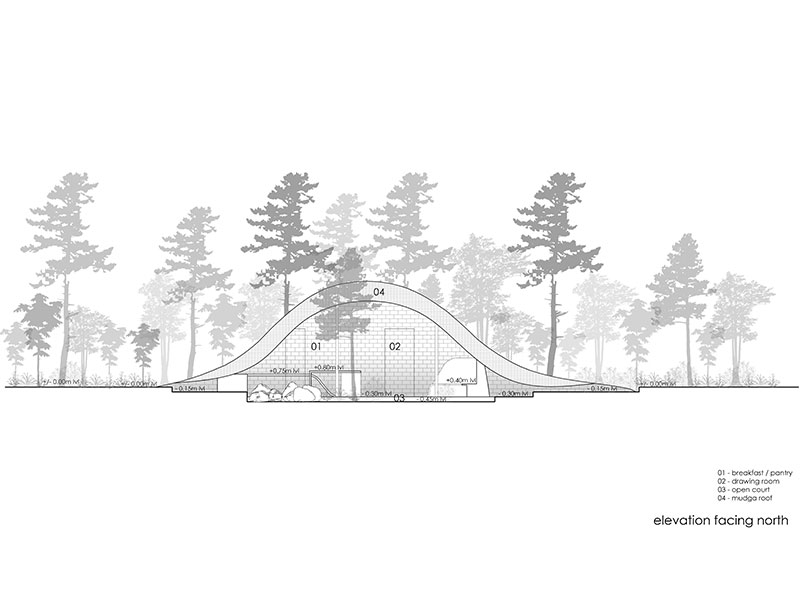
Image Source: Earthscape Studio
Computation as a Language of Sensitivity
What makes The Wendy House so compelling is not just its form, but its intent. Every curve was tested for climatic comfort, every surface for material efficiency. The team used computational tools not to aestheticise complexity but to simplify decisions — ensuring that natural materials performed optimally without waste.
This approach shifts the way we see computation. It’s not about glossy renders or futuristic aesthetics; it’s about precision in empathy — using digital logic to serve human comfort and environmental balance.
For students and professionals alike, that’s the real essence of computational design — a tool for clarity, not complexity.
Why Learning Computational Design Matters Today
Across the AECO industry, the demand for professionals who can blend design sensibility with digital intelligence is growing rapidly. Firms like Earthscape Studio, The Purple Ink Studio, Ant Studio, Abin Design Studio, and Make Space Architects are leading this movement — using tools like Rhino, Grasshopper, and Revit to prototype, simulate, and realise projects that are both sustainable and expressive.
Whether it’s designing a bamboo shell that responds to wind flow or optimising a façade for daylight, computation enables thinking architects to build smarter, lighter, and greener.
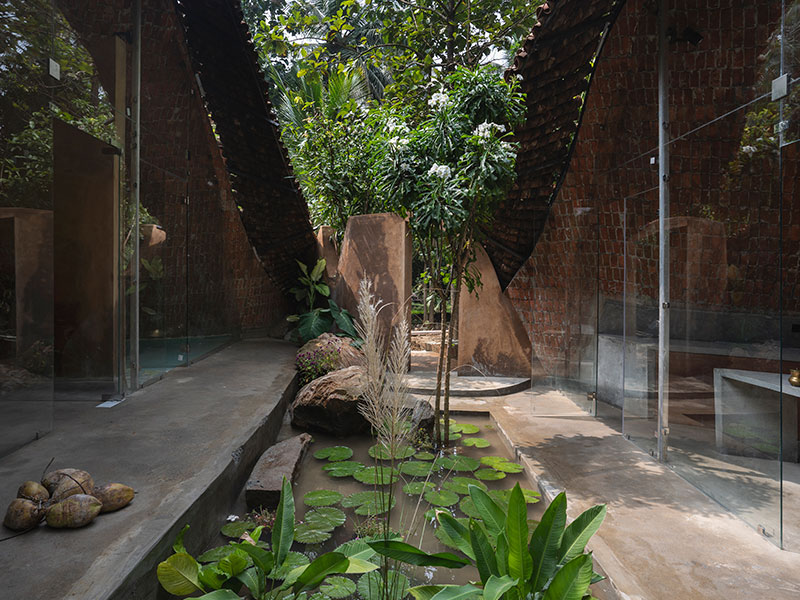
Image Source: Earthscape Studio
For the Architect Who Loves Nature and Curiosity
If you’ve ever wondered whether learning computational design would distance you from the tactile charm of architecture. The Wendy House is your answer. The project shows that computation, when used with sensitivity, doesn’t strip away soul; it amplifies it. It gives designers a new medium to translate their respect for climate, materials, and people into measurable and buildable outcomes.
“Learning computational design doesn’t make you less human. It helps your designs become more alive.”
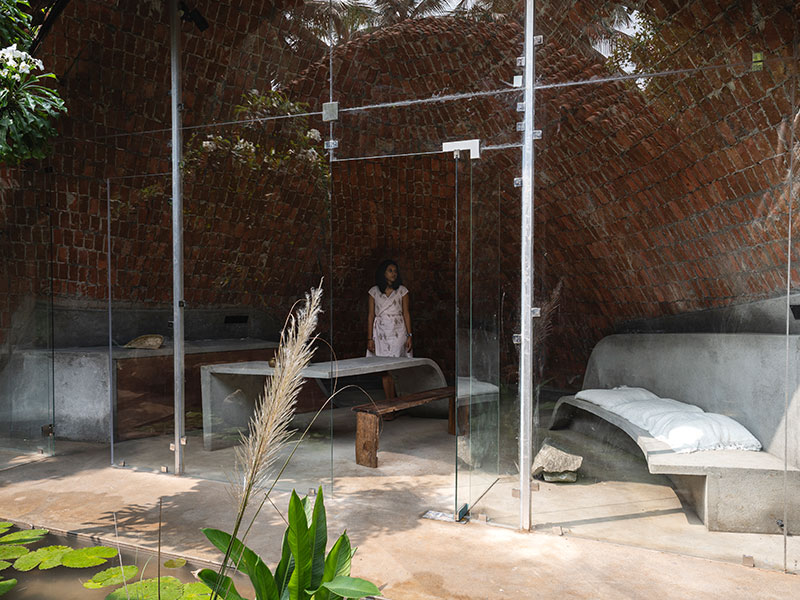
Image Source: Earthscape Studio
The Wendy House, by Earthscape Studio, matters because it redefines experimentation in architecture. It shows that innovation doesn’t always come from new materials or large budgets, but from curiosity, iterative design, and the courage to let computation enhance craftsmanship.
Wendy House Project Casestudy demonstrates that:
- Computational tools are not replacements for creativity; they amplify it.
- Material intelligence and digital logic can co-evolve.
- Sustainable design begins with understanding context, geometry, and craft together.
Ready to Explore Parametric Thinking?
For architects, designers, and engineers curious to explore this field, Kaarwan offers two hands-on learning paths:
- 1-Day Masterclass on Parametric Modelling in Rhino for Designers – an introduction to how parameters shape form.
- 8-Week Advanced Rhino & Grasshopper Certification with Job Support – designed to help professionals master computational workflows and gain project-ready skills.
These courses are built to help you not just use tools, but to think computationally, the same way studios like Earthscape are shaping the future of natural, sensitive, and efficient architecture.
FAQs
What is unique about The Wendy House by Earthscape Studio?
It seamlessly merges parametric design with handcrafted material assembly, exploring geometry, light, and context.
Do I need advanced coding skills to explore computational design?
Not at all. Visual scripting in Grasshopper allows architects and designers to experiment without deep coding knowledge.
How can parametric design improve sustainability?
It enables form optimisation, material efficiency, and environmental responsiveness — reducing waste while improving performance.
Which software do I need to begin exploring computational design?
Rhino and Grasshopper are the primary tools used by most innovative design studios in India and globally.
Where can I learn these skills?
Kaarwan offers two pathways:
- A 1-day Parametric Modelling in Rhino for Designers to get started.
- An 8-week Advanced Rhino & Grasshopper Certification with Job Support for professionals seeking career-oriented mastery.


.png)