If you're an architecture student or professional, you've probably heard of Grasshopper software—the powerful parametric design tool used within Rhino 3D. As computational design becomes increasingly important in architecture, many professionals wonder: Is Grasshopper certification worth it? Does it add real value to your career, or is it just another shiny credential?
I’ve been down this road myself, weighing the pros and cons of Grasshopper training and certification. In this blog, I’ll break it all down for you—what the certification entails, its benefits, drawbacks, and whether it truly enhances your career prospects.

Image Credit: SKyCIv
What is Grasshopper Software?
Before jumping into certifications, let's quickly go over what Grasshopper software is and why it's so popular.
Grasshopper is a visual programming language that runs inside Rhinoceros (Rhino) 3D, allowing architects and designers to create complex, parametric models without needing traditional coding skills. With Grasshopper, you can:
- Automate repetitive modeling tasks
- Create complex geometric forms
- Experiment with generative design
- Optimize structures and environmental performance
This ability to create intricate parametric designs is why Grasshopper training is in high demand among architects, computational designers, and students looking to stand out.
What is Grasshopper Certification?
Grasshopper certification is an official credential offered by various organizations and training providers. The most recognized certifications usually come from:
- McNeel (Developers of Rhino & Grasshopper)
- Authorized training centers offering structured courses
- Online platforms like Coursera, Udemy, or LinkedIn Learning
What Does the Certification Process Involve?
Depending on the provider, the certification process typically involves:
- Completing a training course – Covers the fundamentals to advanced techniques in Grasshopper software.
- Hands-on projects – Applying parametric design concepts to real-world problems.
- Final assessment or exam – Testing your ability to use Grasshopper software effectively.
Benefits of Getting Grasshopper Certified
Now, let's get into whether Grasshopper certification is worth it for you.
1. Enhances Your Resume & Job Prospects
Many firms in architecture, computational design, and urban planning look for professionals with Grasshopper training. A certification can:
- Prove your proficiency to employers
- Help you land roles in parametric design, computational architecture, and digital fabrication
- Set you apart from candidates without certification
2. Helps You Master Parametric Design
Even if you're already using Grasshopper software, structured Grasshopper training can help you:
- Improve your workflow efficiency
- Learn advanced parametric modeling techniques
- Explore generative and algorithmic design
3. Increases Project Efficiency
One of the biggest benefits of Grasshopper software is automation. Mastering it allows you to:
- Speed up design iterations
- Reduce manual work and errors
- Create adaptable and optimized structures
4. Opens Doors to Advanced Computational Design Roles
Parametric and computational design are rapidly growing fields. Industries like architecture, product design, and urban planning are constantly looking for specialists who can handle complex geometries efficiently.
If you’re aiming for roles like computational designer, digital fabrication expert, or environmental analyst, Grasshopper expertise is crucial.
5. Connects You to a Strong Community
Getting certified often means access to a network of experts and peers, which can be beneficial for learning and career growth.
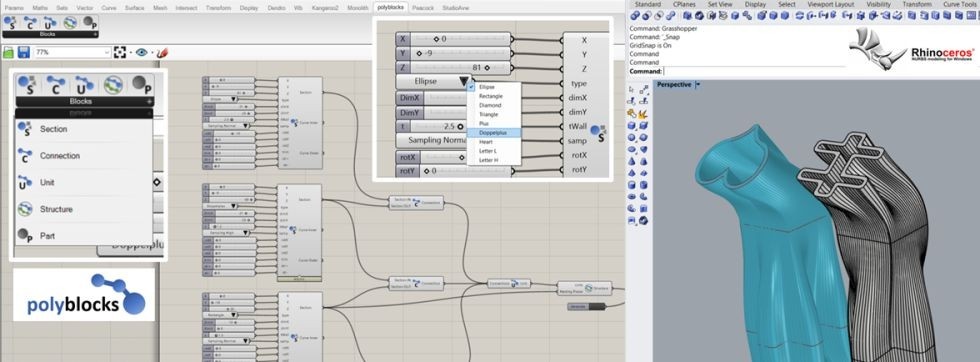
Image credit: Polyblocks
Potential Drawbacks of Grasshopper Certification
While Grasshopper training has clear benefits, there are some downsides:
1. Not All Certifications Are Equal
Some online courses offer certificates, but not all are recognized by the industry. Before investing, check if your chosen course is backed by a reputable organization.
2. Can Be Expensive
High-quality training programs from McNeel or authorized centers can be pricey. If you’re on a budget, free or low-cost alternatives like YouTube tutorials might be a better option initially.
3. Learning by Practice May Be More Effective
Some people find that hands-on practice with real projects teaches them more than structured training. If you're a self-learner, you may not need certification to get proficient.
Who Should Get Grasshopper Certification?
Here’s who might benefit most from Grasshopper certification:
✅ Architecture students who want to build a strong parametric design foundation
✅ Professionals looking to advance into computational design roles
✅ Freelancers and consultants aiming to showcase expertise to clients
✅ Designers working in digital fabrication, furniture design, or industrial design
However, if you already have strong Grasshopper software skills and a portfolio to prove it, certification may not add much extra value.
Alternatives to Certification
If you're not convinced about formal certification, here are some alternatives:
- Self-paced learning – Use YouTube, forums, and online communities to learn.
- Join Grasshopper forums – Engage with experts and ask questions.
- Work on real projects – Showcase your skills in an online portfolio.
- Take free/affordable courses – Platforms like Udemy, Coursera, or ThinkParametric offer budget-friendly options.
Conclusion: Is Grasshopper Certification Worth It?
So, is Grasshopper certification worth it? It depends on your career goals, learning style, and budget. If you're an architecture student or professional looking to boost job opportunities, a certification can be valuable. However, if you're already skilled in Grasshopper software, a strong portfolio might be just as effective.
If you're serious about computational design, consider investing in an advanced course in parametric and generative design to take your skills even further.
Visit our website Kaarwan for more!
FAQs
1. Is Grasshopper certification necessary for a job?
No, but it can enhance your resume, especially for parametric design roles.
2. How long does it take to learn Grasshopper software?
It depends on prior experience, but most people take 2-3 months to gain proficiency.
3. Which is the best Grasshopper certification course?
Look for Kaarwan’s Advanced Course for Rhino & Grasshopper.
4. Can I learn Grasshopper without certification?
Yes! There are plenty of free online resources and community forums to learn from.
5. Is Grasshopper software difficult to learn?
Not necessarily. The visual programming interface makes it easier than traditional coding but requires practice.
Cover Image Credit: parametric-architecture.com