

In today’s construction ecosystem, data is the new blueprint. Before a single line is drawn on-site, countless drawings, models, and revisions are exchanged between architects, engineers, contractors, and clients. Yet, without a structured system, even the best-intentioned teams drown in file chaos.
That’s where the Common Data Environment (CDE) — a core principle defined by ISO 19650 — comes in.
It’s not just a storage space. It’s the digital “control room” of a BIM project.
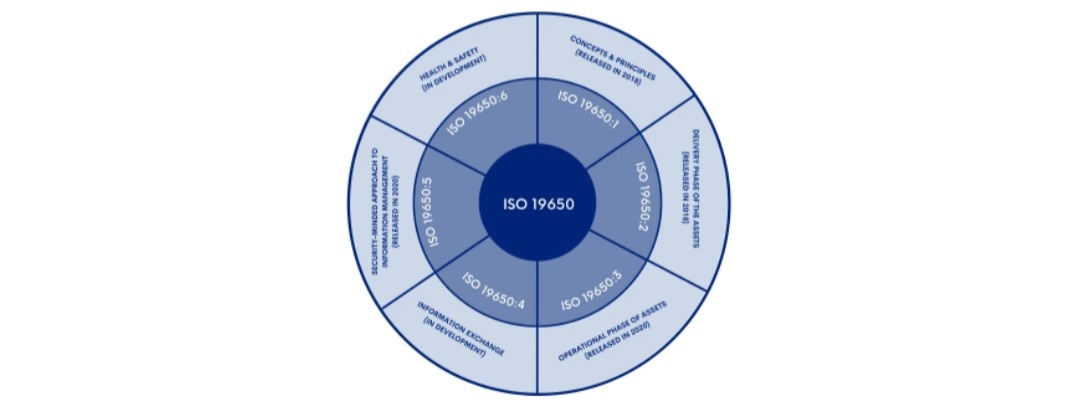
What Is ISO 19650?
Think of ISO 19650 as the rulebook for managing information throughout the life of a built asset — from concept to demolition.
It’s an international standard developed to bring clarity, consistency, and collaboration to the construction industry by outlining how information should be created, shared, and maintained in BIM-enabled workflows.
Simply put, ISO 19650 ensures everyone on a project speaks the same digital language.
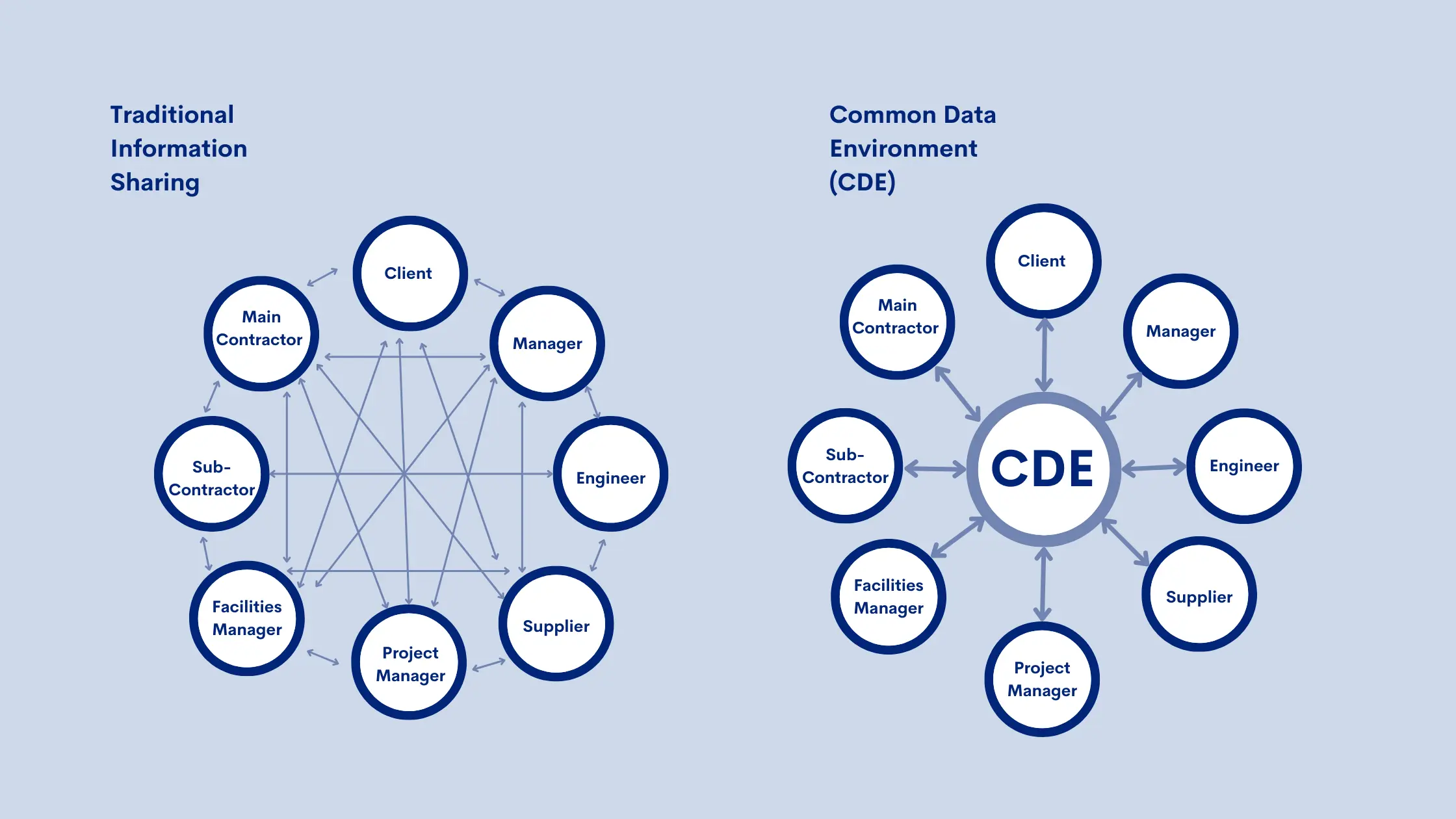
Image Source: Desapex
So, What Exactly Is a Common Data Environment (CDE)?
A CDE is a shared digital platform where all project information — from drawings and 3D models to RFIs and change requests — is stored, updated, and reviewed.
But it’s more than Google Drive or Dropbox. The CDE adds a structured workflow, where data passes through defined stages:
- Work in Progress (WIP): Each discipline works independently on its model or drawings.
- Shared: Files are reviewed and shared for coordination among teams.
- Published: The verified information is approved for construction or tender.
- Archived: The final stage, where all records are securely stored for future reference.
This systematic flow avoids confusion, version conflicts, and data loss — a recurring pain point in traditional project management.
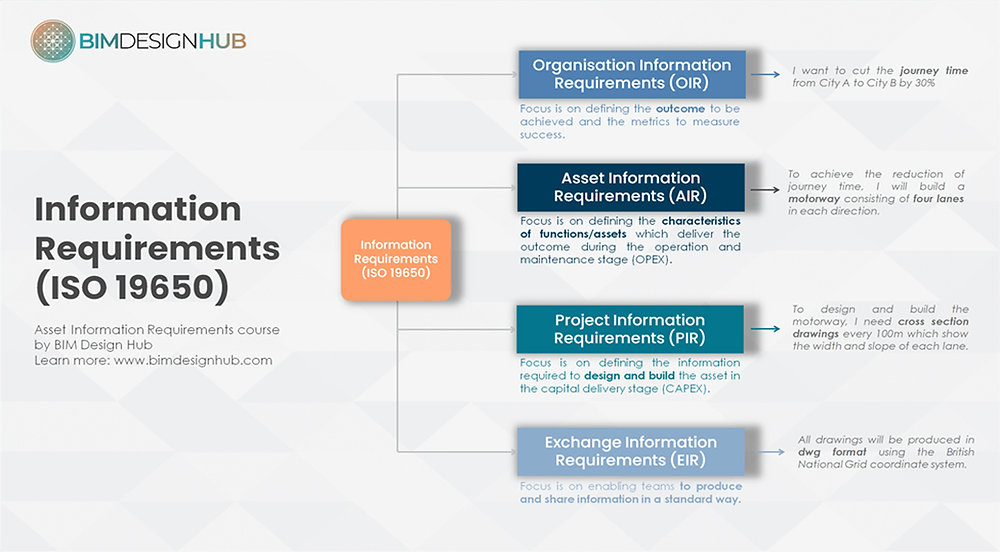
Image Source: Breakwithanarchtiect
Why Is the CDE So Important in BIM Workflows?
In a BIM project, data is constantly evolving. Without centralised control, even small changes can snowball into costly rework. The CDE ensures:
- Single Source of Truth: Everyone works from the same verified dataset.
- Accountability: Every file has a traceable history of who uploaded, modified, or approved it.
- Efficiency: Reduced duplication and rework by synchronising models across disciplines.
- Transparency: All stakeholders — from architects to contractors — have controlled access to information.
In short, the CDE ensures your project information is not just available, but trustworthy.

Image Source: Desapex
How ISO 19650 Shapes the Way Teams Use the CDE
The ISO 19650 standard guides how a CDE is set up and maintained. It defines clear roles and responsibilities for each participant, ensuring:
- The right people have the right access at the right time.
- Version control is maintained across all deliverables.
- Data security and integrity are prioritised.
When followed correctly, ISO 19650 allows seamless collaboration even across international teams working on complex infrastructure projects.
Examples of CDE Platforms in the Industry
Real-world tools that support CDE workflows include:
- Autodesk BIM 360 (now Autodesk Docs)
- Bentley ProjectWise
- Trimble Connect
- Revizto
Each platform embodies ISO 19650 principles — offering a secure, centralised, and collaborative environment for BIM data.
What Every AECO Professional Should Learn About the CDE
Whether you’re an architect submitting a Revit model, a civil engineer analysing quantities, or a project manager tracking updates, understanding CDE protocols is now an essential skill.
With governments and private firms increasingly demanding ISO 19650-compliant BIM deliverables, professionals who understand information management and collaboration workflows are more valuable than ever.
Ready to Understand BIM Beyond Software?
At Kaarwan, we go beyond just tools — we help you understand the workflow that drives them. Our Professional BIM Certification Program for Architects and Civil Engineers teaches how standards like ISO 19650, LOD, and data coordination shape real-world BIM execution.
To date, Kaarwan has empowered over 44,600 AECO professionals through short-term masterclasses and full-length certification programs that bring clarity, not confusion, to complex workflows.
FAQs
Q1. What is the Common Data Environment in BIM?
It’s a shared digital space where all project data is managed, shared, and updated collaboratively throughout the project lifecycle.
Q2. Why is ISO 19650 important for BIM projects?
It standardises how information is managed, ensuring consistency, efficiency, and collaboration across project teams.
Q3. What are examples of CDE platforms?
Autodesk Docs, Bentley ProjectWise, Trimble Connect, and Revizto are popular ISO 19650–aligned tools.
Q4. Who should learn about ISO 19650 and CDE?
Architects, engineers, BIM coordinators, and project managers — anyone involved in design and construction data workflows.
Q5. Does Kaarwan teach ISO 19650 workflows?
Yes, ISO 19650 principles and CDE management are key parts of Kaarwan’s Professional BIM Certification Courses for both architects and civil engineers.




.png)