Japanese Design Principles: Lessons Architects Still Learn From
Where simplicity, nature, and mindfulness shape space.
Japanese architecture and design have influenced architects around the world for decades. Known for its quiet elegance and thoughtful simplicity, Japanese design focuses on creating harmony between people, materials, and nature.
Rather than relying on ornamentation, Japanese design principles emphasize restraint, balance, and meaningful spatial experiences. These ideas continue to inspire contemporary architecture, interior design, and urban environments.
Let’s explore some of the most important Japanese design principles that architects still learn from today.
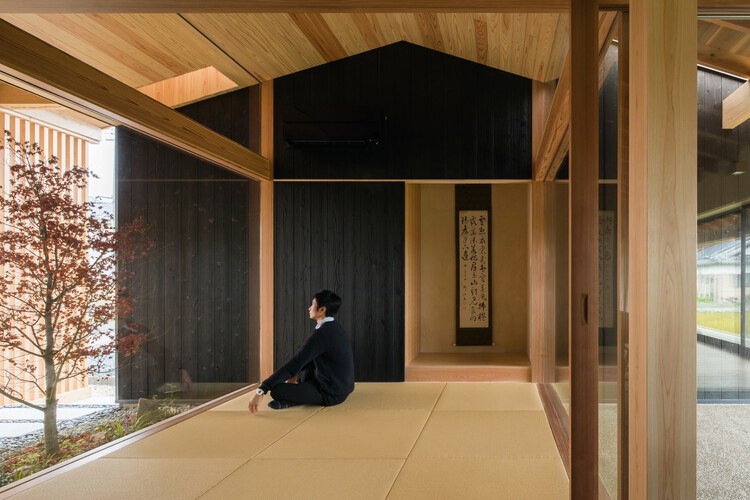
1. Wabi-Sabi: Beauty in Imperfection
Wabi-Sabi is one of the most well-known Japanese aesthetic philosophies. It celebrates the beauty of imperfection, aging, and natural wear.
In architecture, this principle encourages designers to embrace natural textures and materials rather than hiding them.
Common applications include:
- Exposed wood grain
- Weathered stone surfaces
- Handmade ceramics
- Subtle irregularities in materials
Wabi-Sabi reminds architects that perfection is not always the goal—authenticity is.
2. Ma: The Power of Empty Space
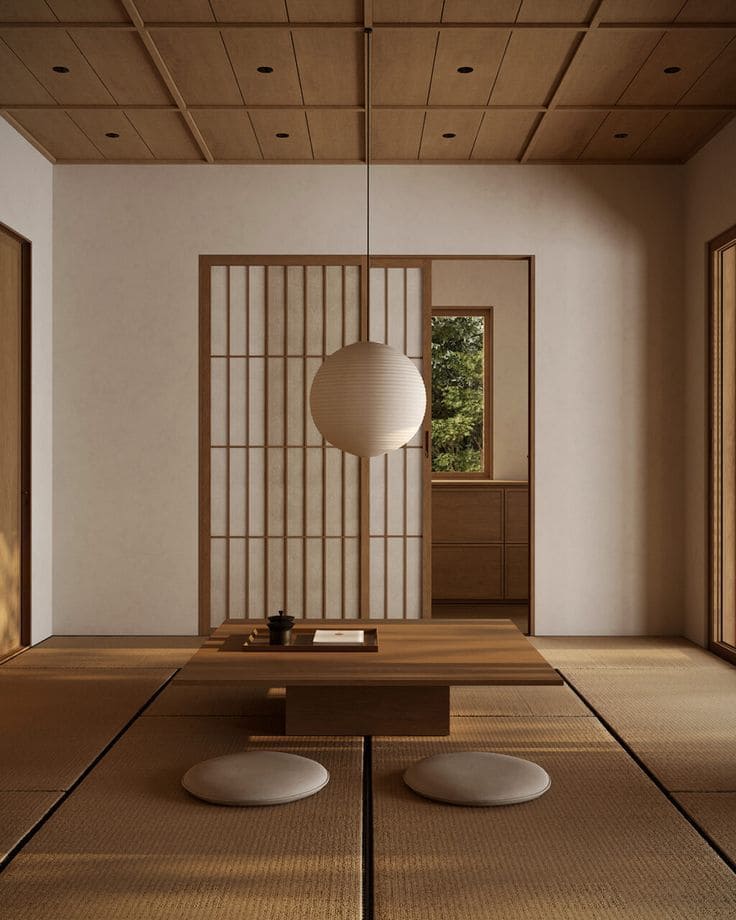
“Ma” refers to the intentional use of empty space. In Japanese design, emptiness is not considered wasted space but an essential part of spatial composition.
Architects use “Ma” to create breathing room within a design, allowing occupants to experience calm and clarity.
Examples include:
- Minimal interiors with fewer objects
- Spacious circulation areas
- Carefully balanced proportions between built and unbuilt space
This principle teaches designers that space is as important as form.
3. Shizen: Naturalness
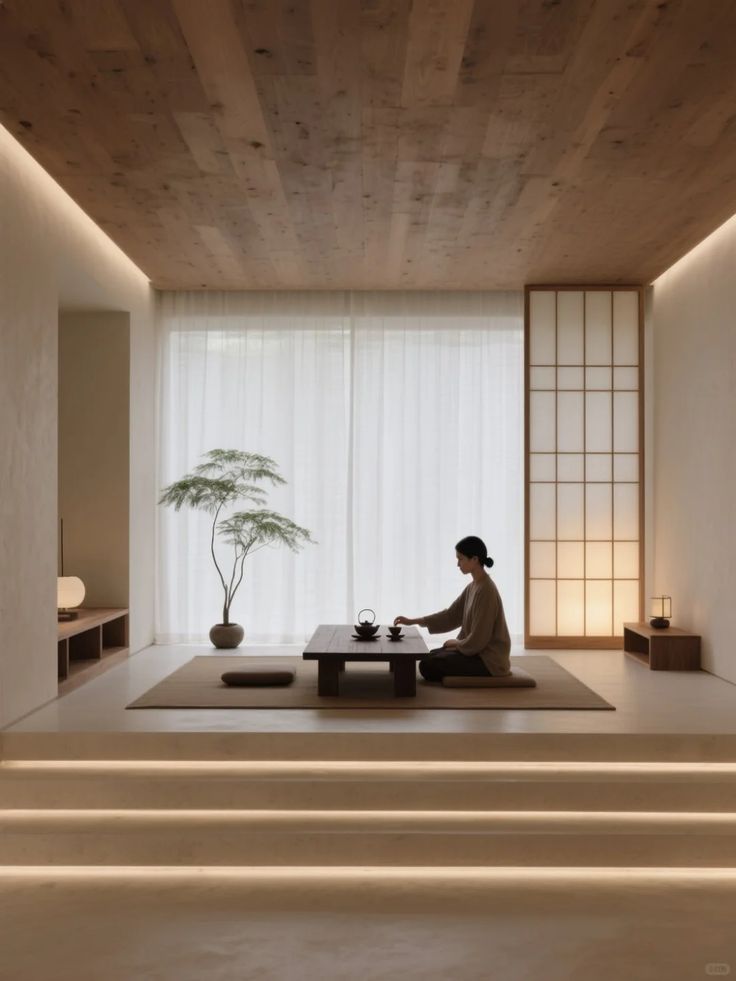
Shizen emphasizes a harmonious relationship with nature. Instead of dominating the landscape, architecture should feel like a natural extension of it.
This principle influences:
- Natural material selection
- Open connections between interior and exterior
- Views toward gardens or landscapes
- Daylight-oriented design
Modern sustainable architecture often draws inspiration from this philosophy.
4. Kanso: Simplicity
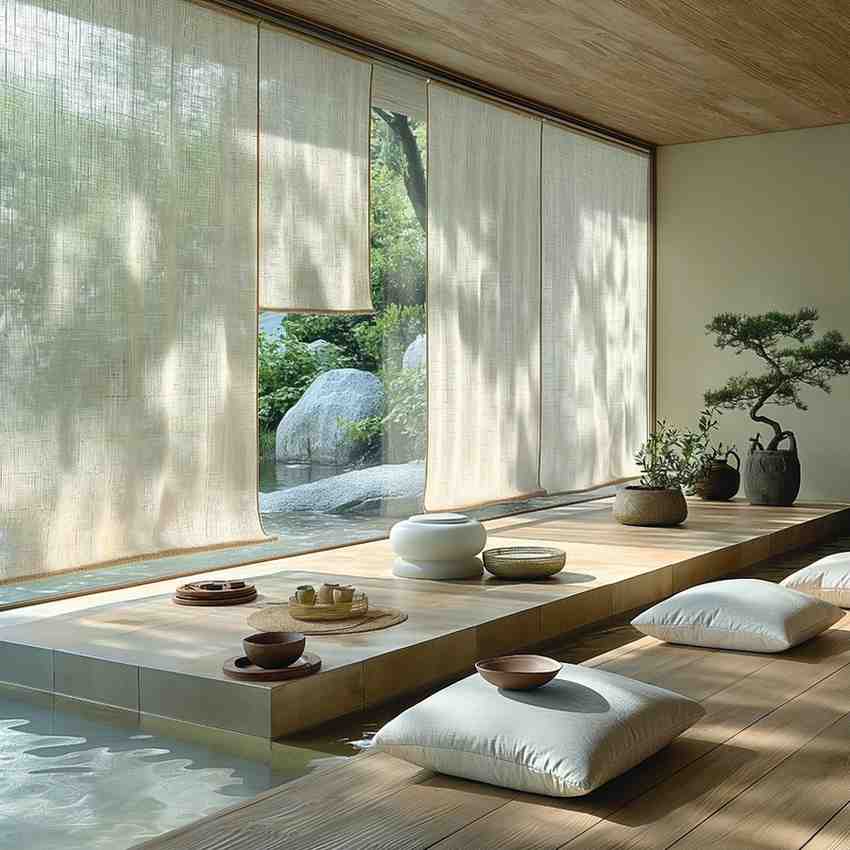
Kanso promotes clarity and simplicity in design. It encourages removing unnecessary elements so that only essential components remain.
In architecture, this results in:
- Clean lines
- Minimal decoration
- Calm color palettes
- Functional spatial layouts
The goal is to create environments that feel peaceful and uncluttered.
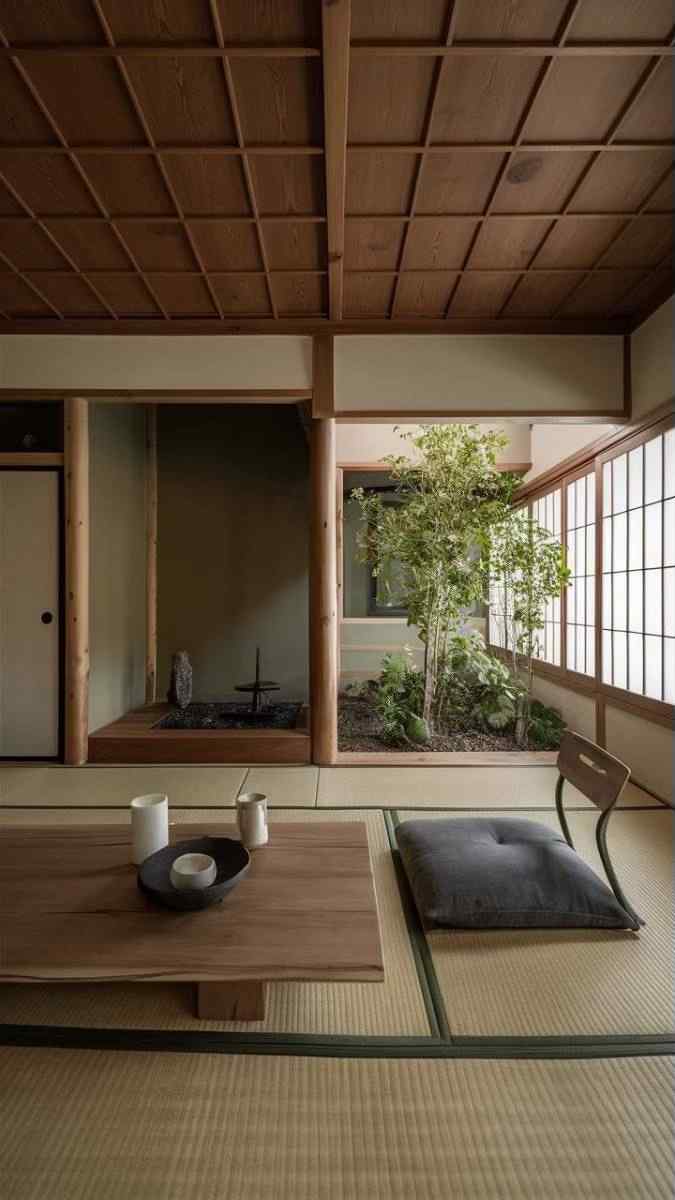
5. Engawa: The Threshold Between Inside and Outside
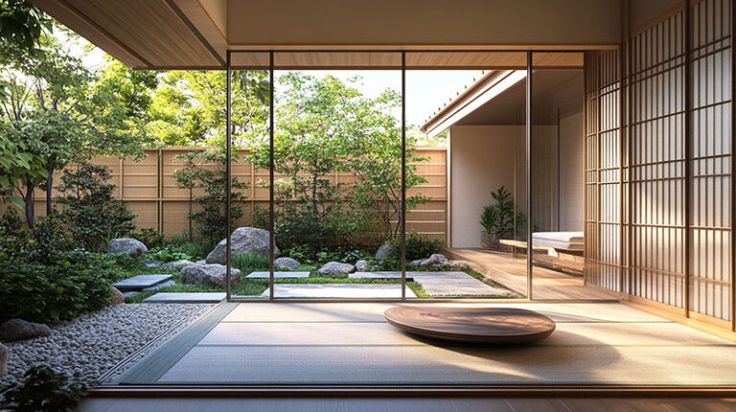
Engawa refers to the transitional space between interior rooms and the exterior landscape, often seen as a wooden veranda around traditional Japanese homes.
This space serves multiple purposes:
- Circulation
- Relaxation
- Visual connection to nature
- Climatic buffer between indoors and outdoors
Modern architecture often interprets this idea through terraces, verandas, and shaded walkways.
6. Shoji: Flexible and Light-Filtering Spaces
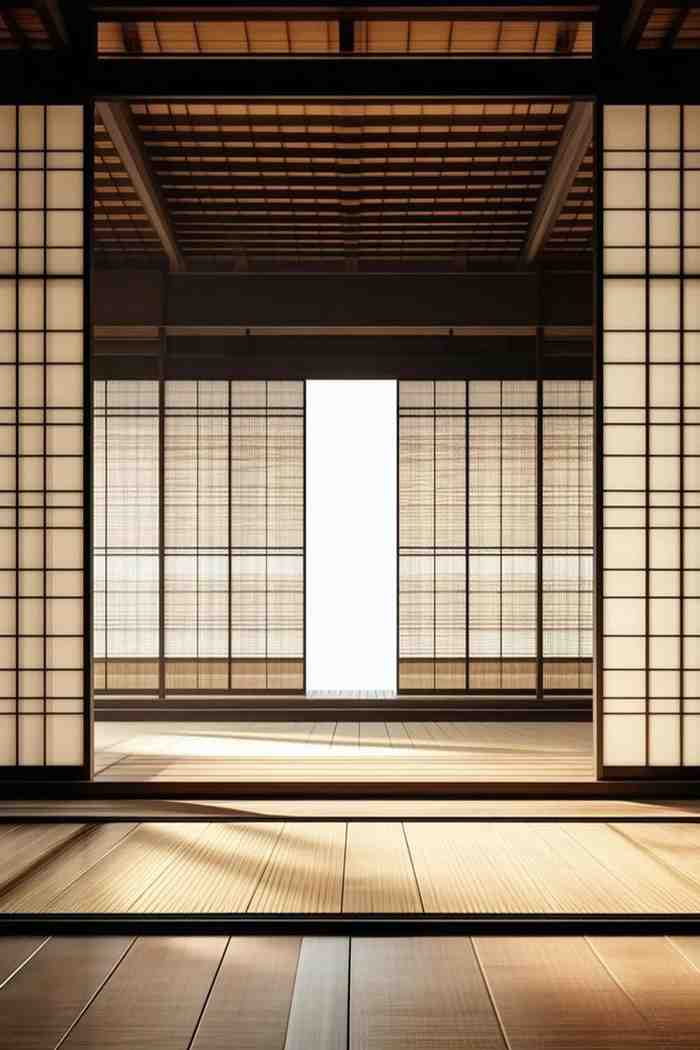
Shoji screens are sliding panels made with wooden frames and translucent paper. They allow light to diffuse softly while maintaining privacy.
Their flexibility enables spaces to transform easily, supporting multi-functional living environments.
Architectural lessons from Shoji include:
- Flexible spatial planning
- Diffused natural lighting
- Lightweight partition systems
Why Japanese Design Still Influences Modern Architecture
Japanese design principles align closely with contemporary architectural priorities such as:
- Minimalism
- Sustainability
- Human-centered design
- Nature integration
- Flexible living spaces
Many architects today reinterpret these ideas in modern materials and construction methods while preserving their philosophical essence.
Lessons Architecture Students Can Take From Japanese Design
Japanese architecture teaches that good design is not always about complexity. Often, it is about clarity and intention.
Key takeaways include:
- Let materials express their natural character
- Create space for calm and reflection
- Connect architecture with nature
- Design with restraint rather than excess
These principles can improve both small interior projects and large architectural developments.
Learning Design Thinking with Kaarwan
Understanding global design philosophies is an important part of architectural education. At Kaarwan, students explore design principles, materials, and digital tools that shape contemporary architecture practice.
You may also enjoy exploring these related topics:
- Shape Psychology in Architecture
- Design Principles Every Architect Uses
- Architectural Rendering Mistakes Every Beginner Makes
Final Thought
Japanese design reminds architects that powerful spaces are not created through excess, but through thoughtful balance between form, light, material, and nature.
Sometimes, the most meaningful architecture is the one that quietly allows people to breathe.