Jobs in Architecture That Sound Fake — But Are Totally Real
They Sound Made-Up, But They're Actually Someone’s LinkedIn Title
Architecture isn't just about drawing plans or designing facades anymore. With technology evolving and design becoming more human-centric, some surprising job titles have emerged in the field — and no, they're not sci-fi roles (yet).
Here’s a list of real architectural jobs that sound too quirky to be true, but totally exist.
1. Façade Lighting Consultant
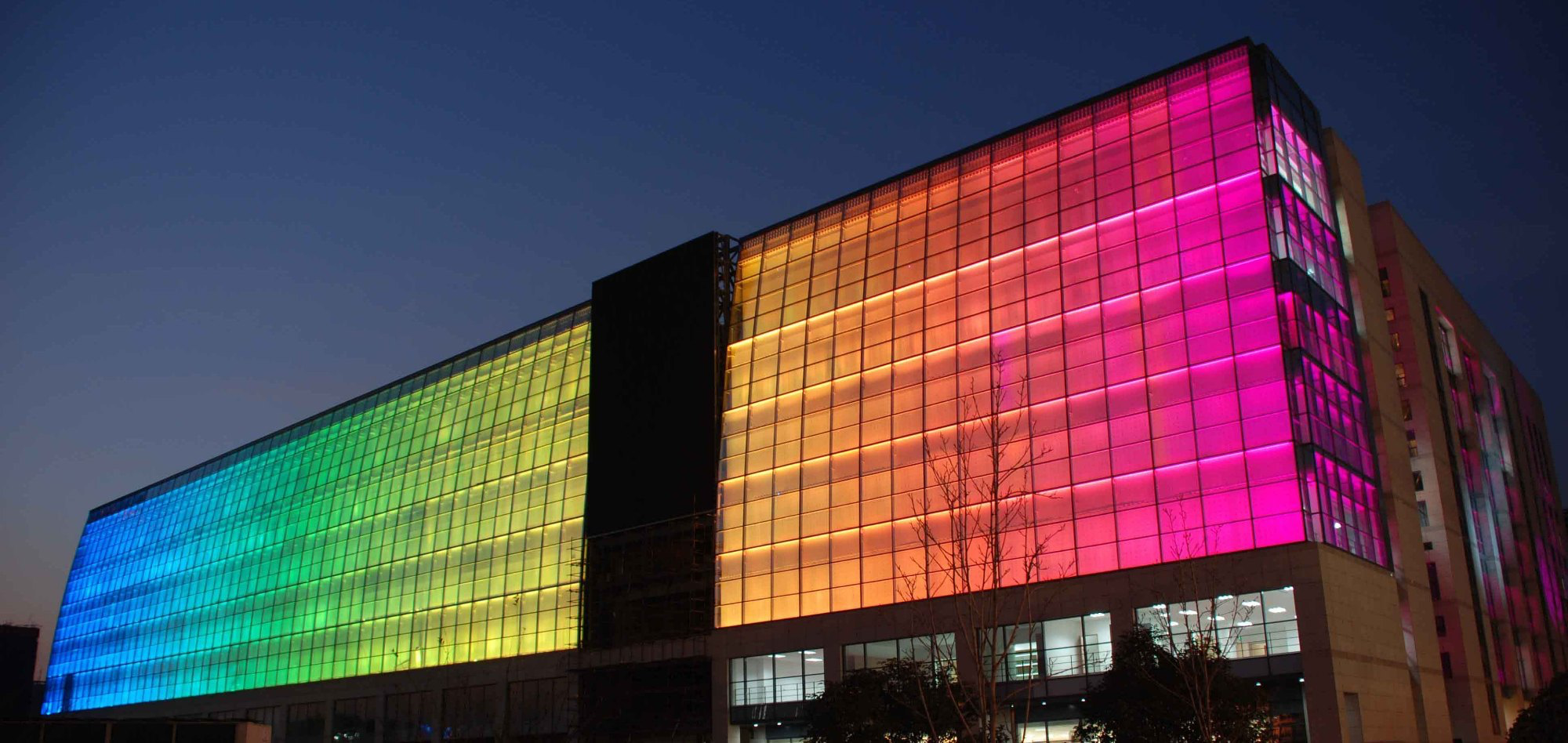
Sounds like: A vibe curator for buildings. | Actually: They design how artificial and natural light interacts with a building's exterior — balancing aesthetics, visibility, energy efficiency, and local regulations. Why it matters: It can make or break how a building looks at night. (Think Burj Khalifa or Louvre Abu Dhabi.)
2. BIM Execution Strategist
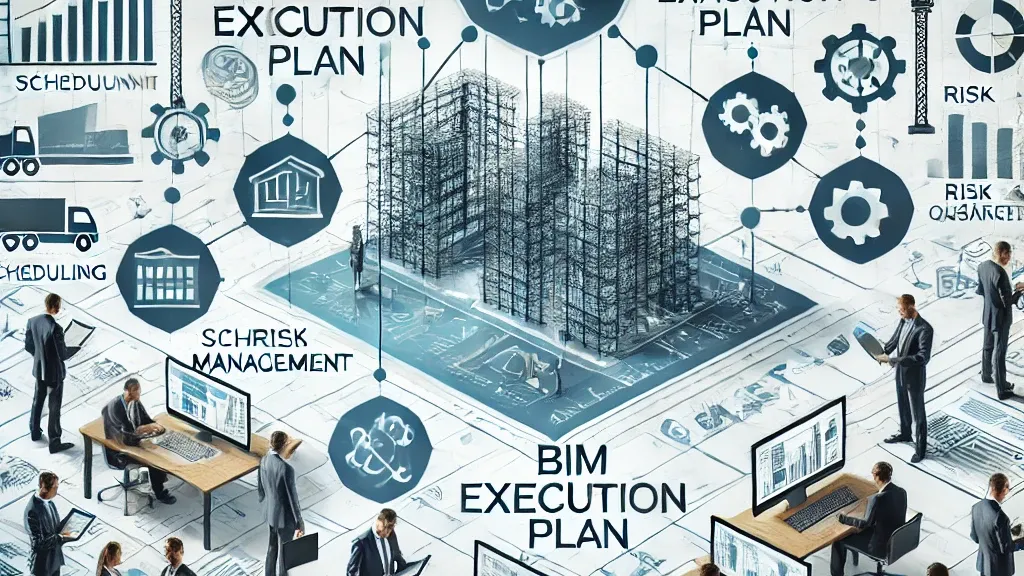
Sounds like: Someone plotting Revit world domination. | Actually: This expert manages Building Information Modeling workflows to ensure all teams — architecture, structure, MEP — stay synced in 3D modeling and data sharing. Why it matters: Precision and coordination across large-scale projects rely on this role.
3. Vertical Transportation Planner
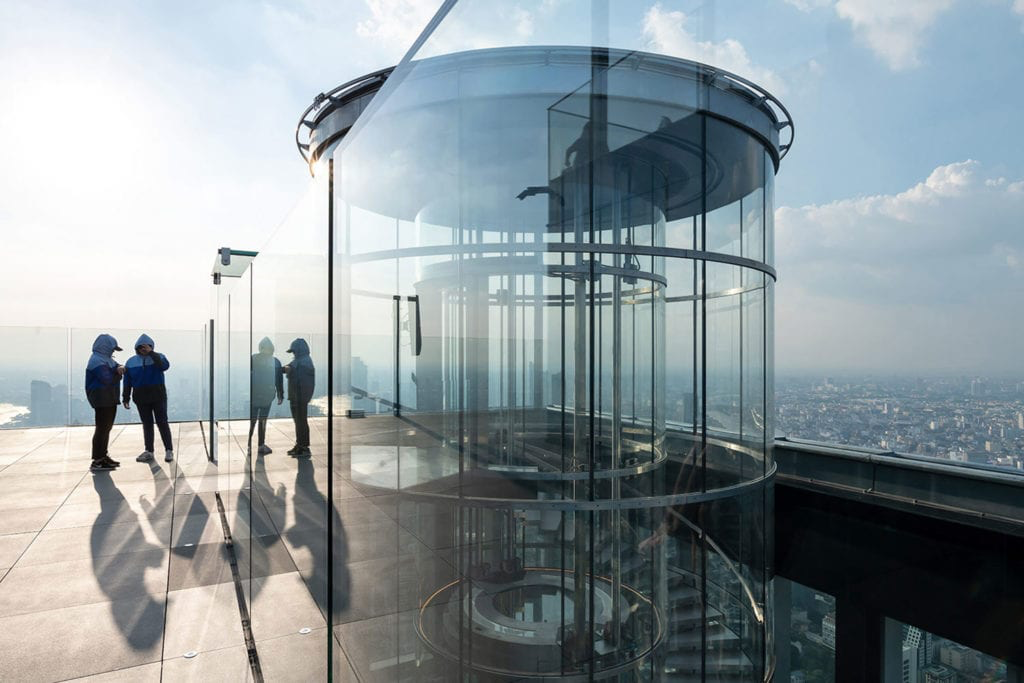
Sounds like: An elevator influencer. | Actually: This planner designs how people will move vertically through skyscrapers using elevators, escalators, and lifts — optimising traffic flow and wait times. Why it matters: Crucial for tall buildings, where poor lift planning leads to chaos.
4. Sensory Experience Designer

Sounds like: A spa consultant. | Actually: This role shapes how users feel a space — through texture, sound, smell, temperature, and lighting. Often found in museums, hospitality, or wellness architecture. Why it matters: Design isn’t just visual — it’s a full-body experience.
Explore Other Niches at Your Own Pace — a Smart, Low-Commitment Way to Discover What Clicks for You.
🧠 Final Thought
The architecture field is expanding in every direction — from the deeply technical to the emotionally intuitive. These unconventional jobs are proof that the profession is evolving fast and far beyond traditional site visits and blueprints.
🧲 What’s Your Take?
Which role surprised you the most?