Kinetic Architecture: When Buildings Start to Move!
by Kaarwan.com. – Where architects learn what the future looks like.
What is Kinetic Architecture?
Kinetic architecture refers to buildings that move — literally. Unlike static buildings, these adapt and transform physically to respond to external forces like sun, wind, temperature, or user activity.
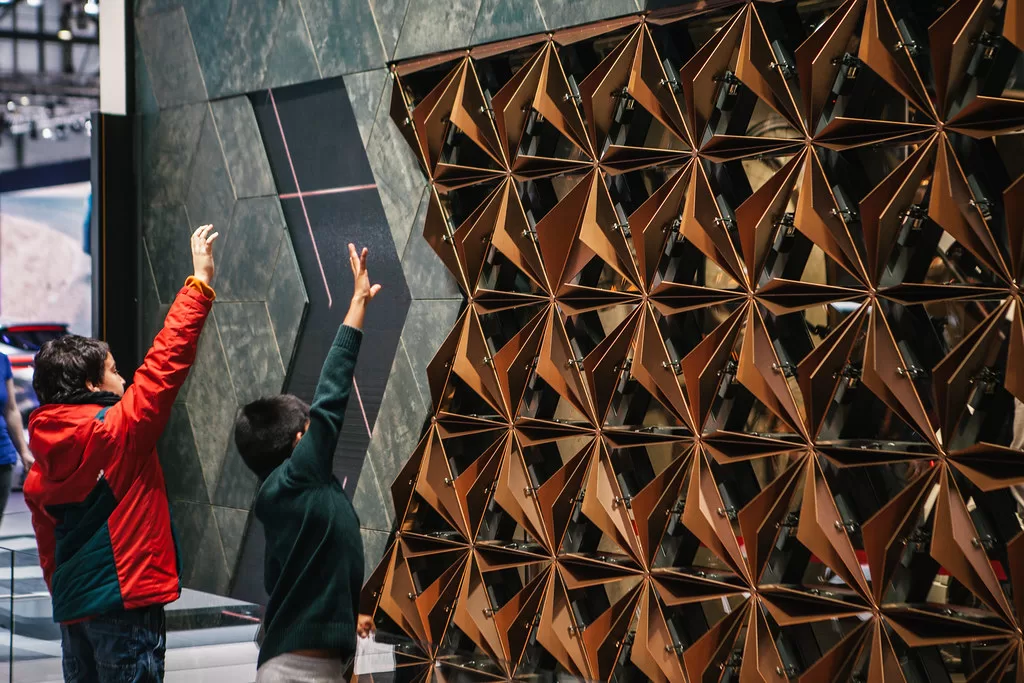
Think: facades that breathe, roofs that open, and sun-shields that follow the sun.
Why Does It Matter?
Modern buildings are expected to do more than just stand there. Kinetic systems allow structures to be energy-efficient, user-responsive, and climatically smart, without compromising on aesthetics.
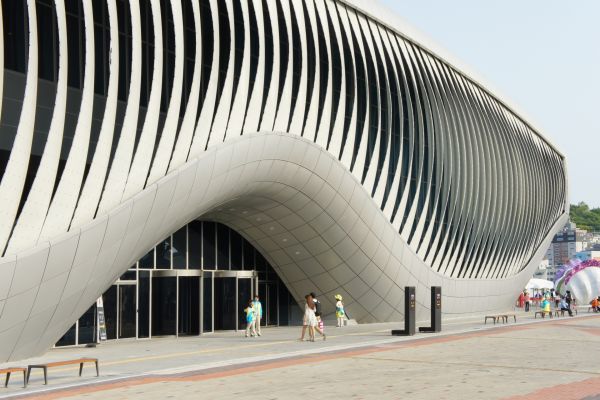
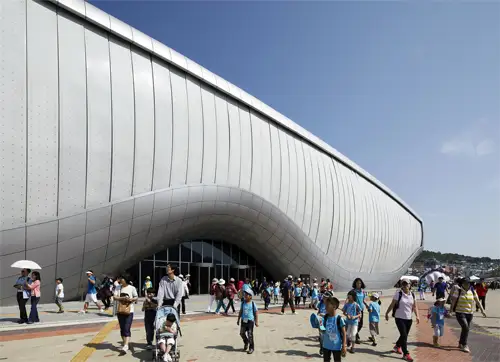
Key Benefits You Should Know:
- Optimal Indoor Climate: Moving facades adjust to heat, wind, or sunlight — reducing the need for artificial heating/cooling.
- Smart Building Skins: Rotating fins and flaps react to daylight and wind, making the structure intelligent and alive.
- From Static to Organic: Motion gives buildings life. Just like the Mercedes-Benz Stadium’s massive retractable roof.
- Cost & Energy Savings: Less reliance on mechanical HVAC = lower bills + better indoor air quality.
Real Examples to Inspire You:
Kinetic Concept:
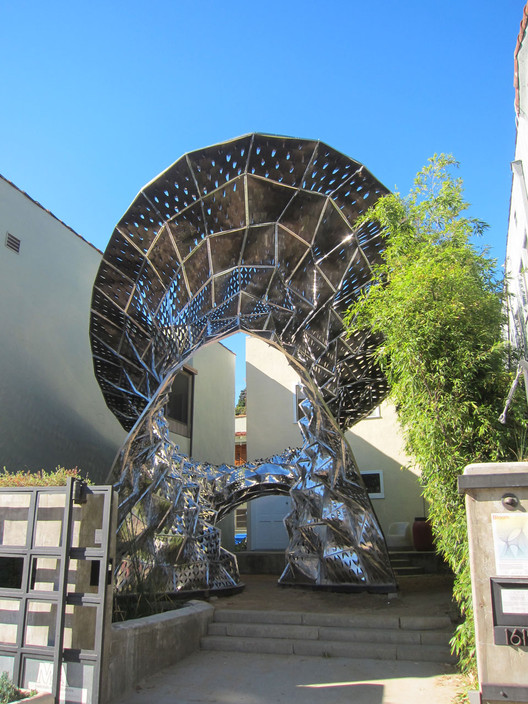
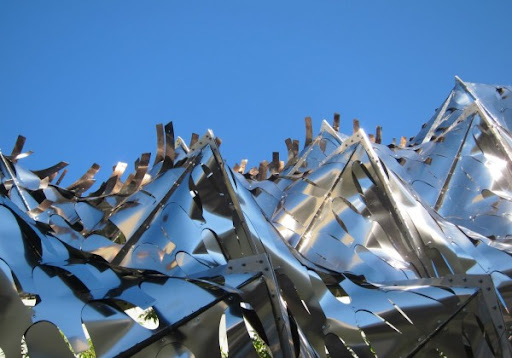
Bloom (Los Angeles, USA): A sculptural installation by Doris Sung, Bloom features a thermal bimetal skin that curls open or closed based on temperature changes — no motors or electricity needed. It demonstrates passive movement, showcasing how materials alone can drive kinetic responses.
See how motion meets design. Join our 1-Day Masterclass in Parametric Design to explore the tools behind kinetic architecture.
Kinetic Architecture:
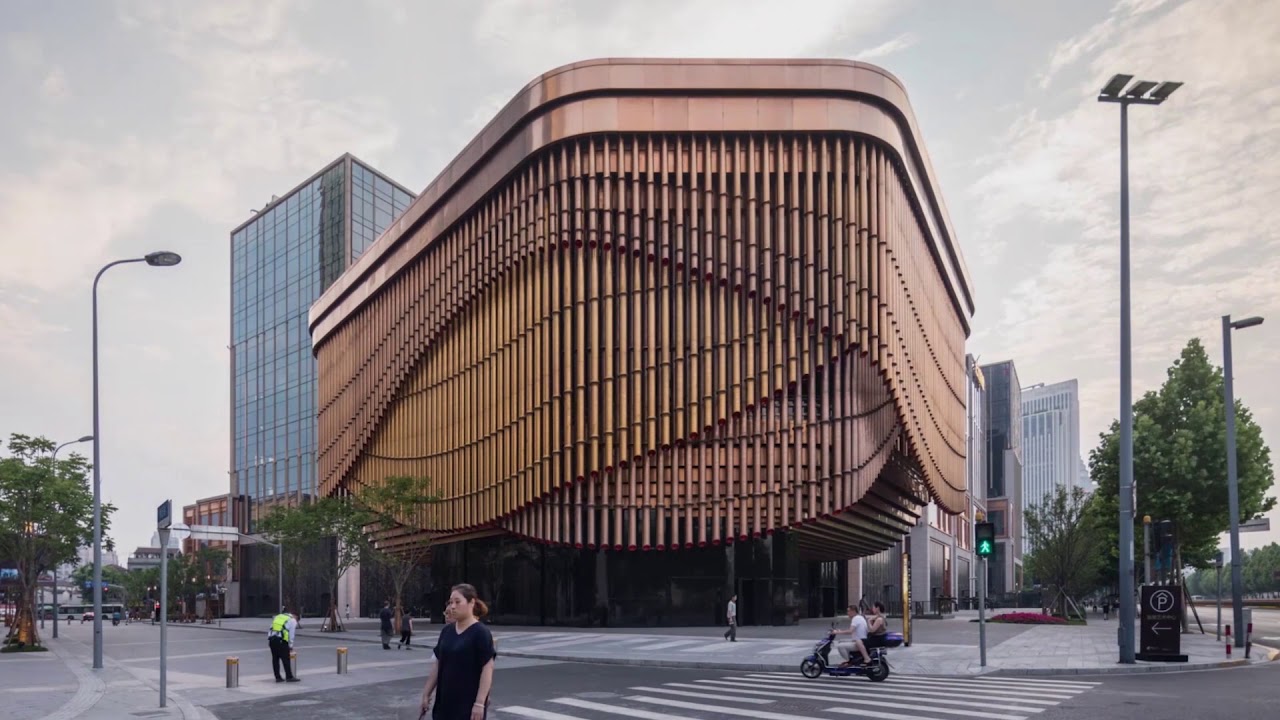
The Bund Finance Center, Shanghai: Designed with 675 magnesium-alloy tassels that rotate in 3 independent layers, this dynamic veil continuously changes the building’s opacity and appearance throughout the day.
Why Indian Architects Should Care
As Indian cities get hotter and denser, kinetic systems can improve comfort, reduce energy load, and add local relevance. Movable shading elements and interactive facades are already being explored in institutional buildings, pavilions, and climate-responsive offices.
Want to Build Like This?
Stay ahead. Stay dynamic. Explore design skills that prepare you for the future of architecture — only on Kaarwan.com.
📐 Learn Revit. Rhino. Parametric Design.💡 Master responsive systems.🌎 Learn from global case studies.
Start learning what tomorrow's architects are already building — with Kaarwan.com 🚀