

As the architectural landscape continues to evolve in 2026, the industry is witnessing a massive shift toward sustainable design, AI-driven architecture, and human-centred urban planning. These changes are driven by climate urgency, rapid technological innovation, and the growing need for adaptable spaces.
From smart cities to biophilic designs and parametric architecture, the profession is moving away from traditional blueprints toward intelligent, responsive ecosystems. In this article, we explore the top architectural trends of 2025, backed by the latest industry insights and global design movements.
.png)
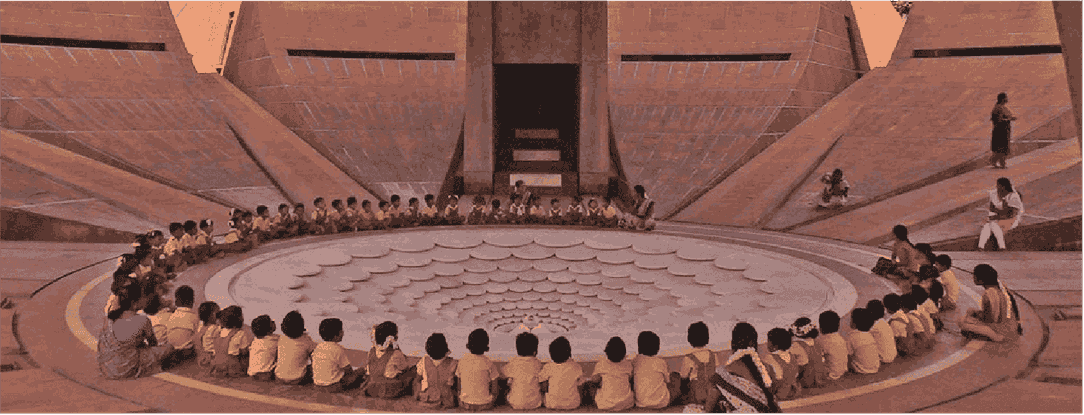
Image Source: Agastya Foundation, Local school,green building example
Sustainability: The Core of Future Architecture
Sustainability is no longer a buzzword—it’s the new baseline. Architects in 2026 are embracing climate-resilient architecture, incorporating regenerative materials and net-zero design principles.
Key Sustainability Trends:
- Net-Zero Energy Buildings (NZEB): These structures generate as much energy as they consume using solar panels, wind turbines, and geothermal energy. Insulated facades and low-emission materials are now standard.
- Circular Construction: Buildings are designed for disassembly using recyclable materials, supporting the circular economy in construction.
- Biophilic Design: Indoor gardens, green roofs, and nature-infused interiors are proven to boost well-being, productivity, and air quality.
- Green Certifications: LEED, BREEAM, and WELL certifications are now required by developers aiming for eco-conscious branding and long-term savings.
Trending Keywords: net-zero buildings, sustainable architecture 2025, biophilic design, green building trends, circular economy in architecture
.png)
Image Source: Autodesk
Digital Transformation: The Rise of AI, BIM & Smart Design
The architecture technology shift is well underway. AI-assisted design, automated coordination tools, and cloud-based collaboration platforms are fundamentally changing how buildings are designed, documented, and delivered. Digital tools are no longer a competitive advantage — they are a baseline expectation across firms of every size.
For a deeper look at how BIM and AI are changing design workflows, read our full guide: The Future of BIM in 2026
Trending Keywords: architecture AI tools, BIM in 2025, architectural visualization VR, parametric design, digital architecture trends
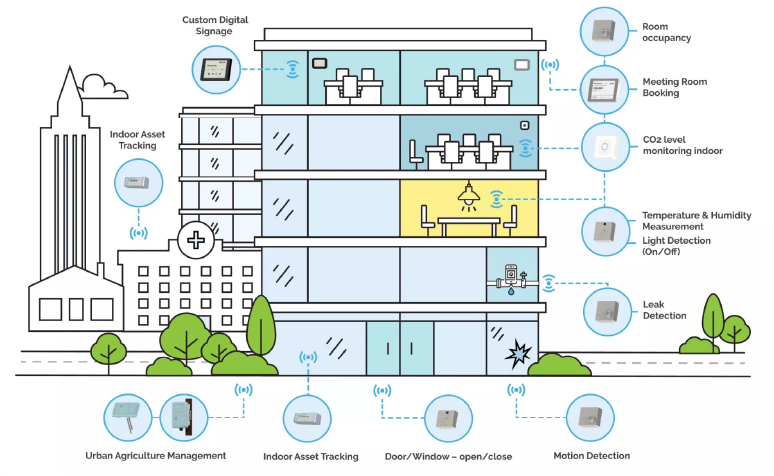
Image Source: Tektelic
Smart Cities and Responsive Buildings
Smart cities are no longer a concept—they’re being built in real time. Architects are now essential contributors to designing data-driven, user-responsive environments.
Smart Building Features:
- IoT-Enabled Systems: Real-time feedback from sensors for lighting, HVAC, and safety creates adaptive environments.
- Automated Building Management Systems (BMS): These systems enhance energy savings, reduce downtime, and track space utilisation.
- Proactive Maintenance: Buildings predict their own maintenance schedules using sensor data, minimizing repairs and maximising longevity.
Trending Keywords: smart buildings 2025, IoT in architecture, intelligent building design, smart city architecture
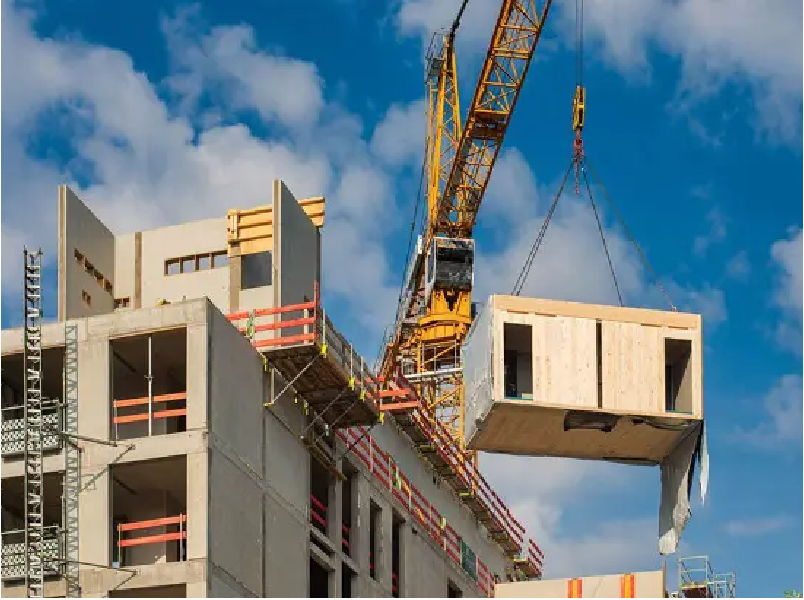
Image Source: Construction Kenya
Modular & Prefabricated Construction
In 2026, modular construction remains a dominant choice as a cost-effective, scalable, and eco-friendly solution, particularly in urban housing and emergency infrastructure.
Benefits of Modular Architecture:
- Speed of Delivery: Projects are completed 30–50% faster due to off-site fabrication.
- Reduced Waste: Factory-controlled environments reduce material waste significantly.
- Flexible Design: Modular components are customizable, reusable, and adaptable to future expansions.
Functional Minimalism & Adaptive Spaces
Minimalism is evolving into functional simplicity. Architects are creating spaces that prioritize utility, flexibility, and mental well-being.
2026 Interior Design Trends:
- Multipurpose Living Spaces: Homes that double as offices, gyms, or studios feature movable partitions and smart storage solutions.
- Eco-Friendly Materials: Low-VOC paints, bamboo, recycled concrete, and reclaimed wood are widely used.
- Thermal Comfort Design: Passive cooling, ventilation zoning, and radiant flooring are prioritised.
Innovative Facades: Where Art Meets Engineering
Architectural facades in 2026 are where tech meets creativity. Beyond aesthetics, they now serve as energy generators, climate shields, and living canvases.
Noteworthy Trends:
- Photovoltaic Panels in Facades: Solar-integrated cladding is now a must for energy-efficient skyscrapers.
- Living Walls: These not only reduce urban heat but also promote biodiversity.
- 3D-Printed Facade Panels: Add texture, uniqueness, and precision to exterior design.
Emerging Directions: What's Gaining Momentum in Architecture Design
While the headline trends get most of the attention, some of the most significant shifts happening in architecture right now are the ones still building momentum, quietly gaining ground in project briefs, policy documents, and design competitions before they become mainstream.
Mass timber construction is one of the most talked-about structural materials of 2026, and for good reason. Cross-laminated timber (CLT) and glulam structures are increasingly being used as sustainable alternatives to concrete and steel, storing carbon rather than emitting it, and offering a warmth and material honesty that resonates with the biophilic direction the industry is already moving in. While adoption in India is still in its early stages, interest is growing rapidly, particularly among architects working on institutional, hospitality, and mixed-use projects.
Adaptive reuse is another direction gaining significant traction. Rather than demolishing and rebuilding, architects and developers are increasingly looking at converting existing buildings, unused office blocks, ageing shopping malls, and underutilised industrial structures into residential, co-living, or mixed-use spaces. This approach significantly reduces embodied carbon, preserves urban heritage, and makes economic sense in cities where land costs are prohibitive. Several adaptive reuse projects across Indian metros have been gaining attention in 2026 as sustainable urban development strategies.
Climate-responsive design is also shifting from a voluntary commitment to a client requirement. Passive cooling strategies, building orientation for thermal performance, natural ventilation design, and material choices optimised for local climate conditions are now being written into project briefs rather than left to the architect's discretion. India's Bureau of Energy Efficiency has been expanding its Eco-Niwas Samhita standards for residential buildings, a policy push that is accelerating climate-responsive design adoption across the country.
Urban Design: Building Livable & Resilient Cities
Urban planners in 2026 are rethinking the entire framework of city design to combat climate change, enhance mobility, and improve quality of life.
Game-Changing Urban Design Trends:
- Superblocks (Barcelona Model): Traffic is restricted in favour of pedestrians and cyclists, reducing noise and pollution.
- Mixed-Use Developments: Buildings combine residential, commercial, and recreational spaces for efficient land use.
- Nature-First Urbanism: Cities integrate green corridors, rooftop forests, and permeable pavements.
Image Source: Wander On, Maitri Mandir
Human-Centric & Inclusive Architecture
Architecture is becoming deeply personalized. Every design decision is centered around user experience, inclusivity, and wellness.
Emerging Priorities:
- Neuroarchitecture: Spaces designed to positively influence mental health through light, acoustics, and spatial arrangement.
- Inclusive Design: Accessible entrances, sensory-friendly zones, and gender-neutral facilities are now part of the design code.
- Health-Driven Architecture: Ventilation strategies, daylight optimisation, and antimicrobial surfaces are standard.
.png)
Image Source: Archidust, 3d printed facade
Challenges Ahead: Balancing Innovation with Ethics
Despite its progress, the architectural profession faces crucial challenges:
- Skill Gaps: Professionals must upskill in digital tools, data analytics, and green building standards.
- Cybersecurity: Smart buildings must be protected from digital vulnerabilities.
- Cultural Sensitivity: Modern designs must respect traditional and regional identities.
Conclusion: Architecture’s Bold New Era
2026 is where these shifts stop being experimental and start becoming standard practice. Whether you are a student entering the field or a professional mid-career, understanding these trends is not optional, it is how you stay relevant in an industry that is moving faster than ever. The architects who will lead the next decade are the ones who are learning, adapting, and upskilling right now.
Explore more: Check out Kaarwan's Advanced BIM Revit Certification or take our Architecture Skill Test to find the right path for your future in design!




.png)