

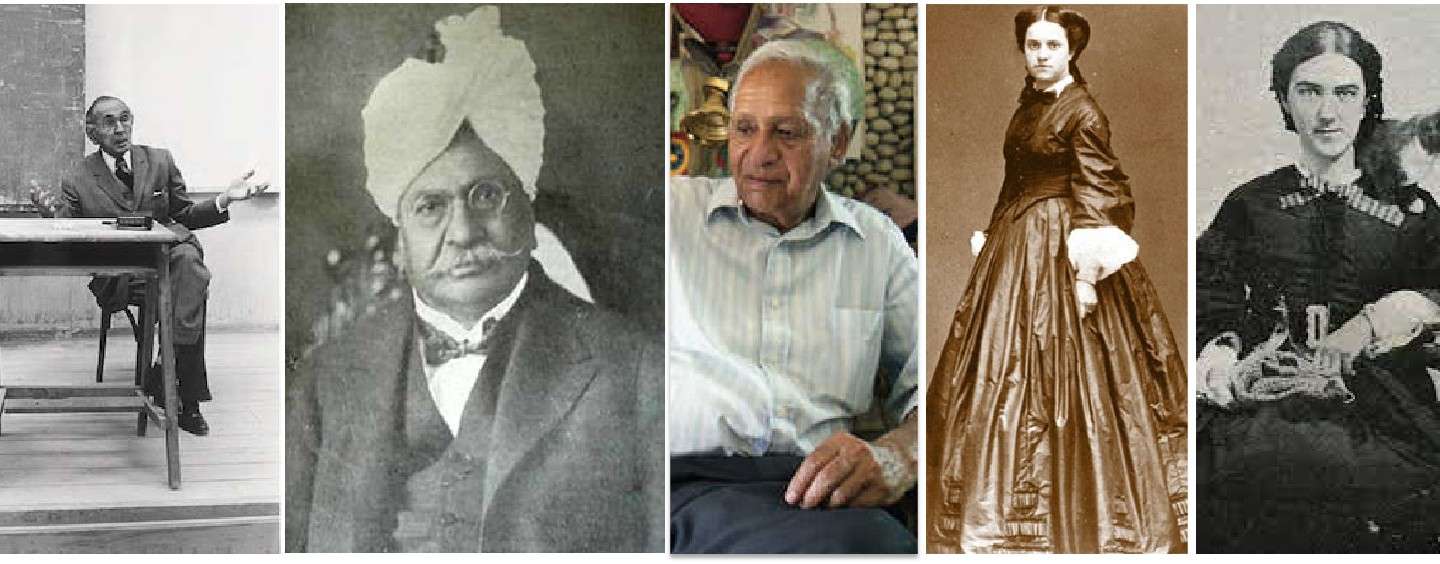
They Weren’t Professors, But They Taught Us How to Build the World or Rather, Ourselves as Professionals!
When we celebrate Teachers’ Day, we often picture classrooms, studios, or lecture halls. But in Architecture, Engineering, and Construction (AEC), true teachers often work outside these walls. They may be self-taught innovators, site mentors, or overlooked professionals whose work continues to guide generations. Here are ten unsung figures from AEC whose contributions are lessons in themselves.
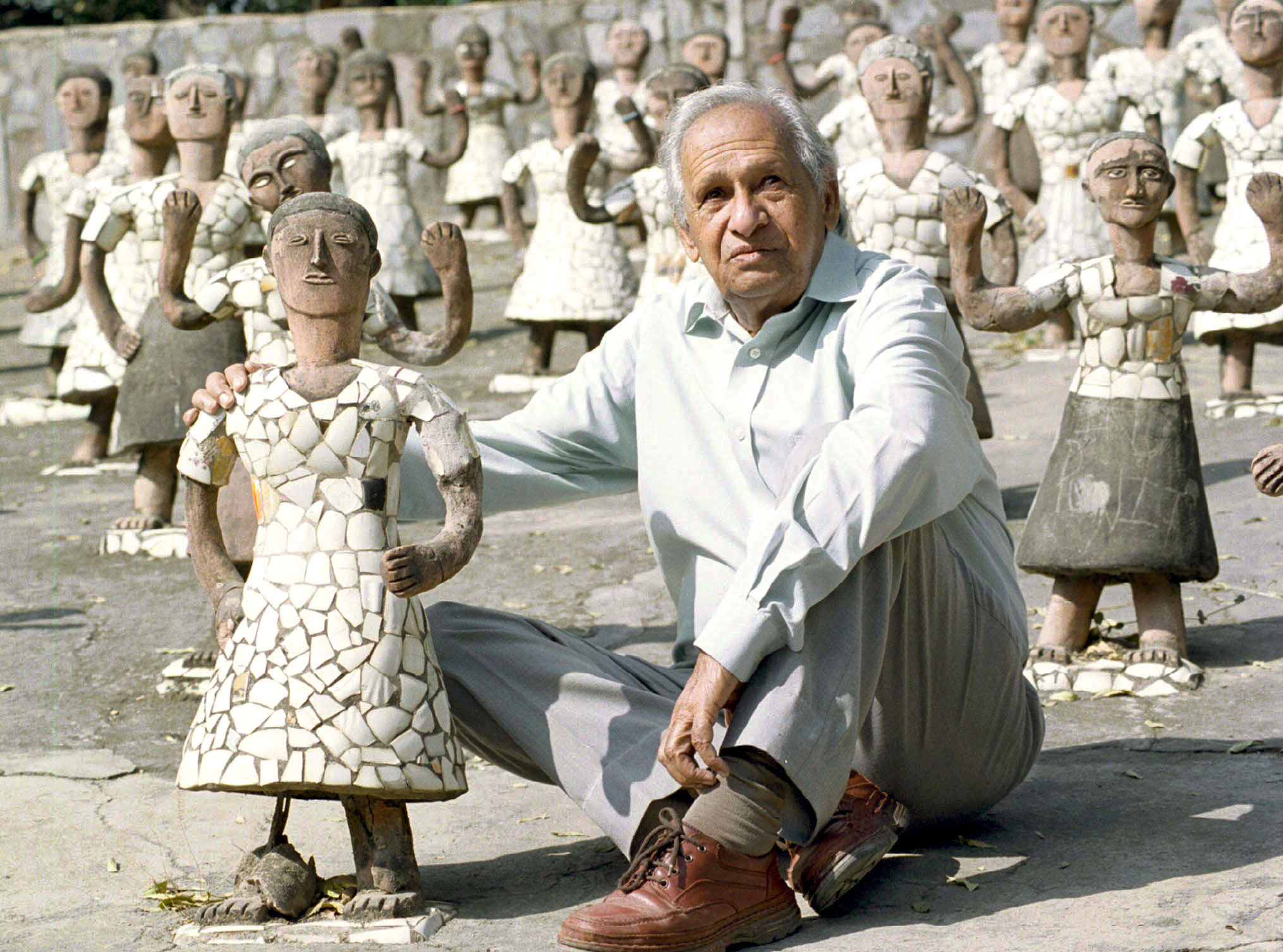
1. Nek Chand (1924–2015) – The Self-Taught Sculptor of Spaces
A road inspector with no formal training, Nek Chand created Chandigarh’s Rock Garden out of discarded materials — broken tiles, bangles, and industrial waste. His quiet persistence turned scrap into a 40-acre public wonder. Chand teaches us that architecture isn’t just about blueprints; it’s about imagination, resilience, and reuse. Every student who studies adaptive reuse or sustainability can find their roots in Chand’s unconventional classroom.
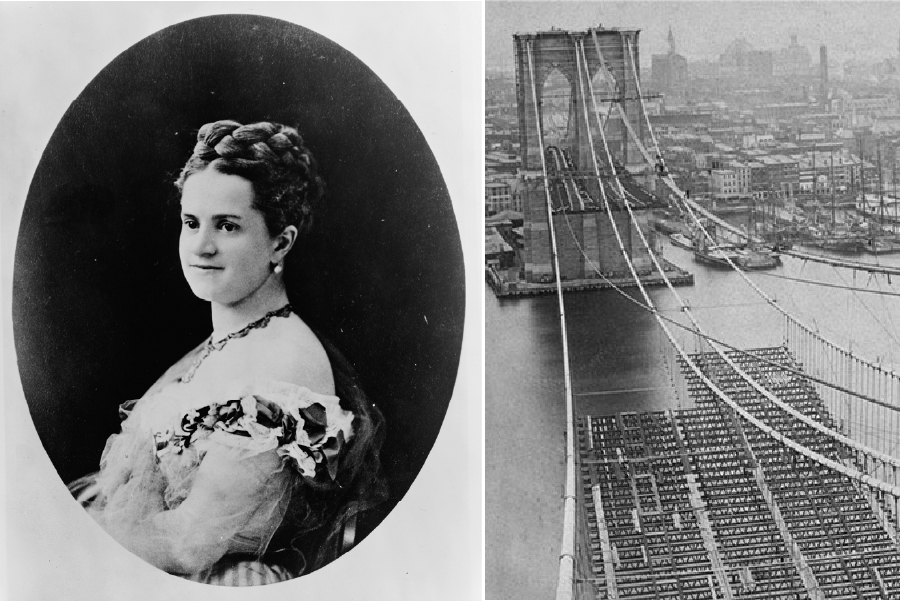
2. Emily Warren Roebling (1843–1903) – The Bridge Builder Who Wasn’t Supposed to Be
When her husband, the chief engineer of the Brooklyn Bridge, fell ill, Emily stepped in. Without formal engineering education, she mastered cable construction, material science, and project management — supervising one of the greatest engineering feats of the 19th century. Her lesson? Leadership and learning by doing are as vital as theory. Emily’s courage shows that breaking barriers often means teaching the world that capability transcends titles.
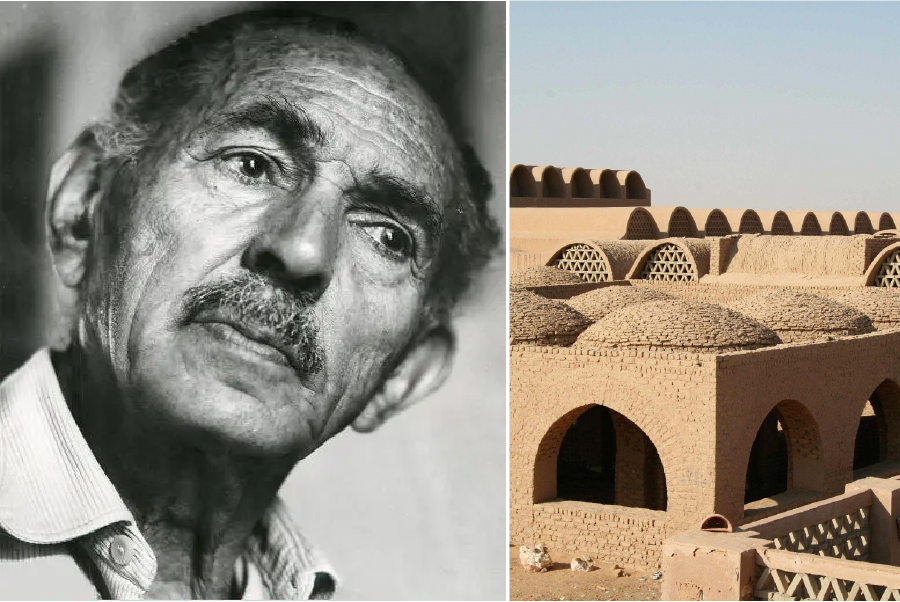
3. Hassan Fathy (1900–1989) – The People’s Builder of Egypt
Fathy championed earthen architecture, community-built housing, and climate-responsive design in Egypt. His book Architecture for the Poor remains a hidden treasure in sustainable design discourse. Long before “green architecture” became a buzzword, Fathy showed how tradition and technology can co-exist. His real teaching lies in proving that design for dignity matters more than prestige design.
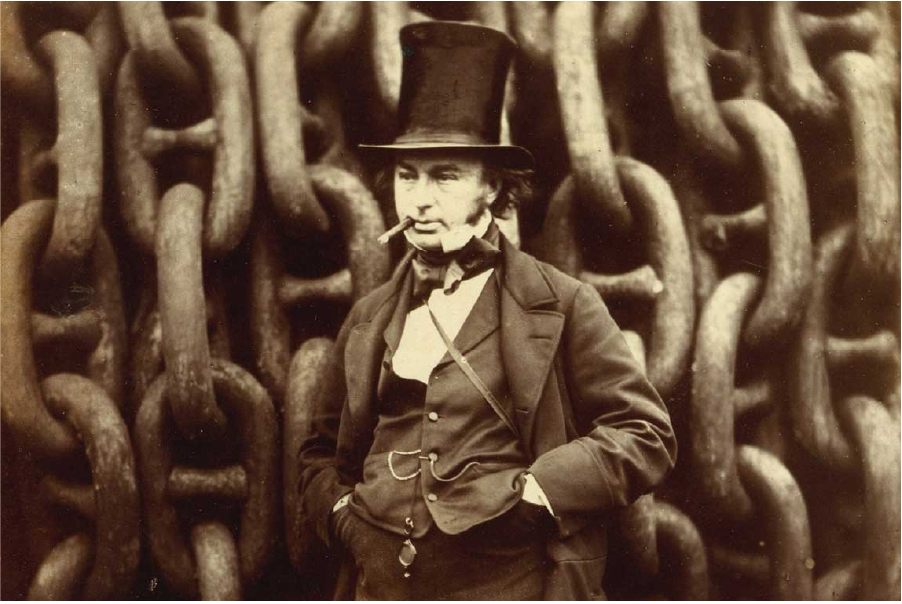
4. Isambard Kingdom Brunel (1806–1859) – The Dreamer Engineer
Brunel’s Clifton Suspension Bridge, tunnels, and railways transformed Britain’s landscape. Though celebrated in engineering circles, his bold experimentation and occasional failures are rarely taught as “lessons.” Yet for AEC learners, Brunel shows that ambition and risk-taking are vital educators. The courage to attempt the “impossible” is perhaps his greatest lesson to us all.
Learn from the best, GATE AR Masterclass led by AIR 14.
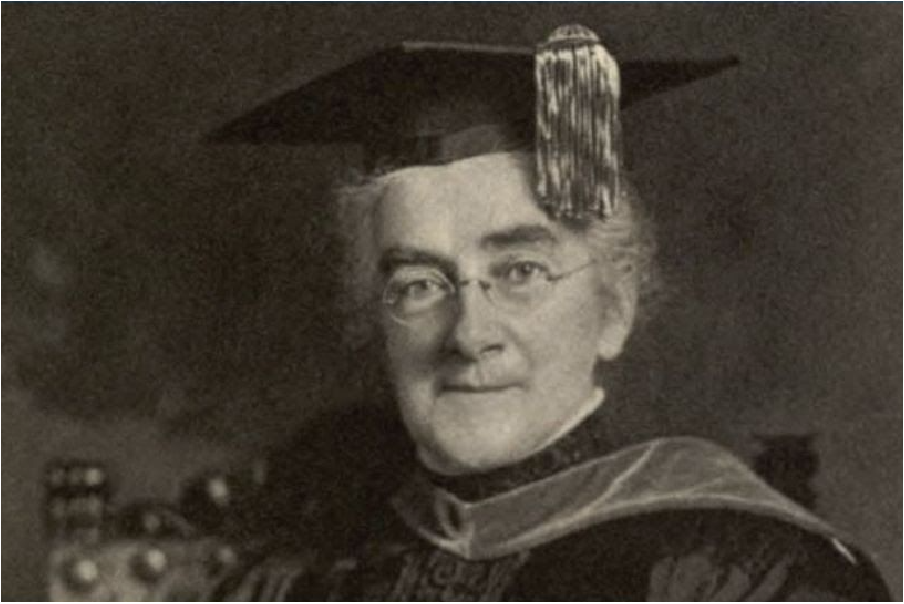
5. Ellen Swallow Richards (1842–1911) – Pioneer of Environmental Engineering
Often overshadowed by her male contemporaries, Richards was the first woman admitted to MIT and later founded the field of sanitary engineering. Her work on water quality, air pollution, and domestic science laid the foundation for today’s environmental planning. Richards teaches us that systems thinking and health-focused design are critical aspects of the built environment.
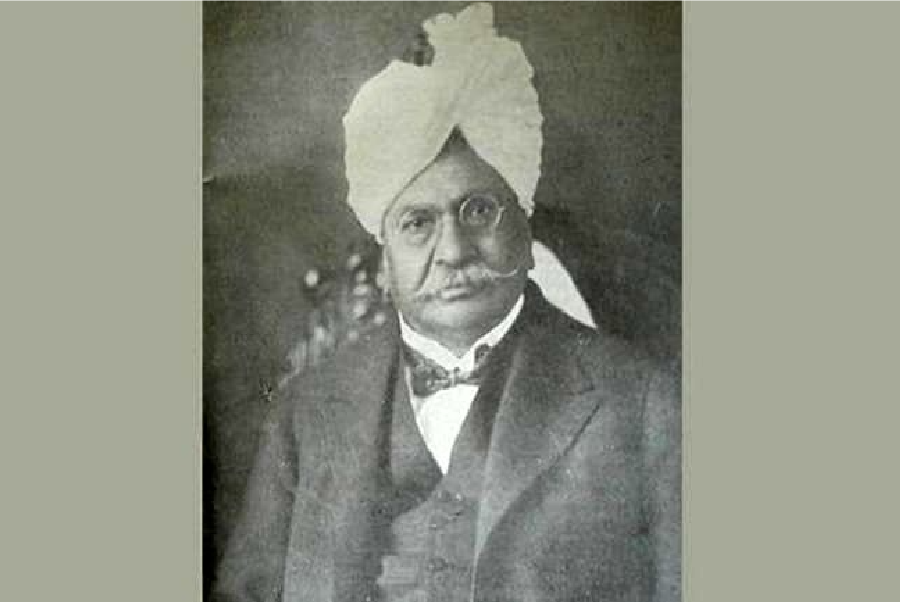
6. Ganga Ram (1851–1927) – The Engineer Philanthropist
Called the “Father of Modern Lahore,” Ganga Ram designed canals, hospitals, and schools that improved everyday life in colonial India. Yet, outside Punjab, his name is little known. His work embodies the idea that engineering is a service to society, not just infrastructure. His legacy is a teacher’s whisper: that progress is measured by people’s well-being.
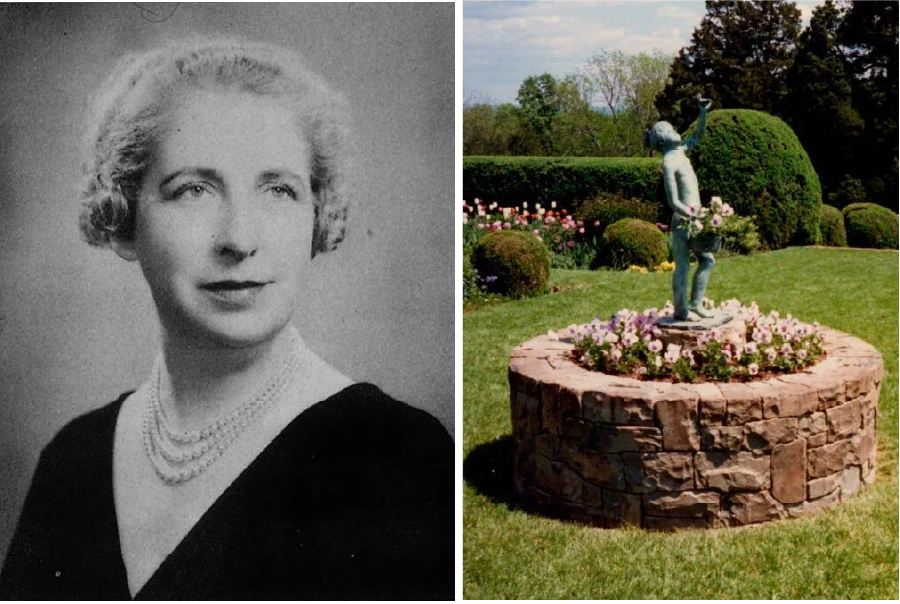
7. Annette Hoyt Flanders (1887–1946) – The Landscape Architect Who Wrote the Rules
One of the earliest women landscape architects in America, Flanders was instrumental in developing standards for landscape grading, highways, and civic landscapes. Her technical and written contributions shaped generations of practitioners, yet her name is rarely mentioned outside niche circles. She shows us how writing and codifying practice can teach as powerfully as designing itself.
Final Thoughts
Teachers aren’t always professors. In AEC, they are often inventors, risk-takers, craftspeople, or activists who never call themselves “educators.” Their lessons live in bridges, gardens, housing settlements, and construction sites. This Teachers’ Day, let’s honour these unsung guides — the mentors beyond classrooms whose work continues to teach us humility, creativity, and responsibility.


.png)