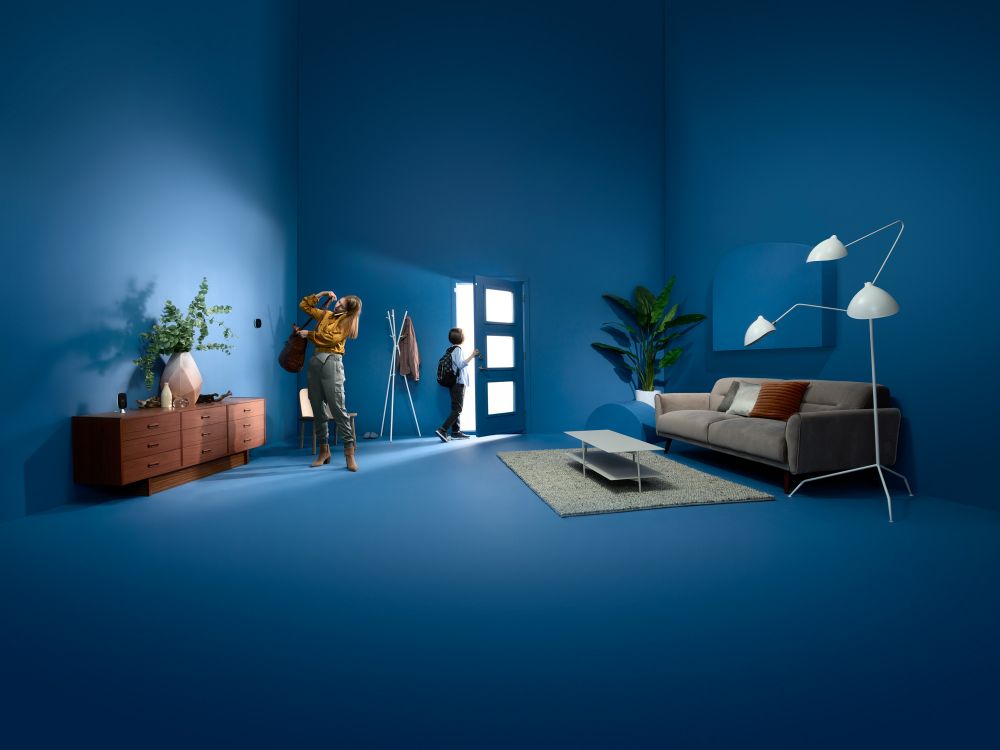
Material Palette Guide: What Works Best for Residential, Commercial & Hospitality
Good design isn’t just about form — it’s about choosing materials that fit how a space is lived, used, and maintained.
One of the biggest gaps between academic design and professional practice is material selection. Materials aren’t chosen only for looks — they respond to durability, cost, maintenance, footfall, climate, and user behavior.
This guide breaks down what materials actually work best across residential, commercial, and hospitality projects — and why.
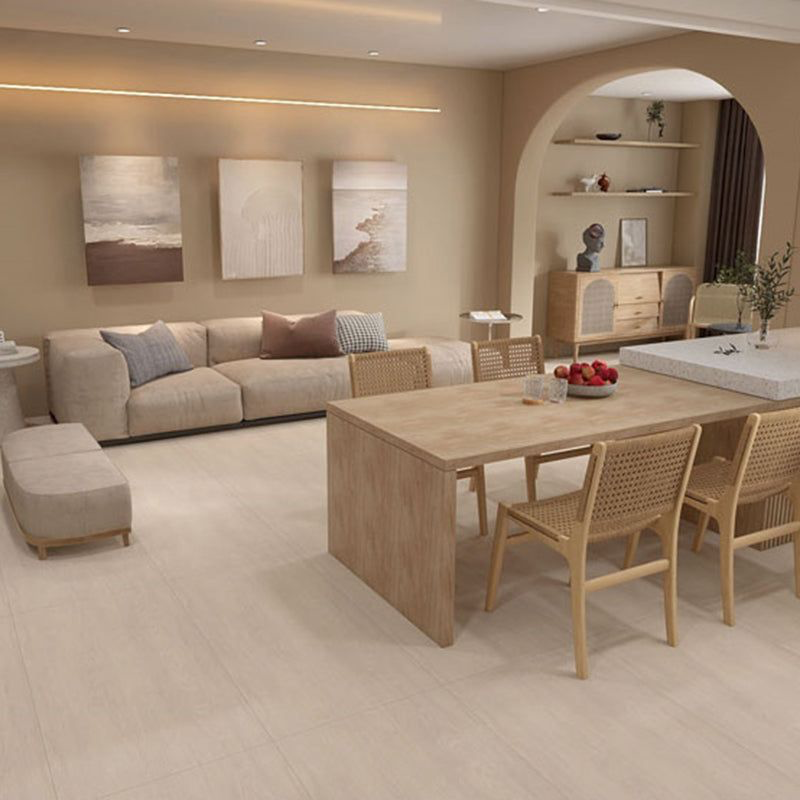
Residential Architecture: Comfort, Warmth & Longevity
Residential spaces are personal. Materials here should feel warm, familiar, and low-maintenance over long periods.
Commonly Used Materials
- Flooring: Vitrified tiles, engineered wood, stone (Kota, marble)
- Walls: Paint, textured plaster, wallpapers (limited use)
- Kitchens: Quartz, granite, laminates, matte finishes
- Bathrooms: Anti-skid tiles, ceramic, stone-look tiles
- Furniture & Joinery: Plywood with laminate or veneer finishes
Why These Work
- Easy to clean and repair
- Comfortable for daily use
- Cost-effective over time
- Suitable for varied Indian climates
Commercial Architecture: Durability, Performance & Brand Identity
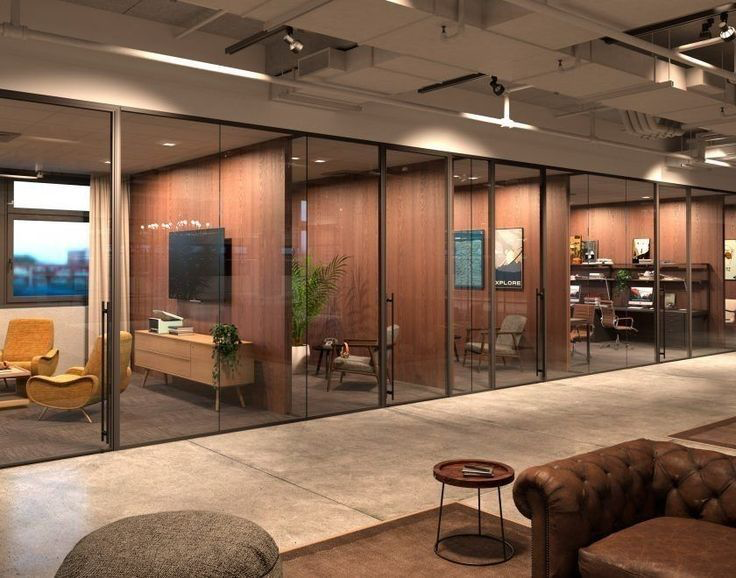
Commercial spaces deal with high footfall, frequent maintenance, and strict safety norms. Materials here must perform consistently.
Commonly Used Materials
- Flooring: Polished concrete, vitrified tiles, carpet tiles
- Walls: Paint with protective coatings, wall panels
- Ceilings: Gypsum board, acoustic panels, exposed services
- Façades: Glass curtain walls, ACP, louvers
- Furniture: Modular systems, metal and laminate finishes
Why These Work
- Handle wear and tear
- Easy replacement in zones
- Fire- and code-compliant
- Support branding and identity
Hospitality Architecture: Experience, Atmosphere & Memory
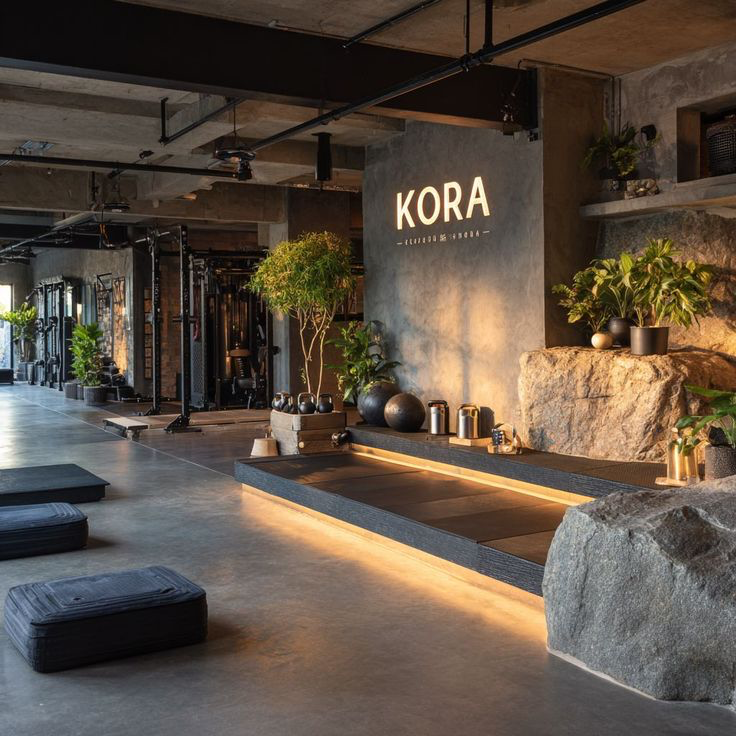
Hotels, cafés, and resorts are designed to evoke emotion. Materials here tell stories and shape guest experiences.
Commonly Used Materials
- Flooring: Natural stone, patterned tiles, wood, carpets
- Walls: Textured plaster, stone cladding, fabric panels
- Furniture: Solid wood, metal accents, custom finishes
- Bathrooms: Marble, terrazzo, high-end ceramics
- Lighting Materials: Brass, glass, fabric shades
Why These Work
- Create strong visual identity
- Enhance mood and storytelling
- Support luxury or thematic branding
- Offer tactile richness
Quick Comparison Table
| Building Type | Key Priorities | Preferred Materials |
|---|---|---|
| Residential | Comfort, ease of use, longevity | Tiles, wood, laminates, quartz |
| Commercial | Durability, maintenance, safety | Concrete, glass, carpet tiles |
| Hospitality | Experience, mood, identity | Stone, wood, textured finishes |
Common Material Mistakes Young Architects Make
- Choosing materials only based on visuals
- Ignoring maintenance and lifecycle costs
- Overusing high-end finishes in low-budget projects
- Not considering local climate and availability
- Forgetting user behavior and foot traffic
Professional material palettes balance aesthetics + performance + practicality.
How Architects Actually Build Material Palettes
Experienced architects don’t pick materials randomly. They:
- Understand project type and budget
- Study usage patterns
- Consider climate and maintenance
- Balance hero materials with neutral bases
- Coordinate with structure, services, and detailing
Material selection is design thinking in built form.
Final Thoughts
Material palettes define how a building ages, feels, and performs. Knowing what works where is a critical skill — and one that separates students from professionals.
The best designs aren’t the most expensive — they’re the most appropriate.
Learn Material Selection & Detailing with Kaarwan
If you want to confidently choose materials, detail them correctly, and understand how they perform on-site, Kaarwan’s courses focus on real-world architectural decision-making — beyond just visuals.
👉 Explore Kaarwan’s architecture and interior detailing programs.