

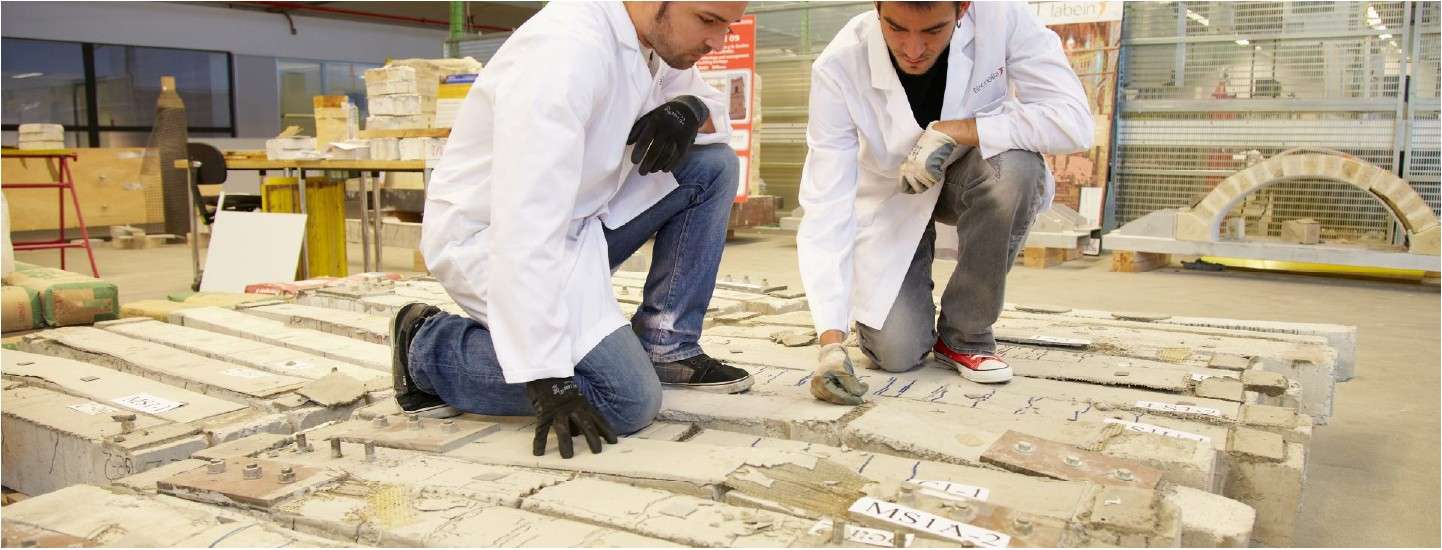
Why We Need Professionals to Create, Not Just Operate, in the AEC Industry?
When students graduate from architecture school, they carry a head full of ideas and a heart full of creativity. Yet, the reality of stepping into practice often feels very different. Instead of designing bold new projects or experimenting with fresh materials, most young architects and engineers find themselves producing drawings, revising details, or updating BIM models for hours on end.
This is not failure; it is the system. The architecture, engineering and construction (AEC) industry is built on operations — precise, repetitive, and often demanding. But here is the question: Does this mean that innovation is out of reach for young professionals? Not at all.
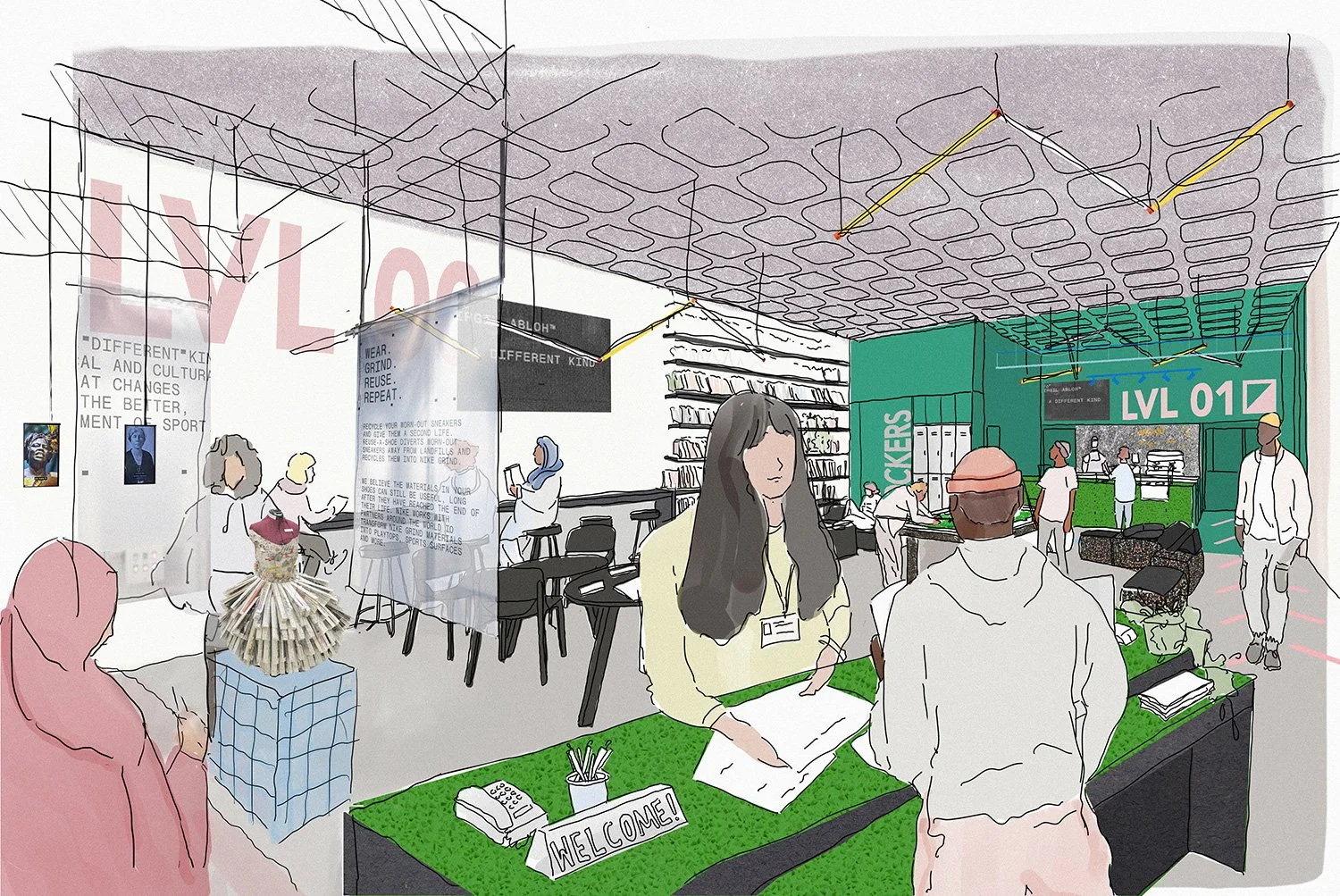
Image Source: Freehaus
Innovation is not a sudden flash reserved for a few extraordinary minds. It is a path that can be built deliberately, step by step, by those willing to look beyond the task at hand.
1. Build the Foundations (Years 0–2)
It is tempting to want to innovate immediately. But every innovator, whether in design, technology, or materials, begins by deeply understanding the basics. For B.Arch graduates, this means embracing the early years of practice as a training ground.
Yes, the work may sometimes feel monotonous — correcting drawings, drafting details, managing sheets. But in those tasks lies an invaluable education: how projects are delivered, how teams collaborate, where delays occur, and where resources are wasted.
The key is not to resent this stage, but to observe it. Every frustration at work is a seed of innovation waiting to be addressed.
2. Develop a Problem-Solving Lens (Years 2–4)
By the time professionals have gained two or three years of experience, they begin to notice patterns. Perhaps site drawings are always delayed, or coordination between engineers is poor, or clients demand endless revisions.
Instead of simply enduring these inefficiencies, the future innovator asks: “Can this be done differently?”
This is the stage to experiment. Learning tools like Dynamo, Grasshopper, or even basic Python can help automate repetitive tasks. Small changes — a script to number drawings automatically, a workflow that reduces rework — may feel modest, but they are the beginnings of innovation.
Keeping a notebook of recurring problems and potential solutions can slowly evolve into a personal toolkit for transformation.
3. Upskill with Purpose
No innovation happens without knowledge. Beyond the daily work, professionals must actively seek learning opportunities that push them beyond operations.
- Sustainability and materials research – Explore the use of bamboo, compressed earth blocks, or recycled plastics.
- Computational design – Engage with parametric tools that allow designs to be optimised for daylight, energy or material use.
- Digital futures – Study how artificial intelligence, digital twins, or 3D printing are reshaping construction.
Courses, online workshops, and certifications in these areas are not distractions from practice; they are investments in becoming future-ready.
Thesis synopsis? More like a synonym for stress! Join Kaarwan's Thesis Mastery 5 Day Bootcamp and stay a step ahead of your university timeline. Save time spent on defending and selecting topics, steal efficient AI tools, be it for research or rendering.
4. Enter Spaces that Encourage Innovation
Innovation cannot thrive in isolation. It needs spaces — both physical and intellectual — where experimentation is welcomed.
Some young professionals may find this in the R&D units of global firms such as Foster + Partners or BIG, where teams are dedicated to testing new ideas. Others may gravitate towards startups working on 3D printing, modular housing, or carbon-neutral materials.
For those with an academic inclination, research fellowships and collaborations with universities can provide fertile ground. And for the entrepreneurial, setting up a small design or research practice around a single focused idea can be equally rewarding.
The important thing is to place oneself in an environment where curiosity is not dismissed, but encouraged.
5. Share the Journey
Innovation is rarely recognised unless it is communicated. Young professionals who publish their experiments, however small, begin to attract attention and opportunities.
This does not mean waiting until a project is perfect. Even a failed experiment with a new material or a small improvement to a workflow can be valuable when shared. Platforms such as LinkedIn, Medium, or architectural journals offer a chance to showcase this process.
Competitions like the Holcim Awards for sustainable construction or AEC hackathons provide avenues to test ideas against a wider audience.
Over time, this practice builds a portfolio of innovation — not just a portfolio of projects.
Long-Term Career Tracks in Innovation
For those committed to innovation, several career paths can open up:
- Researcher or Academic – Developing new materials, sustainable systems, or housing models.
- Computational Designer or Tech Developer – Creating tools, scripts, or software that reimagine how architects and engineers work.
- Social Innovator – Using design to address urgent needs such as low-cost housing or disaster relief.
- Entrepreneur – Launching startups in construction technology, 3D printing, or AI-driven design.
- Corporate Innovation Leader – Heading R&D labs or innovation cells in global architecture and construction firms.
Each of these roles begins in the same place: with a graduate who refused to accept operations as the only destiny.
A Final Word – Innovation is a Choice
It is true that most young professionals will begin their journey in operations. They will be asked to draft, coordinate, and deliver. But at every stage, they can also choose to notice problems, ask questions, and test small solutions.
Innovation does not announce itself with a breakthrough on the first day. It begins quietly, with curiosity, persistence, and the courage to look at the ordinary and ask: “Could this be better?”
Every great innovator in the AEC industry — from Buckminster Fuller with his geodesic domes to Laurie Baker with his low-cost housing methods — once stood in the same place: a beginner, looking at the limitations of the present, and daring to imagine a different future.
For today’s graduates, the map is clear. Build your foundations, sharpen your problem-solving lens, upskill deliberately, place yourself in spaces of experimentation, and share the journey.
The industry has enough operators. What it needs now are innovators.


.png)