The architectural world is celebrating yet another milestone in the illustrious career of Norman Foster, as he has been honored with the 2025 Andrée Putman Lifetime Achievement Award. This prestigious accolade is awarded to individuals who have left a significant and lasting impact on the field of architecture and design. Foster's innovative approach to blending technology, sustainability, and aesthetics has made him one of the most influential architects of the modern era.
With a career spanning over seven decades, Foster has consistently redefined architectural norms, pushing the boundaries of form and function. His works are a testament to his visionary mindset, where efficiency meets artistry. The Andrée Putman Lifetime Achievement Award acknowledges his unwavering contribution to architecture, highlighting his ability to shape cities, redefine urban landscapes, and inspire future generations.
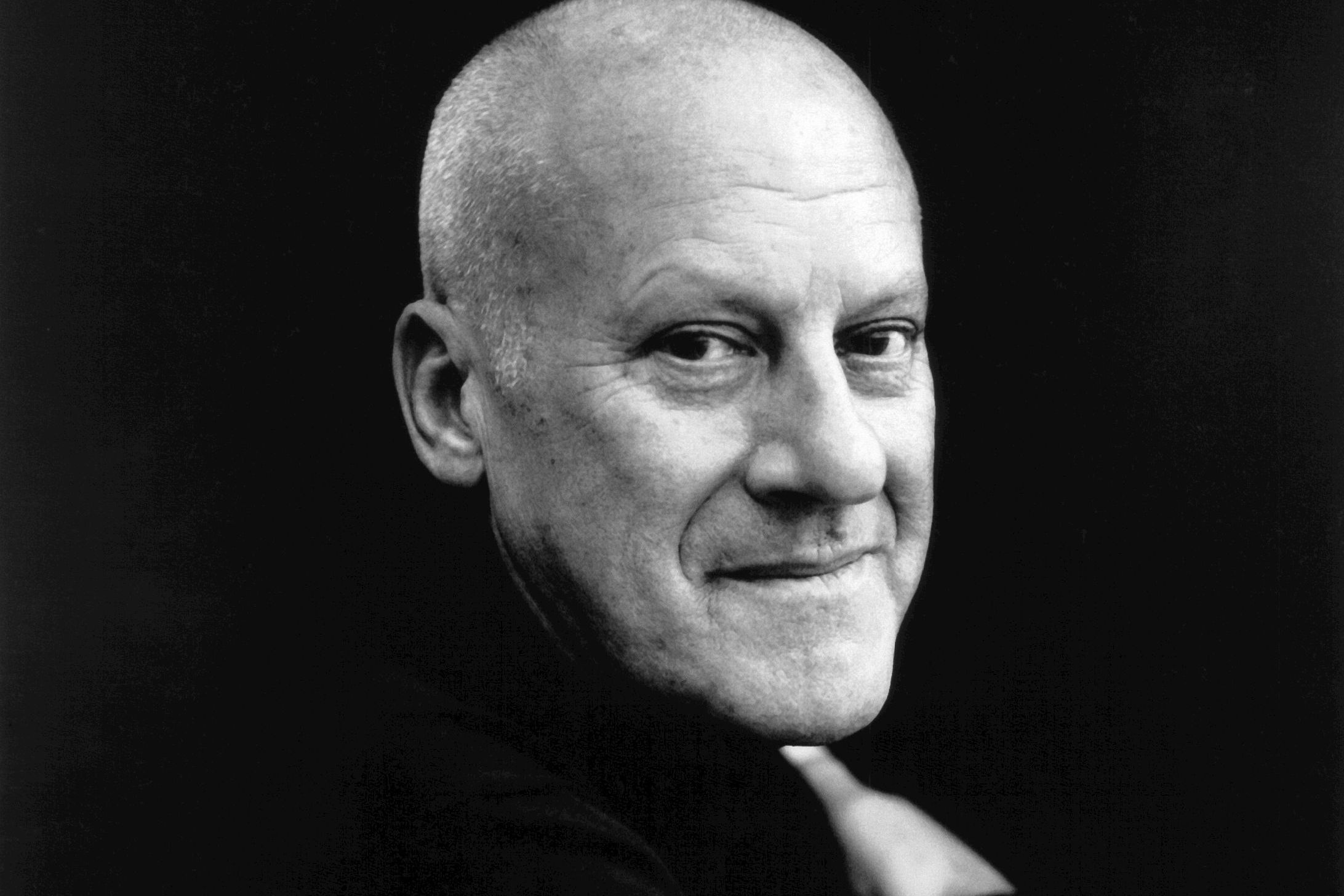
Image Credits - Walter Knoll
A Journey Through Architectural Excellence
From Humble Beginnings to Global Influence
Norman Foster was born on June 1, 1935, in Manchester, England. His early exposure to industrial structures in his hometown influenced his deep appreciation for design and functionality. He pursued his studies at the University of Manchester’s School of Architecture and later attended Yale University, where he earned a master’s degree in architecture. His education at Yale introduced him to modernist principles and reinforced his passion for integrating new technologies into his designs.
In 1963, Foster co-founded Team 4 alongside Richard Rogers, Su Brumwell, and Georgie and Wendy Cheesman. The firm quickly gained recognition for its high-tech, functionalist approach, and it laid the foundation for what would later become Foster + Partners in 1967. Since then, the firm has designed some of the most iconic buildings worldwide, embracing sustainability and innovation.
Unconventional Masterpieces: 5 Iconic Projects by Norman Foster
1. Willis Faber & Dumas Headquarters, Ipswich (1975)
One of Foster's earliest masterpieces, this office building challenged traditional corporate architecture. Its full-height glass curtain wall reflected the surrounding medieval streetscape, creating a dynamic interaction between the building and its environment. Inside, an open-plan layout fostered collaboration, and features such as a rooftop garden and an employee swimming pool demonstrated an early commitment to well-being in workplace design—decades ahead of its time.
2. HSBC Main Building, Hong Kong (1985)
At its completion, the HSBC Main Building was the most expensive building in the world, costing approximately $668 million. Designed with a modular, prefabricated construction approach, it was one of the first skyscrapers built with a fully flexible interior space. The open-plan design, extensive use of natural light, and large atriums challenged the conventional idea of rigid, compartmentalized office spaces. Additionally, its innovative passive cooling system reduced reliance on air conditioning, marking a shift toward energy-efficient skyscrapers.
3. 30 St Mary Axe (The Gherkin), London (2004)
The Gherkin, as it is affectionately known, redefined London's skyline with its distinctive, curved glass facade. Unlike traditional skyscrapers, its aerodynamic form significantly reduced wind turbulence, and its natural ventilation system minimized energy consumption. Foster’s sustainable design approach for this project set new benchmarks in high-rise architecture, influencing modern skyscraper design globally.
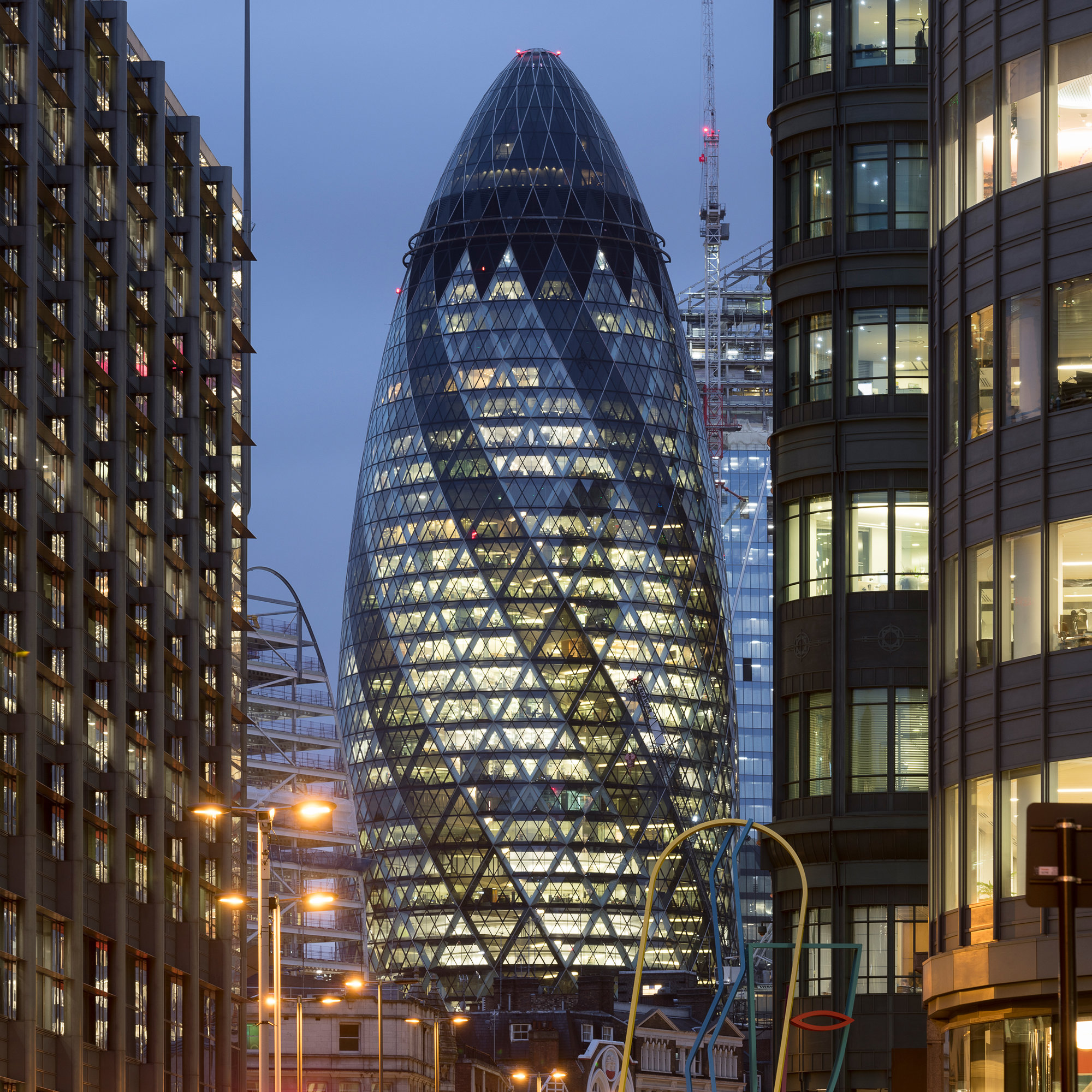
Image Credits - Foster + Partners
4. Millau Viaduct, France (2004)
This bridge, the tallest in the world, is a marvel of engineering and design. Spanning the Tarn River Valley in France, the viaduct is both functional and visually stunning. The delicate, needle-like piers create an impression of lightness, despite the structure’s massive scale. Foster’s philosophy of designing in harmony with nature is evident in this project, as the bridge seamlessly blends into its breathtaking surroundings.
5. Apple Park, Cupertino (2017)
Designed in collaboration with Steve Jobs, Apple Park is a futuristic corporate headquarters that embodies Apple’s ethos of simplicity, innovation, and sustainability. The massive circular structure, often called “the spaceship,” features the world's largest curved glass panels and operates entirely on renewable energy. Foster’s focus on user experience, natural integration, and sustainability makes Apple Park one of the most ambitious corporate architecture projects of the 21st century.
What you'll learn:
- Learn from industry experts and master practitioners.
- Engage in hands-on, project-based learning experiences.
- Connect with a vibrant community of creatives and professionals.
- Receive a certificate to boost your portfolio and credentials.
Norman Foster’s Influence on Modern Architecture
Foster’s impact on architecture extends far beyond individual projects. His designs are characterized by their emphasis on sustainability, user experience, and cutting-edge technology.
1. High-Tech and Sustainable Design
Foster has been a pioneer in high-tech architecture, using industrial materials and prefabrication techniques to create buildings that are both functional and aesthetically refined. His early adoption of energy-efficient designs and renewable materials has helped set global sustainability standards.
2. Human-Centric Spaces
One of the most remarkable aspects of Foster’s work is his commitment to designing buildings that enhance human experience. From offices to transportation hubs, he prioritizes natural light, open spaces, and flexible layouts to improve well-being and productivity.
3. Adaptive Urbanism
His designs reflect a deep understanding of how cities evolve. By incorporating green spaces, pedestrian-friendly environments, and mixed-use developments, Foster has shaped urban planning principles that continue to influence modern cityscapes.
Recent Endeavors: What’s Next for Foster?
Even in his 90s, Norman Foster remains actively involved in groundbreaking projects worldwide. In 2025, Manchester United announced plans for a new £2 billion stadium, with Foster leading the design. This new stadium, featuring a 100,000-seat capacity under a tensile canopy, aims to revolutionize sports architecture.
Additionally, Foster + Partners recently completed the renovation of Bodegas Faustino’s winery in Spain. The design includes a semicircular wooden roof with solar panels, highlighting Foster’s ongoing commitment to sustainable architecture. These projects prove that his influence on architecture is far from over.
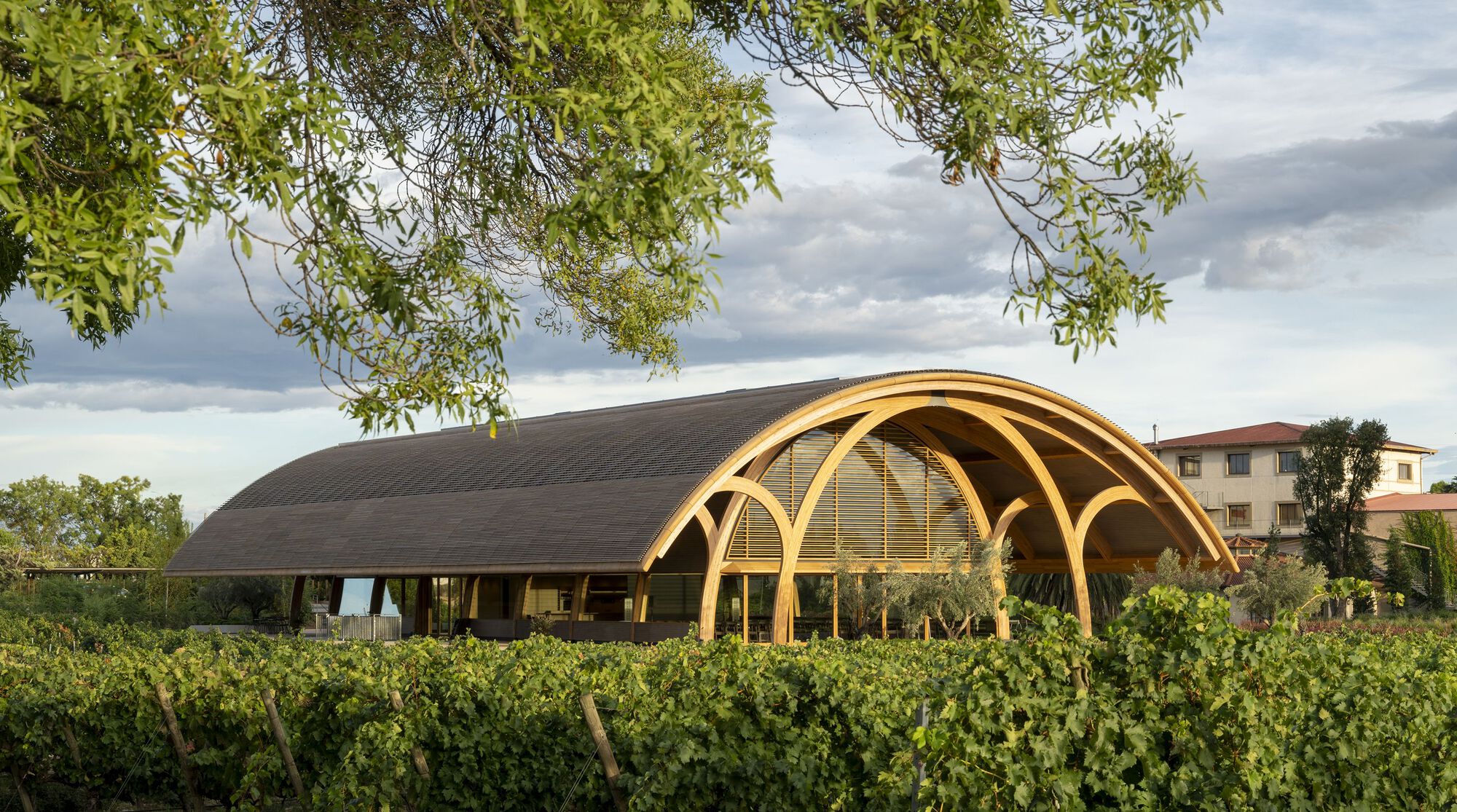
Image Credits - ArchDaily
Conclusion
Norman Foster’s receipt of the 2025 Andrée Putman Lifetime Achievement Award is a recognition of a career dedicated to pushing the boundaries of architecture. His ability to merge technology with artistry, sustainability with innovation, and functionality with beauty has cemented his legacy as one of the most influential architects in history. As the world moves towards smarter, greener, and more adaptive designs, Foster’s work will undoubtedly continue to inspire generations to come.
Elevate your architectural expertise! Gain insights into sustainable and high-tech design principles that define the future of urban spaces.
Join Kaarwan’s Advanced Architecture Course today and shape the cities of tomorrow!
FAQs
1. What is Norman Foster known for?
Norman Foster is known for pioneering high-tech architecture and designing iconic buildings such as The Gherkin, Apple Park, and the HSBC Main Building.
2. Why did Norman Foster receive the 2025 Andrée Putman Lifetime Achievement Award?
Foster received this award in recognition of his extensive contributions to architecture, sustainability, and urban design over seven decades.
3. What are some of Norman Foster’s most famous projects?
Some of his most famous works include 30 St Mary Axe (The Gherkin), Millau Viaduct, HSBC Main Building, and Apple Park.
4. How does Norman Foster incorporate sustainability in his designs?
Foster integrates energy-efficient technologies, natural ventilation, and renewable materials to minimize environmental impact in his projects.
5. What is Foster + Partners currently working on?
Foster + Partners is engaged in several projects, including Manchester United’s proposed stadium and sustainable winery designs in Spain.