Climate-responsive architectural design is a necessity in today's environmentally conscious world. As the impacts of climate change become increasingly evident, architects are compelled to create buildings that not only look good, but also perform well under varying environmental conditions. By leveraging advanced tools and techniques, such as Grasshopper software, designers can optimize architectural designs to harmonize with their surroundings.
Why Climate and Radiation are Critical in Architectural Designs
The climate and radiation levels a building is exposed to can significantly affect its energy efficiency, comfort, and longevity. In hot climates, for instance, controlling solar radiation is essential to reduce cooling loads, while in colder regions, maximizing sunlight can help lower heating demands. By integrating climate considerations into the design process, architects can create structures that naturally maintain comfortable indoor environments.
Harnessing the Power of Grasshopper for Environmental Analysis
Grasshopper software offers powerful tools for environmental analysis, enabling architects to assess how different design elements will interact with their surroundings. Whether it's the angle of the sun, wind patterns, or thermal properties, Grasshopper allows for detailed simulations that inform better decision-making. These insights are invaluable when optimizing architectural designs for specific climates.
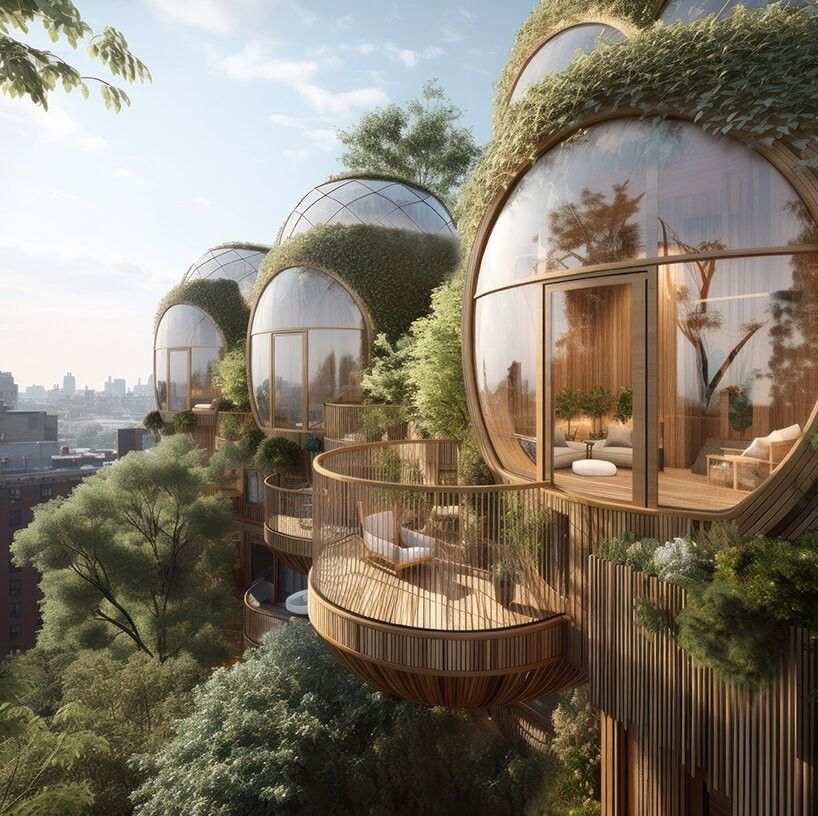
A visualization of ‘Treescrapers’ for net-zero mid-rise living in nyc_©designboom.com
Key Features of Grasshopper for Sustainable Design
Grasshopper is packed with features that make it ideal for sustainable design. From solar radiation analysis to wind flow simulations, the software provides architects with the tools they need to create buildings that are both energy-efficient and environmentally friendly. These features are essential for architects aiming to push the boundaries of what’s possible in sustainable architecture.
Advanced Strategies for Solar Radiation Optimization
Solar radiation is one of the most critical factors in climate-responsive design. With Grasshopper, architects can model how sunlight will interact with a building throughout the year, allowing them to optimize the design for both comfort and energy efficiency. By adjusting elements like facade geometry and window placement, they can minimize unwanted heat gain in summer and maximize solar exposure in winter.
1. Using Grasshopper to Model Solar Shading Devices
Effective solar shading is crucial for managing heat gain in buildings, especially in hot climates. Grasshopper enables architects to design and test various shading devices, from simple overhangs to complex louvers, ensuring they provide the desired level of protection without compromising aesthetics. These models help in selecting the best shading solutions for specific climate conditions.
2. Wind Flow Analysis with Grasshopper Software
Wind flow is another important consideration in architectural design. Grasshopper allows architects to simulate how wind will move around and through a building, helping them design structures that enhance natural ventilation. By optimizing the placement of openings and barriers, architects can reduce the reliance on mechanical ventilation systems, leading to more sustainable buildings.
3. Optimizing Building Orientation Using Grasshopper
The orientation of a building can dramatically affect its energy performance. Grasshopper software enables architects to experiment with different orientations to find the optimal position that balances sunlight, wind, and thermal performance. This process is especially important in climates where seasonal changes are extreme, ensuring that the building remains comfortable year-round.
4. Thermal Performance Analysis with Rhino and Grasshopper
Thermal performance is key to creating energy-efficient buildings. Grasshopper, when used with Rhino, allows architects to simulate how different materials and construction techniques will affect a building’s thermal properties. By analyzing these factors early in the design process, architects can make informed choices that enhance comfort while reducing energy consumption.
The Role of Grasshopper Software in Modern Architecture
Grasshopper software, a visual programming tool within Rhino, has revolutionized the way architects approach design. It allows for the creation of complex, parametric design architecture, where every element of a structure can be dynamically adjusted. This adaptability is crucial when considering factors like climate and radiation, making Grasshopper an indispensable tool for modern architects.
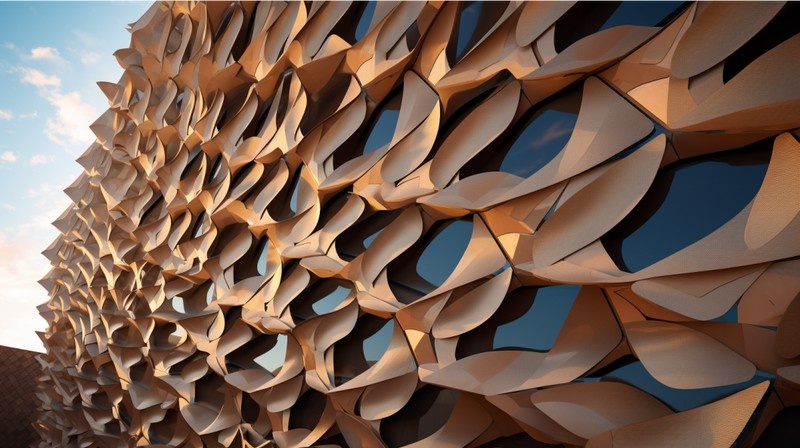
Image source - parametricworld.org
Practical Tips for Architects Using Grasshopper Software
For architects new to Grasshopper, the learning curve can be steep. However, with practice, the software becomes an invaluable tool. Here are a few practical tips:
- Start Simple: Begin with basic models before tackling more complex designs.
- Experiment: Use Grasshopper to explore different design scenarios—don’t be afraid to try new things.
- Learn Continuously: Take advantage of online resources and Rhino courses to deepen your knowledge.
These tips will help architects make the most of Grasshopper, ensuring they can create designs that are both innovative and optimized for climate and radiation.
Conclusion
As climate change continues to challenge architects, the need for climate-responsive design has never been greater. Grasshopper and Rhino architecture offer the tools necessary to meet these challenges head-on, allowing architects to create buildings that are not only beautiful but also sustainable. By mastering these tools and applying advanced strategies for optimizing designs, architects can lead the way in the future of architecture.
The future is bright for those who embrace these innovations, ensuring that our built environment is prepared to face the challenges of tomorrow.
Become a climate-conscious architect. Our Advance Rhino & Grasshopper Certification Course guides you on how to design buildings that minimize their environmental impact. Enroll today!
Visit the Kaarwan website for more insights!
FAQs
Q1: What is the importance of climate and radiation in architectural design?
A1: Climate and radiation levels impact a building's energy efficiency, comfort, and longevity. In hot climates, controlling solar radiation reduces cooling needs, while in colder areas, maximizing sunlight lowers heating demands.
Q2: How does Grasshopper software assist in environmental analysis for architectural designs?
A2: Grasshopper software enables detailed environmental simulations, helping architects assess how design elements like sun angle, wind patterns, and thermal properties interact with the surroundings, leading to informed design decisions.
Q3: What are some key features of Grasshopper that support sustainable design?
A3: Grasshopper includes tools for solar radiation analysis, wind flow simulations, and thermal performance assessments, which are essential for creating energy-efficient and environmentally friendly buildings.
Q4: How can architects use Grasshopper to optimize building orientation?
A4: Architects can use Grasshopper to experiment with different building orientations to find the optimal balance of sunlight, wind, and thermal performance, ensuring year-round comfort and energy efficiency.
Q5: What practical tips can help architects get started with Grasshopper software?
A5: Architects should start with basic models, experiment with various design scenarios, and continuously learn through online resources and Rhino courses to effectively use Grasshopper for innovative and climate-responsive designs.