

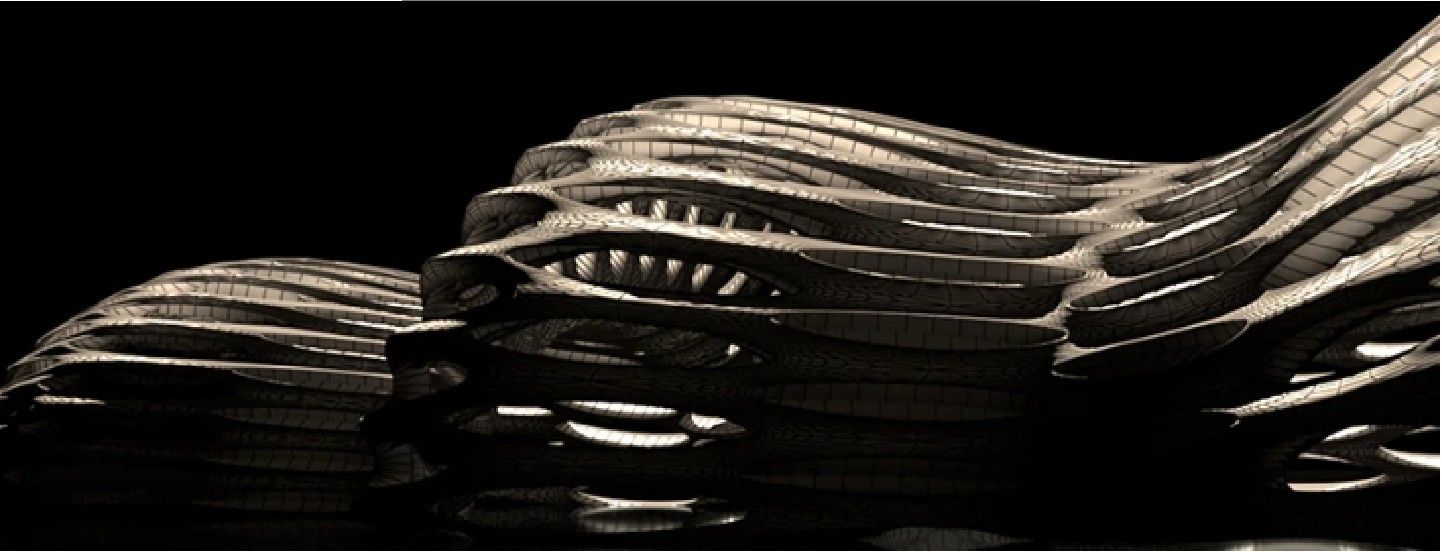
Parametric design has become one of the most transformative forces in contemporary architecture. Where once drawings and models were static representations of form, parametrics introduced relationships, rules, and adaptability into the design process. But in recent years, parametric design has evolved beyond being just a method of geometry control — it has become the gateway into computational design, where algorithms, data, and generative processes shape the future of the built environment.
In this blog, we will explore what parametric design means in the context of computational design, how the two differ yet complement each other, and the opportunities they present for architects, engineers, and urban designers.
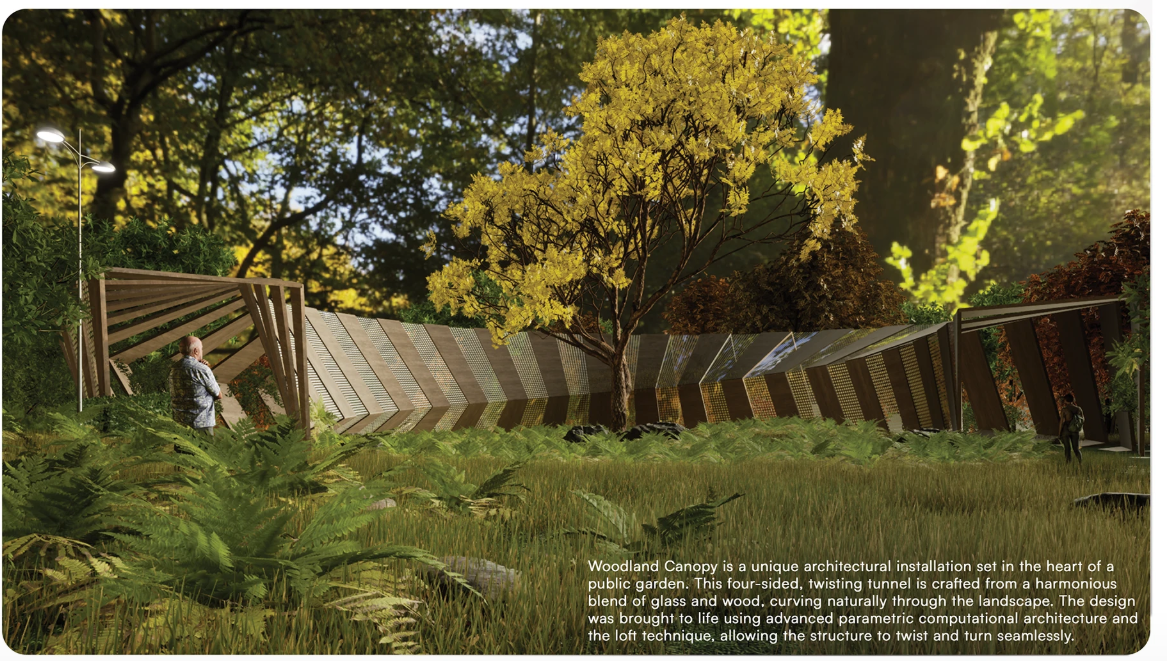
Image Source: Kaarwan Learner Portfolio from Rhino and Grasshopper Certification Course
What is Parametric Design?
Parametric design works on the principle of parameters and relationships. A designer sets rules that govern elements — such as the distance between columns, the curvature of a roof, or the rotation of façade panels — and the model adapts when the parameters change.
Tools like Grasshopper for Rhino or Dynamo for Revit have made parametric design more accessible. These platforms allow designers to create visual scripts that define design logic without needing to write full code.
Examples include:
- Façades that respond to solar orientation.
- Roof structures shaped by structural efficiency.
- Urban layouts influenced by pedestrian flows.
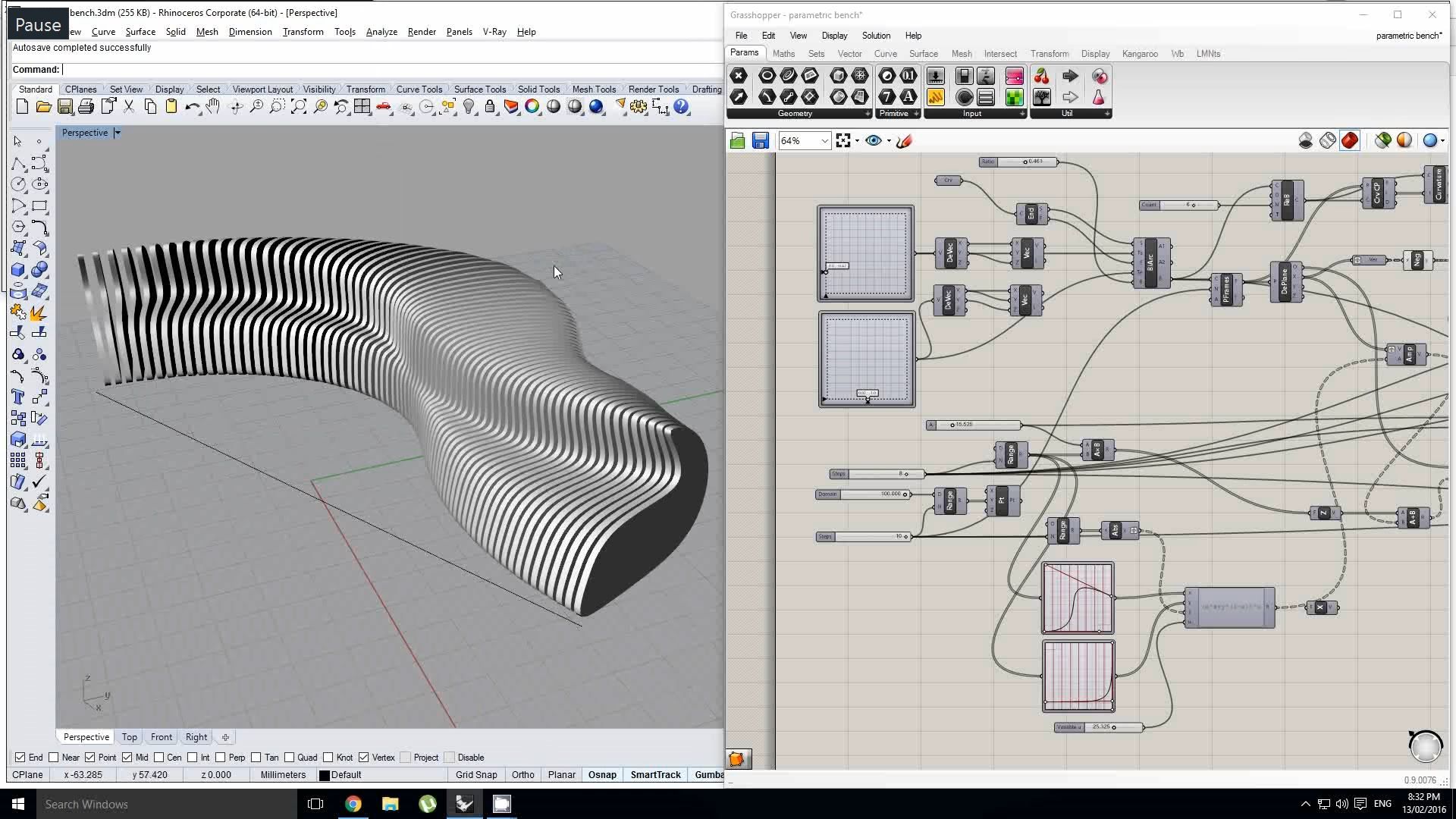
Image Source: Daniel Christev
Parametrics vs Computational Design
While the terms are often used interchangeably, parametric design and computational design are not the same thing.
- Parametric Design: Focuses on relationships and rules between geometric elements.
- Computational Design: Goes further, using algorithms, simulations, and data-driven logic to generate and optimise design outcomes.
In short, parametric design is a subset of computational design. Parametrics is often the stepping stone that introduces architects to the computational mindset.
Why Parametrics is Key to Computational Design
- Bridging Geometry and Data Parametric design allows architects to translate design intent into flexible systems. This flexibility is the foundation upon which computational methods — like generative design or machine learning — can build.
- Performance-Driven Outcomes. By embedding environmental or structural parameters, computational design expands parametric models into performance-based decision-making tools. For instance, instead of designing a roof solely by form, computational workflows can generate hundreds of parametric variations and select the one with the best daylighting performance.
- Scalability Parametrics enables the scaling of design thinking from the detail of a façade panel to the complexity of entire urban districts. Computational design extends this by simulating population growth, traffic flow, or climate resilience.
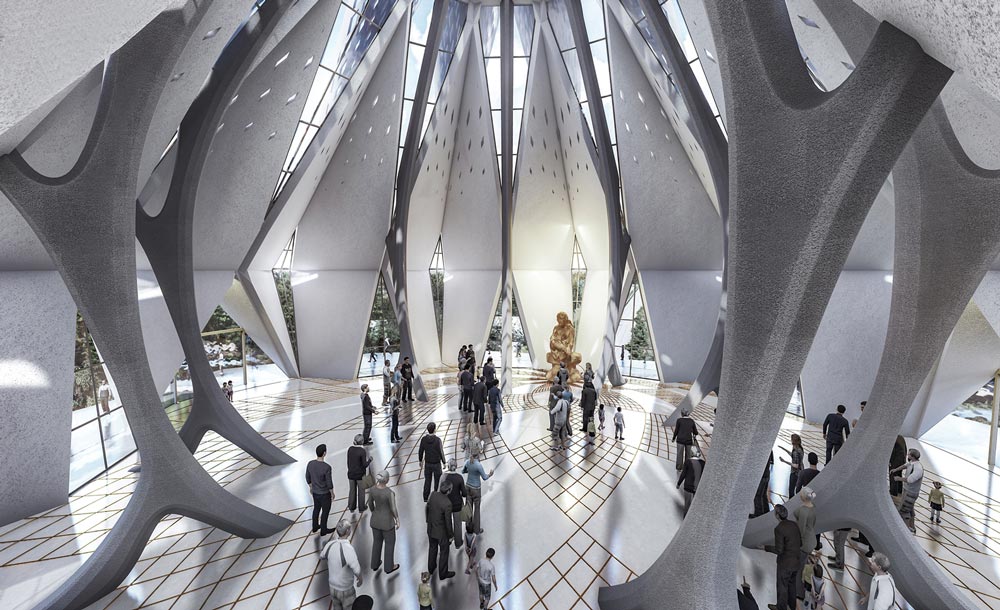
Image Source: rat (LAB) Studio and Shilpa Archtiects, Sai Baba Temple Proposal
Applications of Parametric and Computational Design
1. Façade Systems
Parametric façades respond to sun, wind, and user comfort. Computational workflows take this further by testing thousands of iterations to find the optimal balance of shading, views, and aesthetics.
2. Structural Optimisation
Parametric geometry helps define structural form, while computational algorithms such as topology optimisation ensure material efficiency and strength.
3. Urban Design
Parametric models can establish density rules or plot layouts. Computational methods incorporate pedestrian behaviour, mobility data, and environmental simulations to design smarter, more resilient cities.
4. Climate-Responsive Architecture
Parametric rules can adapt openings or shading devices to local climate data. Computational models link with environmental analysis software to create buildings that truly respond to their context.
The Benefits of Parametric and Computational Design
- Iteration at Scale: Designers can explore hundreds of options quickly.
- Data-Driven Decisions: Moves design from intuition alone to measurable performance.
- Innovation: Enables forms and systems that would be impossible to conceive manually.
- Integration Across Disciplines: Engineers, architects, and planners can all work within shared computational frameworks.
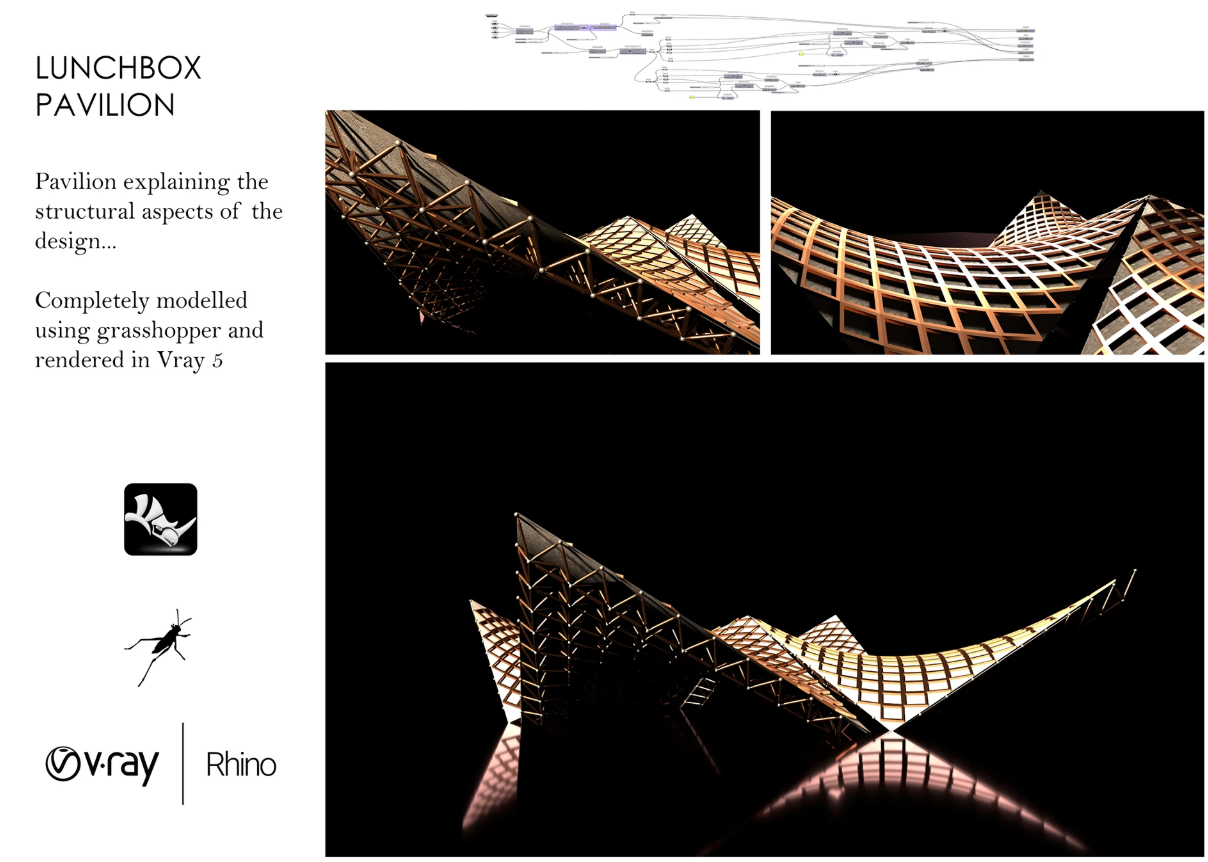
Image Source: Kaarwan Rhino+Grasshopper Full Course, Learner Portfolio
Challenges in Practice
- Steep Learning Curve: Tools like Grasshopper or Python scripting demand new skills.
- Computational Load: Running hundreds of iterations requires powerful hardware.
- Data Integration: Computational design relies heavily on accurate, accessible data, which is not always available.
- Cultural Resistance: Some traditional practices still view computational design as “over-engineering” rather than innovation.
The Future of Computational Parametrics
- Artificial Intelligence and Machine Learning AI will use parametric logic as a base, training algorithms to generate designs that optimise multiple goals simultaneously — cost, sustainability, aesthetics, and user comfort.
- Digital Twins Parametric models linked to real-time data will allow buildings to evolve and adapt post-construction, creating living systems rather than static architecture.
- Cross-Disciplinary Integration Future workflows will merge architectural design with biological systems, geology, or material sciences, requiring parametrics to serve as a universal design language.
- Accessible Scripting As visual programming matures, parametric computational design will become more accessible, reducing the barrier between architects and coding.
Conclusion
Parametric design has redefined the way architects approach form, flexibility, and iteration. But when viewed within the larger context of computational design, it becomes clear that parametrics is just the beginning. It provides the stepping stone from geometry-driven adaptability to data-driven intelligence.
For the AEC industry, embracing parametrics within computational workflows is not optional; it is the pathway to innovation, sustainability, and resilience in design. The architects of the future will not just draw or model — they will script, simulate, and optimise, designing with rules, data, and intelligence as their new materials.
FAQs
1. How is parametric design different from computational design?
Parametric design sets rules and relationships between design elements, while computational design uses algorithms and data-driven processes to optimise outcomes.
2. What tools are used in computational design?
Grasshopper, Dynamo, Python, and Ladybug/Honeybee are popular tools in computational design workflows.
3. Can parametric modelling improve sustainability in architecture?
Yes, parametric models can embed climate data, material efficiency, and energy performance parameters, enabling sustainable decision-making.
4. Is computational design only for advanced projects?
No. While often used in complex projects, computational design can also streamline everyday tasks like optimising layouts or improving daylighting in small buildings.



.png)