Peace Architecture: Designing Buildings that Facilitate Diplomacy
"Architecture is the will of an epoch translated into space." – Ludwig Mies van der Rohe
Buildings are not just bricks and mortar; they are narratives, silent witnesses to our ambitions, fears, and hopes. But what happens when we design spaces with the explicit intent of fostering peace? Can architecture transcend its physicality to become a catalyst for diplomacy and conflict resolution? This blog explores the profound role of architecture in shaping environments that encourage dialogue, understanding, and harmony in an increasingly polarized world.
The Power of Space in a Polarized World
In a time marked by geopolitical tensions and fractured communities, the spaces where we convene carry immense significance. Architecture influences emotions, decisions, and behaviors in ways we often overlook. A serene courtyard can lower heart rates and ease conversations, while imposing structures may stoke intimidation.
This understanding gives rise to peace architecture—the art and science of designing spaces that encourage diplomacy, consensus among conflicting parties, and conflict resolution. Such spaces are instrumental in conflict prevention, addressing the price of failed conflict prevention and reducing the likelihood of violent conflicts.
Lessons from History
Camp David Accords: The Power of Informal Spaces
Nestled in the woods of Maryland, Camp David’s tranquil retreat played a pivotal role in the 1978 peace talks between Egypt and Israel. Removed from the embedded conflict, the informal setting diffused power dynamics, creating a space for genuine dialogue.
Agora of Ancient Greece: The Cradle of Democracy
The Agora was more than a marketplace; it was a hub of free exchange, symbolizing transparency and inclusivity. Its open layout embodies the collective action necessary for diplomacy and peace building.

The Agora in Athens, Image Source: Whyathens.com
United Nations Headquarters: A Monument to International Cooperation
The United Nations Headquarters in New York symbolizes the aspirations of international peace and collaboration. Its design emphasizes neutrality, essential for international organizations working toward lasting peace.
Design Principles for Peaceful Spaces
Neutrality and Inclusivity
Spaces like round-table setups eliminate hierarchical divides, emphasizing equality among parties to a conflict. This design fosters mutual respect, critical for reaching an agreement during peace efforts.
Cultural Sensitivity
Incorporating local traditions into architecture can enhance trust. For instance, Japan’s tea houses embody harmony and mindfulness, traits essential for conflict management.
Biophilic Design: A Connection to Nature
Natural elements in architecture, such as gardens or serene landscapes, reduce stress and enhance focus. Biophilic principles can transform spaces for public diplomacy by catalyzing calm and reflective discussions.
Flexibility and Functionality
Adaptable spaces are invaluable for hosting diverse diplomatic events. The European Parliament's design, for example, symbolizes adaptability—an essential trait for resolving conflicts in the dynamic international system.
Real-Life Examples of Peaceful Architecture
Oslo Peace House: A Beacon of Simplicity
Minimalist in design and bathed in natural light, the Oslo Peace House demonstrates that diplomacy thrives in unassuming, functional spaces. Its design reflects the importance of humility in international relations.
Berlin Wall Memorial: Healing Through Reflection
The Berlin Wall Memorial provides a space for reflection and reconciliation. It underscores the role of memory in confronting the past to shape the world toward peace and security.
African Union Headquarters: A Symbol of Unity
Blending modernist design with African motifs, the African Union’s headquarters reflects solidarity and sustainable development. This landmark highlights the intersection of architectural design and international cooperation.
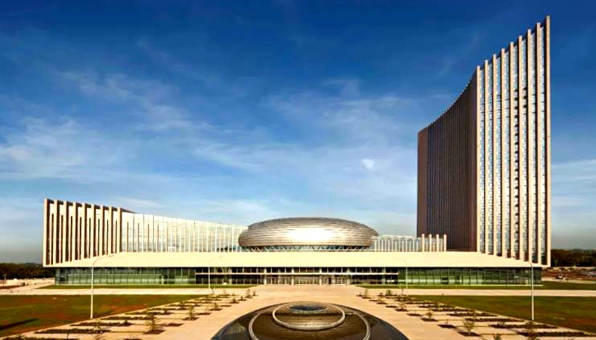
African Union Headquarters, Image Source: Mofcom.gov.cn
Challenges in Designing for Diplomacy
Balancing Security and Approachability
Creating spaces for peace demands balancing security requirements with openness. The Security Council, for example, must ensure robust security architecture without compromising accessibility.
Budgetary Constraints
Peace architecture often competes with pressing financial demands. Yet, the costs of violence continue to outweigh investments in such spaces, underscoring the need for collective action to prioritize peace and security architecture.
Cultural and Political Differences
Designs must respect the nuances of diverse societies. A consensus among stakeholders is vital to ensure the space is inclusive and culturally sensitive.
The Role of Architects in Peace-Building
Architects are not mere builders but visionaries shaping the environments where critical decisions are made. Their vital role includes:
- Championing Neutrality: Designing spaces that promote equality.
- Collaborating Across Disciplines: Partnering with sociologists, diplomats, and local communities to meet diverse needs.
- Educating Future Generations: Inspiring students to harness architecture as a tool for peace research and social change.
The United States Institute of Peace serves as an example of how architecture can align with peace movements, facilitating dialogue and fostering the resolution of international conflicts.
The Future of Peace Architecture
The international system faces increasing challenges, from the deterioration of the environment to the danger of nuclear conflicts. By integrating architectural innovations into peace efforts, architects can work tirelessly to address these global issues.
Peace movements alerted the international community to the potential of architecture in creating spaces that foster unity. Events like the peace marches in the eighties illustrate the catalyzing effect of such movements in raising life and death questions that confront mankind.
Conclusion
"Great architecture is not just about buildings; it’s about building bridges—between people, ideas, and possibilities."
As architects, students, and professionals, we are tasked with designing spaces that not only inspire but also bring societies closer. From peace architecture to sustainable spaces for international humanitarian law, our creations can help resolve conflicts and prevent future ones.
The collective good of peace lies in the designs we create today. Let every blueprint be a testament to the idea that architecture can truly shape the world for the better.
In this journey toward lasting peace, architects have the opportunity to redefine their roles—not just as builders of structures but as builders of hope, harmony, and a more united tomorrow.The future of architecture is bright, but are your skills keeping pace? Kaarwan's architecture-specific courses provide you with the knowledge and tools to confidently navigate the AEC industry. Gain valuable insights, master in-demand software, and stand out with designs that impress!
FAQs
- What is peace architecture?
Peace architecture designs spaces fostering diplomacy, inclusivity, and conflict resolution. It emphasizes neutrality, cultural sensitivity, and thoughtful environments to encourage dialogue and understanding in polarized settings. - How does architecture influence diplomacy?
Architecture creates environments shaping emotions and behaviors. Thoughtful designs promote neutral, inclusive spaces, fostering open dialogue, mutual respect, and successful negotiations, essential for diplomacy and conflict resolution. - Can building design prevent conflicts?
While not a standalone solution, peace architecture facilitates communication, reduces tensions, and supports conflict prevention by creating spaces conducive to dialogue and mutual understanding. - What are examples of peace architecture?
Examples include the United Nations Headquarters symbolizing neutrality, the Berlin Wall Memorial fostering reflection, and Camp David’s serene retreat supporting conflict resolution and diplomacy. - What principles guide peace architecture?
Neutrality, inclusivity, cultural sensitivity, flexibility, and biophilic design are essential principles, creating spaces that inspire calm, equality, and dialogue in efforts to resolve conflicts and build peace