

Why Phase Change Materials (PCM) Matter for the Future of Climate-Responsive Architecture
Across architecture schools in India, most students still think material study means tiles, brick, concrete properties, absorption, density, permeability ,etc. But the world outside campus is moving towards energy intelligence inside buildings. Not just forms. Not just façades. And Phase Change Materials (PCM) are one of the simplest examples where material science directly solves thermal comfort problems — without adding unnecessary mechanical load.
_1762096435506.jpg)
So what are PCMs?
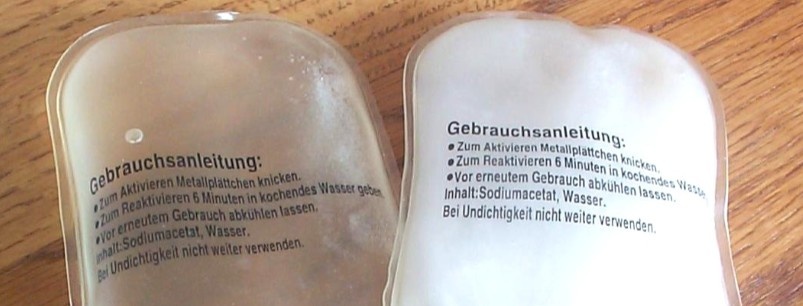
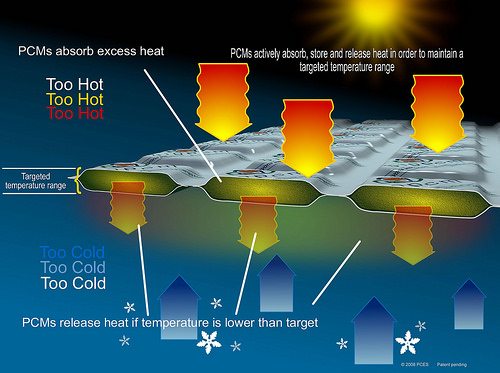
PCMs are materials that store and release thermal energy when they melt or solidify at certain temperatures. These materials literally behave like a thermal battery inside the building envelope.
That means instead of depending only on HVAC, VRF, mechanical cooling… buildings can intelligently buffer temperature swings in walls, roofs & floors.
Important to think like a “Building Scientist”, not just a “Building Designer”
One of the biggest pain points young architecture students face:
- They design nice forms
- They explore expressive geometry
- They get inspired by Pinterest + Midjourney aesthetics
…but thermal performance + energy response gets ignored because it feels too technical or too “engineering side”.
This is the gap Kaarwan wants to close early in the learning journey — giving small peeks into niche areas which actually shape the future job market of AECO.
PCMs are a perfect example of a niche that helps students realise: Material selection = operational carbon control.
How does Phase Change Material work?
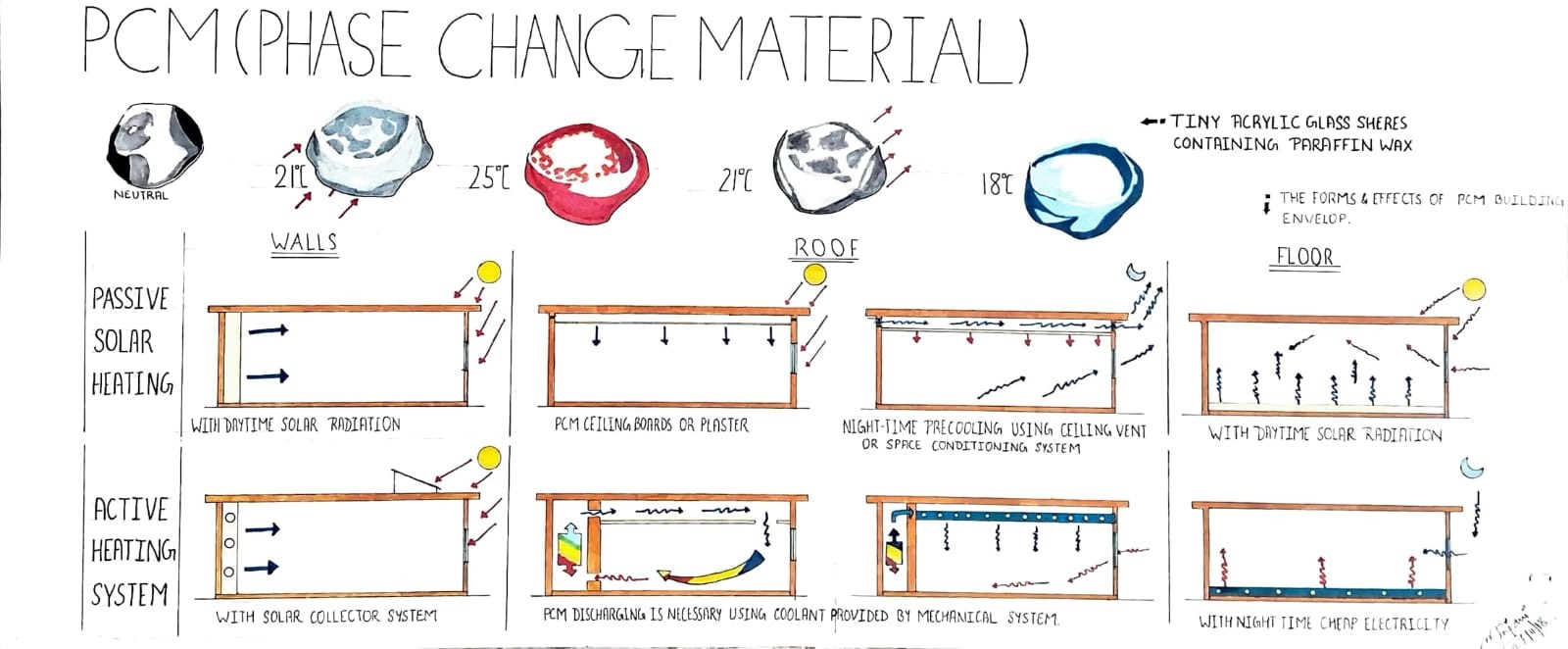
Image Source: Hand Drafted, Author Ar. Pragya Laungani
When daytime heat increases, → PCM absorbs heat → material melts, but temperature stays stable. When the temperature drops at night → PCM releases heat → material solidifies, keeping comfort stable.
So even if someone can’t afford expensive HVAC, the building envelope itself works as a low-energy stabiliser.
This is why schools, low-income housing pilots, high performance sustainable research prototypes — love PCMs.
Climate-responsive architecture is no longer a research centre topic; it is a commercial reality. And the people who understand material science + BIM + performance logic will lead the next AECO leap.
Where can PCMs be used in architecture?
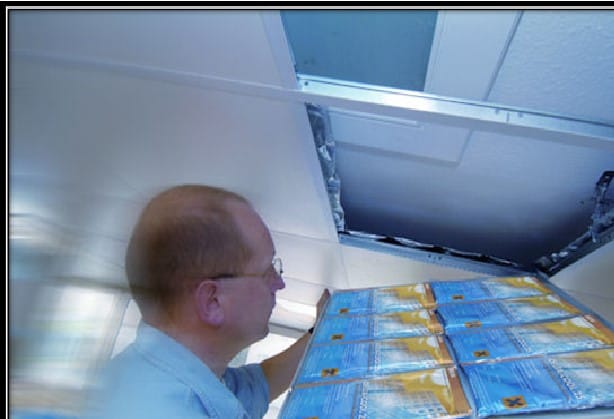
Image Source: Civil Digital
| Location | Why it matters |
| Internal Walls | Stabilises day/night temperature fluctuations |
| Flooring Slabs | Stores thermal mass through the day |
| Roof Assembly | Reduces peak heat gain (huge for tropical India) |
| Within lightweight assemblies | Converts “thin envelope” into energy buffering |
You might have seen visuals like the sketch shared above: day vs night, active heating vs passive solar heating, PCM integrated with solar collector systems etc. These are not futuristic concept drawings — research labs globally already test and optimise them.
India is mostly a cooling-dominated climate region. Our heat problem is not “winter loss”. It is relentless solar gain. If the envelope can store + buffer heat intelligently, the dependency on mechanical cooling reduces drastically.
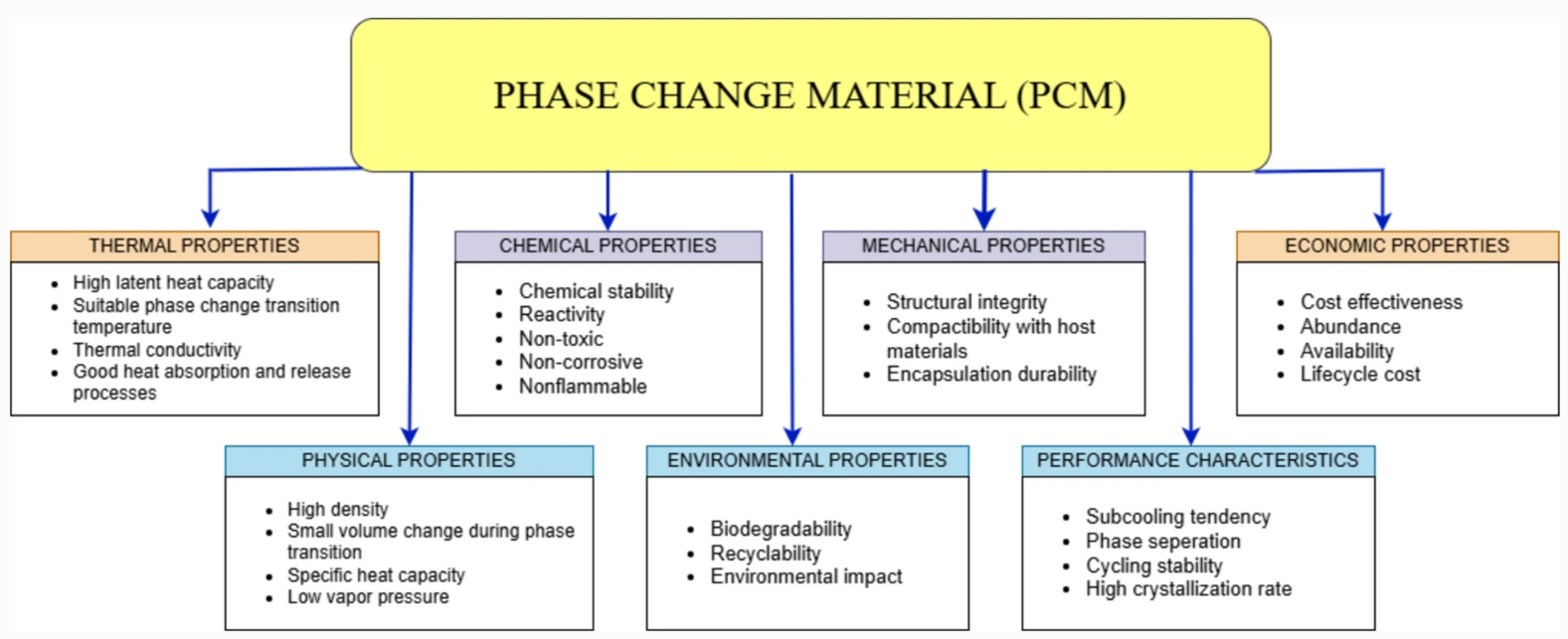
This means PCM becomes very relevant for:
- Prefab housing
- Hostels & student residences
- Earth + hybrid material projects with low thermal inertia
- Smart building startups
- Computational design teams working on envelope performance modelling
And this is exactly where AECO demand is heading.
Final Thoughts
PCM materials are not “special sci-fi materials”. They are practical, scalable and directly useful for India’s climate challenge. It will be of a lot of help for students if they start reading materials as dynamic thermal systems instead of static components — they will immediately start thinking like future-ready, problem-solving architects.
Architectural intelligence today = Design + Data + Material Performance Thinking
And PCM is just one step ahead. Professionals just need to think how to reduce waster with PCM and advance products coming up like it. There is always need for intelligent minds, actually serving society and putting what's necessary on the forefront!
Explore Kaarwan's GATE Crash Course led by AIR 1 and seasoned professionals who have aced even their academic journeys, and start prepping for masters in full form.
FAQs
1) Is PCM expensive?
Costs vary based on brand & form, but it’s becoming accessible as demand grows.
2) Do PCMs replace HVAC?
No. They reduce load — they don’t eliminate it.
3) Can students test PCM in academic studio projects?
Yes — especially in envelope detail drawings, daylight simulation, performance modelling.
4) Where do architects typically specify PCM?
Roof, wall assemblies, floor slabs, modular interior envelopes.
5) Is PCM already used in India?
Early stage — but rapidly entering research labs, experimental housing prototypes and energy-conscious boutique firms.




.png)