Did you know that by 2050, urban areas will need to feed 68% of the global population? As urban development expands and populations grow, urban food systems must evolve to bridge the gap between food production, distribution, and consumption. This calls for a transformative approach to food and agriculture, where architecture plays a pivotal role.
The challenge lies not only in feeding urban residents but in doing so sustainably, reducing environmental impacts, and ensuring food security for all. Post-industrial food systems, shaped by innovative architectural interventions, are the cornerstone of this vision.
The Evolution of Food Systems: From Industrialization to Sustainability
Historically, food systems have reflected societal advancements. The industrial revolution revolutionized agricultural production, introducing mechanized farming systems and centralized food supply chains. However, these systems, often driven by globalization, have stretched ecological limits, contributing to waste, inefficiency, and environmental degradation.
Today, we are witnessing the emergence of post-industrial landscapes characterized by sustainable food systems that interconnect urban agriculture with architecture. These systems are designed to reduce food waste, enhance food accessibility, and integrate technology with environmental stewardship.
Frameworks for Post-Industrial Food Systems Architecture
1. Urban Farming Infrastructure
Urban farming is transforming how cities grow food. By reimagining unused spaces, architects are creating urban agricultural systems such as vertical farms, rooftop hydroponic gardens, and on-site community gardens.
Case Study: The Sunqiao Urban Agricultural District in Shanghai exemplifies urban agriculture by combining hydroponics with public education. This initiative demonstrates how farming systems can be integrated into urban development to reduce food miles and amplify existing food systems.
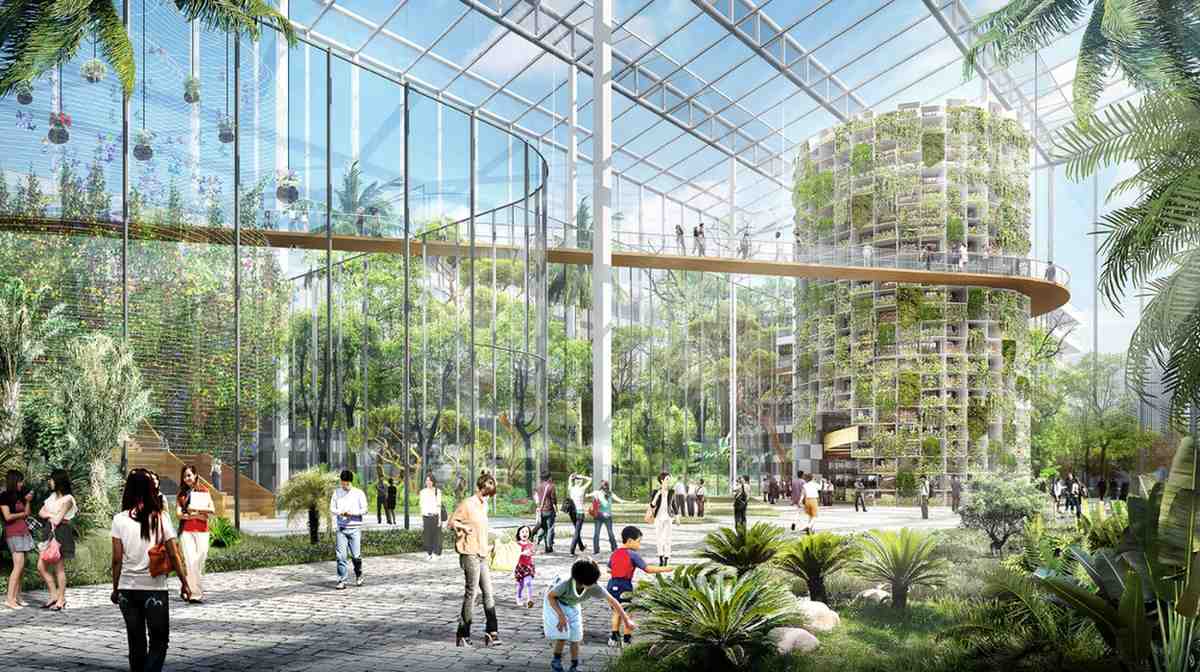
Sunqiao Urban Agricultural District in Shanghai, Image Source: Sasaki.com
2. Food Hubs and Supply Chains
Food hubs and distribution centers serve as vital links in sustainable food systems, connecting local food producers to urban consumers. These spaces reduce food insecurity by enhancing the supply chain's efficiency and supporting local economies.
Example: Regional food hubs across North America are designed to reduce food miles and facilitate local food distribution. By centralizing fruit and vegetable storage, these hubs optimize every stage of the food system.
3. Community-Centric Design
Sustainability is not just about systems; it’s about people. Architects are creating spatial designs that foster collaboration and community. Food markets, co-ops, and collaborative kitchens offer urban residents places to connect, share, and consume food.
The Sydney Sustainable Markets initiative exemplifies how local and regional spaces can transform into vibrant food-rich environments, filled with emotion and accessible to all.
4. Integration of Technology and Innovation
Post-industrial food systems architecture is inherently collaborative, relying on advanced technologies. IoT-enabled sensors, AI-powered farming systems, and urban food policy frameworks are shaping the future of food.
Example: Plantagon CityFarm in Sweden exemplifies how technology and architecture interconnect to optimize agricultural production. By integrating office spaces with vertical farming, the system reduces waste and uses resources efficiently.
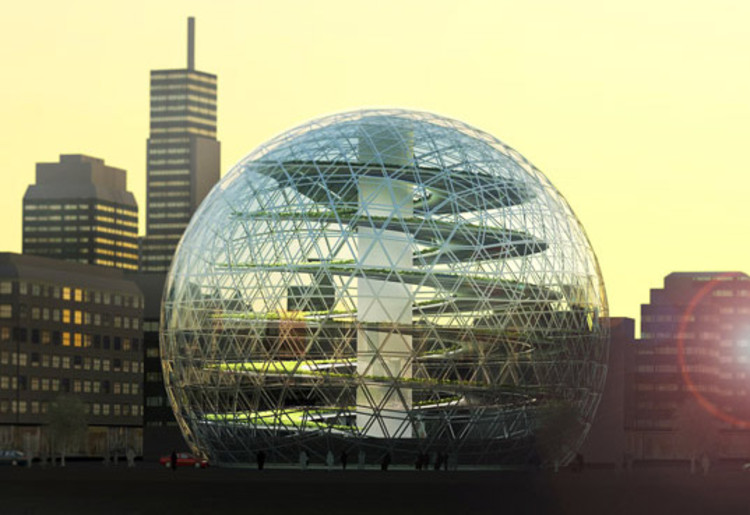
Plantagon Vertical Farm in Sweden, Image Source: ArchDaily.com
Addressing Challenges and Opportunities
The shift toward post-industrial food systems is not without hurdles. Policymakers and architects face challenges like high costs, regulatory barriers, and the scalability of urban food systems. However, these challenges also create opportunities for innovative interventions, especially in low-income urban areas where food insecurity is a pressing issue.
Emerging economies can adopt frameworks that prioritize local food systems, reduce food waste, and promote accessibility. Sustainable food systems not only support urban residents but also serve as models for global food transformation.
Key Concepts in Post-Industrial Food Systems
1. Circular Economies and Waste Reduction
The concept of a circular economy in food systems involves designing agricultural production systems that minimize waste and reuse resources. This approach aligns with sustainability goals, ensuring that systems are not just efficient but also regenerative.
2. Biophilic Design and Urbanism
Biophilic architecture integrates natural elements into urban spaces, promoting well-being and reducing environmental impacts. From green roofs to urban farms, biophilic interventions are reshaping the urban food environment.
3. Collaboration and Stakeholder Engagement
Stakeholders, including architects, urban planners, and community leaders, play a crucial role in facilitating food system transformation. Collaborative efforts are essential to amplify the impact of sustainable initiatives and ensure their long-term success.
The Role of Architects in Shaping the Future of Food
As Bjarke Ingels aptly puts it, “Architects are no longer just building shelters; they are building systems that sustain life.” Modernist approaches to architecture are being replaced with designs that prioritize sustainability and accessibility.
Schools of architecture and urban planners are increasingly focusing on teaching students how to interconnect agriculture and food systems within urban contexts. By embracing a systems approach, architects are driving change at every stage of the food supply chain.
Case Studies and Real-World Applications
1. Plantagon CityFarm, Sweden
A fusion of vertical farming and office spaces, Plantagon CityFarm reduces food miles, optimizes energy use, and redefines urban food production systems.
2. Sunqiao Urban Agricultural District, Shanghai
This initiative transforms urban spaces into agricultural hubs, blending advanced hydroponic techniques with education to ensure the sustainability of food systems.
3. Regional Food Hubs, North America
These hubs facilitate food security by connecting farmers, food stores, and consumers, reducing food waste and strengthening local food supply chains.
Building a Collaborative Future for Food Systems
The future of food and agriculture lies in collective action. From policymakers to urban residents, every stakeholder has a role to play in reshaping food systems.
Small and medium interventions—like advocating for rooftop gardens, supporting community gardens, or participating in sustainable food initiatives—can drive meaningful change.
Conclusion: Designing a Sustainable Food Future
Post-industrial food systems architecture represents more than a design challenge; it’s a movement toward a healthier, more sustainable planet. By integrating urban agriculture, innovative supply chains, and community-centric designs, architects are creating frameworks that ensure food security and reduce environmental impacts.
The question is not whether we need to transform our food systems but how boldly we’ll embrace the challenge. Let’s build a world where the future of food is sustainable, inclusive, and accessible to all.
The future of architecture is bright, but are your skills keeping pace? Kaarwan's architecture-specific courses provide you with the knowledge and tools to confidently navigate the AEC industry. Gain valuable insights, master in-demand software, and stand out with designs that impress!
FAQs
1. What is post-industrial food systems architecture?
It refers to designing sustainable urban food production and distribution systems that integrate architecture and agriculture.
2. How does urban agriculture contribute to sustainable food systems?
Urban agriculture reduces food miles, enhances food security, and promotes local food production within city landscapes.
3. What role do architects play in urban food system transformation?
Architects design spaces that facilitate urban farming, food distribution, and community engagement, fostering sustainable food environments.
4. What are examples of innovative urban farming infrastructure?
Examples include vertical farms, rooftop gardens, and hydroponic systems integrated into urban buildings.
5. How can technology enhance urban food production systems?
Technologies like IoT sensors and AI optimize crop yields, resource use, and overall efficiency in urban farming.