

When the Streets Become Rivers
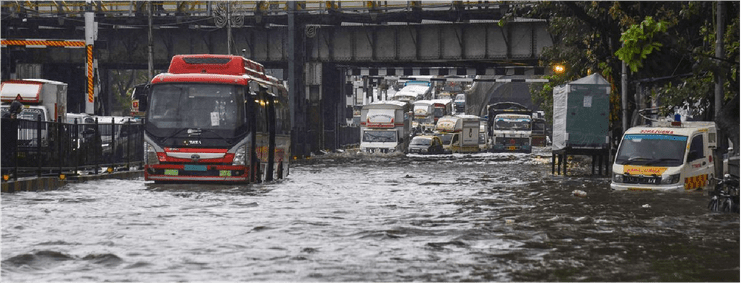
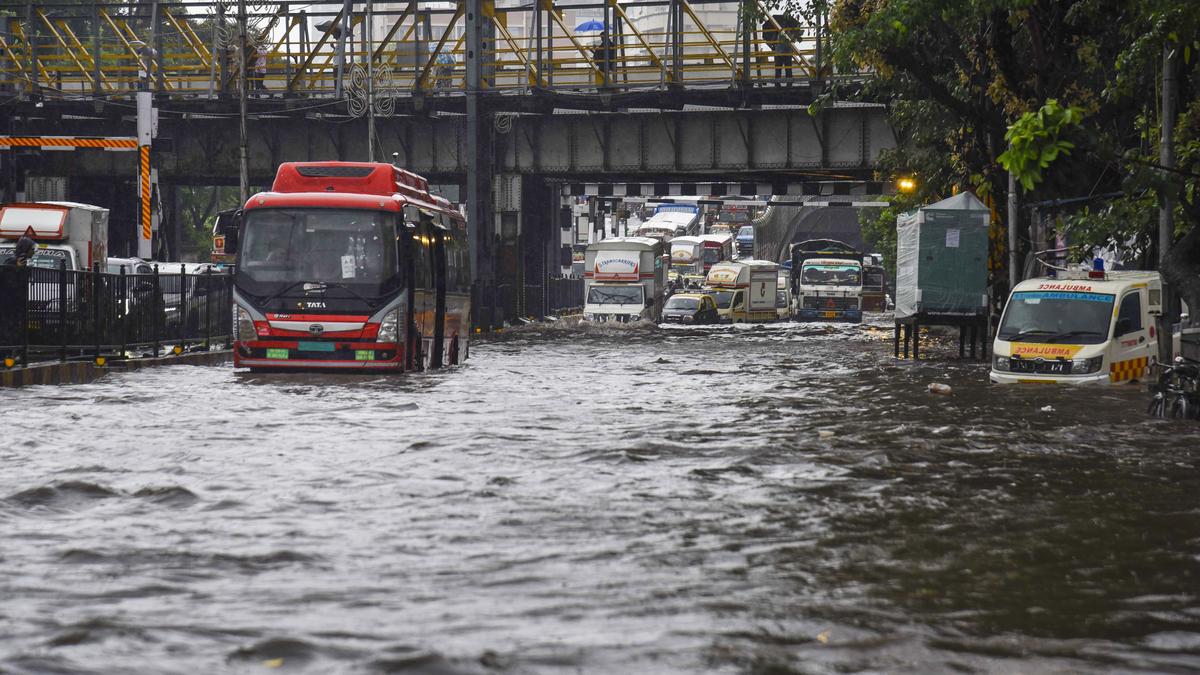
In cities across the world, it has become a familiar sight. Monsoon rains arrive, drains overflow, and roads transform into rivers within minutes. News headlines are filled with images of commuters wading through knee-deep water, cars stranded mid-road, and homes left waterlogged. For the layperson, it may seem as though the rains are heavier than ever before. For architects and urban designers, however, a troubling question emerges: are our stormwater systems failing us?
Climate change is undeniably altering rainfall patterns, but the story does not end there. The way we plan, build, and manage cities is playing an equally critical role. Architecture, once primarily concerned with shelter and form, now faces an urgent responsibility — to design spaces and systems that help cities cope with water, not collapse under it.
The Anatomy of Urban Flooding
To understand why urban flooding has become so widespread, one must first examine the systems designed to prevent it. Stormwater systems — the hidden networks of drains, culverts, and retention basins — were engineered decades ago with rainfall assumptions of the time. Yet, the scale and intensity of today’s rainfall events have far outstripped those projections.
But it is not simply a matter of “too much rain.” Cities, in their race for expansion, have hardened their surfaces. Asphalt roads, concrete plazas, and high-rise developments have replaced soil, wetlands, and permeable land. Where water once had natural outlets — infiltration into the ground, slow absorption into wetlands — it now rushes unimpeded across surfaces, overwhelming drainage systems.
For architects, this is not merely an engineering problem. It is a design problem. Every paved square metre, every building footprint, every overlooked swale contributes to the greater hydrological equation.
The Architectural Lens: Beyond Engineering
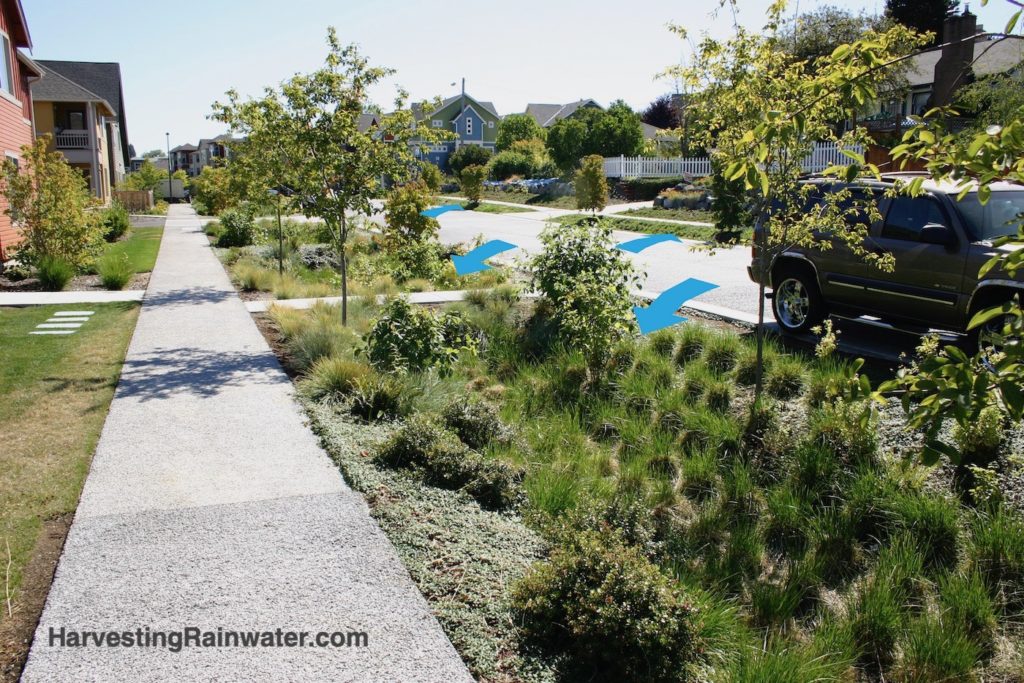
Engineers are tasked with capacity — designing drains large enough, pumping stations strong enough, and reservoirs deep enough. Architects, on the other hand, bring the dimension of lived experience. They shape courtyards that absorb rainfall, roofs that harvest it, and landscapes that invite water to linger rather than escape.
Cities like Copenhagen and Rotterdam have pioneered the idea of “blue-green infrastructure” — where parks double as flood retention areas, and urban plazas transform into water basins during storms. Singapore’s Bishan-Ang Mo Kio Park is perhaps the most celebrated example, where what was once a sterile concrete canal has been re-imagined as a naturalised river with adjoining wetlands. In heavy rains, the river swells, absorbing excess stormwater; in normal times, it functions as a vibrant public park.
The message is clear: stormwater need not be treated as an enemy. With thoughtful design, it can be integrated into urban life, enriching both ecology and community.
Real strategies from the jury desk to the exam hall — join our GATE Strategy Masterclass with AIR 14, and Thesis Bootcamp led by SPA jurors & IIA Gold Medalists.
Why Systems Are Failing Us
Stormwater systems are not “failing” merely because they were poorly designed; they are failing because our cities have outgrown them. Several key issues stand out:
- Outdated Infrastructure – Much of the world’s drainage networks were laid decades ago, never intended for today’s rainfall volumes.
- Loss of Natural Buffers – Wetlands, rivers, and ponds once absorbed excess water. Urbanisation has steadily erased these buffers.
- Poor Maintenance – Even the best systems falter when choked with debris, silt, or unplanned encroachments.
- Short-Sighted Planning – Rapid real estate development often overlooks hydrology. In many cases, building codes fail to enforce stormwater-sensitive design.
This is not a matter of “bad cities.” It is the result of systemic neglect — a failure to see water as a central player in urban life.
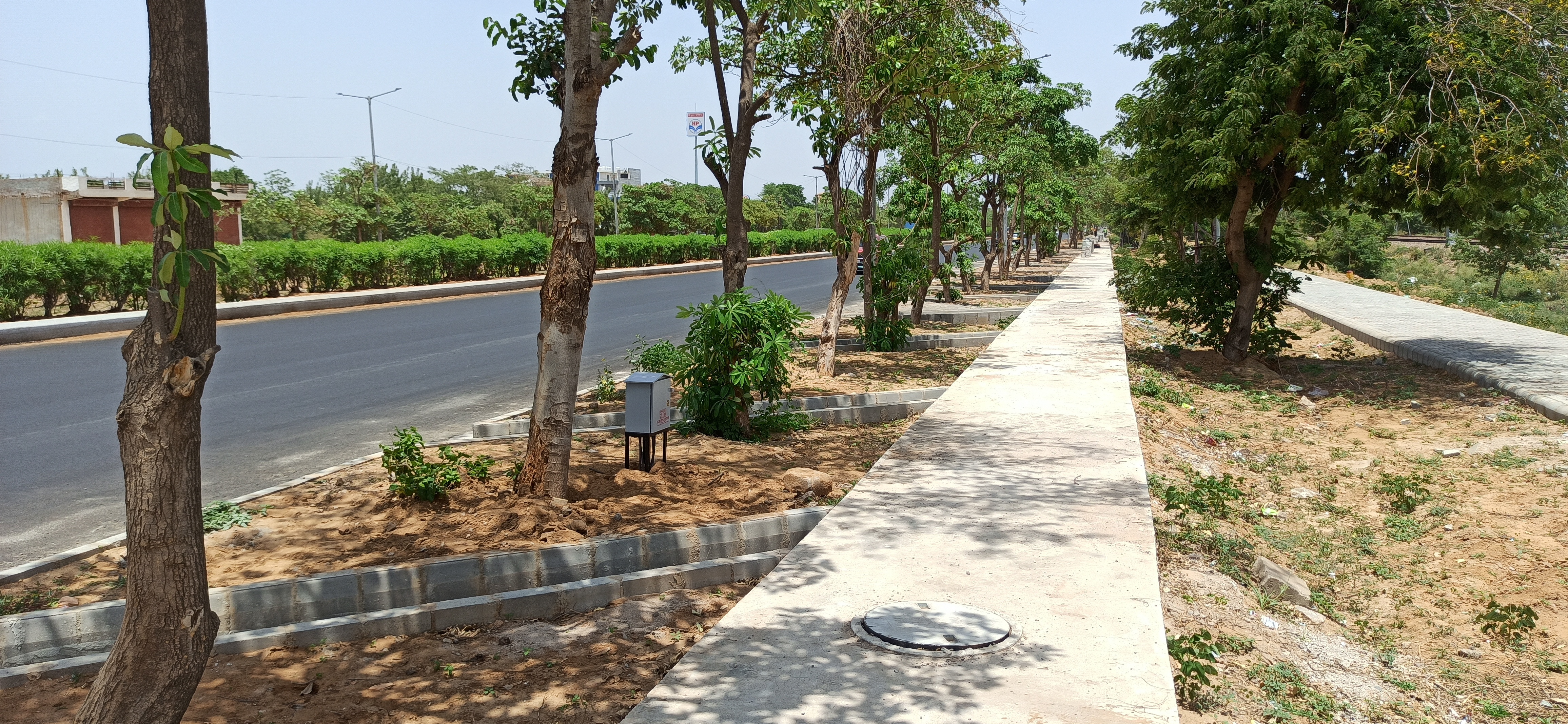
Image Source: Studio HA, Diagnol Slits, through Ganga Marg road, that channel storm water to recharge ground water and store some place else. Jaipur, India.
Towards Water-Resilient Cities
For professionals and students of architecture, the challenge — and opportunity — lies in re-imagining how cities live with water. Solutions must transcend the invisible pipe-and-drain model and embrace strategies visible, accessible, and adaptable.
Some of these include:
- Permeable Surfaces: Introducing paving materials that allow water to seep through, reducing surface runoff.
- Green Roofs & Walls: Vegetated surfaces that not only absorb rainfall but also cool cities.
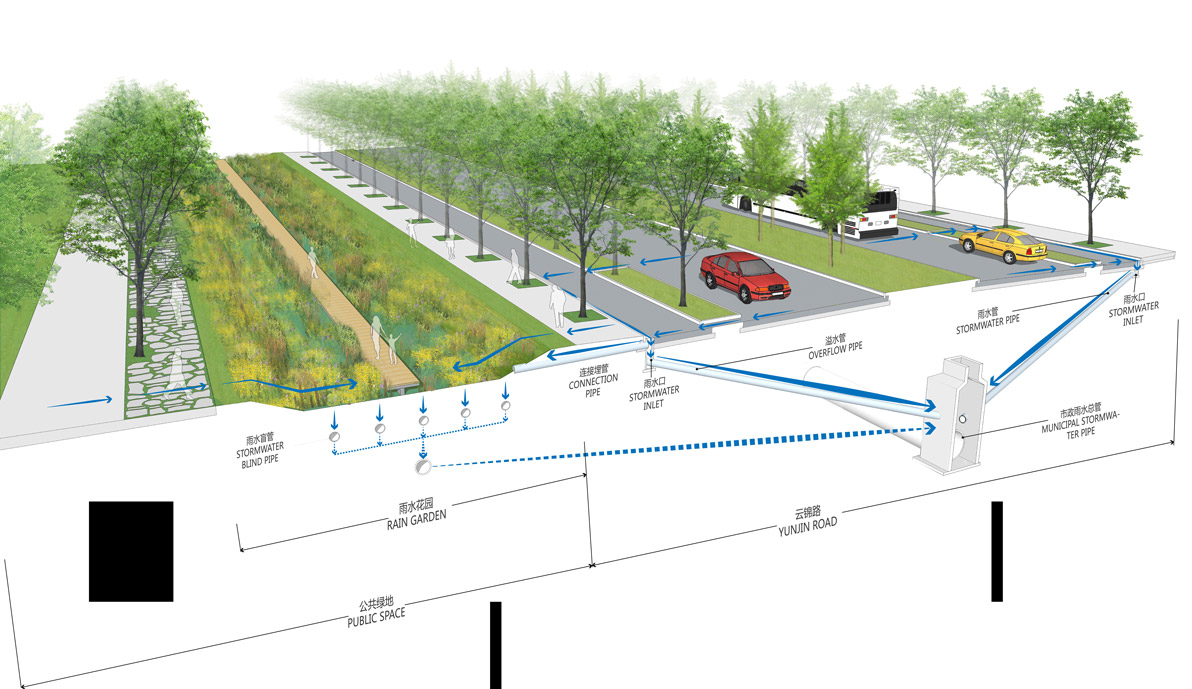
- Rain Gardens & Bioswales: Landscaped depressions that slow and filter stormwater before it reaches drains.
- Urban Wetlands: Restored or constructed wetlands that act as natural sponges within city fabric.
- Water-Sensitive Building Design: Integrating rainwater harvesting and on-site storage into every building.
Such interventions may appear small in isolation, but collectively, they shift a city’s relationship with water from confrontation to coexistence.
The Human Dimension
It is easy to become absorbed in the technical, but one must remember the human stories behind every flood. Families lose possessions, children miss school, livelihoods are disrupted, and public health risks soar. The conversation around stormwater is not merely about hydraulics and flow rates; it is about resilience, dignity, and the right to safe shelter.
Here lies the moral imperative for architects: to ensure that design anticipates such realities, rather than leaving people to the mercy of floods.
Where Learning Meets Action
The growing urgency of this issue underscores why education in climate-responsive design is so vital. For students and professionals alike, upskilling in areas like sustainable drainage, landscape urbanism, and water-sensitive architecture is no longer optional.
Kaarwan, as an Ed-Tech platform for architects, has positioned itself at this intersection — offering courses that bridge theory and practice, equipping architects with tools to design for a climate-challenged future. By exploring case studies from across the world, engaging with experts, and learning hands-on methods, participants are prepared to respond not only as designers but as advocates of resilient cities.
Conclusion: A Call to Re-Imagine
Stormwater systems alone cannot save us from rising floods. They are but one part of a much larger urban fabric. The real task lies in re-imagining how cities embrace water — in courtyards, in streets, in parks, and in the very architecture we create.
For professionals, it is an invitation to challenge outdated paradigms. For students, it is a call to enter the field with renewed awareness and responsibility. And for every citizen, it is a reminder that resilience begins with design choices made long before the rain arrives.
As architects, the pen and the drawing board hold more power than we often admit. In the age of rising floods, that power may well determine whether our streets become rivers — or whether they become landscapes of resilience.




.png)