How Regional Color Palettes Shape Architecture:
India’s architectural diversity reflects its rich cultural and climatic variations, and one of the most fascinating aspects of this diversity is the traditional color palette specific to each region. These palettes are not just aesthetic choices but are deeply embedded in history, climate adaptation, local materials, and cultural practices. Each region’s colors tell a story of local resources, climatic strategy, and artistic expression, giving buildings their distinct character. This guide delves into five major regions of India—Kerala, Goa, Jaisalmer, Kutch, and Chettinad—and how their traditional color schemes have shaped architectural identity over generations.
1. Kerala – Earthy Hues
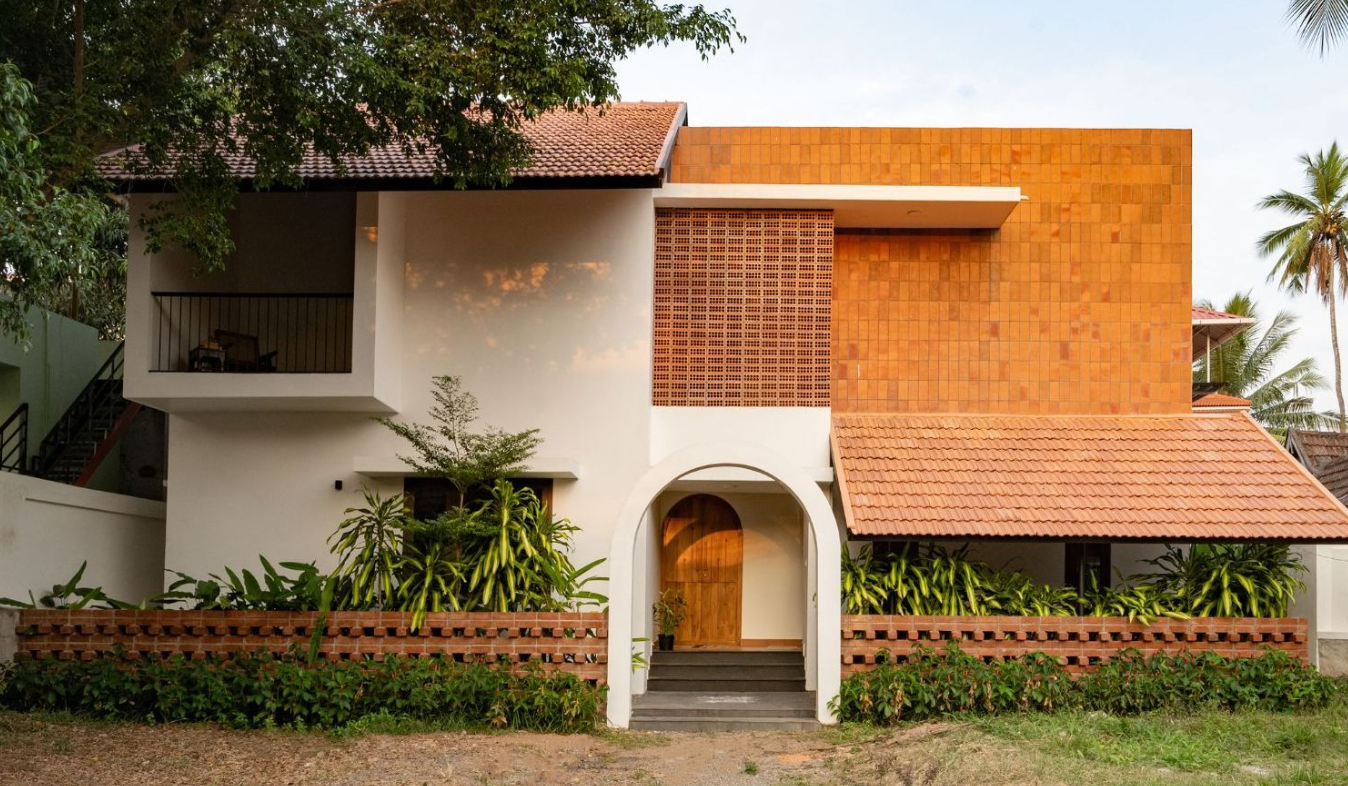
Image Source: Thiruvananthapuram home, ARK Architecture Studio - Architecturaldigest.in
Kerala’s traditional color palette is defined by subtle whites, earthy rich tones, and terracotta shades. The prevalence of whitewashed walls and terracotta roofs is a response to the tropical, humid climate, reflecting heat and enhancing natural light while providing a serene and balanced aesthetic. Historically, this palette emerged from the abundant availability of clay and lime used for construction, contributing to durability and comfort in a high rainfall region. These earthy tones are evident in the traditional Nalukettu houses, temples, and colonial-era bungalows where white plastered walls combine with exposed timber beams and red clay tiled sloping roofs. Over time, modern Kerala architecture continues to respect this color ethos, blending local materials like laterite stone and timber with contemporary designs, creating a seamless dialogue between heritage and modernity.
2. Goa – Coastal Vibrance
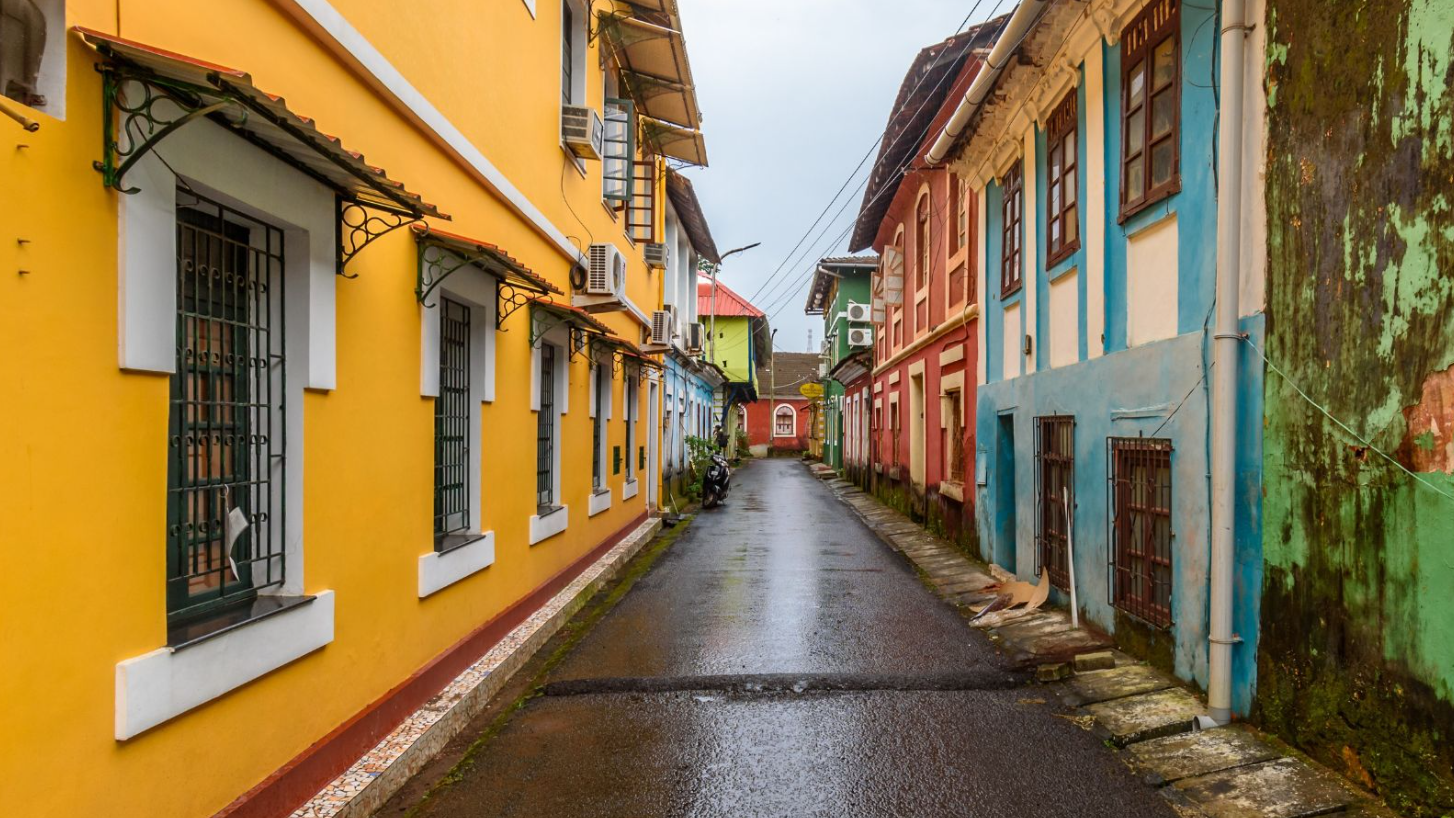
Image Source: Zeezest.com
Goa’s architectural color identity stems from its Portuguese colonial heritage, particularly seen in the Fontainhas Latin Quarter. The palette is characterized by vibrant pastels—bright blues, yellows, pinks, and greens—often accented with white trim and detailing. This colorful approach not only creates a cheerful environment but serves to reflect sunlight and reduce heat absorption in the tropical coastal climate. The Portuguese influence introduced the use of lime-based paints and decorative tiles, making the coastal vibrance a blend of European and Indian sensibilities. Architecturally, these vibrant colors are applied on colonial mansions, churches, and residential façades, contributing to Goa’s unique street aesthetic. The use of bright colors remains popular in contemporary Goan architecture, maintaining cultural continuity while adding freshness to urban design.
3. Jaisalmer – Desert Yellows
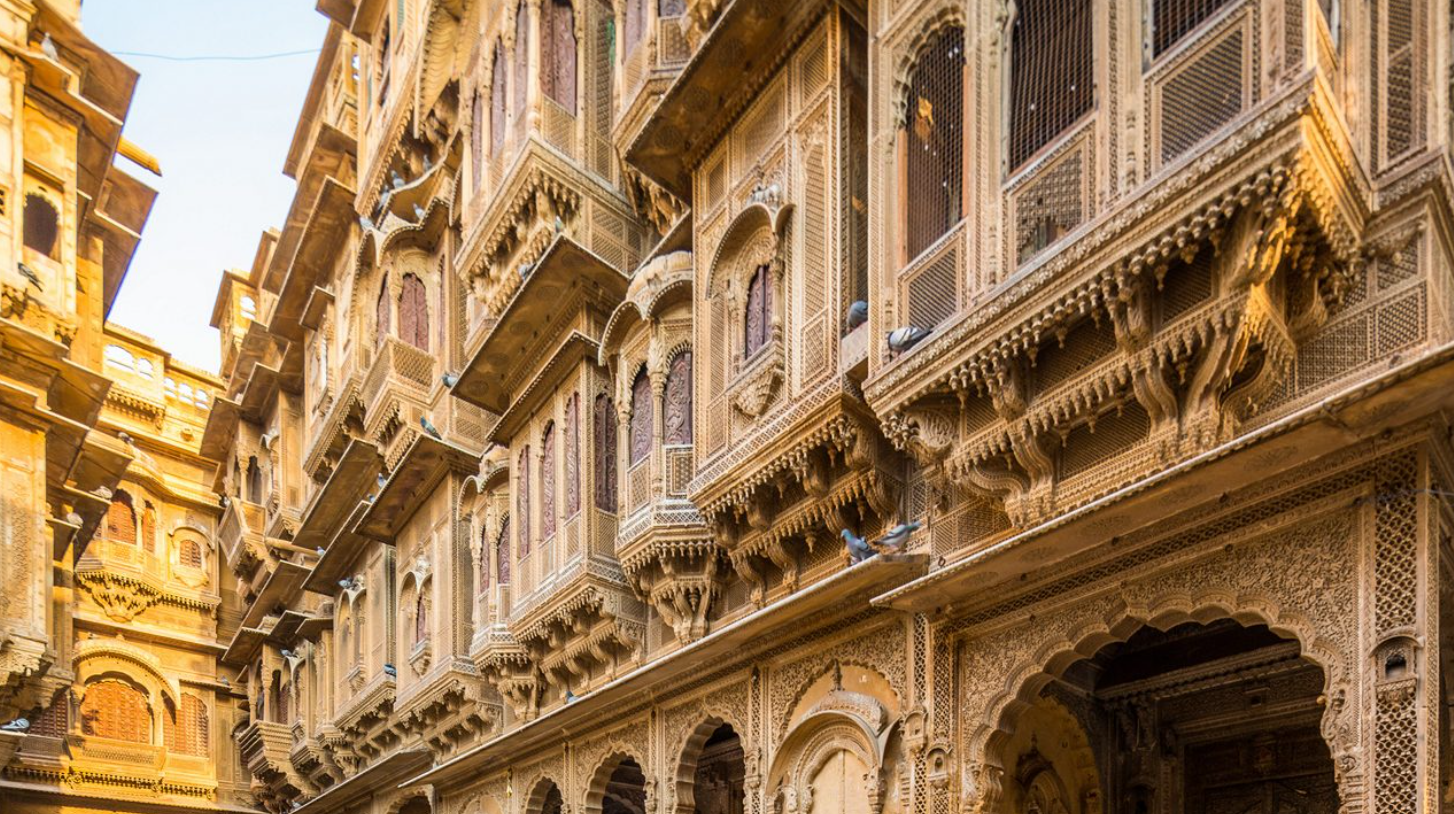
Image Source: Incredibleindia.gov.in
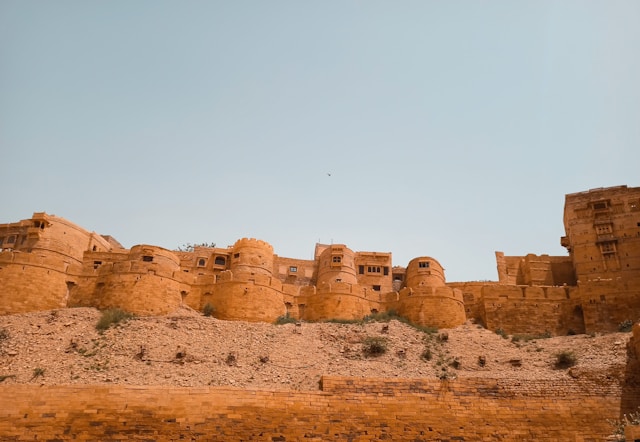
Jaisalmer, known as the “Golden City,” is distinguished by its desert yellow sandstone, which gives the city its iconic golden hue. This palette naturally emerged from the abundance of yellow sandstone in the Thar Desert region, and its use provides excellent thermal mass to combat the extreme heat of the desert climate. The color not only blends harmoniously with the desert surroundings but also protects the masonry from harsh sunlight and sand erosion. Architecturally, this yellow sandstone forms the structure of forts, havelis, temples, and narrow alleys in Jaisalmer, creating a unique monochrome aesthetic. Over centuries, artisans have embellished these surfaces with intricate carvings and latticework, enhancing both form and function. The desert yellow remains a dominant choice in restoration and modern design inspired by Jaisalmer’s vernacular tradition.
4. Kutch – Neutral Tones
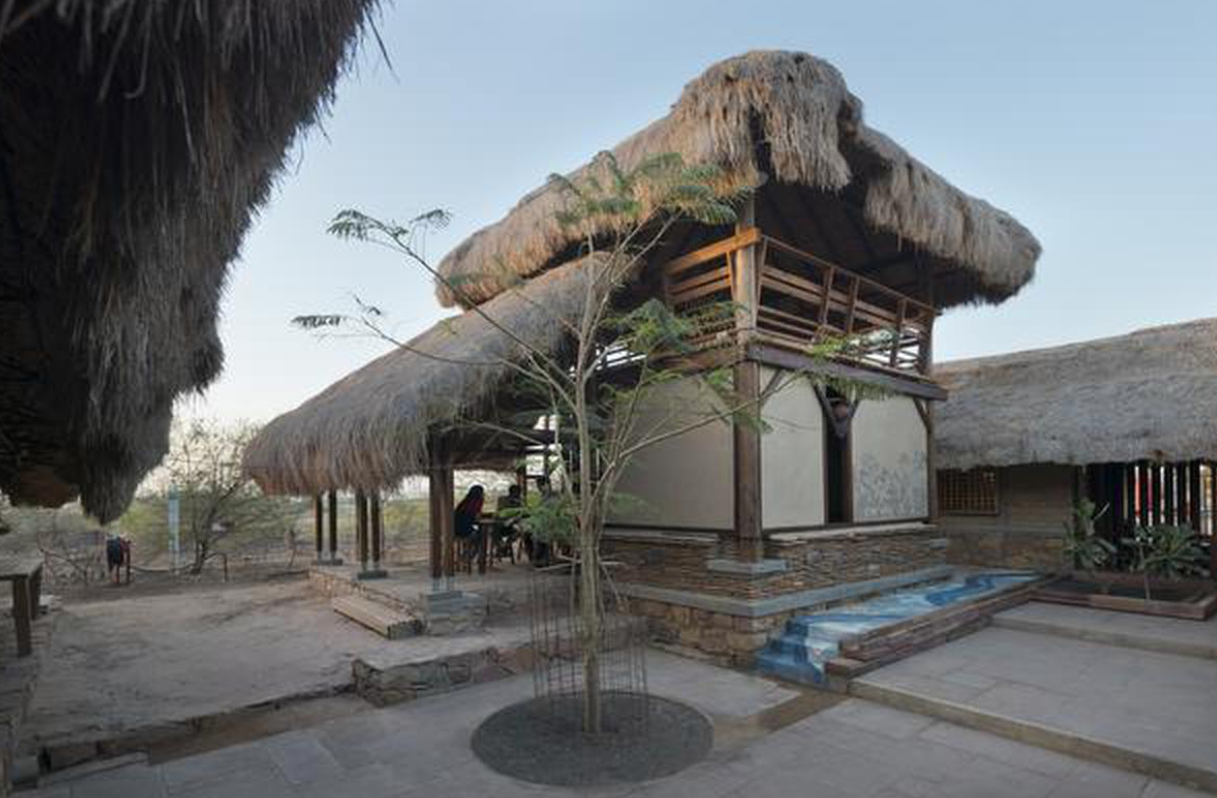
Image Source: Hunnarshala’s eco-friendly homes, Thehindu.com
Kutch’s architectural color identity is marked by neutral tones, primarily whites and off-whites. This is largely due to the use of locally available white mud plaster, which serves as a practical and aesthetic solution for the region’s arid climate. The light colors reflect intense sunlight, helping keep interiors cool in the scorching heat. Traditionally, Kutch homes and public buildings are constructed using mud blocks or stones, finished with a thick layer of white mud plaster, creating smooth facades. The interiors may feature subtle earthy tones, while exteriors remain predominantly white. The Kutch style emphasizes functional minimalism, with symbolic and ornamental motifs painted in muted colors, representing local tribal art. This restrained color approach remains prevalent in both traditional and contemporary Kutch architecture, emphasizing simplicity and climate adaptability.
5. Chettinad – Bright Hues
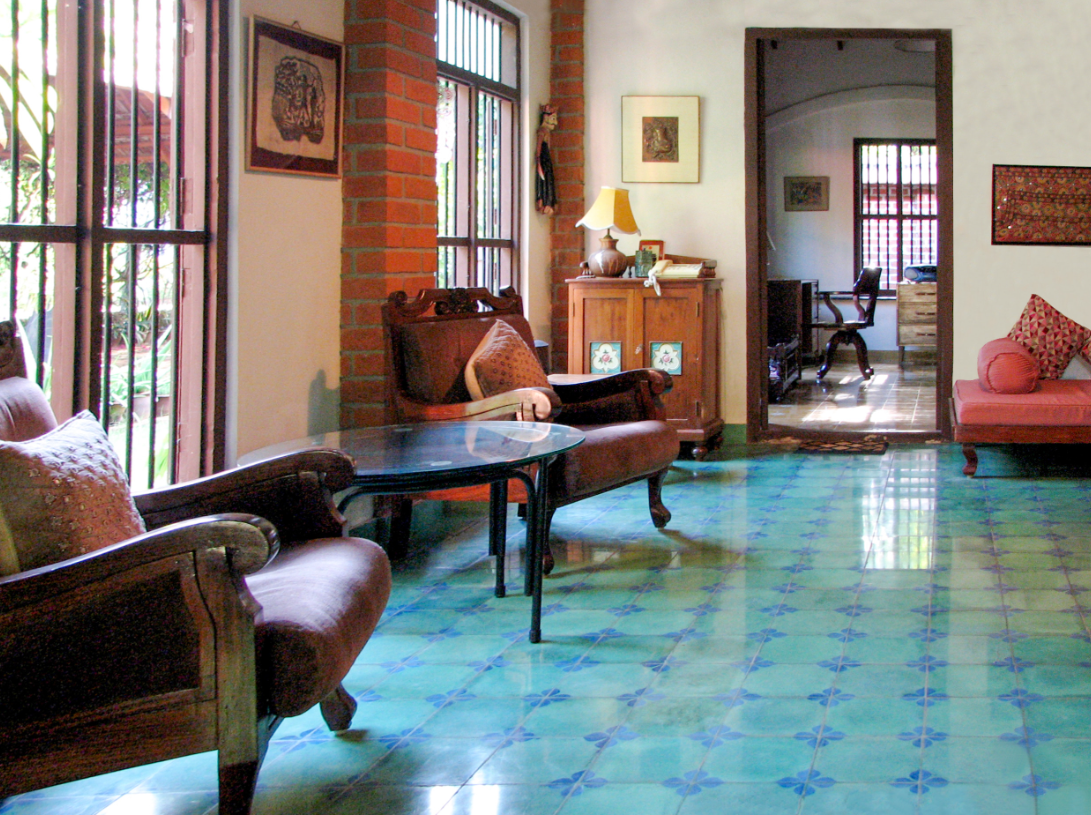
Image Source: Bennykuriakose.com
Chettinad architecture stands out for its vibrant and rich color palette, especially evident in the intricate patterned athangudi floor tiles and bold oxide-colored walls. Historically, the Chettiar merchant community incorporated these bright hues into their mansion designs, combining local materials with imported influences, creating a distinct blend of Indian and colonial aesthetics. The brightly colored patterned tiles offer not only decorative value but durability suitable for high-traffic areas. The color palette includes deep reds, greens, blues, and yellows, often arranged in geometric patterns across floors and walls. These colors contrast with the more muted structural elements like laterite or brick masonry, creating a lively and opulent environment. This tradition continues in modern Chettinad homes and restorations, preserving the cultural identity while enhancing visual appeal.
Final Thoughts:
The traditional color palettes of India are more than decorative choices; they represent a harmonious fusion of local material availability, climatic adaptation, cultural history, and regional artistry. From the earthy whites of Kerala to the vibrant pastels of Goa, the golden sandstone of Jaisalmer, the neutral mud tones of Kutch, and the bright patterned tiles of Chettinad, each region offers an architectural language unique in its own right. Understanding these palettes not only enriches our appreciation of Indian architecture but also inspires contemporary designs to embrace cultural and climatic sensitivity.