


Markets are more than trading hubs—they are cultural anchors, logistical marvels, and architectural statements. From sprawling wholesale Mandis to historic retail bazaars, markets showcase how design shapes commerce, community, and experience.
This blog examines global case studies, drawing lessons for architects, planners, and urban designers interested in markets as functional, social, and aesthetic spaces.
Wholesale Markets: Scale, Efficiency, and Cultural Narrative
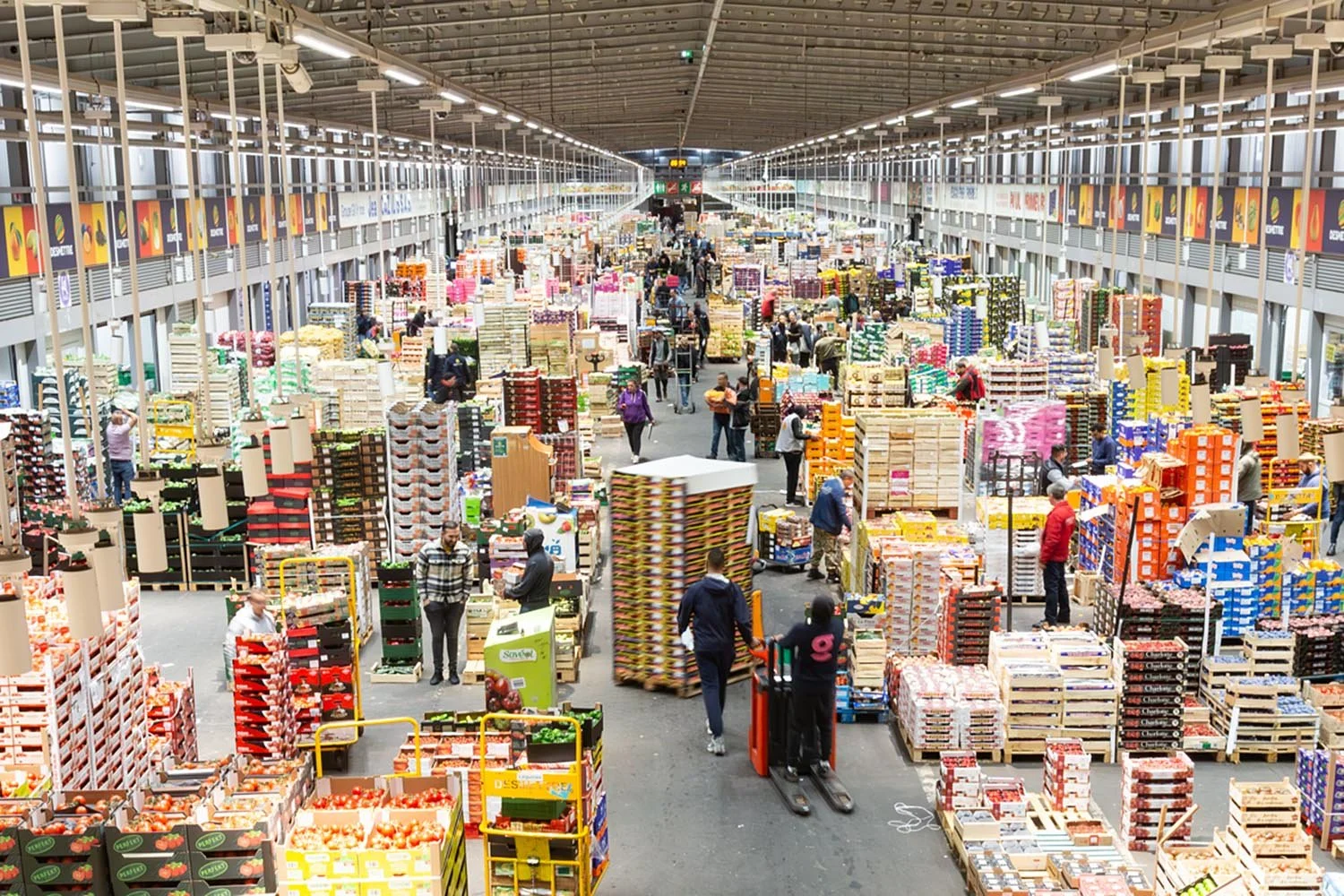
Rungis International Market – Paris, France
- Scale & Function: At 232 hectares, Rungis is the world’s largest wholesale food market, operating 24/7.
- Design Highlights: Specialised sectors for fruits, vegetables, seafood, meat, and dairy; efficient loading/unloading zones; large refrigeration units.
- Lesson for Architects: Infrastructure-driven design enables high-volume operations while maintaining spatial order and logistical clarity.
Taizhou Fish Market – Taizhou, China
- Design & Culture: Structures mimic boats and fishing nets, reflecting local heritage.
- Sustainability Features: Natural ventilation and daylighting reduce energy demand.
- Lesson: Architecture can narrate cultural identity while serving functional efficiency.
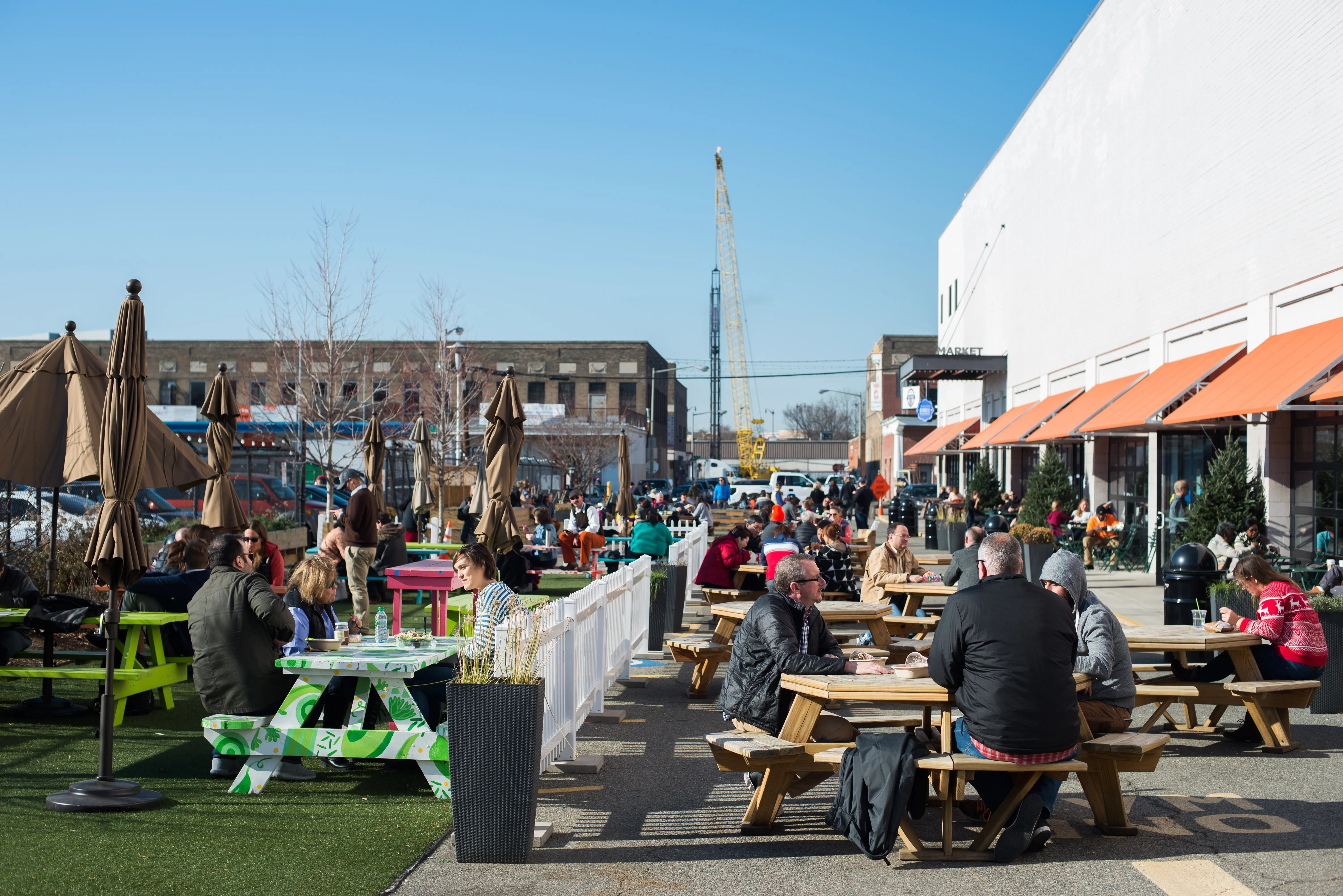
Union Market – Washington, D.C., USA
- Context: Rebuilt after a 2011 fire, blending historic architecture with modern amenities.
- Features: Open, flexible vendor spaces; solar panels; water recycling systems.
- Lesson: Adaptive reuse can preserve history and accommodate contemporary commercial needs.
Ponce City Market – Atlanta, Georgia, USA
- Hybrid Functionality: Former warehouse now houses offices, retail, food halls, residential units, and rooftop attractions.
- Lesson: Mixed-use integration enriches urban life while revitalizing historic structures.
Yiwu International Trade City – Yiwu, China
- Scale & Modularity: Five districts focused on different commodities; wide aisles; modular stalls.
- Lesson: High-density commerce thrives when design balances accessibility, scalability, and operational efficiency.
3 months. Proven strategies. Your shot at a top GATE rank with AIR 1, AIR14 & gold medalist archtiect with 7+ years of exeprience.
Retail Markets: Consumer Experience and Social Engagement
La Boqueria – Barcelona, Spain
- Design: Iron-framed canopy with natural light; open-plan layout.
- Experience: Encourages exploration, sensory engagement, and interaction.
- Lesson: Architectural transparency and openness enhance customer experience and social connection.
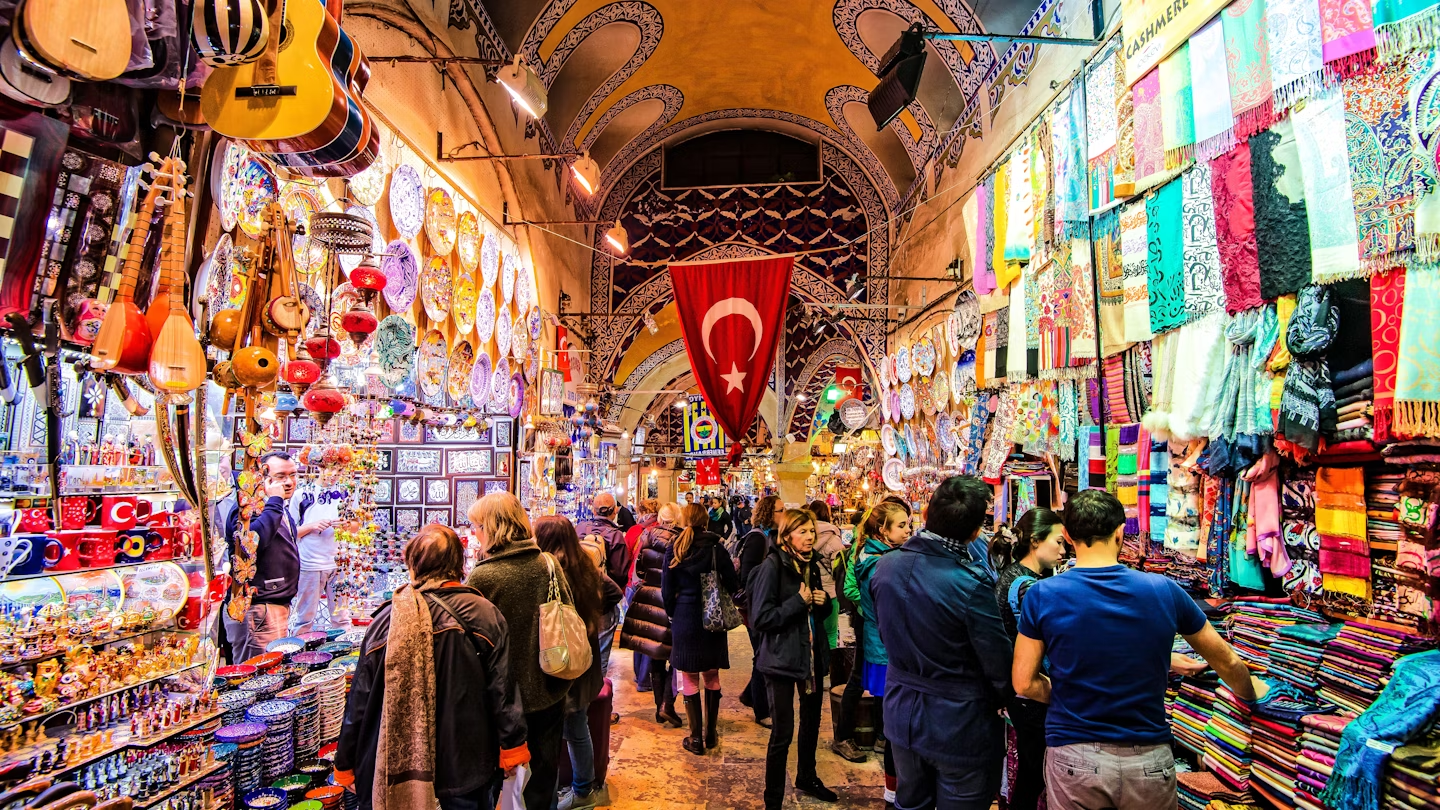
Grand Bazaar – Istanbul, Turkey
- Design: Vaulted ceilings, narrow alleys, intricate tilework.
- Scale: Over 4,000 shops across 61 streets.
- Lesson: Maze-like circulation fosters discovery, creating an immersive cultural and commercial environment.
Boxpark – London, UK
- Concept: Pop-up retail from repurposed shipping containers.
- Flexibility: Modular and temporary, ideal for seasonal events.
- Lesson: Innovation in modular design can redefine retail urbanism.
Coal Drops Yard – London, UK
- Adaptive Reuse: Victorian coal warehouses transformed into a modern retail district.
- Architectural Highlight: “Kissing point” roof connects buildings, ensuring spatial continuity.
- Lesson: Contemporary interventions in historic structures can create vibrant, connected marketplaces.
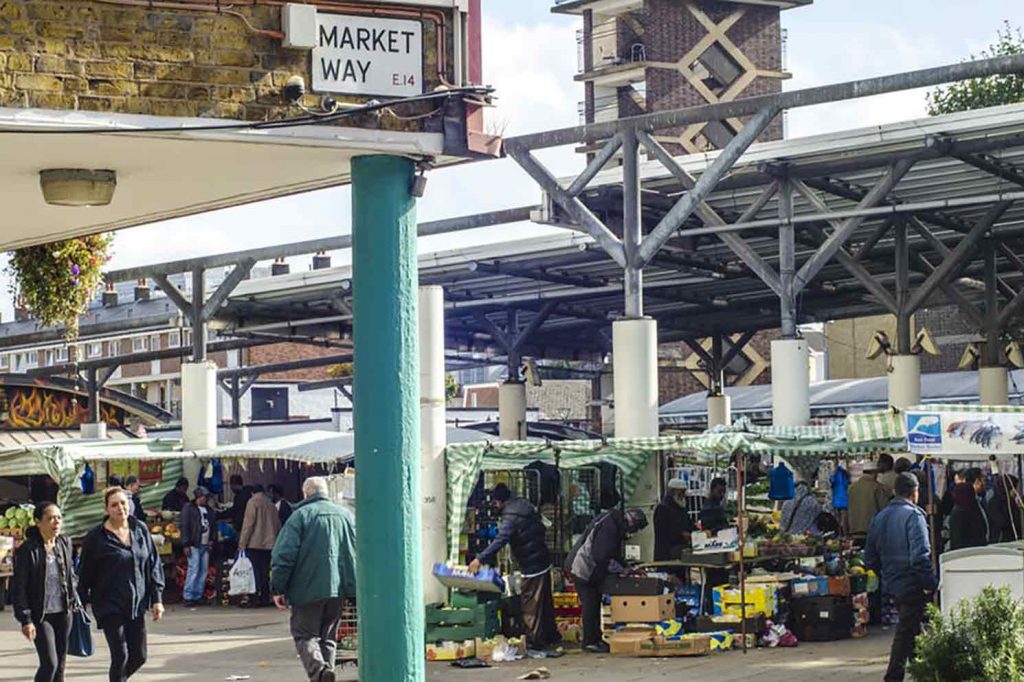
Chrisp Street Market – London, UK
- Historic Significance: First purpose-built pedestrian shopping area in the UK (1951).
- Design: Covered arcade with stalls, social spaces, and event areas.
- Lesson: Markets succeed as community hubs, not just as commerce zones.
3 months. Proven strategies. Your shot at a top GATE rank with AIR 1, AIR14 & gold medalist archtiect with 7+ years of exeprience.
Key Architectural and Urban Design Lessons
- Scale & Efficiency: Large wholesale markets need logistical clarity; modular layouts and dedicated service zones are essential.
- Cultural Identity: Markets can embody local heritage, from material choice to form.
- Flexibility & Adaptation: Adaptive reuse allows historic markets to meet modern needs without losing character.
- Experience-Driven Design: Retail markets thrive when architecture supports sensory, social, and cultural engagement.
- Sustainability & Infrastructure: Natural ventilation, daylighting, and energy-conscious systems reduce operational costs and improve comfort.
- Community Integration: Markets are civic anchors; pedestrianisation, social spaces, and event zones enhance vibrancy.
Takeaway for Designers and Planners
Markets are microcosms of urban life, combining commerce, culture, and infrastructure. Architects and urban designers can draw lessons in:
- Managing scale while maintaining human experience.
- Integrating heritage with modern amenities.
- Designing resilient, flexible, and socially inclusive spaces.
Whether building a new Mandi or revitalising a historic bazaar, the challenge is always the same: balance operational efficiency, cultural identity, and community engagement.
FAQs
Q1. What are the key features of successful wholesale markets?
Efficient logistics, specialised zones, modular layouts, natural ventilation, and energy-conscious infrastructure are critical for scale and functionality.
Q2. How can architecture reflect cultural identity in markets?
Design elements such as form, materials, and circulation patterns can narrate local heritage, as seen in Taizhou Fish Market or Grand Bazaar Istanbul.
Q3. What lessons can Mandi designers learn from global markets?
Lessons include operational efficiency, flexible layouts, community integration, adaptive reuse, and blending modern amenities with historic structures.
Q4. How do retail markets enhance customer experience through design?
Open layouts, natural light, covered walkways, social spaces, and visually engaging architectural features improve navigation and interaction.
Q5. Why is adaptive reuse important in market architecture?
Repurposing historic structures like Union Market or Ponce City Market preserves heritage, supports sustainability, and accommodates contemporary commercial and social needs.




.png)