

Rethinking Riverfronts: Designing Spaces for People, Nature, and Resilience
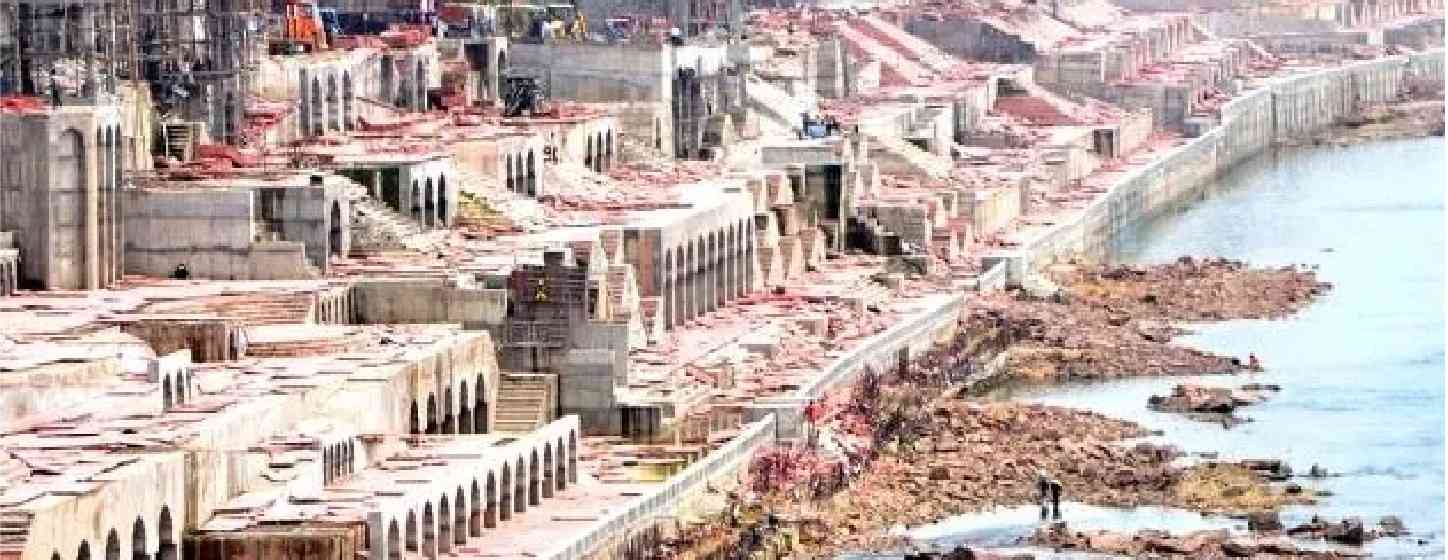
Riverfronts are more than just the edges of a city; they are living spaces where communities, ecosystems, and urban life intersect. From daily leisure to cultural gatherings, rivers provide both functional and experiential value. Yet, a stroll along many urban rivers—whether in India or abroad—often reveals a familiar pattern: rigid steps, concrete decks, and uniform pavers dominate the landscape. Functional, perhaps, but often at the cost of ecological richness, resilience, and human experience.
How can architects, planners, and landscape designers create riverfronts that celebrate the river, support biodiversity, and provide meaningful spaces for people? The answer lies in observation, thoughtful design, and a willingness to learn from both local and international precedents.
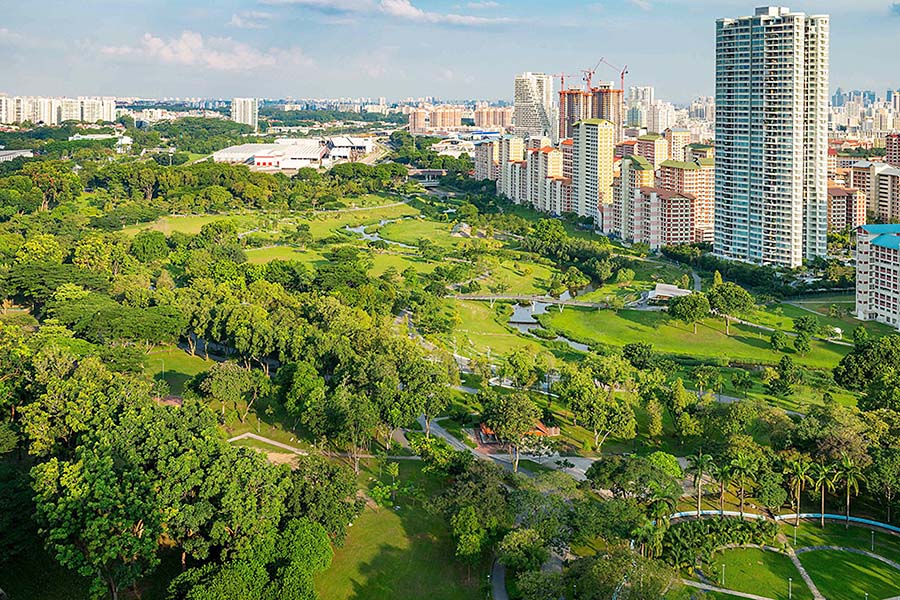
Image Source: NWS Government, Bishan-Ang Mo Kio Park, Singapore
Understanding the Site: Foundation of Design
Every riverfront is unique, and its design must respond to soil, river dynamics, flood patterns, and local climate. A rocky riverbank may suit stepped ghats, while softer alluvial soils require stabilisation and absorbent vegetation. Flooding, rather than being treated as a problem, can guide adaptive design strategies that allow the river to behave naturally while protecting infrastructure and users.
This early understanding allows designers to move beyond purely functional spaces and create riverfronts that are resilient, adaptive, and experiential.
Lessons from Riverfront Projects
Instead of ranking projects as “successes” or “failures,” a reflective approach examines what works well and what could be improved.
1. Bishan-Ang Mo Kio Park, Singapore
- What works: This project transformed a concrete canal into a meandering river with natural banks. Floodable areas absorb excess rainwater, walking paths provide safe access, and vegetation supports biodiversity while enhancing aesthetic appeal.
- Opportunities for improvement: Maintenance is intensive, requiring careful management. Some areas prioritise human use over full ecological restoration, offering a reminder that even well-planned riverfronts must balance competing needs.
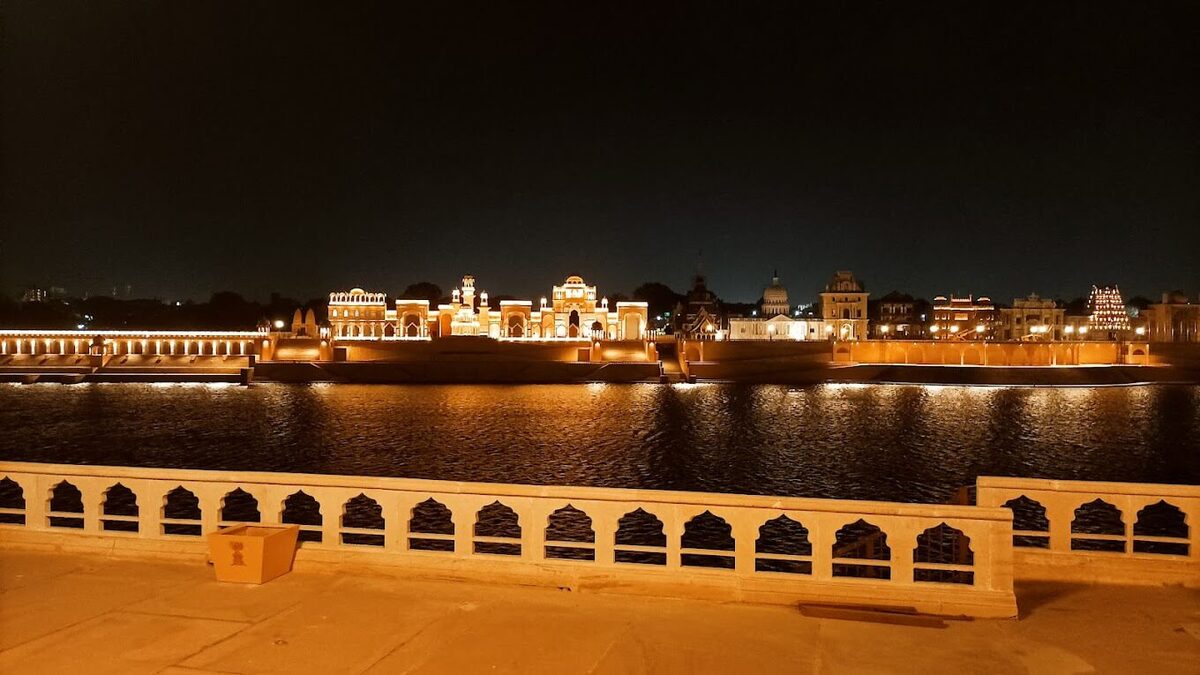
Image Source: The India
2. Kota Riverfront, Rajasthan, India
- What works: Stepped ghats provide access and gathering spaces, well-suited for the rocky riverbank. The riverfront functions effectively for local activities, festivals, and daily use, embedding itself in community life.
- Opportunities for improvement: Vegetation is minimal, reducing ecological richness. Flood-adaptive measures could be more integrated, allowing the riverfront to better absorb high water levels without compromising human use.
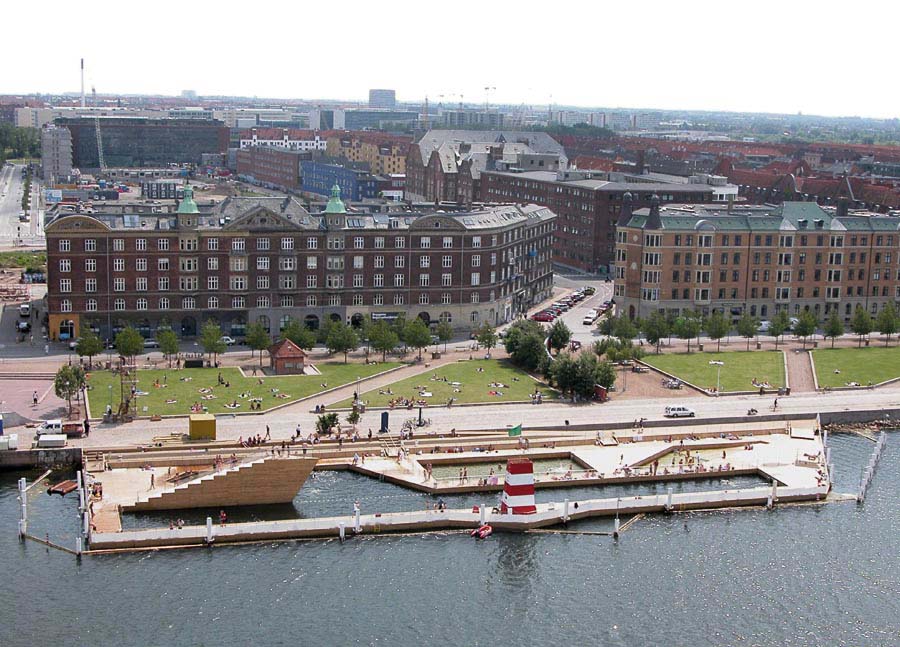
Image Source: urbannext
3. Copenhagen Harbourfront, Denmark
- What works: Floating vegetation islands enrich the aquatic habitat, while public decks encourage recreational use. The integration of community spaces within the waterfront creates an inviting, lively environment.
- Opportunities for improvement: Some of the infrastructure is resource-intensive, limiting the potential for replication in smaller or less-funded cities. In some cases, aesthetic considerations may overshadow ecological restoration.
These examples highlight that every riverfront offers lessons, whether in flood management, ecological design, or social usability.
_1756985164266.webp)
Image Source: Dresieitl Consulting,Bishan-Ang Mo Kio Park, Singapore
Principles of an Ideal Riverfront
Drawing on these lessons, an ideal riverfront balances ecology, social interaction, and resilience:
- Ecological Responsiveness Integrate riparian vegetation that stabilises banks, absorbs floodwater, and supports biodiversity. Use native plant species that require minimal maintenance but provide maximum ecological benefit.
- Social Engagement
- Provide safe, accessible decks, pathways, and seating for all ages and abilities. Consider lighting, visibility, and wayfinding to enhance safety while respecting natural habitats. Design communal gathering areas, from open plazas to shaded nooks, encouraging interaction without disturbing the ecosystem.
- Resilience and Adaptability Allow for seasonal fluctuations in water levels by designing elevated decks, adaptive stairs, or floodable areas. Use natural buffers and absorbent planting zones to reduce the impact of floods and stormwater runoff.
- Planned Plantation and Greenery
- Trees, shrubs, and grasses stabilise soil, provide shade, filter pollutants, and offer aesthetic value. A layered planting approach, from wetland species at the edge to trees and shrubs further back, can create a visually rich, functional, and ecologically productive landscape.
- Integration of Experience and Ecology
Reflection: The Human and Ecological Dimension
Riverfront design is as much about human experience as it is about environmental stewardship. An ideal riverfront invites communities to pause, reflect, and connect with nature, while simultaneously providing habitats for birds, fish, and insects.
Even in urban India, examples of thoughtful planning exist, where community needs are addressed alongside environmental considerations. The goal is not perfection but balance: recognising the river’s rhythms, respecting ecological limits, and designing spaces that are safe, functional, and enjoyable.
Looking Forward
By combining lessons from international and local projects, architects and planners can create riverfronts that:
- Respect natural dynamics rather than imposing rigid structures.
- Integrate absorbent vegetation and biodiversity-friendly landscapes.
- Provide safe, accessible, and engaging spaces for people.
- Adapt to seasonal floods and climate variability.
Such riverfronts become more than infrastructure; they are living, breathing public spaces, where people, ecology, and urban life coexist harmoniously.
Explore Masterclass and Bootcamps on Thesis and GATE AR 2026 Guidance
Riverfronts are not merely hard edges to the city—they are opportunities to connect people and nature meaningfully. The best designs embrace observation, reflection, and adaptability, learning from what has worked and what could be improved in past projects.
As architects and planners, the challenge is to create riverfronts that are functional, resilient, and inspiring, spaces that communities can cherish while supporting the river and the life it sustains.




.png)