

-(1)_11zon.png)
If you’re an AEC professional (architecture, engineering, or construction) eyeing a Revit-based job in Mumbai or Gurugram, you’re probably aware of the typical job descriptions: Proficient in Revit, knowledge of BIM, coordination skills, etc. But let’s be honest — the job market hides some of its best-kept secrets. These cities, hubs for top-tier design and construction firms, demand more than just technical know-how.
Based on deep industry insights and first-hand conversations with recruiters, here are 5 secret requirements firms never share openly — but expect you to know and embody:
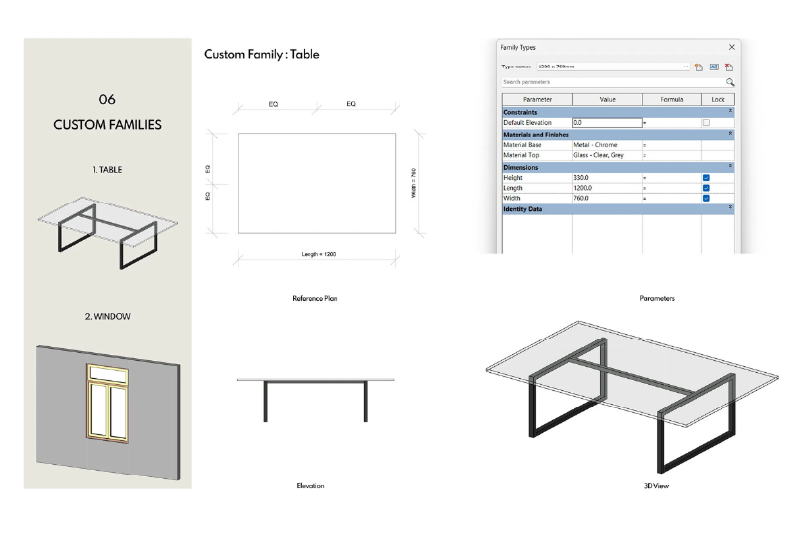
Image Source: BIM Learner Portfolio Kaarwan
1. Custom Family Creation Mastery
Most entry-level and even mid-level professionals focus on using existing Revit families and basic component libraries. But top firms in Mumbai and Gurugram demand much more: the ability to create custom, parametric families that can adapt to changing project requirements.
Whether it’s creating a bespoke lighting fixture for a luxury hotel or a modular façade panel that adjusts to different climatic zones, these skills differentiate true professionals from average Revit users.
Recruiters rarely list this in job descriptions because they assume you’ll demonstrate it in your test or interview portfolio. Many candidates fail to meet expectations because their skills are limited to pre-built templates.
👉 Why it matters: A strong grasp of family creation shows that you understand the core data structure of Revit and can model elements that meet both aesthetic and functional goals, which is crucial for high-end clients.
Our Advanced BIM Revit Certification Course features entire modules dedicated to advanced parametric family creation, ensuring you build a robust portfolio tailored for Indian and international projects.
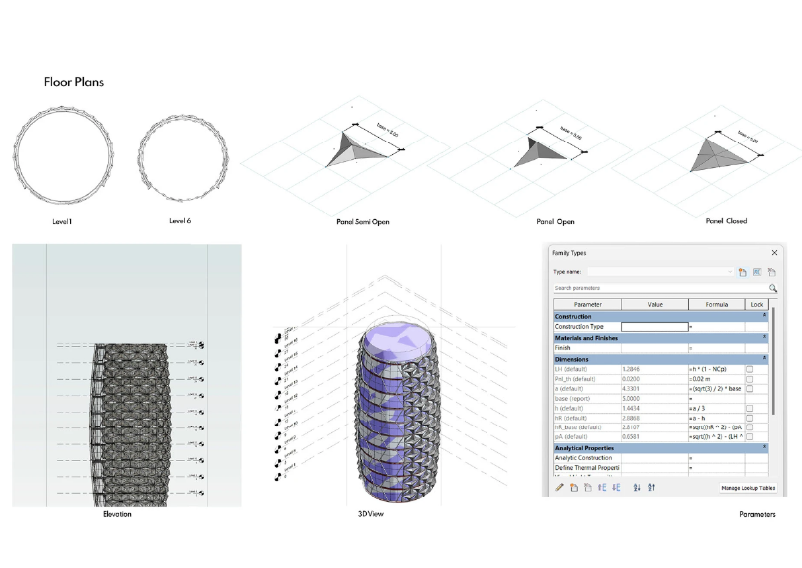
Image Source: BIM Learner Portfolio Kaarwan
2. Real-World Project Application, Not Just Academic BIM
It’s easy to list ‘BIM knowledge’ on your resume. But what recruiters are hunting for is proof that you’ve applied BIM on real-world projects, especially in collaborative, deadline-driven settings.
Did you work with multiple consultants? Did you resolve RFIs in a BIM environment? Did your model undergo updates during the construction phase? These are critical indicators.
In firms across Mumbai and Gurugram — from boutique architecture studios to large construction conglomerates — your ability to translate BIM into execution is a make-or-break factor.
👉 Why it matters: Projects in these cities often move at lightning speed. Firms need employees who are not just technically sound but also experienced in solving problems in real-time.
Kaarwan Tip: Every Kaarwan learner works on a capstone project that simulates real-world project conditions. These projects include multiple LOD stages, team collaboration, and live feedback from mentors who’ve worked in top firms.
.png)
Image Source: BIM Learner Portfolio Kaarwan
3. Clash Detection & Resolution Experience
You may have heard of clash detection — but have you actually used it? And more importantly, can you resolve clashes between architecture, structure, and MEP systems using tools like Navisworks or Revit’s in-built interference tools?
This skill is a hidden expectation in firms that handle large-scale projects like airports, hospitals, or corporate headquarters. These firms often experience cost overruns due to late-stage clashes that could’ve been avoided with better BIM coordination.
👉 Why it matters: Revit users who can predict and solve conflicts before they reach the site are considered indispensable assets.
Pro Connect: Our course doesn't just teach clash detection. You’ll learn workflow integration between Revit and Navisworks, helping you build models that prevent costly onsite errors.
.png)
Image Source: NBD,CPWD websites
4. Knowledge of Indian BIM Standards & Codes
Most Revit users train on international templates, based on US or UK standards. But Indian firms require familiarity with Indian codes like NBC 2016, local municipal authority protocols, and even CPWD BIM Execution Plans.
Sadly, most job descriptions skip this detail. But once you’re onboard, you’re expected to know:
- How to integrate building bye-laws into your Revit model
- How to manage layouts for local authority submissions
- How to tag elements based on local codes
👉 Why it matters: Without this knowledge, your models are practically unusable for official documentation or compliance approvals.
Action Point: Kaarwan’s BIM curriculum includes real municipal submission simulations, so your learning goes beyond software into real-world professional documentation.
_1751016517826.png)
Image Source: IDEI
5. Communication & File Management Discipline
You could be the best Revit modeller on paper, but if your files are messy, you’ll quickly lose credibility in the office. Top AEC firms expect:
- Consistent view naming conventions
- Clean model hierarchies
- Logical sheet setups
- Issue logs
- Collaboration-ready worksets
Why don’t they include this in job posts? Because this is considered basic professional hygiene — something too obvious to spell out.
👉 Why it matters: Teams across cities or even countries rely on your model. If they spend more time decoding your file than building from it, you’re hurting productivity.
Practice at Kaarwan: Our learners submit weekly assignments that go through peer and mentor review. These assignments are checked not just for model quality, but also for cleanliness and presentation. You graduate with real-world file management discipline.
Real Testimony from the Industry: “We look at how candidates name their sheets and organise their browser even before opening the 3D view. It tells us how they’ll work in a real team.” — BIM Lead, Top Architecture Firm in Gurugram

Image Source: Edoxi
Bonus Insight: Emotional Intelligence Matters
In many top design firms, your ability to handle pressure, communicate ideas clearly, and work within a team is as important as your software skills. Mumbai and Gurugram job markets are competitive and fast-paced — professionals who maintain a calm, confident demeanour tend to rise quickly.
How Kaarwan Prepares You: Our mentor-led projects are team-based and deadline-driven. You’ll practice not just modelling, but also team collaboration, presentations, and feedback loops — helping you simulate a real AEC work culture.
Conclusion:
If you’re planning to apply for a Revit role in Mumbai or Gurugram, it’s time to look beyond the job description. The real requirements are often hidden — and only revealed during interviews, tests, or worse, on the job.
Don’t leave your career to chance.
The Advanced BIM Revit Certification Course by Kaarwan is designed to prep you for these hidden expectations. You won’t just learn software — you’ll master workflows, discipline, and strategic thinking required to thrive in India’s most competitive AEC environments.
🎓 Ready to be job-ready?



.png)