"Cities have the capability of providing something for everybody, only because, and only when, they are created by everybody."— Jane Jacobs
Urban planning in India has always been a dynamic interplay of tradition and modernity. At the heart of this evolution lie community spaces, essential components of the urban fabric that foster social interaction, strengthen community life, and enhance the quality of life in urban environments. These public spaces, from ancient ghats to contemporary art districts, play a critical role in shaping both the physical and emotional landscapes of Indian cities.
These spaces often promote inclusivity, sustainability, and civic engagement, offering valuable lessons for students, professionals, and policymakers in urban studies and city planning.
Traditional Community Spaces: The Pulse of Urban Life
Defining Traditional Spaces
Traditional public spaces in Indian cities were not just physical areas; they were vibrant, multifunctional hubs that connected people through shared activities and a sense of belonging. These spaces, including chowks (city squares), ghats (riverfronts), and temple courtyards, were vital to the social and cultural fabric of urban India.
Key Features
- Multi-functionality: Traditional spaces were designed to accommodate diverse uses. For instance, a chowk might host markets, festivals, and public gatherings, serving as a space that adapts to the community’s needs.
- Integration with Nature: Many of these spaces emphasized harmony with the environment. Ghats along sacred rivers doubled as places for spiritual rituals, recreation, and ecological balance, connecting urban dwellers with nature.
- Inclusivity and Accessibility: Traditional urban design naturally promoted inclusive and equitable access, ensuring spaces were open to all, regardless of caste, class, or economic status.
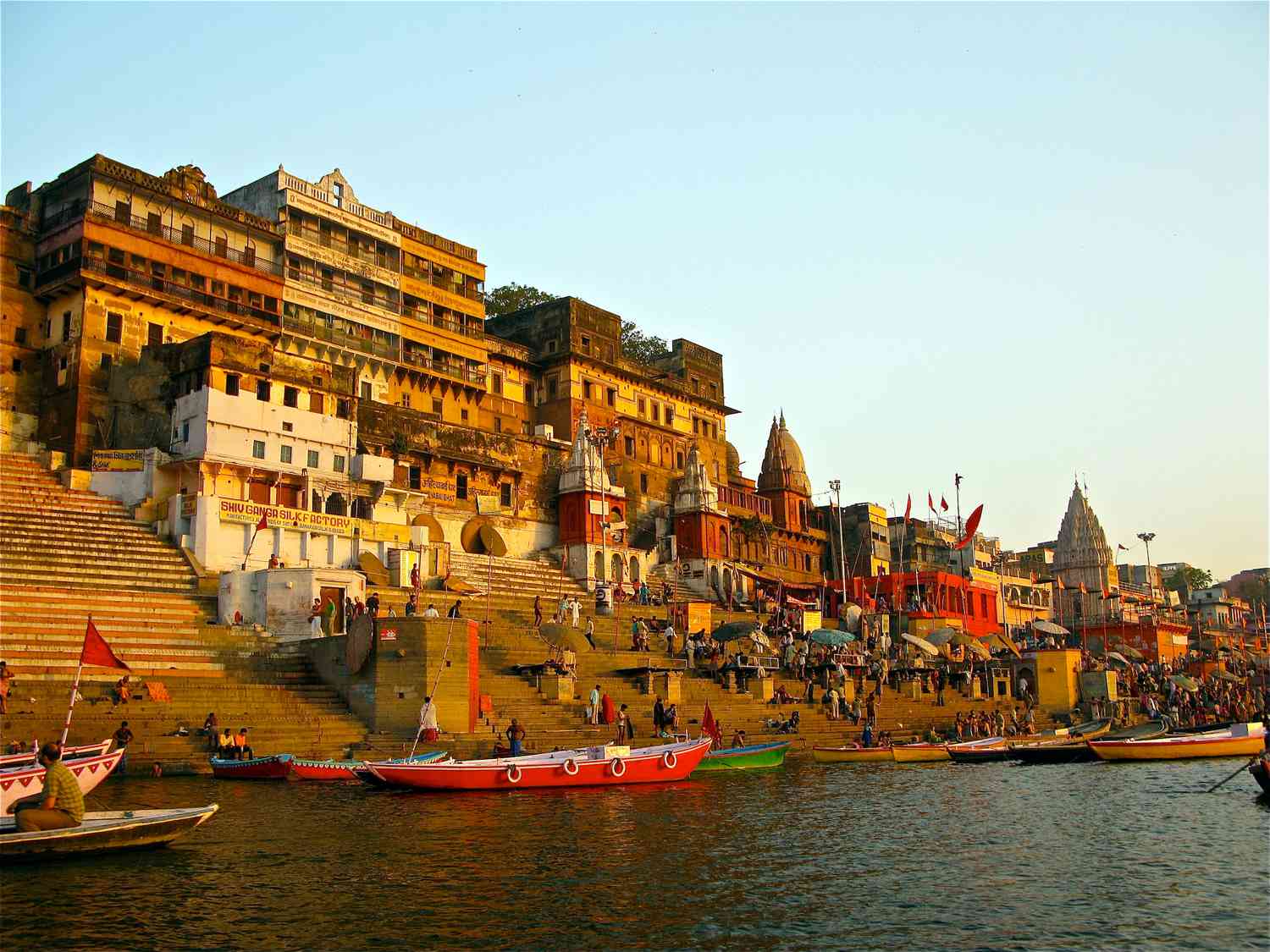
Ahilya Ghat in Varanasi, Image Source: Learn Religions
Real-Life Examples
- Jaipur’s Chowks: These centrally located squares served as both commercial hubs and venues for community festivals, embodying spaces that are accessible and multifunctional.
- Varanasi’s Ghats: These iconic water bodies combine spirituality, recreation, and community gathering, showcasing the timeless importance of public spaces in Indian cities.
- Temple Precincts in South India: Beyond their religious significance, these precincts acted as venues for public discourse, markets, and cultural exchange, fostering a strong sense of community.
Modern Interpretations: Redefining Community Spaces
Shifting Design Philosophy
With rapid urbanization and globalization, the approach to creating urban spaces has shifted. Modern spaces are often designed with aesthetics, commerce, and structured activities in mind, reflecting the needs of growing urban populations and changing lifestyles.
Key Features
- Planned Aesthetics: Modern spaces are defined by organized layouts and a focus on visual appeal, catering to the demands of contemporary urban design.
- Purpose-Driven Spaces: Modern spaces, such as malls, urban parks, and art districts, focus on specific activities and curated experiences, often at the expense of organic, unplanned interactions.
- Commercial Integration: Many modern urban spaces prioritize retail and leisure, creating spaces that serve as economic engines while facilitating community building.
Real-Life Examples
- Lodhi Art District, Delhi: This open-air gallery revitalizes a neighborhood while encouraging community participation and promoting art in the public realm.
- Cubbon Park, Bengaluru: A lush green space in a densely populated city, it offers opportunities for recreation, relaxation, and improved physical and mental well-being.
- Bandra Reclamation, Mumbai: This waterfront development combines leisure, cultural events, and breathtaking views, exemplifying the potential of modern open spaces.
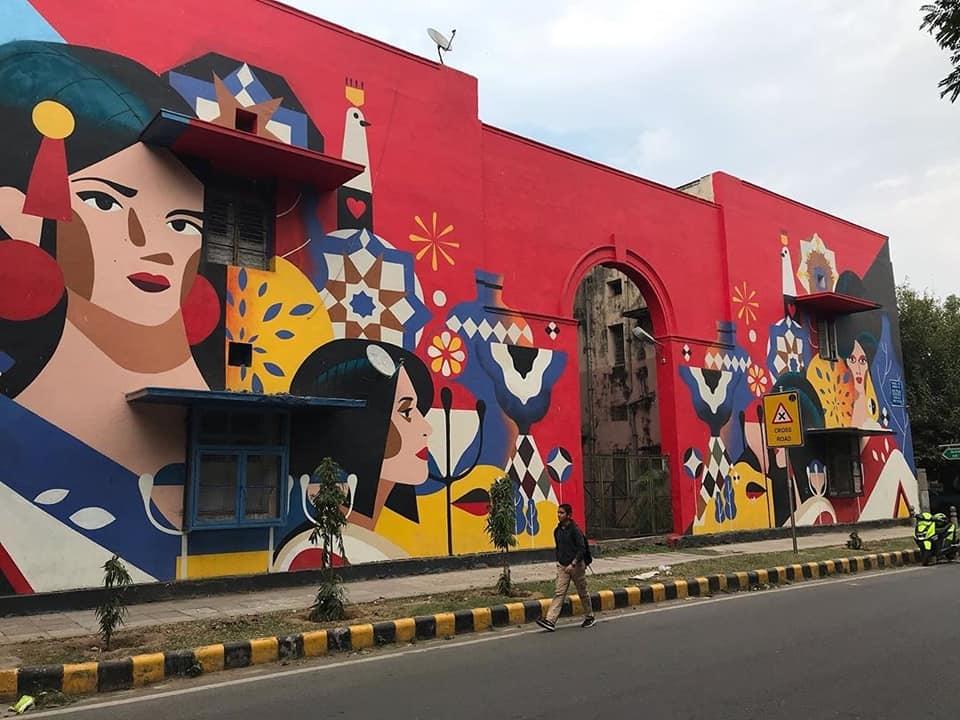
Lodhi Art District, Image Source: Whats Hot
Social Implications of the Transition
Organic vs. Structured Interactions
Traditional spaces in community life encouraged spontaneous encounters, fostering a sense of belonging and unplanned social bonds. Modern spaces, while designed for community building, often limit these interactions to planned activities, reducing opportunities for serendipity.
Inclusivity and Accessibility
While traditional spaces were naturally inclusive, many modern designs struggle to be inclusive and equitable due to entry costs, restricted layouts, or commercial priorities that exclude marginalized groups.
Sustainability Challenges
Modern developments often leave a significant environmental footprint, making it crucial to incorporate lessons from traditional designs. Sustainable solutions can help ensure these spaces enhance livable urban environments and improve the overall health of communities.
Challenges and Opportunities
Challenges
- Urbanization Pressures: The demands of rapid urban development often lead to the neglect or destruction of traditional public spaces, which are replaced by high-density housing or commercial complexes.
- Adapting Tradition to Modernity: Bridging the gap between historical designs and contemporary needs remains a challenge for urban planners.
Opportunities
- Adaptive Reuse: Initiatives like Ahmedabad’s Sabarmati Riverfront highlight how neglected spaces can be revitalized to blend tradition with modern amenities.
- Hybrid Designs: Combining traditional layouts with modern functionality creates spaces where people can connect meaningfully, ensuring these spaces foster a strong sense of belonging.
- Participatory Planning: Engaging communities in the planning process ensures that spaces reflect local needs, fostering civic engagement and ensuring spaces remain vibrant.
Conclusion
Community spaces are the soul of urban India, connecting people, promoting social interaction, and enriching the urban fabric. As Indian cities grow, balancing tradition with modernity becomes imperative for sustainable urban development.
"The cities we build today will shape the stories we tell tomorrow."
For architects, students, and professionals, this is a call to action: build spaces that are accessible, inclusive, and sustainable. By prioritizing community participation and fostering a sense of belonging, we can ensure that urban spaces remain vibrant hubs of life, creating opportunities for people to feel connected, thrive, and contribute to resilient urban environments for generations to come.
The future of architecture is bright, but are your skills keeping pace? Kaarwan's architecture-specific courses provide you with the knowledge and tools to confidently navigate the AEC industry. Gain valuable insights, master in-demand software, and stand out with designs that impress!
FAQs
1. What are community spaces in urban planning?
Community spaces are public areas like parks, squares, and cultural hubs that foster social interaction and enhance the quality of urban life.
2. Why are traditional community spaces significant in India?
Traditional spaces like chowks and ghats are multifunctional hubs that connect people, promote inclusivity, and integrate spirituality, culture, and ecology in urban settings.
3. How do modern community spaces differ from traditional ones?
Modern spaces focus on aesthetics, curated experiences, and commerce, whereas traditional spaces emphasized inclusivity, organic interactions, and multifunctionality.
4. What challenges do community spaces face in urbanization?
Urbanization pressures, loss of inclusivity, environmental concerns, and neglect of traditional designs pose challenges to maintaining vibrant community spaces.
5. How can cities balance tradition and modernity in urban spaces?
By adopting hybrid designs, adaptive reuse, and participatory planning, cities can create spaces that blend heritage with contemporary functionality and sustainability.