

A Return to the Earth
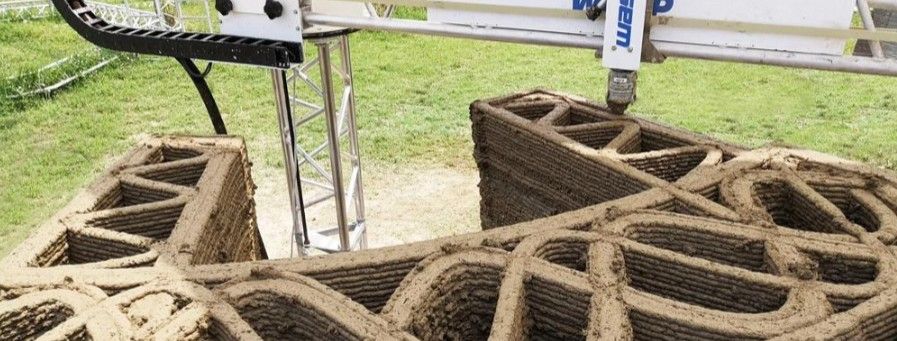
There’s something profoundly poetic about building with the very ground beneath one’s feet. In an age of glass towers and concrete cities, a quiet movement is reclaiming the wisdom of soil. Across India, architects and communities are rediscovering the tactile, breathable, and sustainable qualities of earth — not as nostalgia, but as innovation rooted in place.
From the dusty plains of Kutch to the humid coasts of Kerala, earth architecture is re-emerging as both a craft and a philosophy. It challenges the notion that progress means abandoning tradition, proving instead that sustainability often lies in remembering what we once knew.
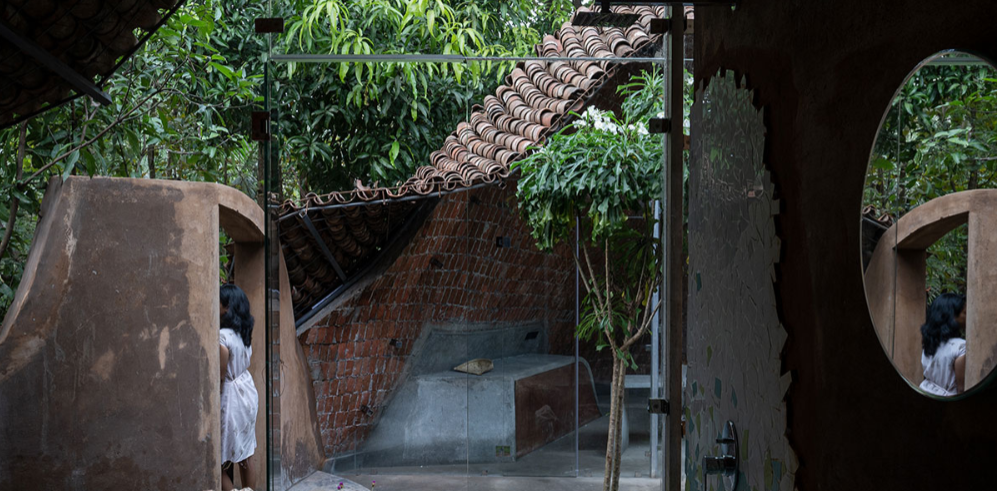
Image Source: Earthscape
The Science Beneath the Tradition
Soil, in its most basic form, is a composite of sand, silt, and clay — but its behaviour as a building material depends heavily on its composition, compaction, and moisture content. Traditional builders intuitively understood this. Today, technology complements that intuition.
Modern architects now blend geotechnical analysis, stabilisation techniques, and digital modelling to predict performance, strength, and weather resistance. Adobe, cob, and rammed earth have evolved with lime stabilisation, fly ash additives, and advanced curing methods — proving that earth construction can be both low-impact and long-lasting.
The irony is that while global industries seek new sustainable materials, many Indian villages have been building with one of the most sustainable materials all along — the soil beneath their feet.
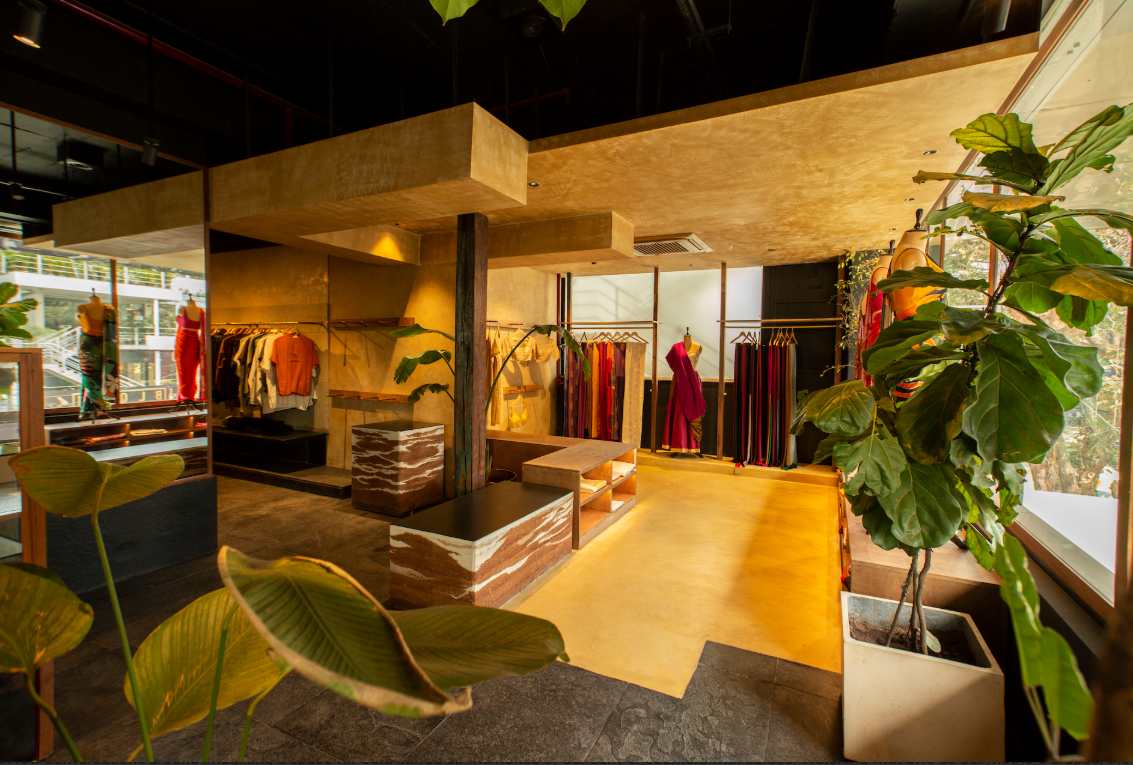
Image Source: Made in Earth
1: Made in Earth – Bengaluru’s Urban Mud Homes/Commercial Spaces
Bengaluru-based collective Made in Earth is redefining urban living with mud. Their homes breathe naturally, maintaining thermal comfort without air-conditioning. Walls are crafted from compressed stabilised earth blocks (CSEB), giving texture and warmth rarely found in modern interiors.
Each project becomes a lesson in material honesty — revealing how mud, when detailed with precision and care, can perform as beautifully in an urban context as it does in rural landscapes.
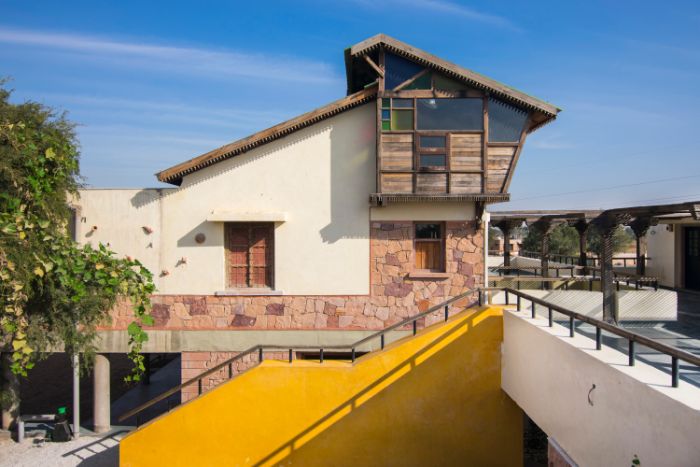
Image Source: Hunnarshala
2: Hunnarshala Foundation – Reviving Community Wisdom in Kutch
In Bhuj, Hunnarshala Foundation works at the intersection of heritage and resilience. Their practice emerged after the 2001 Gujarat earthquake, when they realised that local building traditions — often dismissed as primitive — had inherent structural intelligence.
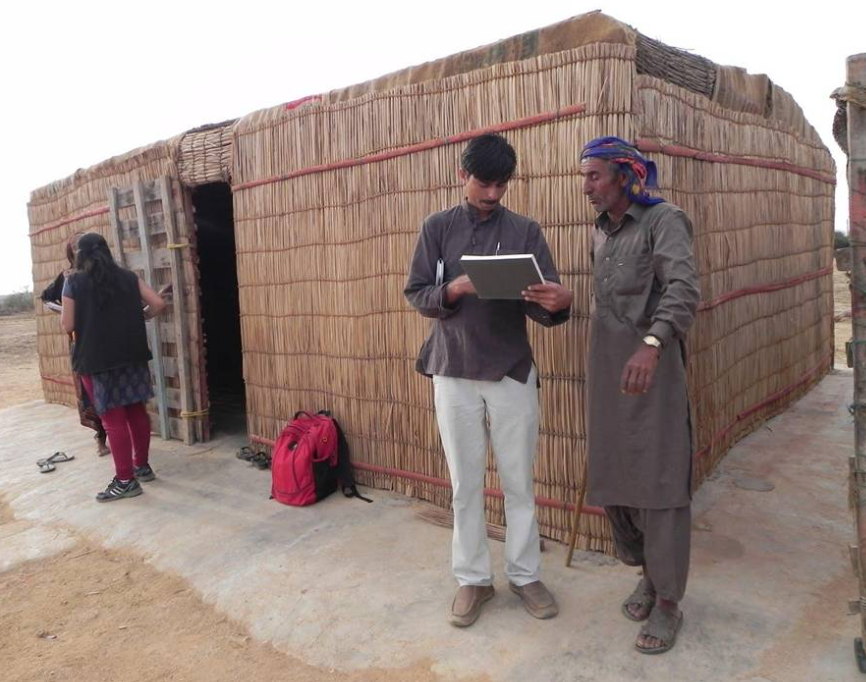
Image Source: Hunnarshala
Through participatory design and training, Hunnarshala empowers craftspeople to rebuild with earth, lime, and bamboo, combining traditional techniques with modern engineering. Their projects stand as living laboratories, proving that sustainability isn’t a product — it’s a process of re-learning.
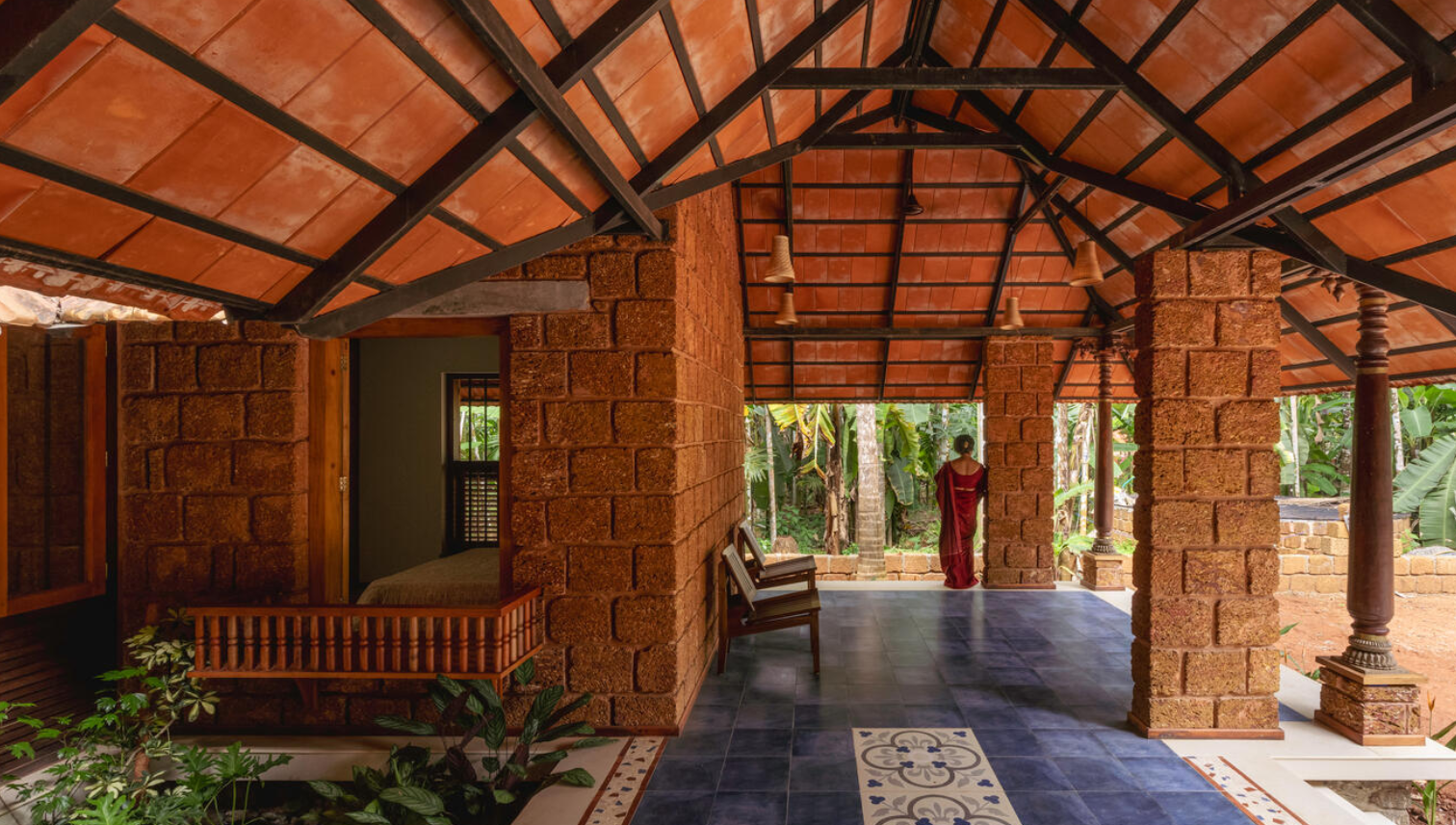
Image Source: Bhoomija
3. Bhoomija Creations - Central Courtyard House for Lisha, Kanjirathani, Palakkad, India
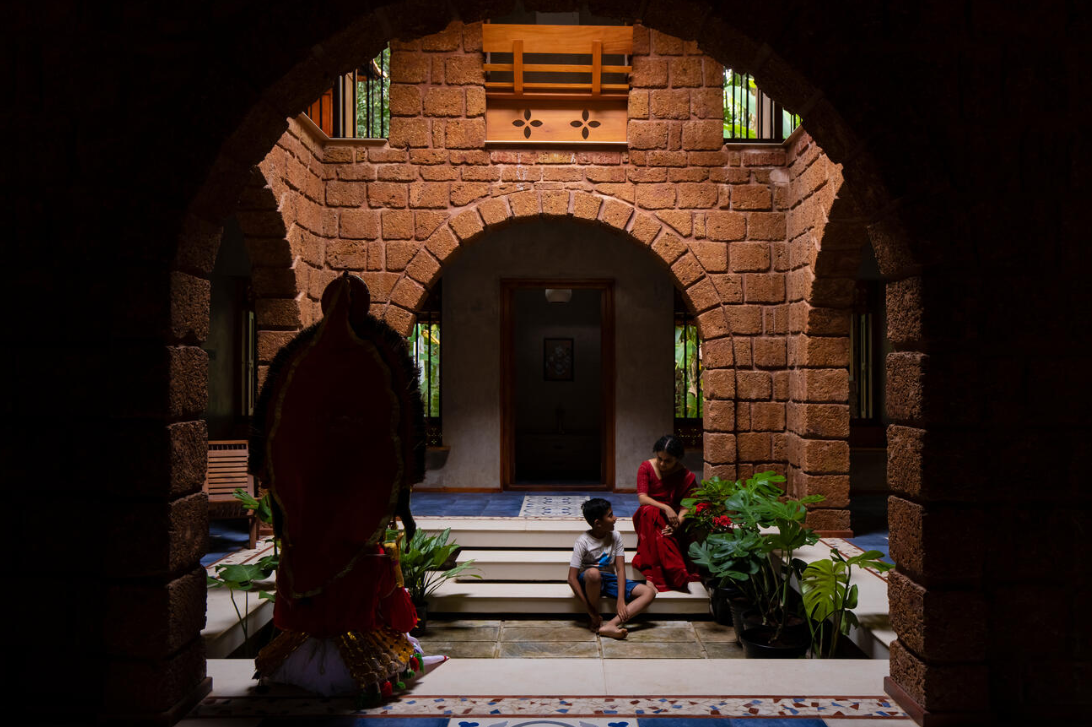
Image Source: Bhoomija
Bhoomija Creations builds with a quiet sensitivity to place, climate, and memory. Their architecture grows from the ground up — shaped by soil, light, and local craft. Using materials like exposed brick, laterite, and reclaimed wood, their work celebrates imperfection and material honesty. Courtyards, verandahs, and shaded passages respond to tropical climates not as stylistic choices but as lived wisdom. Each project reflects restraint and emotional depth — proving that sustainability, when rooted in culture and craft, is not an add-on but a way of building that feels both timeless and humane.
Why Build with Soil Today?
1. Sustainability That’s Local
Unlike cement or steel, earth requires minimal embodied energy. It can often be sourced on-site, reducing transport emissions and waste. More importantly, it biodegrades naturally, closing the material loop.
2. Thermal Comfort and Breathability
Earth walls regulate indoor temperature and humidity, reducing the need for mechanical cooling. They breathe, unlike concrete, which traps moisture and heat.
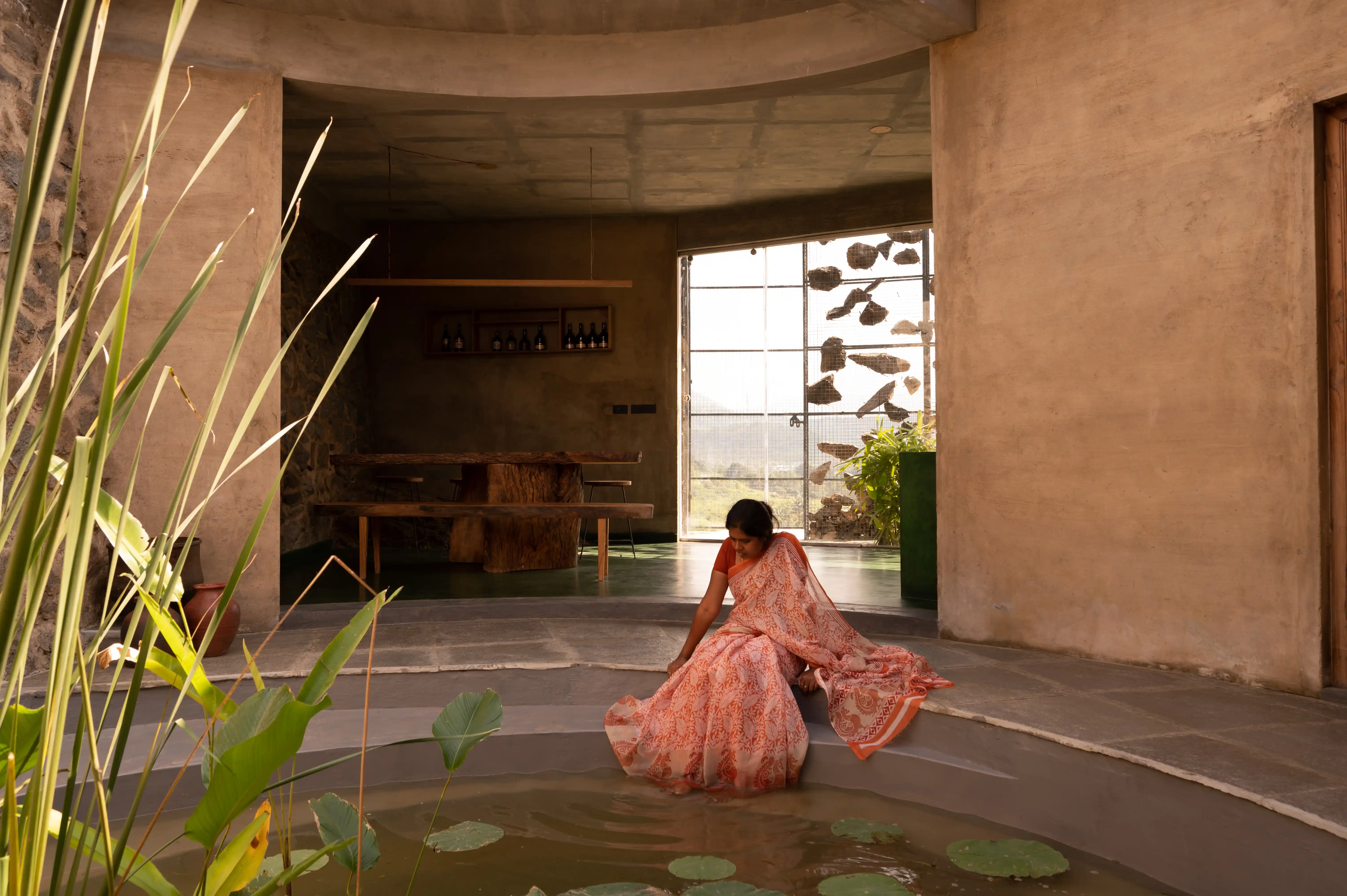
Image Source: Earthscape
3. Economic and Social Empowerment
Building with local materials means employing local hands. Earth architecture revives regional skills and supports community-driven economies — architecture becomes an act of empowerment, not consumption.
4. Emotional Connection
There’s a tactility, a sense of calm, that earthen spaces bring. These buildings age gracefully, developing patina and character — much like their inhabitants.
The Challenges of Modern Mud
For all its promise, earth architecture isn’t without challenges. Urban regulations often lack codes for non-conventional materials. Misconceptions about durability and maintenance persist. Builders need proper training to ensure structural and waterproofing standards are met.
But with digital tools, BIM modelling, and simulation software, architects today can analyse moisture movement, thermal comfort, and compressive strength with accuracy. The old and the new no longer stand apart — they collaborate.
From Earth to Education: Building Skills for the Future
At its core, the revival of earth architecture is not just about material — it’s about mindset. It asks designers to slow down, listen to the site, and design with empathy.
That’s exactly what platforms like Kaarwan strive to nurture — the confidence and technical grounding architects need to work with nature, not against it.
Through workshops, masterclasses, and case-based learning, learners discover how vernacular principles can meet modern sustainability standards, making architecture both contextual and future-ready.
Closing Thought
The revival of earth architecture isn’t about returning to the past. It’s about continuity — allowing the knowledge of generations to evolve within our modern cities. As we face climate change, rising construction waste, and material exhaustion, perhaps the answer lies where we began — in the soil beneath our feet.
FAQs
1. Is building with mud or soil durable in the long run?
Yes — when designed with the right soil composition, stabilisation, and detailing, earthen structures can last for centuries. Many traditional homes in India stand strong today because of their sound construction and climate sensitivity.
2. Can earth architecture be used in urban settings?
Absolutely. Firms like Made in Earth and Bhoomija Creations are proving that mud and laterite homes can thrive in cities — offering thermal comfort, calm, and beauty that modern concrete rarely achieves.A
3. What skills should young architects learn to design with soil?
Understanding material science, climate response, and construction detailing is key. Gaining hands-on experience with firms experimenting with alternative materials — through internships or volunteer programs — helps bridge theory and practice. To prepare for such opportunities, one can strengthen theoretical knowledge while improving efficiency in software workflows like CAD, SketchUp, and visualisation tools. Many innovative firms today even use computational design to craft fluid earthen forms and analyse building performance with precision. (Check out 1-Day Masterclass on Rhino and 8 Weeks Advanced Rhino & Grasshopper Certification with Job Support Program to build a stronger portfolio to be part of prominent impact driven firms).
4. Does building with earth cost less than conventional materials?
It depends on the project scale and location. While labour and craftsmanship add value, sourcing local materials often reduces transportation and energy costs — making it more economical and sustainable in the long term.
5. Why are architects returning to vernacular methods now?
Because climate-responsive, low-energy buildings are no longer optional — they’re essential. Earth architecture teaches us that true innovation often lies in rediscovering time-tested wisdom.




.png)