.jpg)
If you're an architecture student or professional looking to boost your skills in computational design, getting a Rhino certification can be a game-changer. Whether you want to enhance your resume, gain in-depth knowledge, or master parametric modelling, understanding the Rhino certification requirements is essential. Let me guide you through everything you need to know about getting certified in Rhino architecture.
_1739302865053.jpg)
Image Credit: aecmag.com
Why Get Rhino Certified?
Before diving into the certification process, let’s talk about why it matters. Rhino (Rhinoceros 3D) is widely used in architecture, product design, and computational modelling. A Rhino certification:
- Validates your expertise in using Rhino for architecture and design.
- Boosts your resume and increases job prospects.
- Provides hands-on experience with advanced tools.
- Gives you access to exclusive resources and learning materials.
Different Levels of Rhino Certification
There are two main levels of certification you can pursue:
1. Rhino Level 1 Certification
This certification is ideal for beginners who want to get comfortable with Rhino’s basic tools. It covers:
- User interface and navigation
- 2D drawing and editing
- Basic 3D modeling techniques
- Introduction to rendering and visualization
2. Rhino Level 2 Certification
For those looking to take their skills further, the Level 2 certification covers advanced modeling and parametric design concepts. You’ll learn:
- Advanced surfacing and editing tools
- Grasshopper basics for parametric modeling
- Rendering techniques for architectural visualization
- Customizing Rhino for efficiency
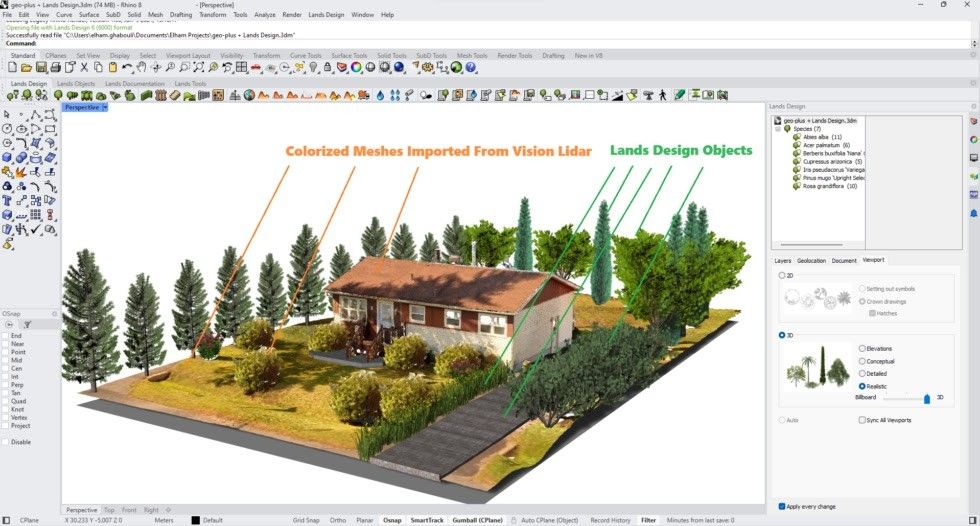
Image Credit: rhino3d.com
Rhino Certification Requirements
Now, let’s break down what you need to get certified in Rhino architecture.
1. Prerequisites
- For Level 1 Certification: No prior experience is required, but familiarity with 3D modelling concepts can be helpful.
- For Level 2 Certification: You should have completed the Level 1 course or have equivalent hands-on experience using Rhino.
2. Required Rhino Course
- Enrolling in an official Rhino training course is highly recommended. These courses provide structured learning and cover all the essential topics for certification.
- Some institutions offer self-paced online Rhino courses that allow flexibility for working professionals.
3. Examination Process
The certification exam consists of:
- Multiple-choice questions to test theoretical knowledge.
- Practical modeling tasks where you must demonstrate proficiency in using Rhino’s tools.
- A time limit, typically ranging from 1-2 hours depending on the level.
4. Exam Fees and Registration
- Exam costs vary depending on the region and training center, usually ranging from $100 to $250 per attempt.
- You can register through McNeel’s official website or authorized Rhino training centers.
5. Software and Hardware Requirements
- A computer that meets Rhino’s minimum system requirements (Windows/macOS supported).
- The latest version of Rhino 7 or higher is installed.
- A stable internet connection if taking an online exam.
Preparing for the Rhino Certification Exam
1. Enroll in a Rhino Course
Taking an official Rhino architecture course ensures you cover all exam topics. Look for courses that include:
- Hands-on exercises
- Real-world architectural projects
- Grasshopper tutorials (for Level 2)
2. Practice Regularly
- Work on sample projects to enhance your skills.
- Try creating complex 3D models and using advanced commands.
- Join online forums and communities for extra tips.
3. Use Official Study Materials
- Download Rhino’s official training guides from McNeel.
- Watch tutorial videos on platforms like YouTube and LinkedIn Learning.
- Explore Rhino’s help documentation for detailed explanations of commands.
4. Take Mock Exams
- Many training centers provide mock tests to help you practice before the real exam.
- Simulate exam conditions by setting a timer and attempting practice modeling exercises.
What to Expect After Certification
Once you pass the Rhino certification exam:
- You’ll receive a digital certificate that you can showcase on your resume and LinkedIn profile.
- You gain recognition as a certified Rhino user, making you more attractive to employers.
- You can explore advanced courses in Grasshopper and computational design.
Conclusion
Getting Rhino certified is a great step toward mastering computational design in architecture. By understanding the Rhino certification requirements, preparing with a structured Rhino course, and practicing diligently, you can achieve this professional milestone with confidence.
If you're looking for more advanced training, consider enrolling in an expert-level Rhino architecture course to deepen your skills and expand your career opportunities.
Visit our website Kaarwan for more!
FAQs
1. How long does it take to complete a Rhino certification?
It depends on your experience level. A beginner might take 4-6 weeks of practice, while experienced users can complete it within 2-3 weeks.
2. Is Rhino certification worth it for architects?
Absolutely! It enhances your 3D modeling skills, makes you stand out to employers, and allows you to work on complex architectural projects efficiently.
3. Can I take the Rhino certification exam online?
Yes! Many authorized training centers and McNeel offer online certification exams with remote proctoring.
4. What is the passing score for the Rhino certification exam?
The required passing score varies, but generally, you need at least 75% to pass.
5. Do Rhino certifications expire?
No, Rhino certifications do not expire. However, it’s recommended to stay updated with newer versions of the software.
Cover Image Credit: rhino3d.co.uk