

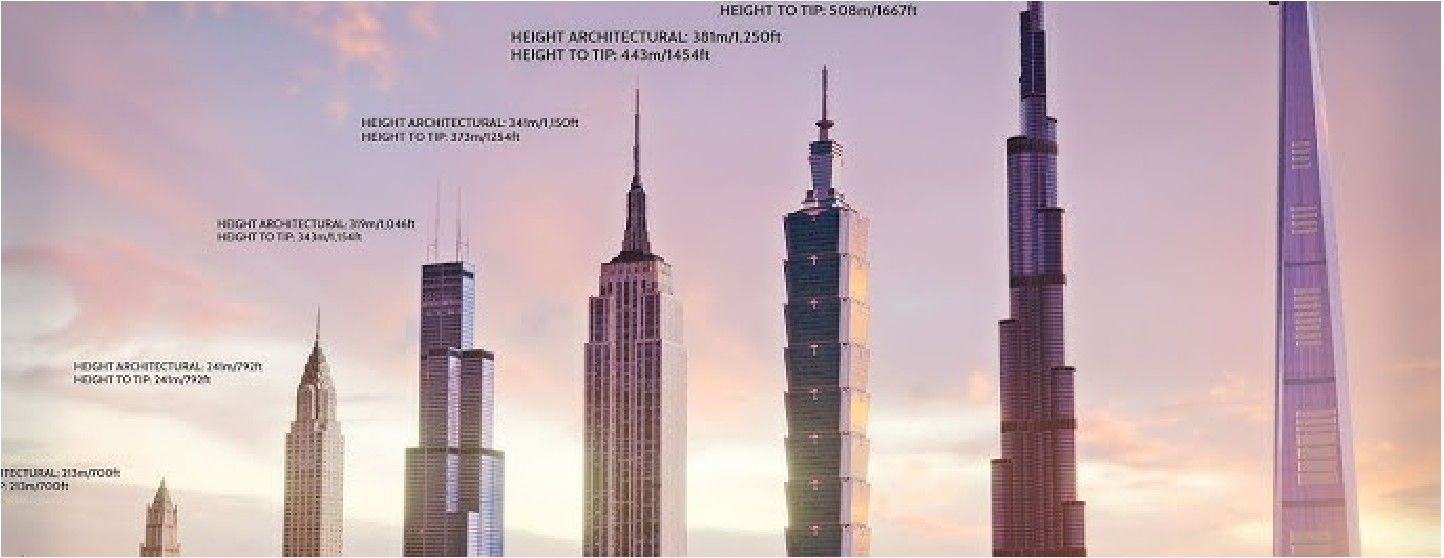
A Century Obsessed with Speed
Architecture has always been a reflection of the age in which it is built. For centuries, temples, cathedrals, mosques, and palaces took decades, even centuries, to complete. Their builders measured time not in quarters or fiscal years but in generations.
The Gothic spires of Europe or the carved temples of India were not races. They were pilgrimages — slow, deliberate, layered with meaning.
Contrast this with today’s construction culture: skyscrapers rising in weeks, master plans unveiled and executed within election cycles, deadlines dominating every studio. Speed is no longer a by-product of efficiency; it has become a measure of worth.
And yet, as the world faces its most urgent climate challenges, we must ask: what is the cost of this race?
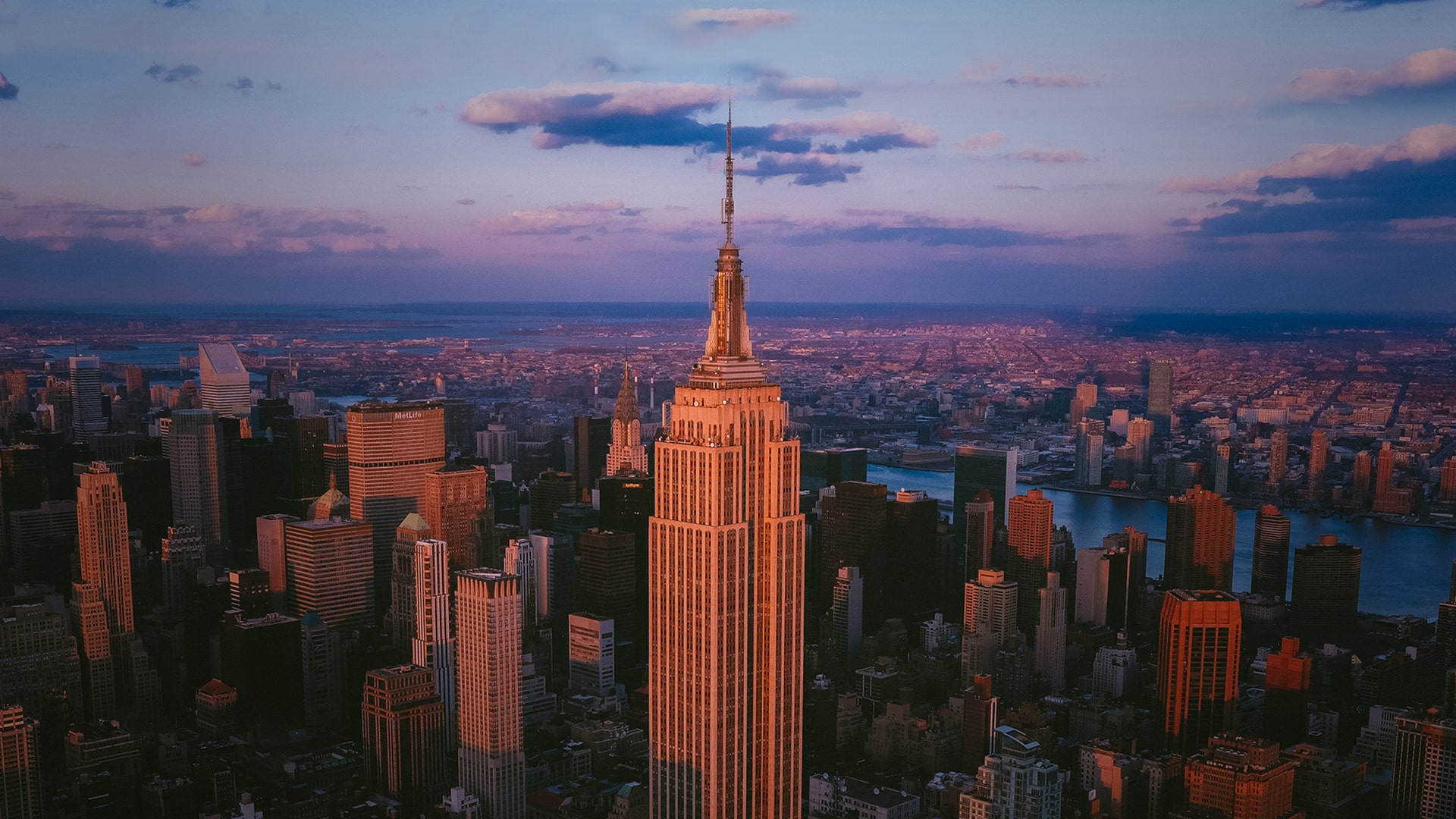
Image Source: giphy
Case Study 1: Empire State Building – The Heroic Age of Speed
The Empire State Building stands as a marvel of the early 20th century. Completed in just 13 months during the Great Depression, it was a beacon of human resilience, employing thousands and boosting morale in dark times.
Its speed was both symbolic and strategic. New York wanted to outpace rival cities, investors wanted quick returns, and America wanted a monument to hope. And it worked — the building still inspires awe today.
But here is the paradox: while speed gave us an icon, it also created a model of construction culture where timelines became as important as design. The myth of “faster is better” was born.
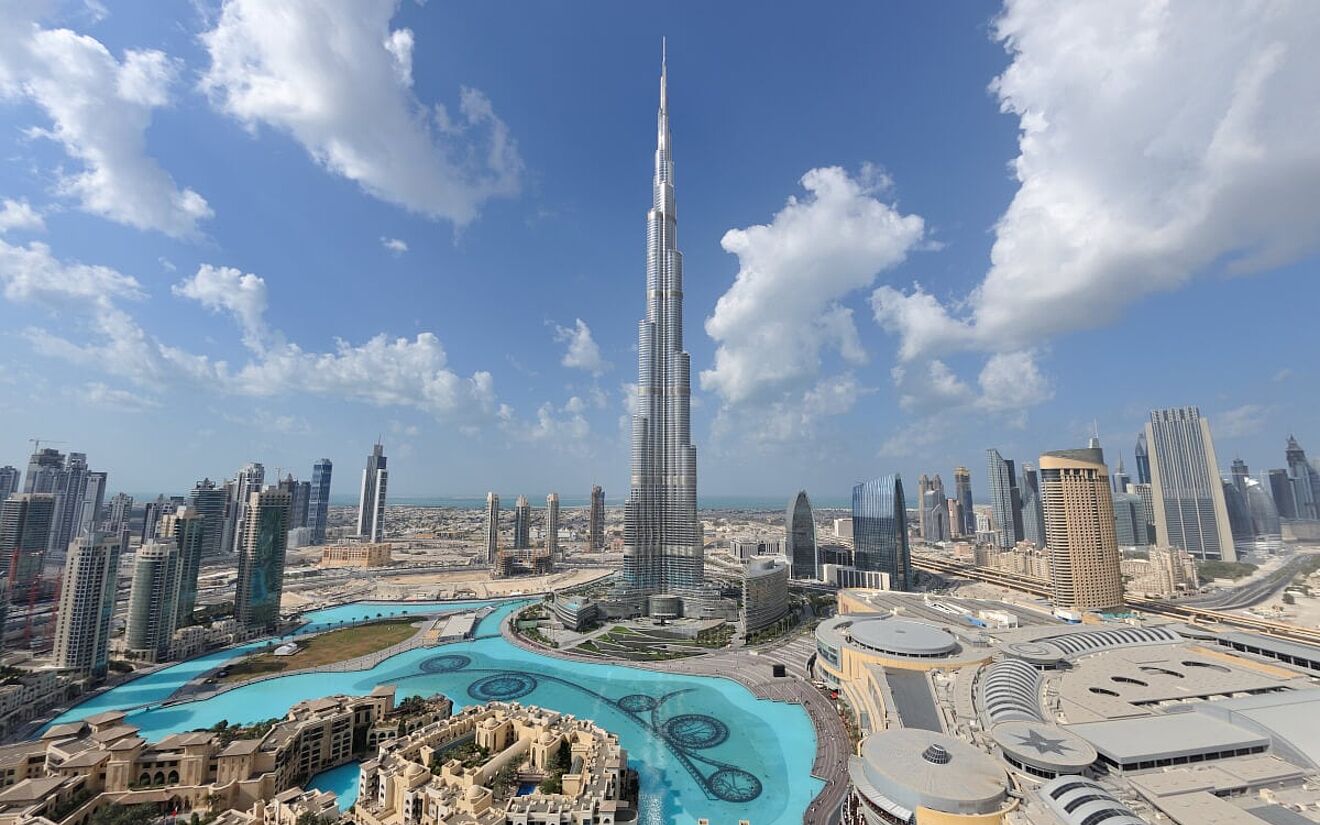
Image Source: punjabkesari.com
Case Study 2: Burj Khalifa – When Height Meets Urgency
Decades later, Dubai followed the same script on a grander scale. The Burj Khalifa was not just about height; it was about how quickly a desert city could transform itself into a global symbol. Through 24/7 shifts and advanced pumping technology, construction progressed at an astonishing pace.
It became a global advertisement — proof of what money, labour, and engineering could achieve when speed was prioritised. But as with many such projects, the ecological and cultural questions were secondary: How sustainable is a glass tower in a desert? What does it mean for energy use, for water, for urban life?
Here, speed served spectacle, but left behind lingering questions of sustainability.
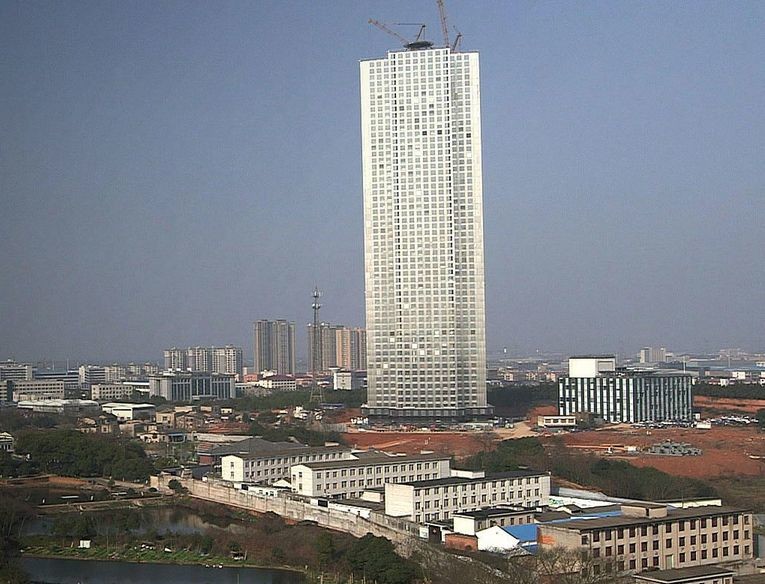
Image Source: Yevgenily Geller LinkedIn
Case Study 3: China’s 19-Day Skyscraper
When Broad Sustainable Building erected a 57-storey tower in just 19 days, the world gasped. Prefabrication and modular design made it possible. The building is called Mini Sky City.
But what exactly are we applauding here — innovation, or the extreme compression of architectural process? Can reflection, artistry, and ecological assessment survive when a skyscraper rises in less time than it takes to review an environmental impact report?
The Studio Mirror: Speed at the Human Scale
The culture of speed trickles down from global projects into the everyday life of architectural studios.
Ask a young architect about their workday, and you’ll hear a rhythm of endless deadlines, late nights, and relentless revisions.
- Drawings multiply faster than ideas.
- Models are built not for exploration but for presentation.
- Interns become execution machines, rarely invited to pause, question, or dream.
Inside this culture, thinking feels like a luxury. Reflection is often punished, not rewarded. The architect’s original role as a philosopher-builder shrinks into that of a service provider, racing against time.

Image Source: LinkedIn
Why We Fear Pausing
Why is pausing so difficult?
- Economic Fear: Investors equate speed with profit. Delay equals loss.
- Cultural Fear: Cities compete globally — faster, taller, shinier projects bring prestige.
- Personal Fear: In studios, pausing can feel like incompetence, as if slowing down equals falling behind peers.
And yet, if we do not pause, we risk building endlessly without meaning.
What Pausing Offers
Pausing is not paralysis. It is presence. It is the act of asking: what are we doing, and why?
- Pausing restores intent. Without reflection, projects risk becoming hollow spectacles.
- Pausing protects culture. Neglected Heritage Monuments or proposed temple corridors in old cities remind us that speed can erase centuries of memory in a matter of months.
- Pausing saves resources. Sustainability is not only about green tech — it is about giving ecosystems time to regenerate.
- Pausing nurtures innovation. Creativity requires breathing space. Some of the greatest breakthroughs in design emerged not under stress but during reflection.
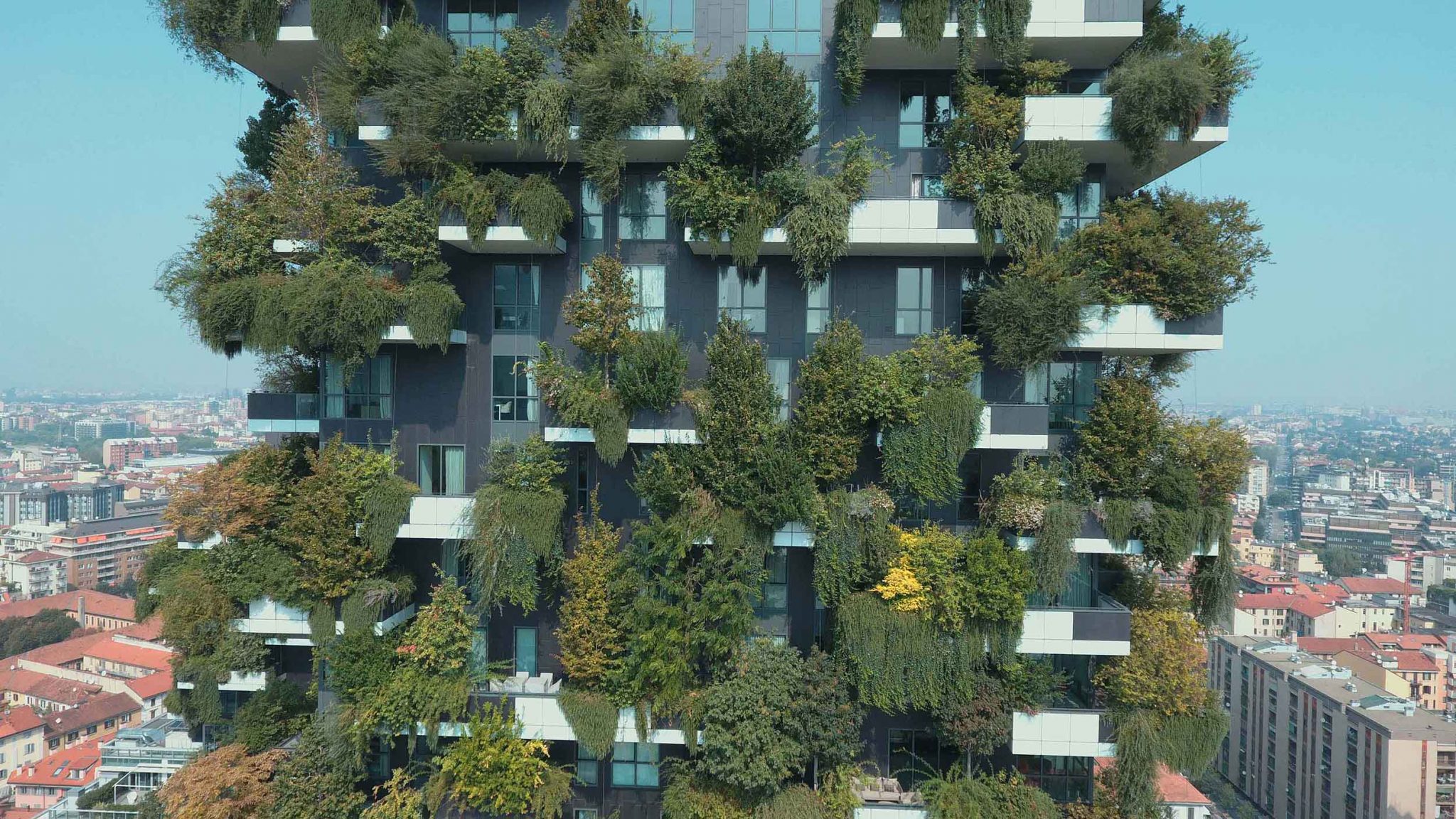
Image Source: swp.de
Case Study 5: Bosco Verticale When Pausing Creates Legacy
In contrast, Milan’s Bosco Verticale (Vertical Forest) was slow, complex, and difficult. Engineers spent years testing how soil, roots, and irrigation could work in vertical towers. Architects collaborated with botanists and ecologists.
The result? Two towers that are now global icons, where it is reflected sustainability was thought of and attempted to be made the central theme.
The most sustainable structure is the one that never gets built! No resources consumed, no energy expended. Yet, with a growing population, humans will inevitably take up space. The question is, are we occupying space with a shallow luxury-driven mindset that fuels consumerism (breaking our backs at the end of the day), or are we building according to our genuine needs? When we learn to pause, be present and question our choices! Society can begin to live from a place of truth rather than ignorance. This shift has the power to transform not only the way we design structures but the way we shape entire built environments.
Final Thought
At its heart, the obsession with speed is often ego-driven. We want to preserve and glorify what we create — skyscrapers, corridors, icons. They bear our name, our effort, our pride. But rivers, mountains, and forests existed long before us, yet we neglect them. Human ego blinds us into protecting only what reflects our labour, not what sustains life.
True growth comes when it is sustainable and gives more than it takes. It means taking only what we need, not consuming blindly. Stewardship is transcending personal and professional ego at a collective level. Slowing down is not loss — it is presence. A pause acknowledges that nature, culture, and spirit precede us.
The climate crisis is our greatest teacher, reminding us that endless acceleration is unsustainable. To pause is not laziness — it is leadership, courage, and vision. It is the act of stopping to see, reflect, and focus on what truly matters beyond immediate profit. Architects, as stewards of our built environment, can shape futures that matter. The real race is not about speed. It is about who dares to pause and be fully present first.


.png)