Gothic architecture expresses spiritual meaning through every structural element — the pointed arch directs attention upward toward the divine, stained glass transforms physical light into theological presence, gargoyles guard the threshold between sacred and profane, and the rose window represents eternity and divine order. Each architectural feature of a Gothic cathedral carries deliberate symbolic intent, making the building itself a theological statement in stone and glass.
Gothic architecture, with its awe-inspiring cathedrals and intricate designs, stands as a testament to the spiritual and religious fervor of the medieval period. This architectural style, which flourished from the 12th to the 16th centuries, is not only notable for its grandeur but also for the rich symbolism embedded within its structures. Every element of Gothic architecture—from soaring spires to intricate stained glass windows—carries a deeper meaning, reflecting the religious beliefs and cultural values of the time. Understanding the symbolism in Gothic architecture allows us to appreciate the profound spiritual and artistic expressions of the medieval era.
The Rise of Gothic Architecture
Origins and Evolution
Gothic architecture originated in France, with the construction of the Basilica of Saint-Denis often cited as its starting point. This style quickly spread across Europe, evolving over the centuries to include various regional adaptations. The Gothic building style is characterized by its emphasis on verticality, light, and intricate detailing, all designed to evoke a sense of the divine.
Gothic architecture evolved directly from the Romanesque tradition — the transition from Romanesque to Gothic architecture traces how structural innovations including the pointed arch and flying buttress enabled a complete transformation of sacred space across 12th-century Europe.
Key Features of Gothic Art and Architecture
Key features of Gothic art and architecture include pointed arches, ribbed vaults, flying buttresses, and extensive use of stained glass. These elements not only served structural purposes but also conveyed symbolic meanings. For instance, the pointed arches directed the eye upwards, symbolizing the soul's ascent to heaven.
The structural and decorative characteristics that define Gothic architecture — pointed arches, ribbed vaults, flying buttresses, tracery, and stained glass — are examined in key characteristics of Gothic architecture, covering how each feature functions both structurally and symbolically.
Symbolic Elements in Gothic Architecture
The Vertical Ascent
One of the most striking features of Gothic style is its verticality. The tall, slender columns and towering spires are designed to draw the eyes upward, directing the viewer's thoughts towards the heavens. This vertical emphasis is symbolic of spiritual aspiration and the human desire to reach closer to the divine.
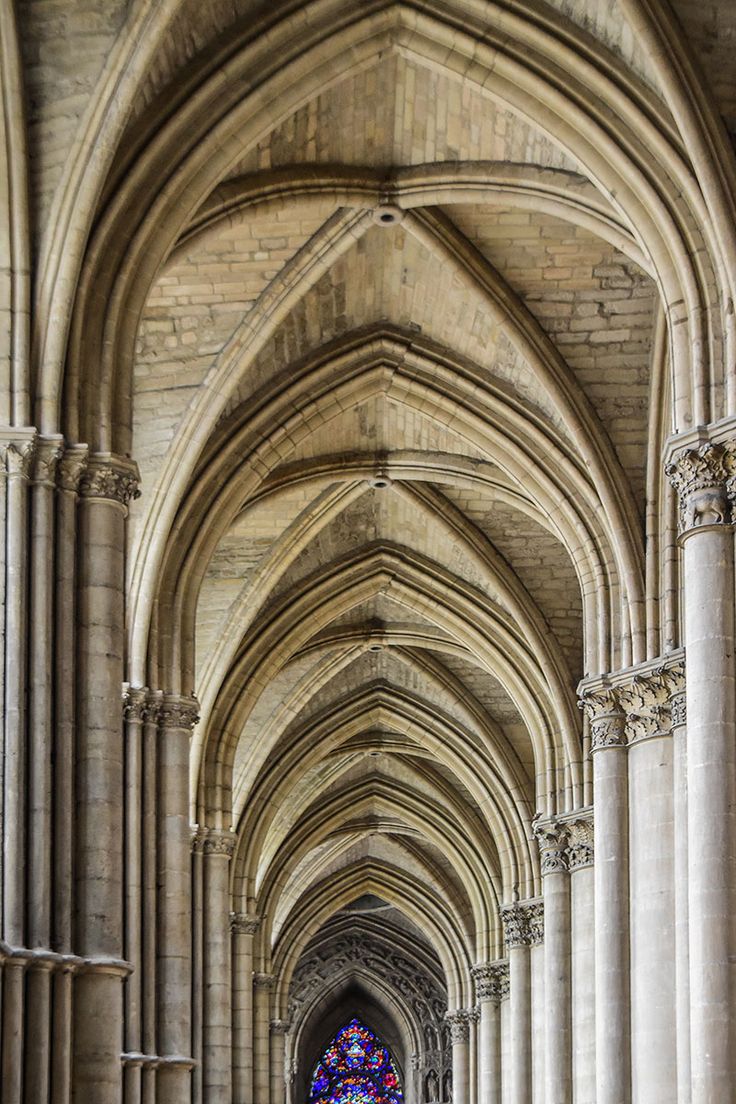
Gothic cathedral interior ribbed vault ceiling showing vertical ascent and divine light symbolism
Ornamentation of Gothic Cathedrals _©sah.org
The Pointed Arch and Flying Buttress — Structure as Spiritual Metaphor
The pointed arch is the defining structural and symbolic element of Gothic architecture, replacing the semicircular Romanesque arch with a two-centred arch whose apex points sharply upward. Structurally, the pointed arch distributes weight more efficiently, allowing higher walls and wider spans with thinner piers. Symbolically, it functions as an architectural arrow, drawing the eye upward toward the vaulted ceiling and ultimately toward the sky. Every pointed arch in a Gothic cathedral participates in the same vertical theology, redirecting human perception from earthly horizontal to divine vertical.
The flying buttress is the technical innovation that made the Gothic interior possible, an arched stone structure that transfers the lateral thrust of the cathedral's high stone vaults across open air to an outer pier, freeing the interior walls from structural load. Before the flying buttress, church walls needed massive thickness to resist vault thrust. With the flying buttress absorbing that force externally, interior walls could become vast windows of coloured glass.
The flying buttress thus directly enabled the Gothic cathedral's spiritual programme, the stone structure visible on the exterior made possible the light-filled, seemingly weightless interior that expressed divine presence. Structural engineering and theological intent were inseparable in Gothic design.
Light as a Divine Symbol
Stained glass windows are a hallmark of Gothic architecture, flooding the interiors with colorful light. This use of light is highly symbolic, representing divine illumination and the presence of God. The intricate designs and biblical stories depicted in the stained glass served as visual sermons, educating and inspiring the faithful.
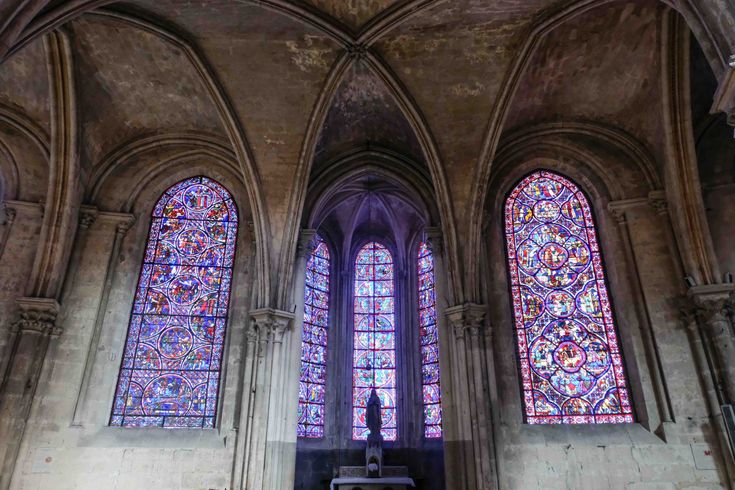
Gothic cathedral stained glass window representing divine light and spiritual symbolism
Bourges Cathedral _©roadtripsaroundtheworld.com
The Mystical Rose Window
The rose window is one of the most iconic symbols in Gothic architecture. Typically found in the facades of Gothic cathedrals, these circular stained glass windows are not only visually stunning but also deeply symbolic. The rose window represents the Virgin Mary, often referred to as the Mystical Rose, and serves as a symbol of purity and divine grace.
The symbolic programme of a Gothic rose window is precise and consistent across cathedrals. The circular form itself represents eternity, without beginning or end, mirroring the theological concept of divine infinity. The tracery subdividing the circle into geometric sections represents the ordering of creation, with Christ, the Virgin Mary, or the Last Judgement positioned at the central point around which all creation is organised.
North rose windows typically depict the Old Testament, prophets and patriarchs. South rose windows depict the New Testament, apostles and scenes from the life of Christ. West rose windows, positioned above the main entrance facing the setting sun, typically depict the Last Judgement, a reminder to worshippers as they enter and leave of mortality and divine accountability.
The Notre-Dame de Paris north rose window (1250) is the most studied example, retaining much of its original 13th-century glass, it depicts the Virgin Mary surrounded by Old Testament figures in concentric rings, an architectural representation of divine hierarchy made visible through coloured light.
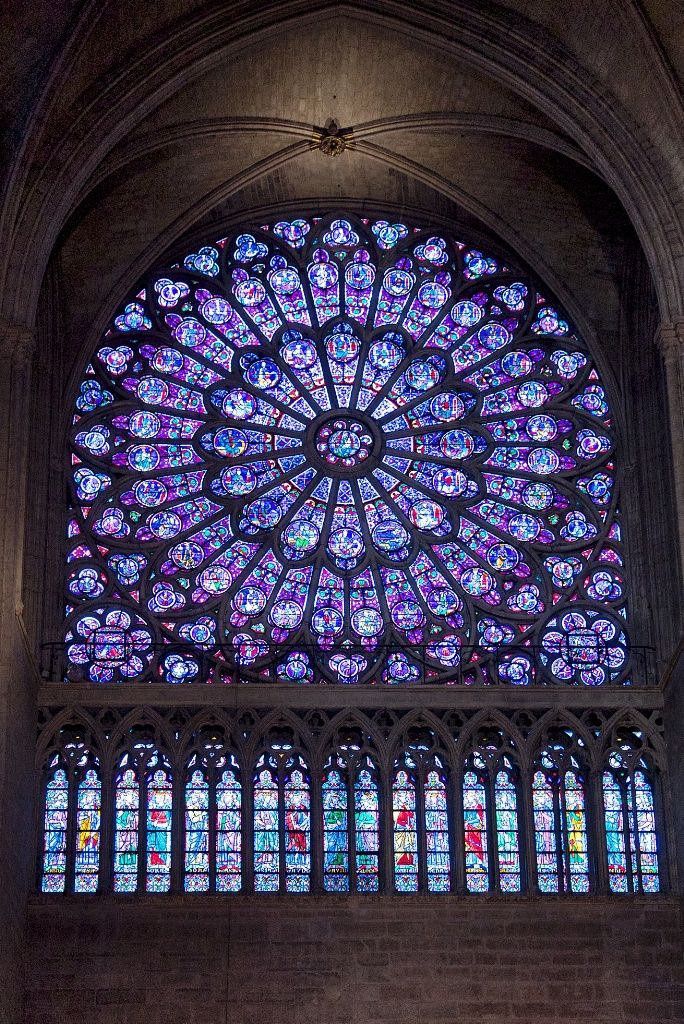
Gothic cathedral rose window circular tracery representing eternity and divine order
Notre Dame _©mikestravelguide.com
Religious Symbolism in Gothic Architecture
The Cruciform Plan
Many Gothic cathedrals are designed in the shape of a cross, known as a cruciform plan. This layout is a direct reference to the crucifixion of Christ, symbolizing the central tenet of Christianity. The transepts (arms of the cross) and the nave (the body) together create this powerful religious symbol in the architecture itself.
The Presence of Gargoyles
Gargoyles, while often perceived as mere decorative elements, carry significant symbolic weight. These grotesque figures serve both a practical purpose, acting as water spouts to direct rainwater away from the building, and a symbolic one. They are believed to ward off evil spirits, protecting the sanctity of the church and its congregation.
Gargoyles serve a dual function, structural and symbolic, which distinguishes them from purely decorative elements. Structurally, gargoyles are carved stone water spouts projecting rainwater away from the cathedral's masonry walls, preventing water damage. The gargoyle's projecting form is a functional drainage requirement, its monstrous carved appearance transforms this structural necessity into theological statement.
Symbolically, gargoyles occupy the precise threshold between the sacred interior and the profane exterior. Their monstrous appearance represents the forces of evil conquered and made powerless by the sacred space within, the gargoyle guards the threshold, warding off evil spirits while demonstrating the Church's power over supernatural forces. A gargoyle that functions only as decoration without a drainage spout is technically called a grotesque rather than a gargoyle, though the terms are commonly used interchangeably.
The placement of gargoyles at the highest visible points of buttresses and towers made them a public declaration comprehensible to a largely illiterate medieval population who read architectural symbolism as a primary language.
Iconography and Sculptural Detail
The intricate carvings and sculptures that adorn Gothic cathedrals are rich in religious symbolism. Figures of saints, biblical scenes, and angelic beings are meticulously crafted to convey spiritual messages. These sculptures served as a form of religious education for the largely illiterate medieval population, conveying stories and moral lessons.
Cultural and Spiritual Impact of Gothic Architecture
A Space for Worship and Reflection
Gothic cathedrals were designed not only as places of worship but also as spaces for reflection and spiritual contemplation. The grandeur and beauty of these structures were intended to inspire awe and reverence, drawing worshipers into a deeper connection with their faith.
Community and Identity
Gothic cathedrals often served as the focal point of the community, playing a central role in both religious and social life. They were a source of pride and identity for the towns and cities that built them, symbolizing the community's devotion and piety.
Gothic architecture shaped not just sacred spaces but entire cities — Gothic architecture and medieval urbanism covers how Gothic cathedrals defined the layout, economy, and social identity of medieval European towns.
The Enduring Legacy
The legacy of Gothic architecture endures to this day, with many Gothic cathedrals still standing as major landmarks and tourist attractions. The spiritual and religious significance of these structures continues to resonate, drawing visitors from around the world to marvel at their beauty and contemplate their deeper meanings.
The Gothic vocabulary was interpreted differently across France, England, and Germany — French, English, and German Gothic architectural styles traces how the shared spiritual symbolism was expressed through distinct regional traditions.
Heritage documentation and conservation of Gothic cathedrals uses BIM technology to create accurate digital records for restoration and preservation. Kaarwan's Revit BIM Certification Course covers heritage documentation workflows applicable for architects working on historic buildings.
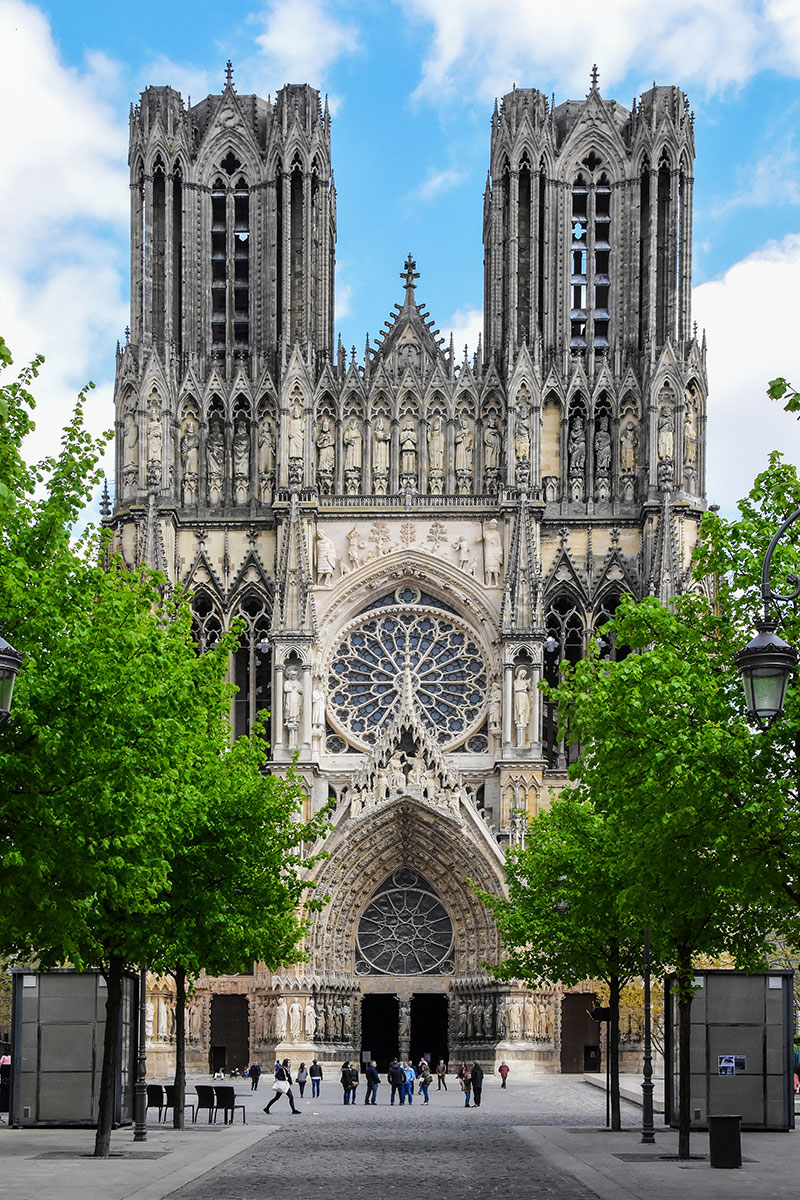
Gothic cathedral exterior with flying buttresses pointed arches and vertical emphasis
Facade of Notre Dame Cathedral _©sah.org
Conclusion
The symbolism in Gothic architecture offers profound insights into the spiritual and religious mindset of the medieval period. Each element of the Gothic building style carries rich symbolic meaning, reflecting the deep faith and cultural values of the time. From the vertical ascent of towering spires to the divine light of stained glass windows, Gothic architecture is a testament to the human desire to connect with the divine. Understanding this symbolism enhances our appreciation of these architectural marvels and the enduring legacy of Gothic art.
Fascinated by architectural history and heritage? Build the digital skills to document and work with historic buildings — explore Kaarwan's architecture courses.
Frequently Asked Questions
What is the spiritual symbolism of Gothic architecture?
Gothic architecture expresses spiritual symbolism through every element. The pointed arch and vertical emphasis represent aspiration toward the divine. Stained glass transforms light into divine presence. Gargoyles represent conquered evil at the threshold of sacred space. The rose window represents eternity and divine order. The mathematical geometry of the whole building reflects medieval beliefs about divine reason made visible in earthly form.
What does the pointed arch symbolise in Gothic architecture?
The pointed arch symbolises vertical aspiration toward God, it functions as an architectural arrow directing the eye upward. It also embodies the vesica piscis, an ancient Christian geometric symbol. Every pointed arch in a Gothic cathedral participates in this vertical theological programme, redirecting human perception from horizontal earthly concerns to the vertical divine.
What is the symbolism of the rose window in Gothic cathedrals?
The rose window's circular form represents eternity, without beginning or end. The tracery subdivides the circle into geometric sections representing the ordering of creation. North windows typically depict the Old Testament, south windows the New Testament, and west windows above the main entrance typically depict the Last Judgement.
What do gargoyles symbolise in Gothic architecture?
Gargoyles represent evil conquered and made powerless by the sacred space they guard. Their monstrous appearance at the threshold between exterior and interior symbolises the Church's power over supernatural forces. Structurally they are water spouts, their symbolic role transforms this functional necessity into theological statement.
What is the significance of light in Gothic cathedrals?
In Gothic cathedral theology, physical light was understood as divine presence made visible. This theology derives from Abbot Suger of Saint-Denis who developed the concept of lux nova — new light, seeing coloured glass transformed by sunlight as a symbol of the soul's transformation by divine grace. Every Gothic window is both a structural element and a theological instrument.
How is Gothic architecture different from Romanesque?
Romanesque buildings have thick walls, small windows, round arches, and barrel vaults, heavy, fortress-like interiors. Gothic buildings use pointed arches, ribbed vaults, and flying buttresses to open walls into vast stained glass windows, creating soaring light-filled interiors. The shift from Romanesque solidity to Gothic luminosity directly reflected changing theological ideas about the relationship between light, space, and divine presence.