Is sustainability just a buzzword, or is it the cornerstone of modern design? The integration of BIM architecture into green building design proves it’s the latter. BIM (Building Information Modeling) empowers architects and engineers to craft sustainable solutions, reducing environmental impact while enhancing efficiency.
This article will help you learn about how BIM architecture is revolutionizing sustainable design and how you can leverage BIM certification courses to excel in this domain.
What is Sustainable Design in Green Building?
Sustainability in green building focuses on minimizing environmental harm while ensuring efficiency and comfort. It involves material optimization, energy-saving solutions, and reduced carbon footprints.
Key pillars of sustainable design include:
- Energy efficiency: Incorporating renewable energy and optimized energy systems.
- Material sustainability: Using eco-friendly, recyclable, or long-lasting materials.
- Water management: Recycling water and minimizing waste.
Example: The Bullitt Center in Seattle is a six-story green building, showcasing net-zero energy consumption and rainwater harvesting. It stands as a testament to the potential of sustainable design.
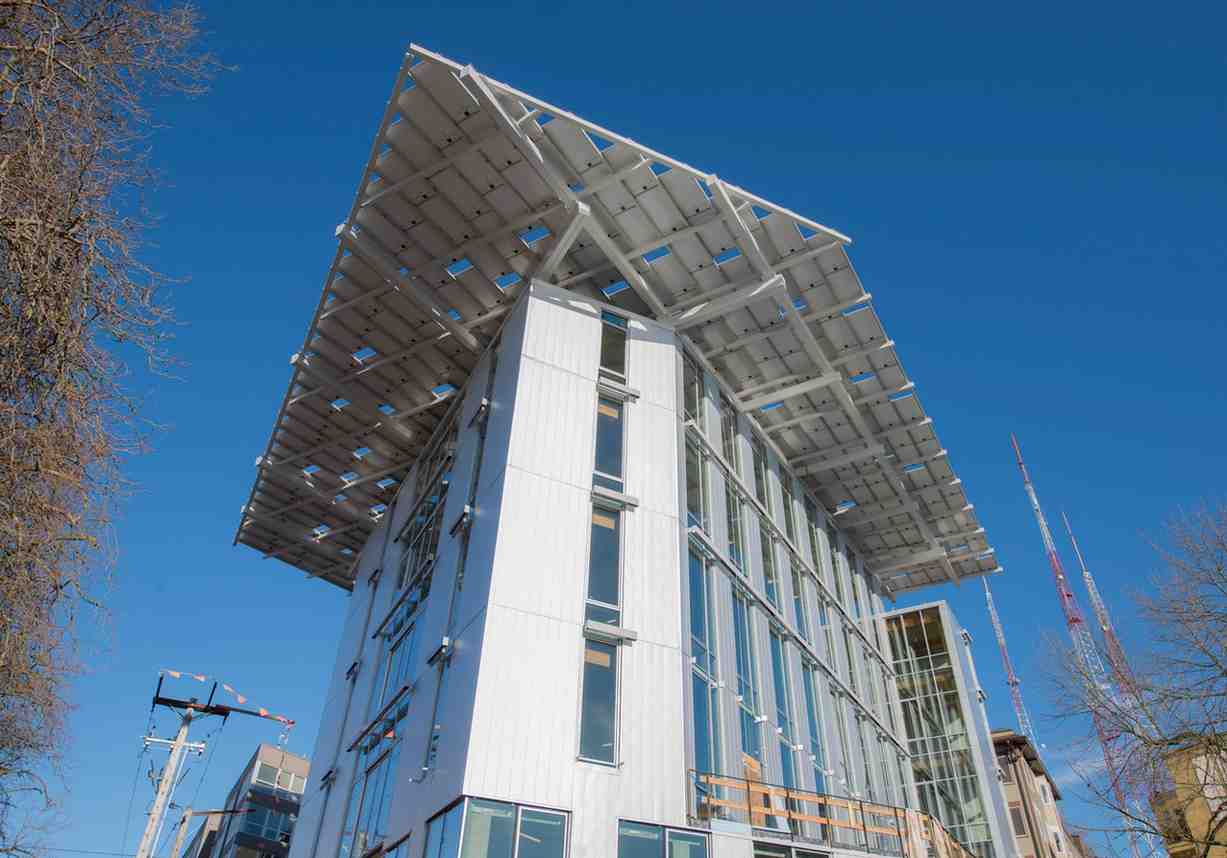
The Bullitt Center, 'World's Greenest Commercial' Building in Seattle _©John Stamets via archdaily.com
How BIM Architecture Enhances Sustainable Design
BIM architecture has transformed sustainable practices by offering precise tools for planning, analysis, and optimization. But how does it contribute specifically?
1. Energy Efficiency Analysis
BIM tools like Autodesk Insight allow architects to simulate energy consumption and optimize designs for sustainability. These tools analyze solar radiation, heating, and cooling systems, ensuring optimal performance.
- Example: The Torre Reforma in Mexico used BIM to achieve LEED Platinum certification by optimizing its energy systems.
2. Resource Management
BIM enables resource tracking, helping reduce waste during construction. It promotes circular economy principles by integrating recycled materials into projects.
- Example: The Sydney Opera House retrofit project utilized BIM to minimize waste, cutting costs by 20%.
3. Water Efficiency Design
Using BIM, designers can incorporate advanced water-saving mechanisms. Rainwater harvesting and graywater recycling are planned with precision through simulation.
Real-Life Impact: Studies show that BIM reduces construction waste by up to 40% (source: Dodge Data & Analytics). This directly supports green building practices.
Tools and Technologies in BIM for Sustainability
1. Revit for Sustainable Design
Revit, a leading BIM software, is pivotal for sustainable design. Its energy analysis capabilities streamline building efficiency. By enrolling in a Revit certification course, professionals can enhance their skill set to meet industry demands.
2. Computational Design Integration
Parametric tools like Grasshopper integrated with BIM allow detailed environmental analysis, ensuring greener solutions.
3. Collaboration through BIM360
Cloud-based platforms such as BIM360 support collaborative approaches to green design. From early-stage planning to execution, teams can reduce errors and improve efficiency.
Benefits of Incorporating BIM in Green Building Projects
Adopting BIM architecture in sustainable projects has far-reaching benefits:
- Reduced Costs: Accurate simulations save material and labor costs.
- Improved Design Accuracy: BIM eliminates errors through real-time collaboration.
- Enhanced Performance: Buildings are optimized for energy, water, and material use.
Applications of BIM in Sustainable Projects
1. The Edge, Amsterdam
Known as the greenest building in the world, The Edge leveraged BIM for energy optimization. Its smart systems achieve 70% energy savings annually.
2. Singapore’s Changi Airport Expansion
BIM tools optimized the airport’s ventilation and energy systems, resulting in LEED certification.
3. Infosys Headquarters, India
Infosys used BIM to design solar-powered, water-efficient green campuses, setting a benchmark for sustainable architecture in India.
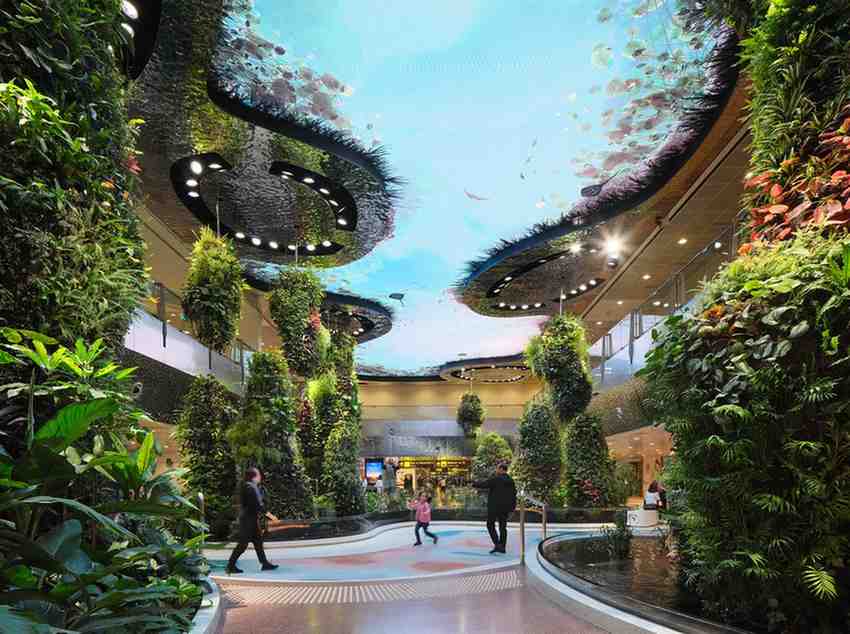
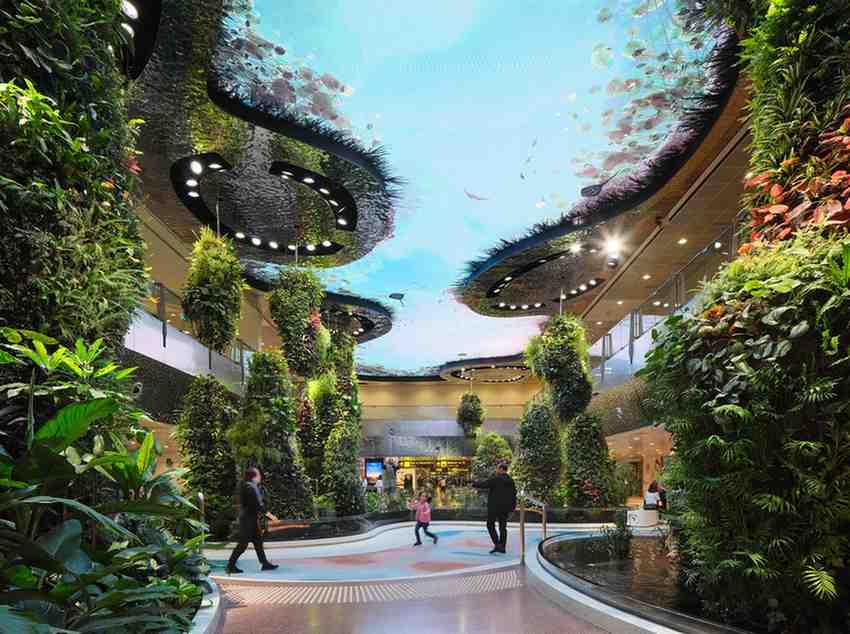
Singapore Changi Airport Terminal 2 expansion_©worldlandscapearchitect.com
Career Growth in BIM and Sustainability
The demand for skilled professionals in BIM architecture and sustainable design is surging globally. Courses like BIM certification course online or a Revit certification course prepare architects for high-paying roles in sustainable projects.
Statistics: A recent LinkedIn report highlighted a 17% increase in job postings related to sustainable architecture. The Bureau of Labor Statistics forecasts a 9% growth in architect jobs by 2030, driven by green projects.
Why Consider Certification?
- Gain expertise in tools like Revit and BIM360.
- Build credibility in sustainable design practices.
- Unlock opportunities in LEED-certified projects.
Steps to Excel in BIM for Sustainability
- Enroll in a BIM Course: A BIM certification course online provides essential skills for sustainable design.
- Learn Revit: A Revit certification course enhances energy modeling and material tracking abilities.
- Gain Practical Experience: Apply BIM in live projects or internships.
- Stay Updated: Follow sustainable design trends, including circular construction and net-zero energy buildings.
Conclusion
Sustainability and BIM architecture go hand-in-hand, revolutionizing the way we design green buildings. Whether it’s improving energy efficiency, managing resources, or creating eco-friendly spaces, BIM offers endless possibilities.
To build a career in this evolving field, consider enrolling in a BIM certification course online or a Revit certification course. These programs equip you with the tools and knowledge to design a sustainable future. By embracing BIM, architects and designers can truly lead the way in reshaping our world.
Take your skills to the next level! Enroll in our Professional Revit & BIM Certification Course online today and design for a sustainable future.
Visit the Kaarwan website for more insights!
FAQs
Q1: What is sustainable design in green building?
A1: Sustainable design minimizes environmental harm while enhancing efficiency and comfort. It involves energy-efficient systems, eco-friendly materials, and water-saving practices, such as rainwater harvesting and recycling.
Q2: How does BIM architecture contribute to sustainability?
A2: BIM tools enable precise planning, energy simulations, and resource management. Features like Autodesk Insight and BIM360 help reduce waste, optimize energy use, and plan water-efficient systems in green buildings.
Q3: Which BIM tools support sustainable design?
A3: Key tools include Revit for energy modeling, Grasshopper for environmental analysis, and BIM360 for collaborative planning. These platforms streamline sustainable building design.
Q4: Why are BIM certification courses important for sustainable design?
A4: BIM certification courses teach advanced skills like energy modeling and resource tracking. They prepare professionals for high-demand roles in LEED-certified and green building projects.
Q5: What are the career benefits of specializing in BIM for sustainability?
A5: Specializing in BIM for sustainability opens doors to high-paying jobs. It aligns with the growing demand for green architecture, as highlighted by LinkedIn’s 17% rise in related job postings.