


Before we dive into the top technical options, let’s explore why many architects choose to specialise further after their B.Arch :
- A desire to work on large-scale, public, or infrastructure-driven projects
- Passion for solving complex problems like sustainability, mobility, housing shortages, or climate resilience
- Better salaries and leadership roles in project management, policy, or consultancy
- A clear technical niche to stand out in the job market
- Stronger alignment with government, development, or international projects
Unlike general practice, these technical paths offer deeper influence in how cities grow, how buildings function, and how design decisions shape human well-being.
Top 10 Technical Master’s Programmes After Architecture
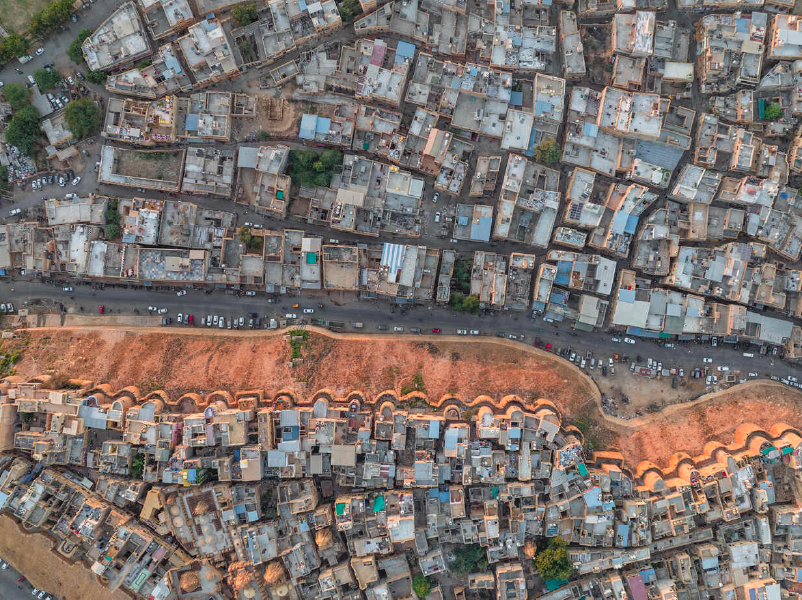
Image Source: westend61
1. Master’s in Planning (General or Specialised)
What You Do: A versatile degree that lets you specialise in environment, housing, transport, urban, or regional domains.
Why It's a Great Fit: If you're unsure which niche you love most, this opens several doors while giving you solid ground in land use, policy, GIS, and systems thinking.
Must-Learn Tools: GIS, ArcGIS, AutoCAD, SPSS, Remote Sensing, Urban Planning Frameworks
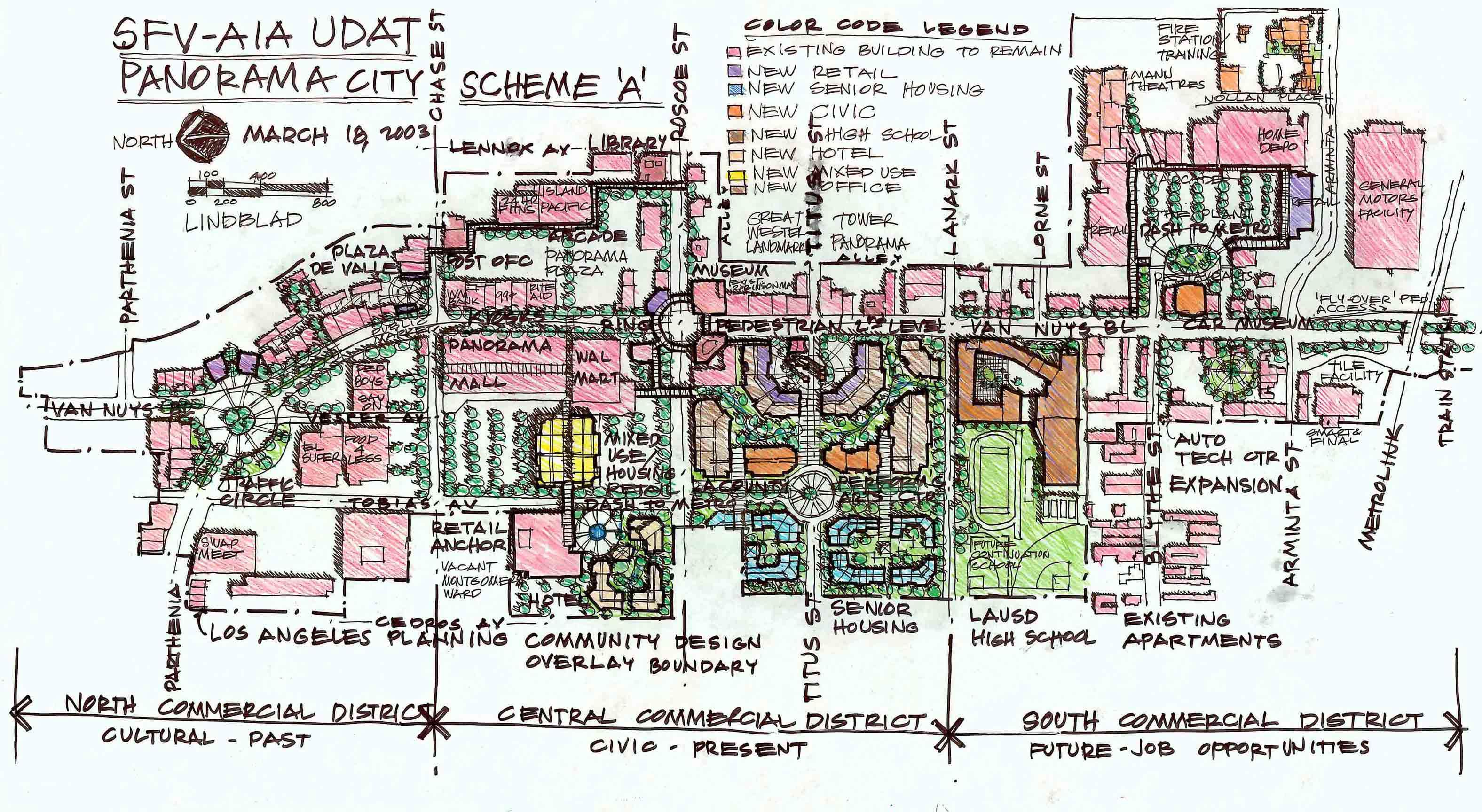
Image Source: Wordpress
Top Institutions: CEPT, SPA, MIT, TU Delft
Ideal For: Architects who want flexibility but still pursue technical mastery
Note: There is more to the planning field, like City Planning, Town Planning, Community Planning, Regional Planning, Rural Planning, and even Spatial Planning. Research the scope of work and job opportunities carefully, as some specialisations have limited seats and may require you to begin in assistant or support roles. We will try to cover a few of these in future editions.
2. Master’s in Urban Planning
What You Do: Plan cities and towns by coordinating land use, infrastructure, transportation, housing, and environmental protection.
Why It's a Great Fit: Your spatial thinking and stakeholder understanding as an architect are vital in urban planning. You move from designing individual buildings to designing how entire communities live.
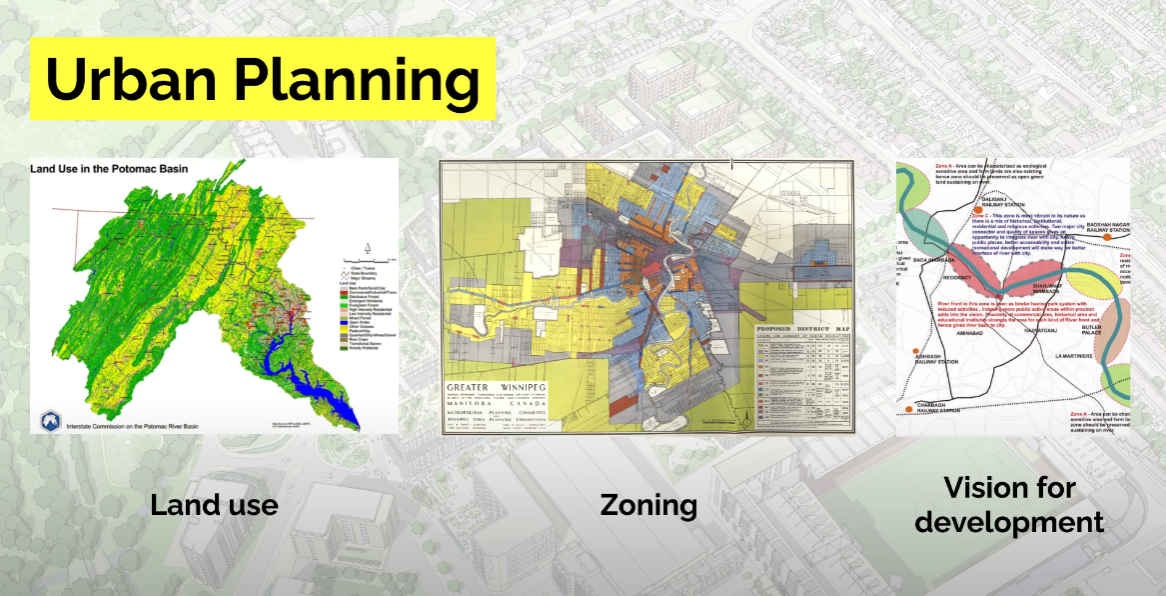
Image Source: Mind the Map
Must-Learn Tools: GIS, AutoCAD, QGIS, UrbanSim, SketchUp, Adobe Suite
Affordable Courses & Masterclasses Kaarwan Offers to Empower Architects with Efficient Workflows:-
Advance SketchUp Modelling with Lumion + Efficient Plugins (4 weeks hands-on training, check out Alumni Portfolios here)
Visualisation and Rendering Course (4 Weeks with tools AutoCad, Photoshop, SketchUp, Lumion, V-Ray and After Effects)
1-Day Photoshop Architectural Sheet Presentation Masterclass
2-Day V-Ray Masterclass on Rendering for Interior & Architecture Students
Top Institutions: CEPT (Ahmedabad), SPA (Delhi/Bhopal), TU Delft, MIT, UCL
Ideal For: Architects interested in public policy, zoning, smart cities, and sustainable urban growth
| Urban Planning | Urban Design | |
| Level | Macro Approach | Micro Approach |
| Phase | Earlier Stage of Development | Later Stage of Development |
Source: UDL
3. Master’s in Urban Design
What You Do: Bridge architecture and planning by designing city blocks, streetscapes, public spaces, and urban form.
Why It's a Great Fit: You already think about form, movement, and user behaviour. This degree makes you a specialist in shaping vibrant, walkable, people-first cities.
Must-Learn Tools: Rhino, Grasshopper, GIS, Adobe Creative Suite, ArcGIS, AutoCAD
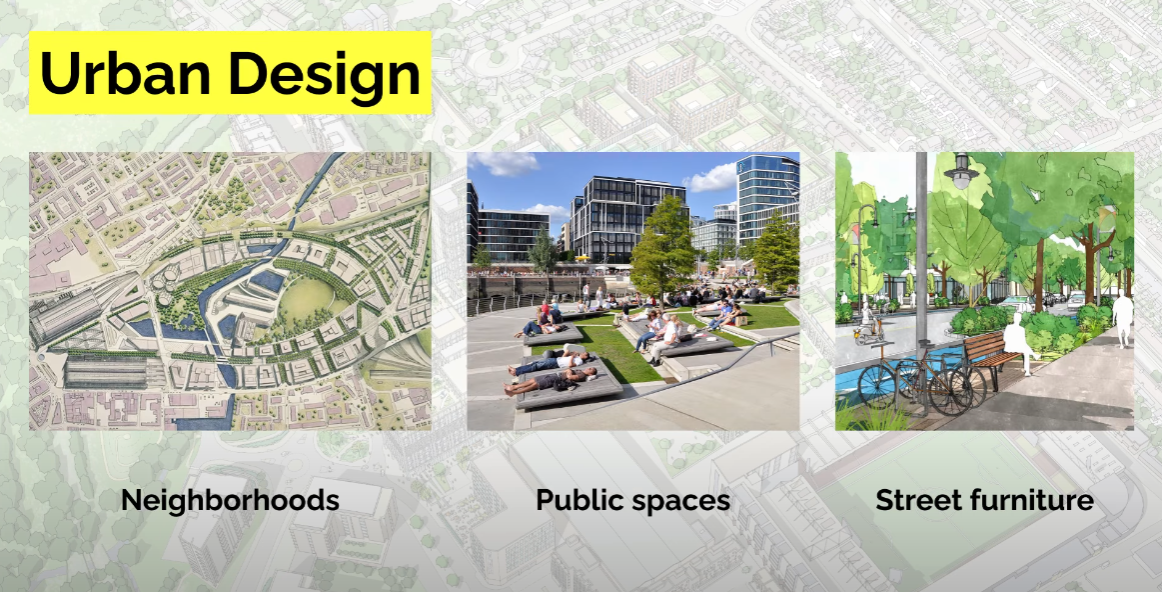
Image Source: Mind the Map
Top Institutions: Columbia GSAPP, Bartlett UCL, SPA Delhi, CEPT
Ideal For: Architects passionate about design thinking, civic life, and quality urban space
4. Master’s in Regional Planning
What You Do: Plan for entire regions—rural areas, peri-urban zones, and interlinked cities—by focusing on infrastructure, environment, and development equity.
Why It's a Great Fit: Moves beyond the city to tackle spatial inequality, infrastructure access, and disaster planning at a macro level.
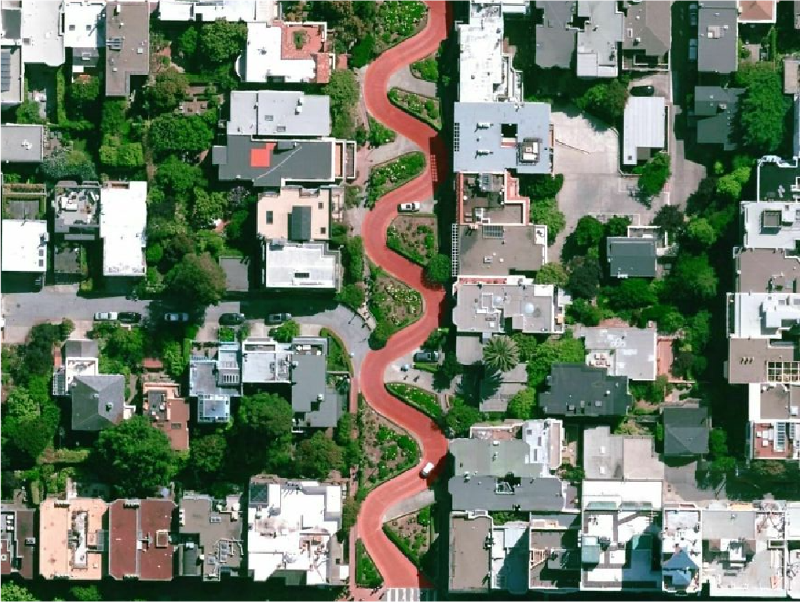
Image Source:
Must-Learn Tools: GIS, Remote Sensing, ArcGIS, Planning Support Systems, Excel, AutoCAD
Top Institutions: SPA Bhopal, CEPT University
Ideal For: Architects wanting to work with the government, NGOs, or international development agencies

Image Source: ASLA
5. Master’s in Transport Planning
What You Do: Focus on mobility systems—bus, metro, pedestrian, cycling, freight—and how they shape the urban experience.
Why It's a Great Fit: Mobility is central to good urban design. This degree helps you design inclusive, efficient, and sustainable transport systems.
Must-Learn Tools: VISSIM, TransCAD, GIS, AutoTURN, ArcGIS, Synchro, Civil 3D (Feel free to explore BIM for Civil Engineers Course)
Top Institutions: IIT Delhi, SPA Delhi, TU Munich
Ideal For: Tech-forward designers interested in public infrastructure, smart cities, and transport equity
.png)
Image Source: Rebatir Notre, Dame de Paris
6. Master’s in Building Engineering and Management (MBEM)
What You Do: Oversee the technical and managerial aspects of construction—budgeting, scheduling, quality control, and coordination between consultants.
Why It's a Great Fit: Perfect for architects who love execution, site management, and becoming Project Managers or Construction Consultants.
Must-Learn Tools: MS Project, Primavera, BIM (Revit, Navisworks), AutoCAD, Excel, Tally ERP
Top Institutions: SPA Delhi, NICMAR, IIT Madras
Ideal For: Site-savvy professionals aiming for leadership roles in construction, real estate, or infrastructure
-(3)_1752743745888.png)
Not sure which path is “right” for you?
Take a fun career-personality Skill Test — a quick, reflective tool designed to help you discover where your strengths align.
The goal? To find where your curiosity leads and to help you make confident, informed choices before making big decisions.
Here's a bingeable blog series that directs your reflection & adds to your research journey :🔹 Blog 1: The Secret to Loving What You Do? — Choosing a Design Role That Fits You 🔹 Blog 2: Top Creative Career Options After Studying Architecture in 2025 🔹 Blog 3: What to Do After B.Arch? Top Technical Master’s Paths in Architecture 2025 🔹 Blog 4: I Took the Skill Test — Now What? 🔹 Blog 5: Career Pathways in Architecture — Roles, Experience, Salaries & Skills 🔹 Blog 6: How to Upskill Without Burning Out? (our favourite - for real guidance and cute visuals in bonus ;)
_1752733384140.jpg)
Image Source: AltEnergyMag
7. Master’s in Environmental Planning
What You Do: Develop large-scale strategies for managing land, water, air, and ecosystems within urban or regional contexts. You evaluate environmental impact, influence land use policy, and create long-term frameworks for sustainable growth.
Why It’s a Great Fit: If you're concerned about deforestation, air quality, land degradation, and the ecological footprint of development, this degree lets you work at the intersection of policy, planning, and nature.
Must-Learn Tools: GIS, Remote Sensing, ArcGIS, ENVIS, QGIS, Climate Data Tools, AutoCAD
Top Institutions: SPA Bhopal, CEPT Ahmedabad, TU Berlin, University of Melbourne
Ideal For: Architects interested in environmental policy, ecological planning, climate adaptation, and working with development authorities or environmental agencies
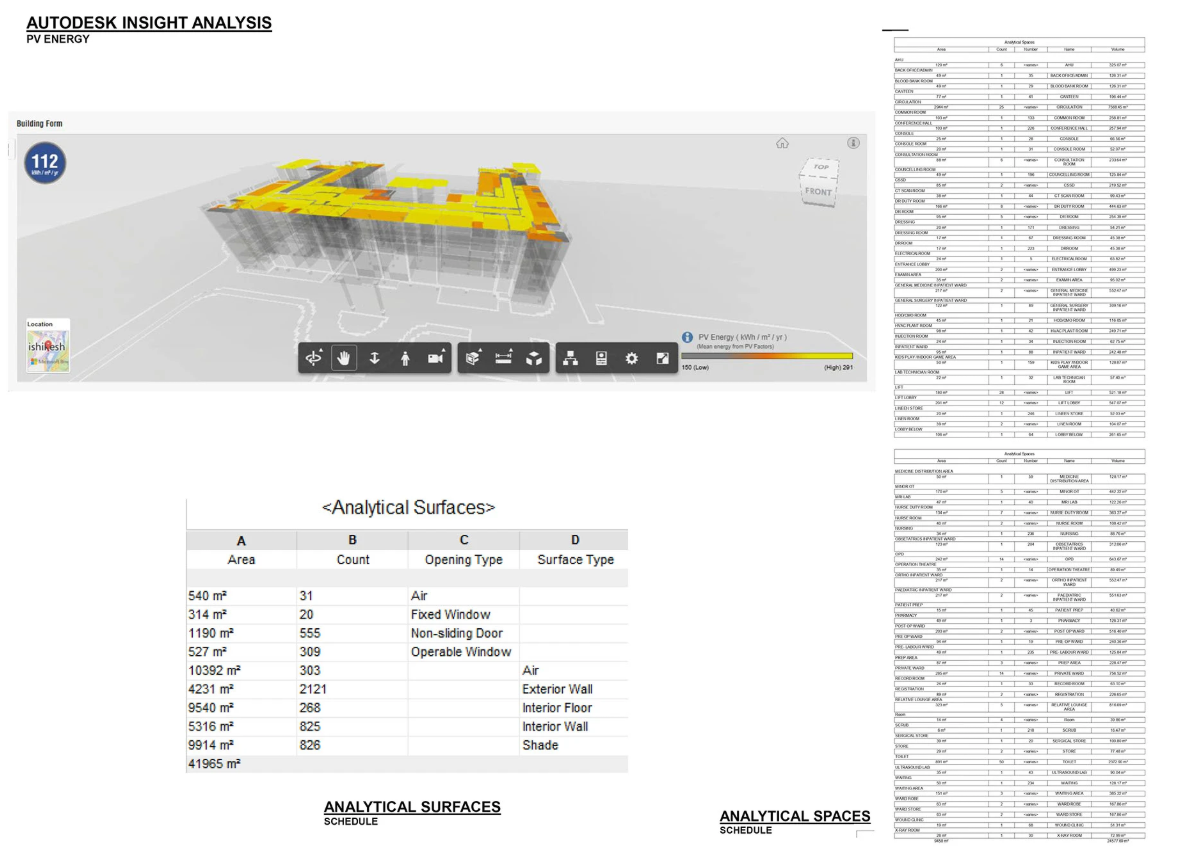
Image Source: Kaarwan Learner Portfolio by Akash Kumar Yadav from BIM Professional Course for Archtiects.
Feel free to check out 1-Day short masterclass to clarify your doubts and myths around the BIM niche
Explore Budget-Friendly Previews — Masterclasses that bust myths, offer a peek into niche tools, and help you upskill wisely before diving into full-length courses or a master’s degree.
8. Master’s in Sustainable Design
What You Do: Reduce environmental impact at the building or neighbourhood scale using passive strategies, energy simulation, green building certification, and smart materials. Analyse built projects proposed or renovating with several green building criteria.
Why It’s a Great Fit: If you care about how buildings perform—from thermal comfort to embodied carbon—this helps you specialise in low-impact design, energy efficiency, and future-ready buildings.
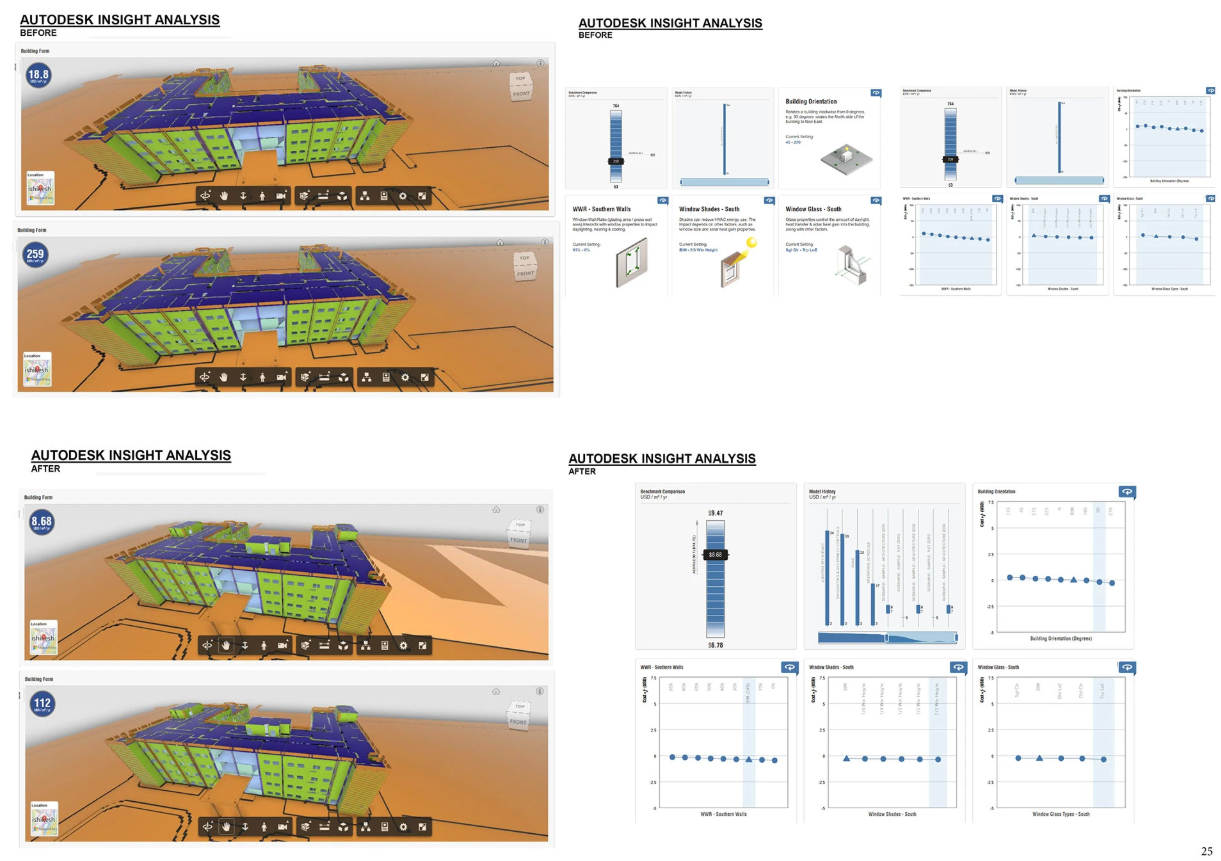
Image Source: One of Kaarwan's Learner Portfolio by Akash Kumar Yadav (BIM Course)
Must-Learn Tools: DesignBuilder, eQuest, IES VE, Revit, Ladybug/Honeybee (Grasshopper), Tally, Climate Consultant, LEED/GRIHA frameworks
Top Institutions: AA School London, TU Delft, University of Oregon, University of Melbourne, CEPT
Ideal For: Eco-conscious architects who want to design buildings that consume less, last longer, and support climate-positive living
9. Master’s in Disaster Resistant Planning/Earthquake-Resistant Design
What You Do: Specialise in designing and planning for safety against natural disasters such as earthquakes, floods, cyclones, and landslides.
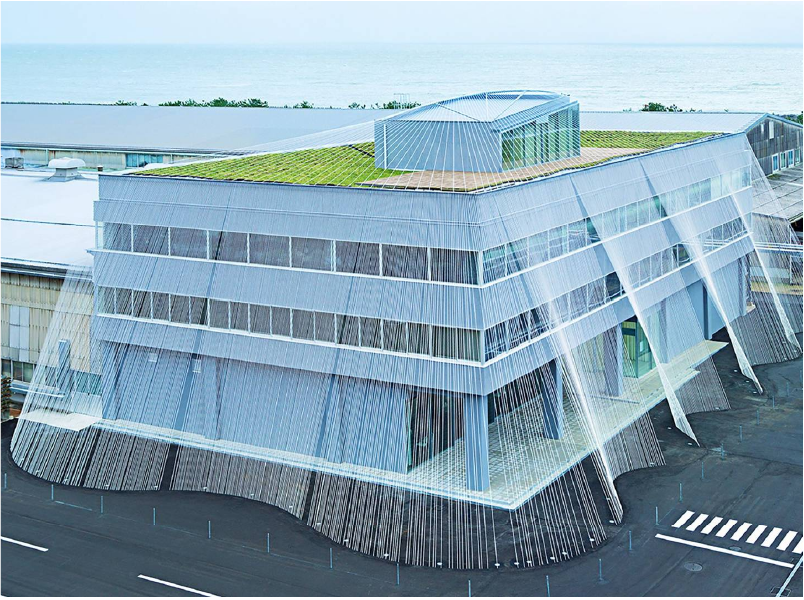
Image Source: S3DA
Why It’s a Great Fit: In a climate-unstable world, disaster preparedness is critical. This degree equips you with structural awareness, spatial planning, and risk mitigation strategies.
Must-Learn Tools: HAZUS, GIS, ERDAS Imagine, STAAD.Pro, ETABS, SAP2000, IS Codes (IS 1893, IS 13920), Revit, AutoCAD
Top Institutions: IIT Roorkee, SPA Bhopal, Kyoto University, Ritsumeikan University, University of Auckland
Ideal For: Architects aiming to work in post-disaster reconstruction, resilient urban planning, or risk-prone area design or design for navy and army.
10. Master’s in Housing
What You Do: Address issues of affordability, policy, urban housing development, and housing for marginalised communities.
Why It's a Great Fit: If you’re moved by housing inequality or want to work with NGOs, think tanks, or government bodies, this degree gives you practical and policy tools to make a difference.
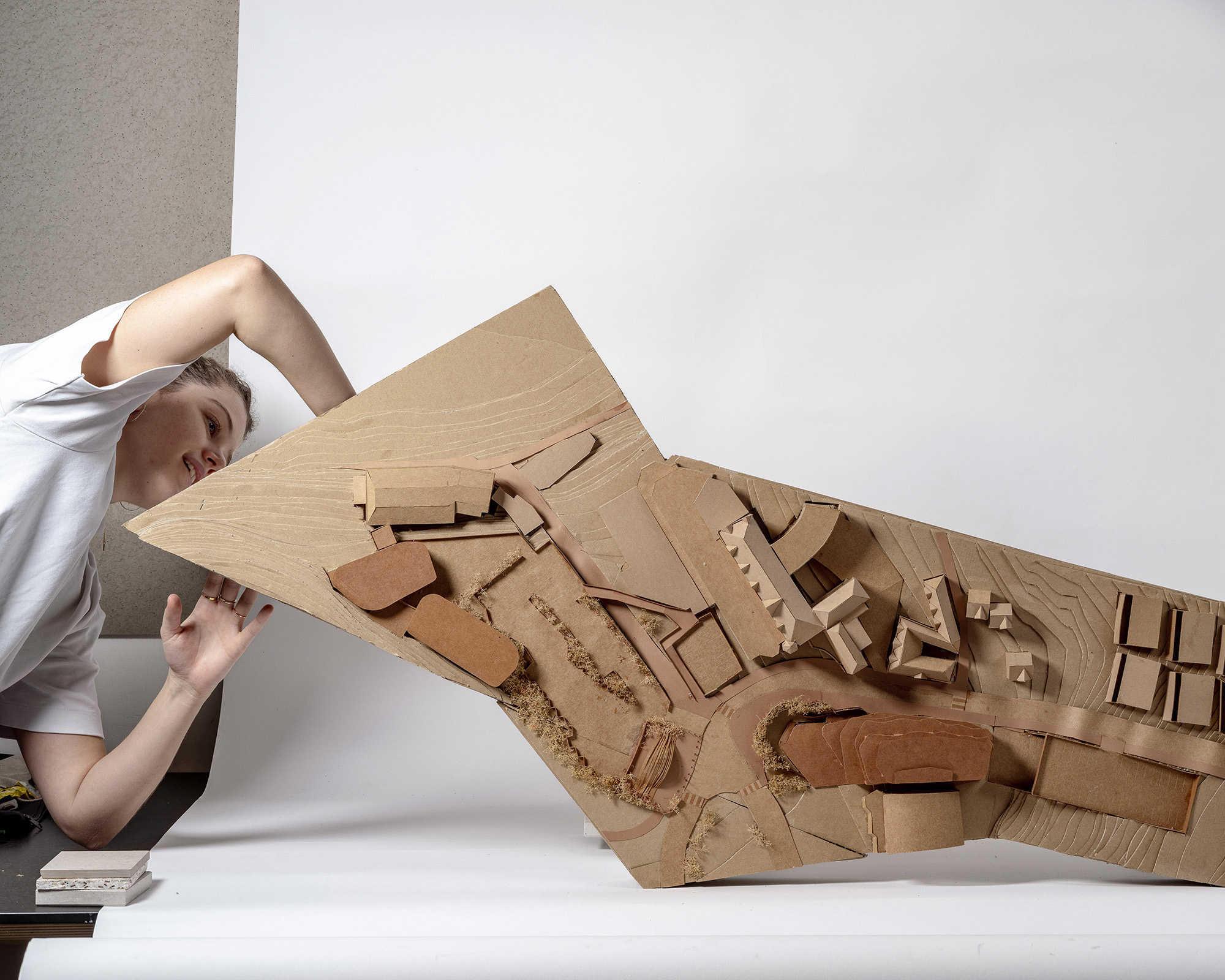
Image Source: Tate+Co
Must-Learn Tools: GIS, Housing Management Systems, SPSS, Urban Analytics, AutoCAD, SketchUp
Top Institutions: TISS Mumbai, SPA Delhi, CEPT
Ideal For: Socially driven architects who want to influence inclusive and accessible living environments
11. Master’s in Industrial Design
What You Do: Design physical products, tools, furniture, or tech-enabled hardware. Focuses on function, form, materiality, and user interaction.
Why It's a Great Fit: It’s architecture—on a smaller scale. Your detailing, prototyping, and human-centred skills apply beautifully here.

Image Source: Peterman Design Firm
Must-Learn Tools: Rhino, SolidWorks, Fusion 360, KeyShot, Adobe Suite, AutoCAD
Top Institutions: NID, IDC IIT Bombay, Royal College of Art
Ideal For: Hands-on architects who love working with form, fabrication, and design research
How to Decide Which Technical Master’s is Right for You
- Reflect on your studio strengths: Did you love research, management, design theory, or site execution?
- Think about the scale you want to impact—product, building, neighbourhood, or region?
- Skim through the placement brochures and LinkedIn posts of passing batches from renowned colleges, compare syllabus from different colleges, watch content from experts, meet experts through specific fraternity events, and connect with people on LinkedIn or through your local networks. Spend one day in the office with these people, or take on summer internship roles for a week or so.
- Search for job requirements, hierarchical growth, connect with people on different levels, connect with current students, visit colleges and ask for permission to attend certain events and classes, and nothing wrong with starting your research early on.
- Attend workshops or short-term courses to test your interest before applying.
- Check eligibility—some M.Plan or M.Des degrees accept B.Arch directly, others require GATE/CEED.
- Start with your “why”—what problems do you want to solve with your vision and skills?
Kaarwan is here to help you build the skills you need to grow with confidence—whether you’re aiming for your dream design studio role or preparing for a master’s programme. When your hands know the tools, you solve problems faster, communicate your ideas better, and deliver with clarity.
Your background in architecture isn’t a limit—it’s a foundation. With the right exposure and guidance, you can grow into roles that have a real impact on how we live, move, and connect with our environments.
FAQs
1. What percentage is required to pursue a master’s after B.Arch?
Most Indian institutions (like SPA, CEPT, IITs) ask for a minimum of 55%–60% aggregate in your B.Arch degree to be eligible for PG courses. For international programs, a GPA equivalent to 2.5–3.0+ (on a 4.0 scale) is commonly required.
Tip: Always check the official eligibility on the website of the university you’re targeting. Some may allow applications with lower percentages if your portfolio, SOP, or experience is strong.
2. Can I do my master’s if I had a backlog (arrear) or more during B.Arch?
Yes, you can still pursue a master’s even if you had backlogs in college—provided you clear them before applying.
- Most colleges only check your final transcript and cumulative score.
- Some IITs or top global colleges might ask for semester-wise marksheets, so be honest in your application.
- If you performed well in your thesis, internships, or have a strong portfolio, that can boost your chances despite past academic struggles.
✅ Focus on learning and upskilling now, not just the grades. Growth counts!
3. Why do students prefer IITs, NITs, or SPA for architecture and planning master’s?
These institutes are government-backed, research-oriented, and widely respected, offering:
- Strong faculty networks & industry partnerships
- Better placements, especially in infrastructure, government, and consultancy roles
- Access to government-funded scholarships
- Strong exposure through conferences, studio collaborations, and international tie-ups
But remember, your growth also depends on your curiosity and effort—you can shine from any college.
4. What are some renowned private or semi-government colleges for technical master’s after B.Arch?
Here are some top-tier institutions (besides SPA, CEPT, IITs/NITs):
| Type | Institution | Strengths |
|---|---|---|
| Private | Kamla Raheja Vidyanidhi Institute (KRVIA), Mumbai | Urban Design, Theory, Social Impact |
| Private | NID Ahmedabad | Industrial Design, Research, Interdisciplinary Practice |
| Deemed Govt. | IIA School of Architecture | Balanced curriculum & industry relevance |
| Autonomous | JJ College of Architecture (Mumbai) | Historical design excellence, close to practice |
| Private (Global tie-up) | ISDI School of Design & Innovation (Mumbai) | Tech integration, design entrepreneurship |
| Other Good Ones | Rizvi College, SMEF’s Brick Pune, Rachana Sansad | Strong portfolios, especially in interiors, planning, housing |
Feel free to do a first hand research and connect with alumnis over linkedin or other active architecural communities/fraternity events.
5. What are some unexplored or emerging niches in architecture today?
If you're curious and want to create your own path, here are niche directions to explore:
| Niche | Description | Impact Area |
|---|---|---|
| Disaster Resilient Architecture | Earthquake, flood-resistant planning/design | Infrastructure + Humanitarian Aid |
| Tragic Architecture / Memory Architecture | Designing for post-conflict/memorial spaces | Social Justice, Cultural Healing |
| Forest Architecture / Wildlife Corridors | Structures for animal crossings, eco-bridges | Environment + Conservation |
| Navi Architecture (Naval/Marine Design) | Architecture for ports, submarines, naval bases | Strategic + Coastal |
| Stormwater/Bioswale Design | Rainwater management in urban sites | Urban Ecology |
| Sensory Architecture | Inclusive design for neurodivergent people | Social Impact |
| Material Innovation | Bio-bricks, recycled concrete, modular bamboo | Green Building Futures |
Consider combining technical skills + local problems to create a niche career!
6. Can you name some architects or professionals who’ve carved out their own unique career paths?
Here are a few Indian and global examples for inspiration:
- Anupama Kundoo – Known for sustainable, material-conscious architecture, clay + ferrocement research
- Ravi Sinha (IIT Bombay) – Works on disaster-resilient housing
- Rohan Shivkumar – Thinks deeply about conflict, history, and design in cities
- Studio Animal (Spain) – Creators of bold, immersive spaces blending graphic + interior design
- Prasanna Desai Architects – Works on public infrastructure, inclusive transport planning
- Wildlife Institute of India Projects – Involved in designing animal crossings for highways (Madhya Pradesh example)
- EcoSan Experts – Architects working with ecological sanitation and bio-swales
7. What software should I learn after B.Arch—and how do I level up efficiently?
Here’s a learning roadmap you can follow:
🔹 Level 1: Foundation Software (Learn Shortcuts, Adopt to Plugins and Maximise Efficiency)
- AutoCAD – 2D drawing, fast drafting
- Photoshop & Illustrator – Image editing, diagrams, graphics
- InDesign – Layout, portfolios, sheets
- SketchUp + Lumion – Quick 3D + fast rendering
Learn shortcuts, layer logic, and presentation workflow tricks.
🔹 Level 2: BIM, Detailing, Execution, Planning
- Revit + Navisworks – BIM modelling, clash detection
- MS Project / Primavera – Project scheduling
- BOQ Tools – Excel, Quantity takeoff basics
- Codes & IS Standards – IS 456, NBC, ECBC, etc.
Aim to learn how to read drawings like a contractor, not just design them.
🔹 Level 3: Innovation & Niche Tools
- Rhino + Grasshopper – Parametric logic, façade systems
- 3Ds Max + VRay – Interior walkthroughs
- Ladybug/Honeybee – Environmental simulations
- GIS / ArcGIS – Urban + regional planning
Learn toolkits based on your chosen niche. You don’t need all—just the right combo for your role.
8. Can architects really build careers in unconventional or interdisciplinary niches? Who are some inspiring examples?
Yes—absolutely! Architecture is one of the few professions that sits at the intersection of design, technology, environment, and culture. Many architects go on to create careers tailored to their niche interests, beyond just buildings.
Here are some inspiring real-world examples:
Global Inspirations
| Name | Background | Unique Path |
|---|---|---|
| Virgil Abloh | Architect by training | Became a world-renowned fashion designer, led Louis Vuitton Men’s and founded Off-White |
| Neri Oxman | Architect, MIT Professor | Fuses biology, architecture, computation, and material science |
| Mark Tildesley | Studied Architecture | Now a top production designer for films like James Bond |
| Bjarke Ingels | Danish architect | Known for visionary megaprojects and storytelling in architecture—merging play, politics, and performance |
| Jeanne Gang | Architect + Urban thinker | Designs buildings around social and environmental justice |
Indian Architects Who Forged Their Own Paths
| Name | Known For | Niche / Impact |
|---|---|---|
| Anupama Kundoo | Experimental + sustainable design | Works with vernacular materials, manual labour & sustainable tech in Auroville and abroad |
| Bijoy Jain (Studio Mumbai) | Low-tech, high-craft architecture | Works hands-on with artisans, uses local materials and slow architecture approach |
| Revathi Kamath | Earth architecture pioneer | Created mud architecture for tribal & rural communities; also designed India's first indigenous mud school |
| Ravi Sinha (IIT Bombay) | Disaster-resilient housing | Expert in low-cost, earthquake-safe housing and rehabilitation planning |
| Madhav Raman (Anagram Architects) | Inclusive urbanism | Works at the intersection of policy, inclusivity, and sustainability in urban spaces |
| Srinivas Murthy | Temple conservation & vernacular design | Fuses historic preservation with modern techniques; restoring Hampi & ancient sites |
| Rahul Mehrotra (RMA Architects) | Academic + practitioner | Explores the idea of temporal urbanism—especially around cities in flux like Mumbai |
| Ashok Lall | Climate-conscious architecture | Strong voice in net-zero and climate-adaptive building strategies in India |
These individuals prove that you can carve your niche—whether that’s working with artisans, shaping public policy, telling stories through space, or leading sustainable innovation.
Your architecture degree is a foundation, not a box.
10. I had a backlog in college. Can I still appear for GATE?
Yes, you can! Having a backlog in one or more subjects does not prevent you from registering for or appearing in the GATE exam.
You are eligible if:
- You are currently in your final year, even if you have a backlog pending.
- You have already completed your degree, even with past backlogs, as long as you've cleared them by the time of admission (not necessarily at the time of writing GATE).
What you’ll need:
- Proof of eligibility (degree certificate or provisional certificate, OR a certificate from your college that you are in your final year).
- You don’t need a “no backlog” certificate to register.
Important:
- Your GATE score is valid for 3 years. If you're not eligible to join a course this year because of pending exams or documents, you can use your score later.
- Just make sure your final degree is cleared before admissions or job applications, not before the GATE itself.
11. I want to settle abroad. What should I prepare for in advance?
If you plan to study or work abroad, it's important to start preparing at least 1–2 years in advance. Every country has its own admission process, certifications, and scholarship timelines.
Here’s what to do:
- Research country-specific requirements: Some countries require exams like the GRE, TOEFL, or IELTS. Others might need portfolio reviews, SOPs, or licensing exams (like NCARB for the US).
- Check scholarship deadlines early: Look into DAAD (Germany), Chevening (UK), Eiffel (France), Fulbright (US), MEXT (Japan), or local university scholarships. Most open a year in advance.
- Know the academic calendar: Applications for Fall semesters (starting around August/September) typically close in the previous December–February window.
- Prepare your documents: Resume, Statement of Purpose (SOP), Letters of Recommendation (LORs), transcripts, and certifications take time. Start early.
Tip: If you’re in college now, use this time to build a strong portfolio, gain internship or project experience, and learn relevant software/tools expected in the country you’re targeting.


.png)