The Ethics of Architecture: Finding a Balance Between Responsibility and Innovation
Architecture has an impact on communities, mental health, and the way future generations will live, in addition to shaping skylines. After thirty years of observing the evolution of architecture, one thing has remained unchanged: ethical practice is the foundation of meaningful design.
Sustainability: More Than Just Greenwashing
The days when simply putting solar panels on a roof was considered sustainable design are over. A comprehensive approach is required by contemporary ethical architecture. According to the well-known architect Ken Yeang, "Buildings account for 40% of global energy consumption." Smart architects now take into account everything from locally sourced materials to the decomposition of buildings at the end of their lives. The Bullitt Centre in Seattle is a great example of a building that runs on net-zero energy and is made entirely of materials that do not contain toxic chemicals.
Designing for Social Justice
Buildings can either bring communities together or separate them. Consider the transformation of Madrid's Mercado de San Miguel: it began as a dilapidated market and has since become a lively community centre, all without displacing the local vendors. Excellent architecture improves the quality of entire neighbourhoods. Inequality can be perpetuated by poor design through hostile architecture or gentrification. The most important thing is to engage with the community in a meaningful way before starting to draw the first line.
- Professional Integrity vs. Client Demands : Money talks, but ethics must speak louder. When a developer pushes for maximum profit at the expense of safety or accessibility, architects face tough choices. The collapse of Grenfell Tower stands as a stark reminder of what happens when economic pressures override professional judgment. Ethical practice means sometimes walking away from lucrative projects that compromise human welfare.
- Cultural Preservation in Modern Design: Each brick of historical architecture tells a story. Yet cities need to evolve. The ethical architect walks this tightrope with grace. Beijing's Forbidden City demonstrates this balance – modern preservation techniques protect ancient structures while allowing controlled tourism. Not every old building deserves preservation, but every demolition decision demands careful consideration of cultural impact
Moral Dilemma
Public Safety and Universal Design
Architecture that excludes is architecture that fails. The Americans with Disabilities Act set minimum standards, but ethical design aims higher. Consider how Rotterdam's Markthal seamlessly integrates accessibility features without making them obvious. Universal design isn't just about ramps and elevators – it's about creating spaces that welcome everyone, regardless of ability.
- Digital Ethics and Privacy: The rise of smart buildings brings new ethical issues. While automated systems might boost productivity and comfort, they also raise issues about data privacy and security. Modern architects must address how building management systems acquire and protect user information. The Edge building in Amsterdam highlights how transparent data policies may coexist with cutting-edge technology.
- Environmental Justice: Architecture plays a key role in environmental justice. Poor communities often face the brunt of detrimental building practices. Forward-thinking firms like Rural Studio exemplify that sustainable, beautiful construction can serve poor communities without breaking budgets. Their 20K House project shows how intelligent design may satisfy both social and environmental demands.
- Professional Development and Mentorship: Ethical practice extends to how architects foster the next generation. Established professionals have a moral commitment to mentor novices, imparting not just technical skills but ethical decision-making frameworks. The Urban Design Forum's Forefront Fellowship shows how organised mentorship may build more ethical practitioners.
- Transparency and Communication: Another ethical requirement is to communicate clearly with stakeholders. Transparency fosters trust, whether it is through thorough evaluations of the environmental impact or through open conversations about the limitations of a project. The renovation of Les Halles in Paris demonstrates how open communication with residents can transform contentious projects into valuable community resources.
- Economic Responsibility: Ethical architecture takes into account the economic effects that will occur in the long run. Buildings should provide benefits that go beyond their primary function. The High Line in New York City is an example of how careful design can create economic opportunities while also maintaining the character of a neighbourhood. On the other hand, architects need to be careful about unintended consequences, such as rapid gentrification.
Post-Disaster Reconstruction Ethics
Natural disasters and human conflicts reshape architectural priorities overnight. The ethical obligations of architects extend far beyond standard building codes in these scenarios. After the 2011 Christchurch earthquake, architects faced complex decisions about heritage preservation versus safety. The innovative Transitional Cathedral, built partially from cardboard tubes, exemplifies how emergency architecture can respect both immediate needs and cultural values. Japanese architect Shigeru Ban's work in disaster zones proves that temporary structures need not sacrifice dignity for speed. His Paper Log Houses, deployed in Turkey, India, and the Philippines, show how ethical architecture can provide both shelter and hope. The reconstruction process also raises questions about building back better – should architects merely restore what was lost, or seize the opportunity to create more resilient communities?
The reconstruction of L'Aquila, Italy, after the 2009 earthquake serves as a cautionary tale. Hasty decisions and political pressures led to questionable choices that affected community recovery. In contrast, the rebuilding of Constitución, Chile, after the 2010 tsunami demonstrates how participatory design can help communities heal while becoming more resilient. These experiences teach valuable lessons about balancing urgent needs with long-term community welfare.
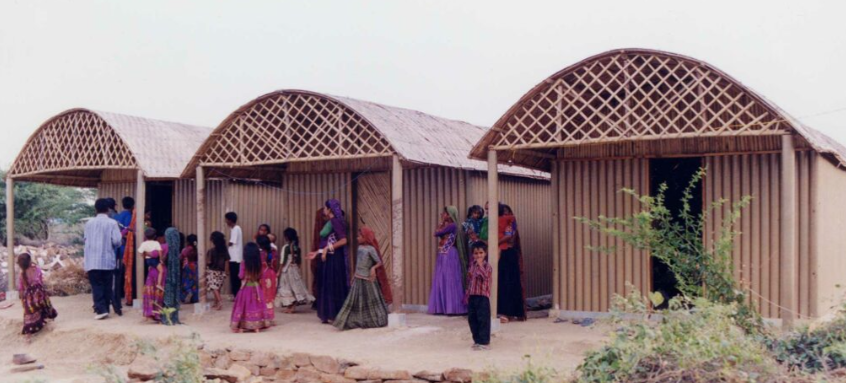
Shigeru Ban's Paper Log Houses (Img Src: Shigeru Ban)
Looking Ahead
As cities become more crowded and climate-related problems increase, the importance of architectural ethics will continue to grow. The architects of tomorrow will need to find a way to balance innovation with responsibility, profit with purpose, and progress with preservation. Designs that benefit both people and the planet will be the future.
The ethical architect understands that every decision they make has an impact on future generations. Every aspect of architectural practice, from the materials selected to the communities involved, has ethical implications. By embracing these responsibilities while pushing creative boundaries, architects can create spaces that not only stand the test of time but also uplift the human spirit.
The future of architecture is bright, but are your skills keeping pace? Kaarwan's architecture-specific courses provide you with the knowledge and tools to confidently navigate the AEC industry. Gain valuable insights, master in-demand software, and stand out with designs that impress!
FAQs
1. What are the key ethical concerns in architecture?
Answer: Key concerns include sustainability, social justice, cultural preservation, universal design, public safety, and balancing client demands with professional integrity.
2. How does architecture promote social justice?
Answer: Ethical architecture ensures inclusive, community-focused designs that avoid displacement, support local economies, and create spaces that bring people together rather than divide them.
3. What is universal design in architecture?
Answer: Universal design creates spaces accessible to everyone, regardless of ability, by integrating features like ramps, wide doorways, and intuitive layouts that prioritize inclusivity.
4. Why is cultural preservation important in architecture?
Answer: Preserving cultural heritage maintains historical identity while allowing cities to evolve. Ethical architects balance modern needs with the protection of culturally significant structures.
5. How can architects address environmental justice?
Answer: Architects can use sustainable materials, minimize environmental impact, and ensure that projects benefit all communities, especially those disproportionately affected by poor building practices.