The Evolution of Sustainable Architecture: From Mud Houses to Green Skyscrapers
Builders of the past knew something we’re just rediscovering. They built homes that worked with nature, not against it. This journey from simple mud houses to modern green towers shows how far we’ve come - and what we nearly forgot along the way. Smart design isn’t new - it’s as old as building itself.
Ancient Wisdom at Work
The ruins of Mohenjo-daro tell an amazing story. Their thick walls kept homes cool without any power. Streets caught breezes naturally. Water systems worked better than some modern cities. Nature did all the work. These ancient builders created comfort without machines.
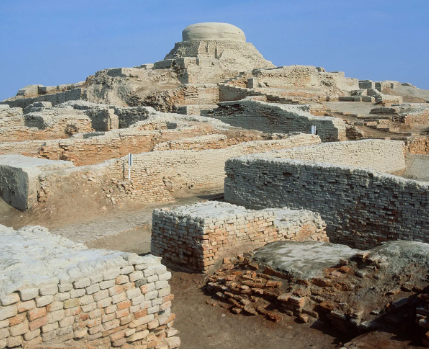
The ruins of Mohenjo-daro
Look at Petra in Jordan. The city stays cool even in desert heat. Rain flows through clever channels to storage tanks. Narrow streets create shade. These simple tricks still work today. Desert homes still use these methods to beat the heat naturally.
Old Japanese houses show the same smart thinking. Walls slide open to catch fresh air. Deep roof edges block hot sun but welcome winter warmth. The Ise Shrine proves how sustainable building can last. Local wood and simple designs have kept it standing for over 1000 years. Each part can be replaced without wasting materials.
When Machines Changed Everything
Then came factories and new building materials. Smoke filled the air. Cities turned black with coal dust. The Crystal Palace in London looked amazing with its glass and steel. But it needed lots of energy to stay comfortable. Progress had a hidden cost.
Big buildings got bigger. The Empire State Building used more power than some small towns. Concrete spread everywhere. Steel and glass towers popped up in every city. Nature took a back seat to style. Buildings fought against weather instead of working with it. Energy bills grew as natural wisdom faded.
Green Ideas Grow Again
The 1970s brought change. People started thinking about Earth’s future. The Rocky Mountain Institute built a headquarters that needs no heating - even in snowy Colorado. It proved green building works. Other projects soon followed this lead.
New tools helped too. Solar panels got better. The Bullitt Center in Seattle makes more power than it uses. Green roofs like the one on California’s Academy of Sciences stop rain from flooding streets. They give birds and bugs new homes in the city. Each success showed a better way forward.
Today’s Green Giants
Modern eco-buildings do amazing things. In Milan, two towers hold 900 trees - a forest in the sky. The Edge in Amsterdam uses smart controls to save power. Lights dim when the sun shines. Heat only flows where people work. Buildings learn to think for themselves.
Singapore’s Gardens by the Bay shows what’s possible. Giant metal trees collect sun power. They gather rain for plants. Cool air flows through them to nearby buildings. Nature and technology work as partners. Visitors learn while the building works its magic.
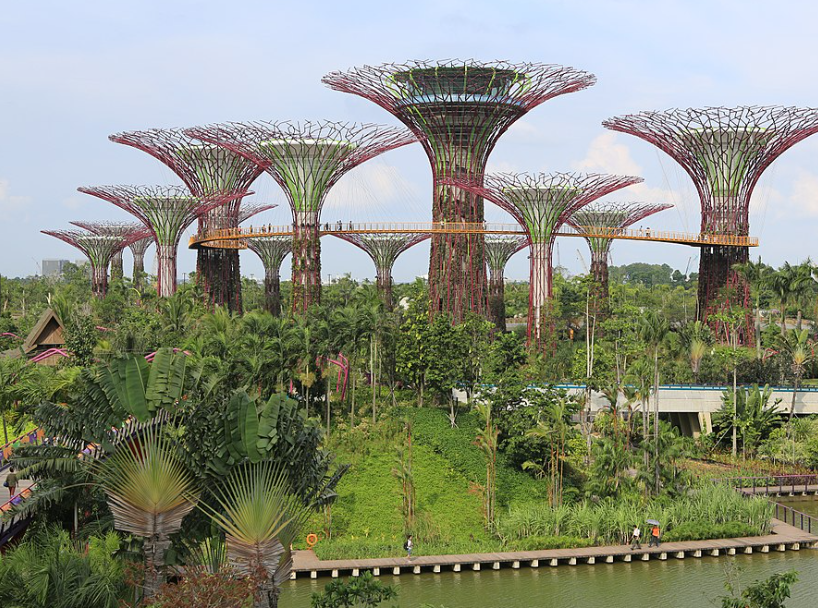
Singapore’s Gardens by the Bay
Learning from Success
Schools lead the way forward. The Sustainable Buildings Research Centre teaches while it saves energy. The Omega Center cleans all its water with plants. No chemicals needed - just smart design. Students see green buildings in action every day.
Every new green building teaches us something. Simple ideas often work best. Short walls can block wind. Plants can cool the air. Smart windows can let in light but keep out heat. Nature offers free solutions to common problems.
Even small changes help. Light colors reflect heat. Deep windows shade themselves. Local materials need less shipping. Green walls cool and clean the air. Native plants need less water. Each choice adds up to major savings.
The Future Grows
Green building keeps getting better. New materials help save energy. Better designs cut waste. Smart controls make buildings work harder. But the best ideas are often the oldest. Ancient wisdom guides modern innovation.
Look at any green building today. You’ll find old wisdom mixed with new tricks. Deep eaves still block summer sun. Thick walls still keep heat in. Natural airflow still cools better than machines. Good ideas never go out of style.
The journey isn’t over. Each year brings new ideas for working with nature. Old buildings learn new tricks. New buildings learn from the past. The goal stays simple: build better while helping Earth thrive.
Tomorrow’s buildings will do more than save energy. They’ll clean the air. They’ll grow food. They’ll work with weather instead of fighting it. The best designs will seem simple - just like those ancient homes. Green building becomes more important every year.
Conclusion
Good design means working with nature. It means using what’s free - sun, wind, and rain. It means building homes and offices that help people and the planet both thrive. The future of building looks bright - and very green. Each new project points the way forward.
Success comes from balance. New technology helps old ideas work better. Smart design makes comfort easy. Green buildings save money and resources. They show how progress can help nature instead of hurting it. The next chapter in building history starts now.
The future of architecture is bright, but are your skills keeping pace? Kaarwan's architecture-specific courses provide you with the knowledge and tools to confidently navigate the AEC industry. Gain valuable insights, master in-demand software, and stand out with designs that impress!
FAQs
- What is sustainable architecture?
Sustainable architecture focuses on designing buildings that minimize environmental impact and maximize energy efficiency. - How did ancient builders use natural elements?
Ancient builders used thick walls, natural airflow, and local materials to create comfortable, energy-efficient structures. - What are some features of modern green buildings?
Modern green buildings use solar panels, green roofs, smart controls, and energy-efficient designs to reduce environmental impact. - Why are green buildings important?
Green buildings save energy, reduce carbon footprints, and create healthier living and working environments. - How can small changes improve sustainability in architecture?
Simple changes like using light colors, native plants, and local materials can significantly enhance a building's sustainability.