The Rise of Regionalism in Indian Architecture: Celebrating Local Identity in Design
Architecture transcends the mere creation of physical structures. It is a profound dialogue between human creativity, cultural heritage, and environmental context. In the dynamic landscape of Indian architectural design, a remarkable transformation is unfolding—a nuanced revolution that celebrates local identity through deeply contextual and thoughtful spatial expressions.
Rediscovering Architectural Roots: A Historical Perspective
The journey of regional architecture in India is a testament to centuries of accumulated wisdom. Long before globalization homogenized design approaches, indigenous communities crafted buildings that were intrinsically linked to their immediate environments. These were not just shelters but living ecosystems that responded dynamically to climatic challenges, social structures, and cultural narratives.
In Kerala's lush landscapes, traditional houses emerge as perfect examples of this architectural intelligence. The Kerala Nalukettu—a traditional home with a central courtyard—represents more than an architectural style. It embodies a sophisticated understanding of natural ventilation, family dynamics, and environmental harmony. Thick walls constructed from locally sourced laterite stone, sloping roofs designed to channel monsoon waters, and intricate wooden frameworks tell stories of generational knowledge.
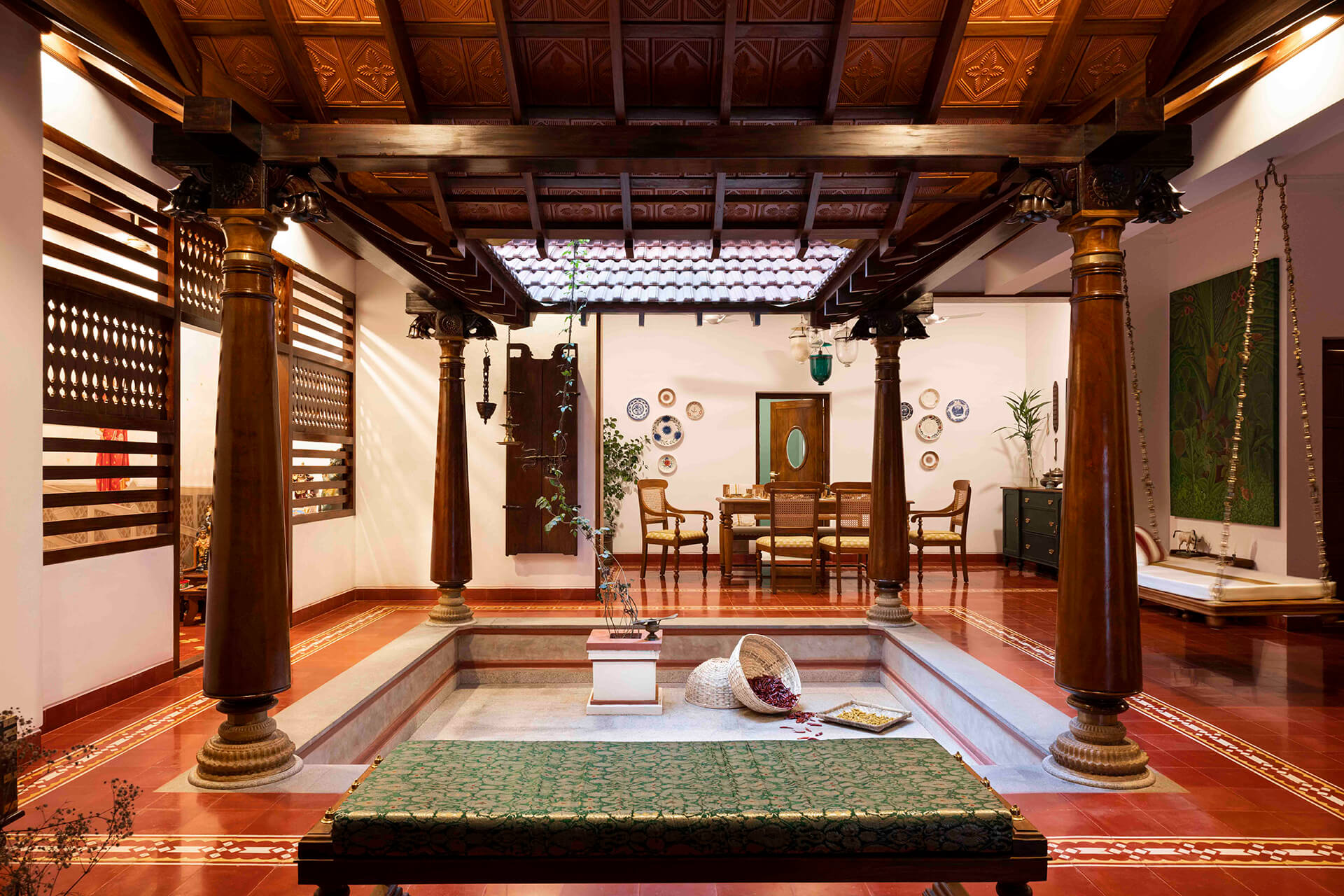
Nalukettu Kerala
Materials: The Living Language of Landscape
India's geological diversity presents an extraordinary canvas for architectural expression. Each region offers a unique material palette that speaks volumes about its environmental and cultural contexts. These aren't just building materials; they are living narratives waiting to be interpreted through architectural vision.
Rajasthan's architects have masterfully transformed local sandstone into breathtaking architectural experiences. The pink-hued buildings of Jaipur aren't mere constructions—they are geological poems that reflect the state's mineral wealth and cultural sophistication. Every stone tells a story of geological transformation, human adaptation, and aesthetic brilliance.
In the Northeast, bamboo emerges as more than a construction material. It represents a holistic approach to sustainable design. Lightweight, rapidly renewable, and deeply integrated with local ecosystems, bamboo symbolizes the region's commitment to environmental harmony. Architects are now exploring advanced bamboo construction techniques that blend traditional knowledge with contemporary engineering principles.
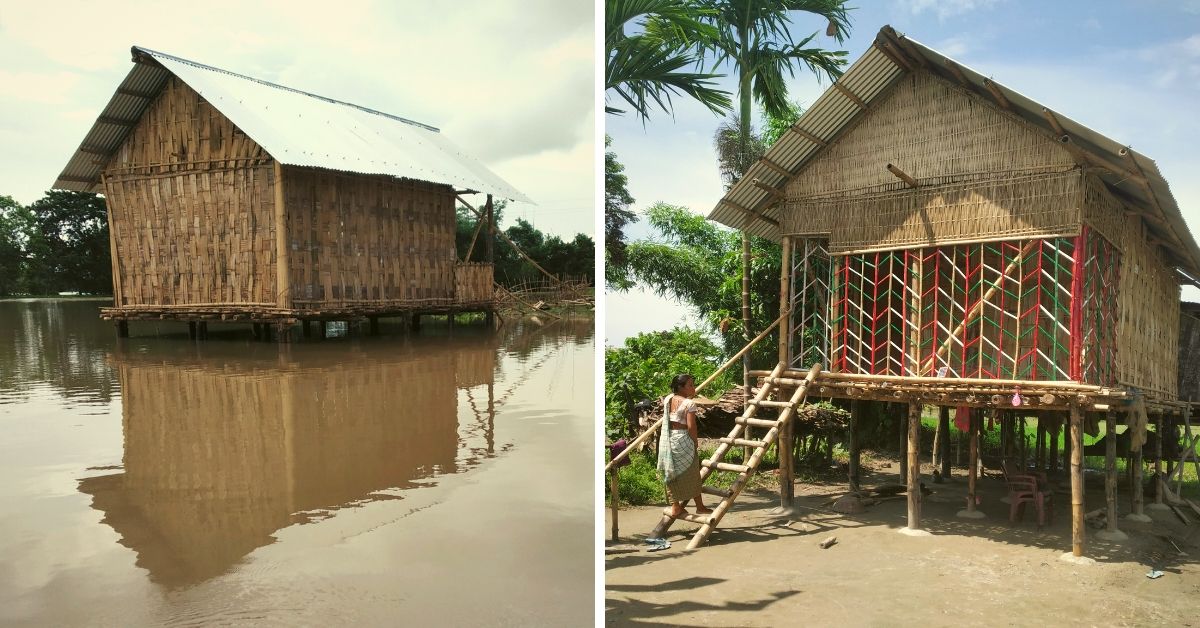
North-East Bamboo Houses (Img Src: The Better India)
Climate Responsive Design: Intelligence Beyond Aesthetics
Regional architecture fundamentally understands a critical design philosophy: buildings must engage in a dynamic conversation with their environments. Traditional design elements are not decorative afterthoughts but sophisticated environmental management systems developed through centuries of collective observation and adaptation.
The courtyard designs of Gujarat exemplify this principle perfectly. These aren't merely architectural elements but complex thermal regulation mechanisms. By creating controlled microclimates, these spaces manage heat, facilitate natural ventilation, and provide social interaction zones. Modern architects are now reinterpreting these traditional strategies using advanced computational modeling and sustainable technologies.
Mud architecture in rural Andhra Pradesh demonstrates remarkable thermal engineering capabilities. Thick mud walls with high thermal mass create naturally cooled interiors, reducing energy consumption while maintaining comfortable living conditions. These aren't primitive construction techniques but intelligent, context-driven solutions that contemporary sustainable design continues to learn from.
Socio-Cultural Narratives: Architecture as Living Memory
Architecture serves as a powerful medium for preserving and celebrating cultural narratives. The intricate Kath-Kuni style of Himachal Pradesh represents a philosophical approach to construction that goes beyond physical structures. Wooden buildings interlocked without using a single nail embody principles of community harmony, minimal environmental intervention, and respect for natural materials.
Young architects are now becoming cultural documentarians. By collaborating with local artisans and studying traditional construction techniques, they are transforming buildings into living archives. Each design becomes a dialogue between past wisdom and future possibilities, ensuring that architectural heritage remains a dynamic, evolving concept.
Economic and Ecological Considerations
Regionalism in architecture is not merely an aesthetic choice but a comprehensive strategy for sustainable development. Local materials significantly reduce transportation costs, support regional economies, and dramatically lower the carbon footprint of construction projects.
Consider a school project in Assam constructed using local bamboo. Beyond its architectural beauty, such a project generates economic opportunities for local communities, demonstrates environmental responsibility, and creates educational spaces that are intimately connected to their ecological context.
Educational and Professional Transformation
Architecture schools in major Indian cities are pioneering curriculum transformations. Institutions in Ahmedabad, Chennai, and Bengaluru are no longer treating regional design as a marginal topic. They are positioning local contexts as dynamic design laboratories where students learn to see architectural challenges through a holistic, culturally sensitive lens.Take, for example, the use of vaults and domes in modern buildings. These elements, inspired by traditional Indian architecture, are being reimagined using modern materials and techniques. They not only add a unique aesthetic but also improve thermal comfort by promoting natural ventilation.Another example is the revival of Athangudi tiles in Tamil Nadu. These handmade tiles, known for their vibrant colors and intricate patterns, were once a staple in traditional homes. Today, architects are using them in modern interiors to add a touch of local flavor.
Conclusion: Towards a Comprehensive Architectural Vision
The renaissance of regionalism in Indian architecture signals a profound reimagining of built environments. It challenges the increasingly uniform global architectural discourse by offering a nuanced, vibrant alternative that celebrates diversity.
The future of architecture lies not in creating uniform, placeless structures but in confidently expressing local narratives. It requires a delicate balance between honoring traditional wisdom and embracing technological innovation. Each thoughtfully designed space becomes a testament to the rich, complex story of human habitation.
As India continues to evolve, its architectural landscape promises to be a dynamic dialogue between heritage and progress, local identity and global connectivity.
FAQs
1. What is regionalism in architecture?
Answer: Regionalism in architecture focuses on designing buildings that reflect local culture, materials, and climate, creating structures deeply connected to their environment and heritage.
2. How does regional architecture address climate challenges?
Answer: Regional architecture uses climate-responsive designs, like courtyards for ventilation or thick mud walls for cooling, to create comfortable, energy-efficient spaces.
3. Why are local materials important in regional architecture?
Answer: Local materials reduce construction costs, lower carbon footprints, and support regional economies while blending structures seamlessly with their surroundings.
4. What are some examples of regional architecture in India?
Answer: Examples include Kerala’s Nalukettu homes, Rajasthan’s sandstone buildings, and Himachal Pradesh’s Kath-Kuni wooden structures, each tailored to local needs and traditions.
5. How is regionalism influencing modern architecture?
Answer: Modern architects are blending traditional techniques with contemporary materials and technologies, creating sustainable designs that honor local identity while meeting modern needs.