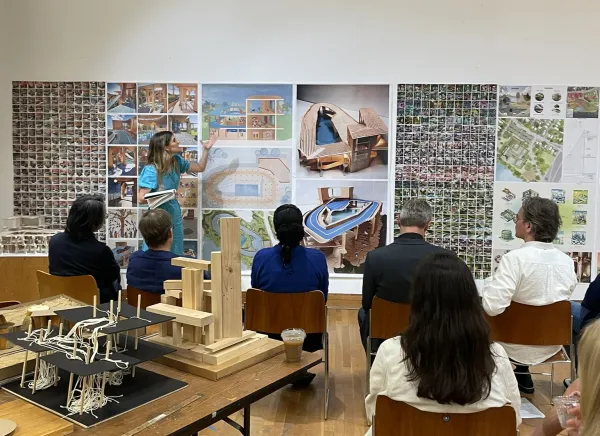
Studying architecture in college is intense. Long hours, endless juries, and a lot of creativity. But once you step into the professional world, you realise that the real challenges were never discussed in class. You are trained to design, but not always to survive the messy, fast-paced, and very human side of architectural practice.
Here are some things architecture school did not teach us — but probably should have.
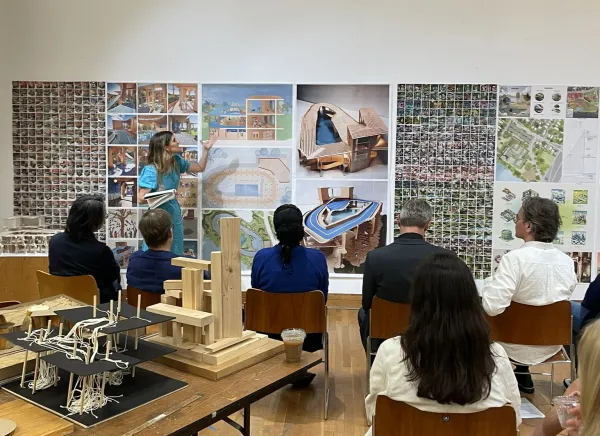
1. How to Talk to Clients
You spend five years designing complex concepts, but no one teaches you how to explain them to someone who does not understand design jargon.Clients do not think in floor plans or zoning diagrams.They think in emotions, money, and timelines.
Being able to translate your ideas into simple, clear words can make all the difference.
2. How to Price Your Work
There are no lectures on how to calculate your fee. No studio teaches you what to charge, how to make a quotation, or how to negotiate.So you enter the field with design skills but no clue how to value your time and effort.
Many young architects end up working for free or charging far below what they deserve.
3. Real Construction Site Basics
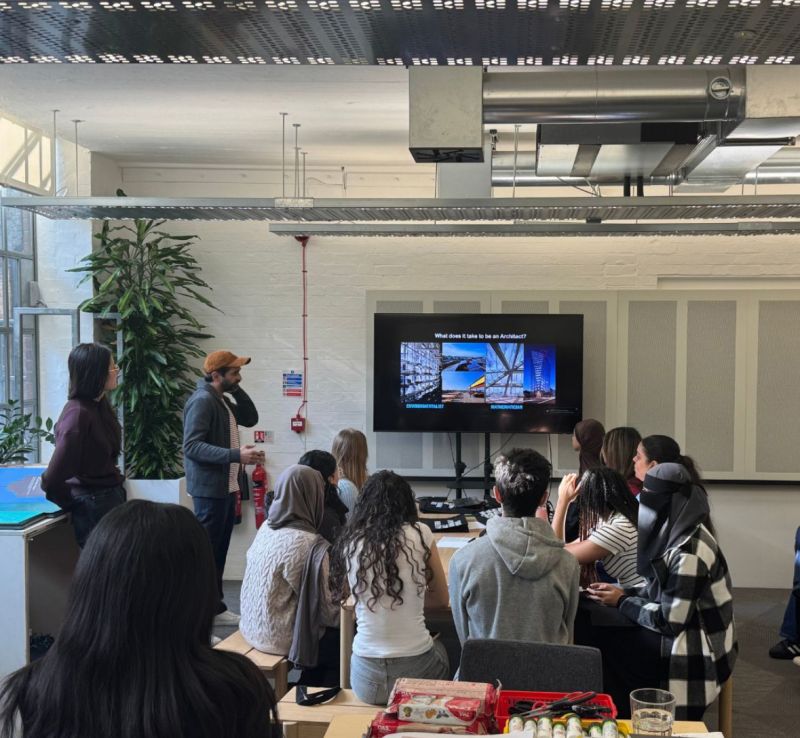
Studio projects rarely prepare you for what really happens on-site.You might have designed a floating cantilever, but on-site, you are dealing with site engineers, vendors, and last-minute changes.
You learn fast that materials, manpower, and mistakes are just as important as plans.
4. Handling Revisions and Feedback
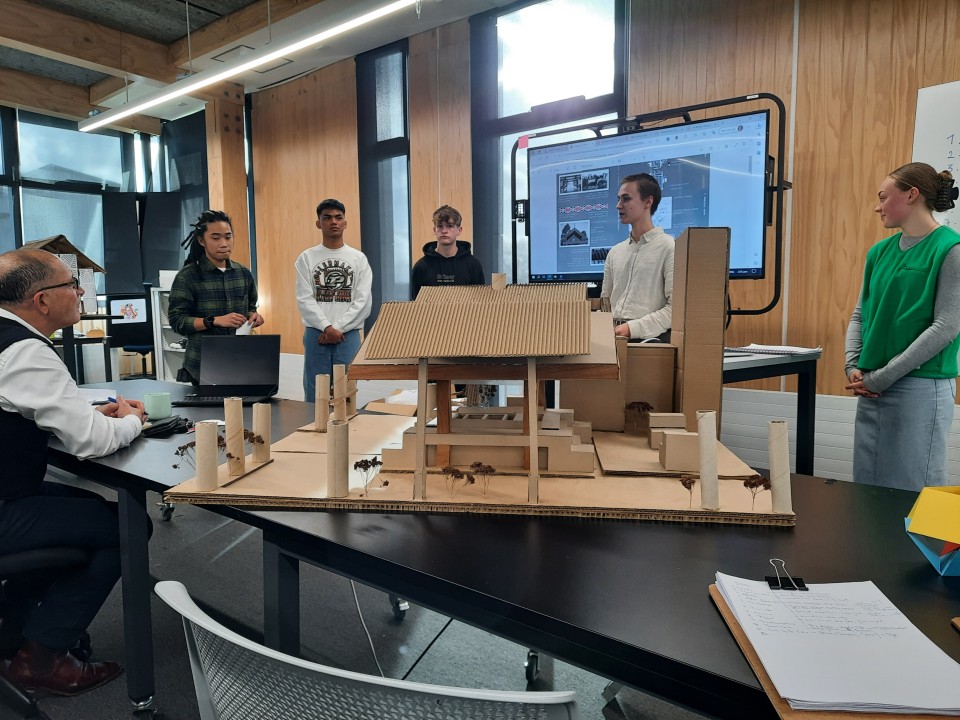
In college, feedback comes once during a jury.In real life, you can get feedback ten times in a week from the same client.
You are not taught how to remain patient, professional, and flexible while still defending your design decisions.
5. Work-Life Balance in This Field
The idea that architects must work till 2 AM is seen as normal.But it should not be.No one tells you that burnout is real and that you can love your work while setting boundaries.
Architecture is not about suffering. It is about creating.

6. How to Work in Teams
Most college projects are solo. But the moment you start working, you are expected to collaborate with consultants, engineers, supervisors, clients, and sometimes even government officials.
You quickly realise that the project succeeds not just because of your design, but because the team works well together.
Explore budget-friendly Masterclasses, take a quick skill test, or book a free counselling call.
7. That You Might Feel Lost After Graduation
This is not talked about enough.You may feel unsure, overwhelmed, or even regretful when you start working.That does not mean you chose the wrong path.
It only means your journey is just beginning — and learning never really ends.

Final Thoughts
Architecture education gives you a strong foundation, but it often skips the soft skills and real-world realities that can make or break your experience in practice.
So if you’re feeling underprepared or lost, you’re not alone. Many of us learned the hard way. But by talking about it, sharing these gaps, and supporting the next generation, we can truly move the profession forward.
Feel free to try our free Personality-based Skill Test — it can help you identify your interests and highlight the skills you need to build. Learning with Kaarwan is made affordable to help bridge the industry gap. Explore our free resources and stay tuned for upcoming Masterclasses through Instagram, email, and LinkedIn posts from Kaarwan.