Architecture has always been a reflection of culture, technology, and human aspiration. While we often admire iconic landmarks for their beauty and scale, their deeper stories reveal design choices that are far more intentional than they appear. These masterpieces didn’t become iconic by accident—they are lessons in context, materiality, function, and imagination.
Let’s unpack the secrets behind five architectural marvels and what they teach us about great design.
1. The Eiffel Tower, Paris
Engineering as Expression
What was once criticised as an “eyesore” has become a timeless symbol of innovation. Gustave Eiffel’s iron lattice tower, constructed for the 1889 World’s Fair, broke the design conventions of its time.
Design Secrets
- Structural honesty: The exposed iron frame wasn’t hidden but embraced—an unusual choice that became its defining character.
- Modular assembly: Prefabricated iron components allowed precise construction, reducing time and risk.
- Aerodynamics: Its tapering form wasn’t just aesthetic—it reduced wind resistance, offering lessons in environmental responsiveness.
The Eiffel Tower teaches us that risk-taking, when grounded in structural integrity, can redefine public perception over time.
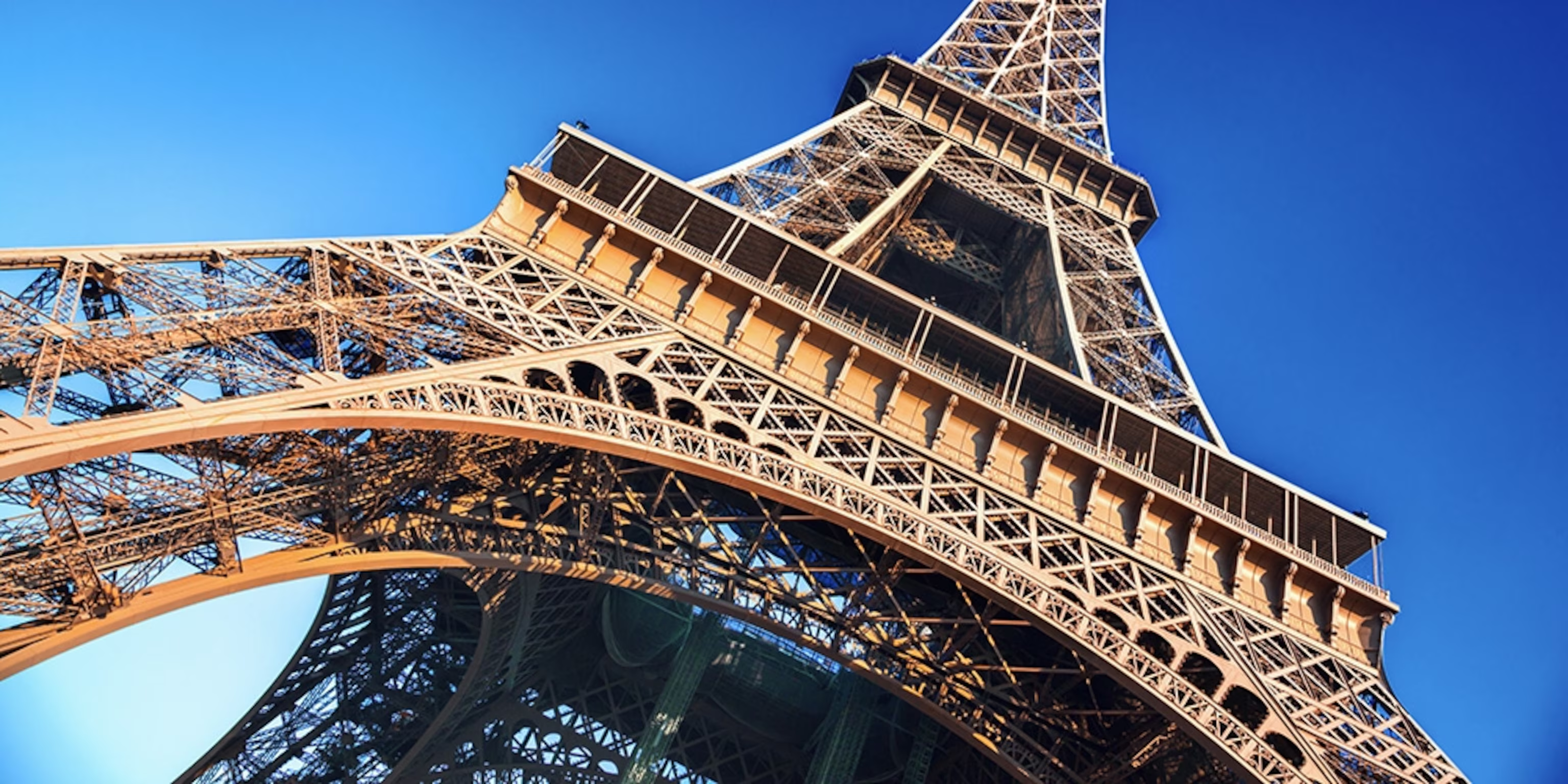
Image Credits - National Geographic
2. The Sydney Opera House, Australia
Pushing the Boundaries of Form
Jørn Utzon’s winning design defied logic when first unveiled, with its now-iconic sail-like shells considered nearly impossible to construct. Yet, it was this challenge that birthed innovation.
Design Secrets
- Form follows discovery: The final design emerged only after extensive experimentation, with its geometry based on segments of a sphere.
- Function-driven acoustics: Despite its sculptural exterior, the interior was engineered for world-class performances, balancing beauty with usability.
- Contextual symbolism: The shell design mimics sails floating on Sydney Harbour, seamlessly merging structure with location.
This landmark proves that when form aligns with context and function, bold design becomes both meaningful and memorable.
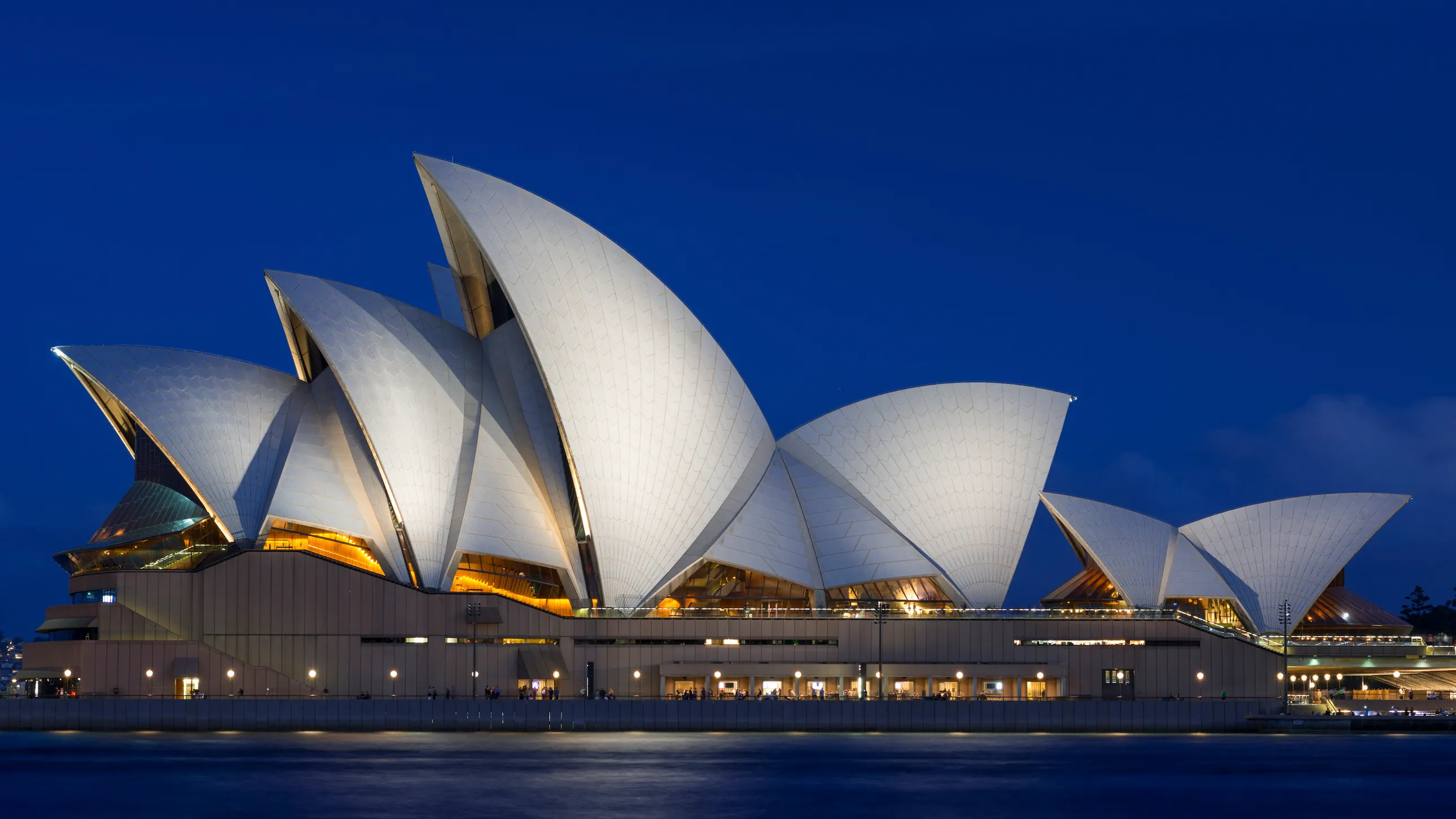
Image Credits - Architectural Digest
3. The Guggenheim Museum, New York
Reimagining the User Journey
Frank Lloyd Wright’s Guggenheim turned the concept of a museum on its head—literally. Instead of walking through galleries, visitors follow a continuous spiral ramp that offers a flowing, uninterrupted experience.
Design Secrets
- Experiential circulation: Wright prioritised user movement over static spaces, making the act of viewing art a part of the architecture itself.
- Organic inspiration: Inspired by nature, the spiral mirrors seashells and nautilus forms—grounding the structure in natural rhythm.
- Challenging convention: With minimal windows and an inward-looking design, it defied traditional museum formats of the time.
The Guggenheim is a masterclass in putting the user’s journey at the heart of spatial planning.
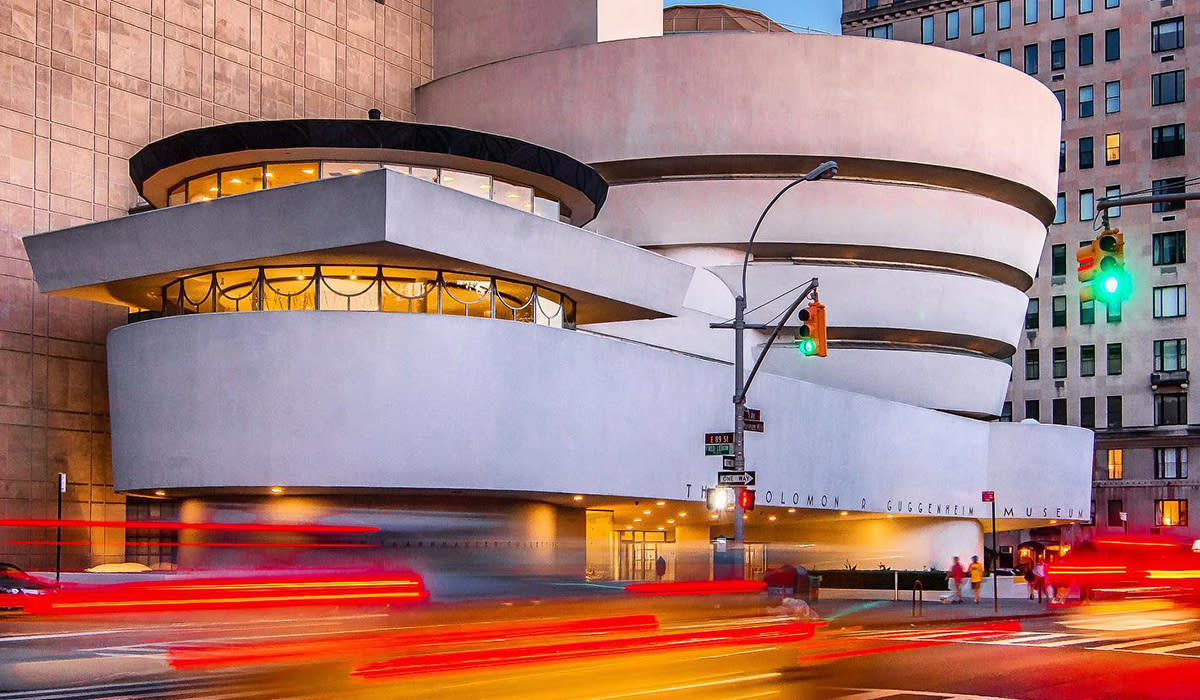
Image Credits - ILoveNY
4. Fallingwater, Pennsylvania
Harmony with Nature
How can we forget this marvellous creation of Frank Lloyd Wright---Fallingwater House? This building is perhaps the most poetic embodiment of architecture merging with nature. Built above a waterfall, it doesn't just coexist with the environment—it becomes part of it.
Design Secrets
- Site-sensitive design: Wright placed the house over the falls instead of beside them, immersing occupants in the natural setting.
- Cantilevered structures: The horizontal planes extend dramatically, offering sweeping views while maintaining structural balance.
- Material unity: Stone, wood, and glass reflect the surrounding forest, blurring boundaries between built and unbuilt.
Fallingwater urges architects to listen to the land, not just build on it—a philosophy that remains vital in sustainable design today.
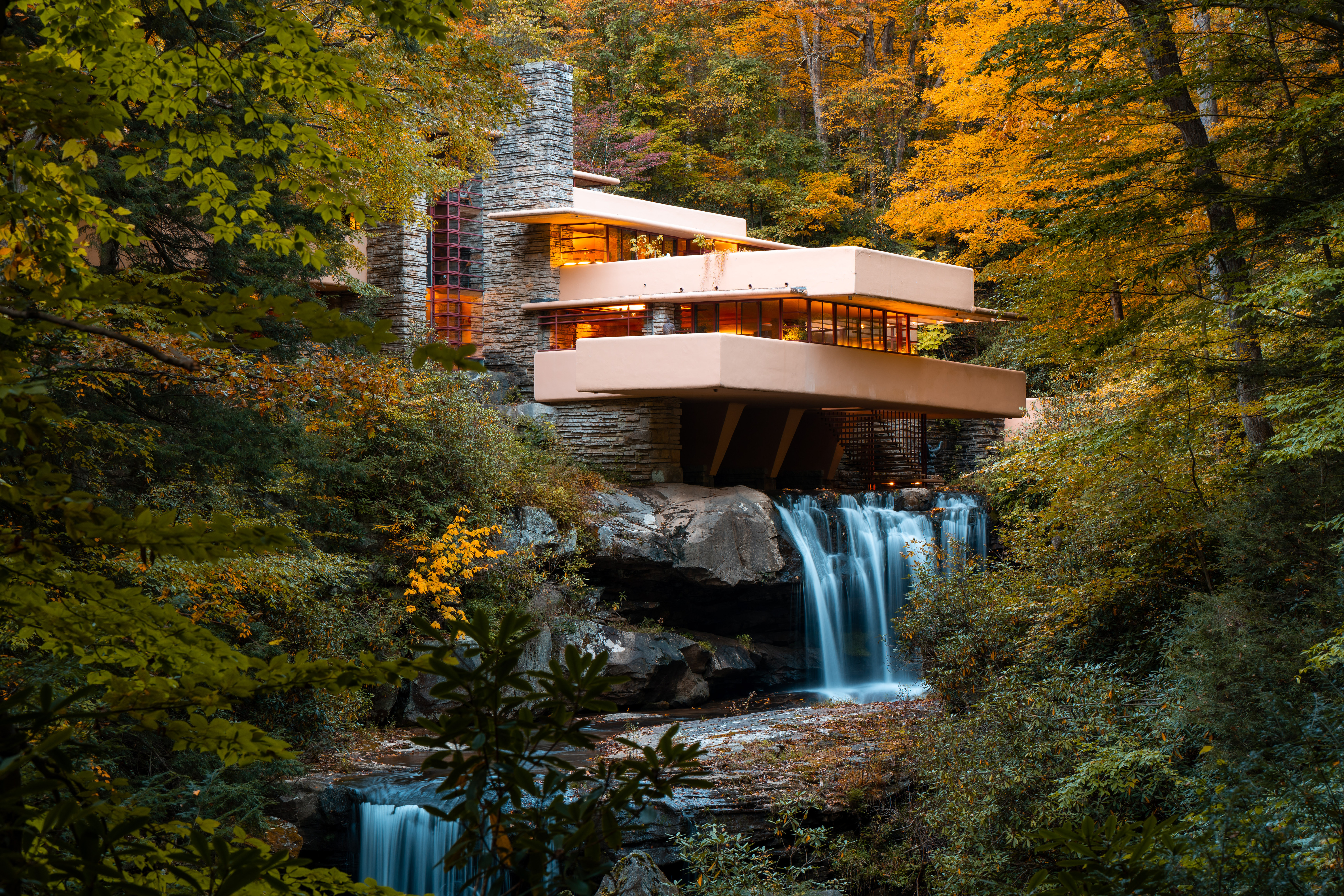
Image Credits - Laurel Highlands
5. The Lotus Temple, Delhi
Spiritual Design without Boundaries
Designed by Iranian architect Fariborz Sahba, the Lotus Temple is a Bahá’í House of Worship that welcomes people of all faiths. Its lotus-like structure is both a spiritual symbol and an architectural triumph.
Design Secrets
- Universal symbolism: The lotus, revered across religions, makes the temple accessible and meaningful to diverse communities.
- Geometric complexity: Made from 27 free-standing marble petals arranged in clusters, the design merges mathematical precision with sculptural grace.
- Natural light mastery: The central hall is illuminated through skylights, invoking serenity and minimalism without heavy ornamentation.
This landmark teaches us how geometry, symbolism, and light can evoke deep emotional and spiritual responses.
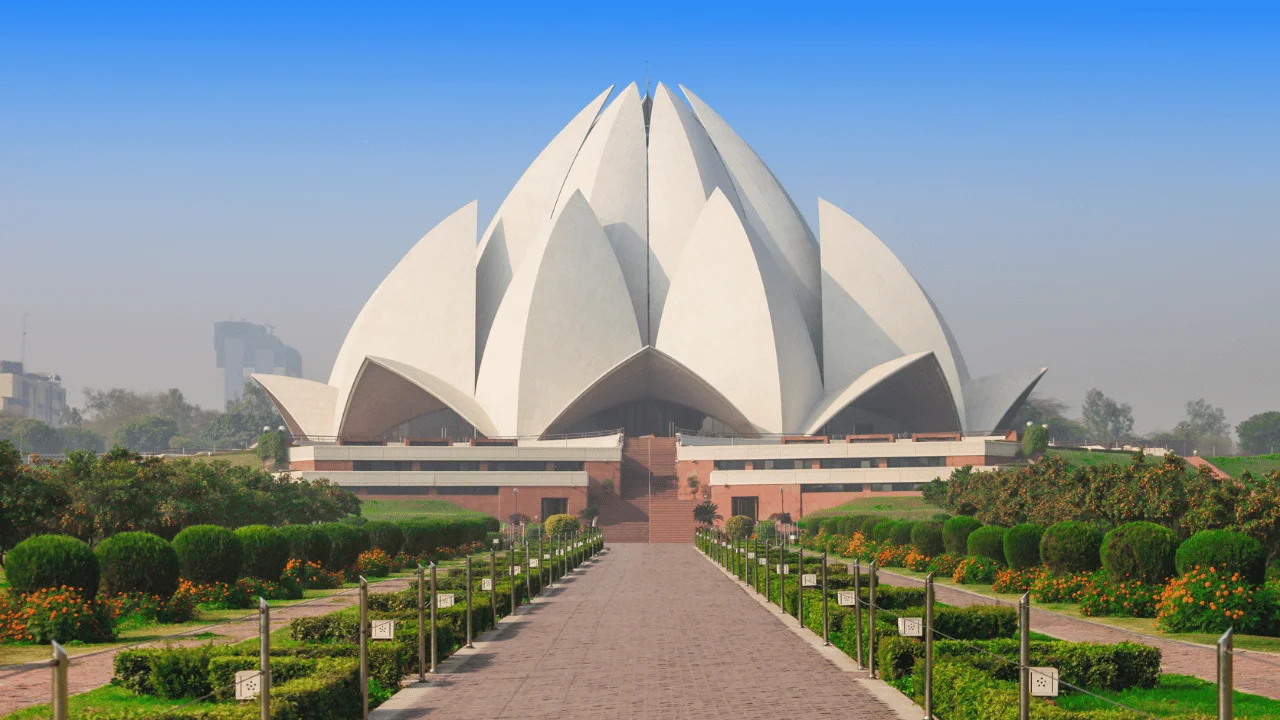
Image Credits - SceneLoc8
What Do These Icons Have in Common?
While these landmarks are distinct in style, scale, and setting, they share a few core principles:
- Contextual Relevance: They respond to their environments—culturally, geographically, or spiritually.
- Structural Innovation: They challenge and expand the boundaries of what is technically possible.
- User-Centric Approach: Whether it’s a spiral path or spiritual openness, each design considers the user’s experience deeply.
- Timelessness: Their design principles outlast trends, making them eternally relevant.
What you'll learn:
- Learn from industry experts and master practitioners.
- Engage in hands-on, project-based learning experiences.
- Connect with a vibrant community of creatives and professionals.
- Receive a certificate to boost your portfolio and credentials.
Lessons for Designers Today
Iconic architecture isn’t just about beauty—it’s about purpose, innovation, and human experience. As a designer, observing how these buildings were conceptualised, challenged, and celebrated can offer frameworks for approaching your own work.
Don’t just aim to replicate aesthetics—seek to understand why those choices were made and how they serve their users, surroundings, and stories.
Discover what iconic landmarks can teach you about meaningful design with Kaarwan.
Join our design learning journey today to uncover timeless principles, creative thinking, and masterful storytelling in architecture.
FAQs
1. Why are iconic landmarks important in architecture?
They serve as case studies of innovation, context, and user engagement—offering insights into lasting and meaningful design.
2. What makes the Eiffel Tower architecturally unique?
Its exposed iron structure and modular construction were groundbreaking for its time, setting a precedent for modern engineering-led aesthetics.
3. How does Fallingwater connect with nature?
It uses cantilevered forms, natural materials, and site-sensitive placement to blend harmoniously with its forest and waterfall surroundings.
4. What is the key takeaway from the Guggenheim Museum’s design?
It prioritises user experience through a spiral layout, challenging conventional museum formats and making movement a core element of design.
5. How does the Lotus Temple promote universal spirituality?
Its form—based on the lotus—resonates across religions, and its openness to all faiths makes it a symbol of unity and inclusivity.