“Our life is frittered away by detail. Simplify, simplify.” — Henry David Thoreau
In a world increasingly shaped by environmental and economic pressures, the appeal of simplicity is undeniable. Enter the tiny house: a revolution in living that redefines what it means to have a home. These compact dwellings challenge traditional housing norms, offering an affordable, sustainable, and creative way of life. Whether you're looking to downsize or live big in a tiny house, this movement provides a fresh perspective on modern living.
What Are Tiny Houses?
Definition and Scope
Tiny houses, typically ranging from 100 to 400 square feet, are marvels of efficient design. Despite their size, they feel remarkably spacious, thanks to clever layouts and multi-functional features. These homes come in two main types: mobile units, often mounted on wheels for flexibility, and stationary houses that serve as permanent small-scale residences.
A tiny home isn’t just about its physical size; it’s about maximizing every inch of living space. From urban neighborhoods to remote off-grid locations, these homes adapt to various lifestyles and environments, making them a versatile housing solution.
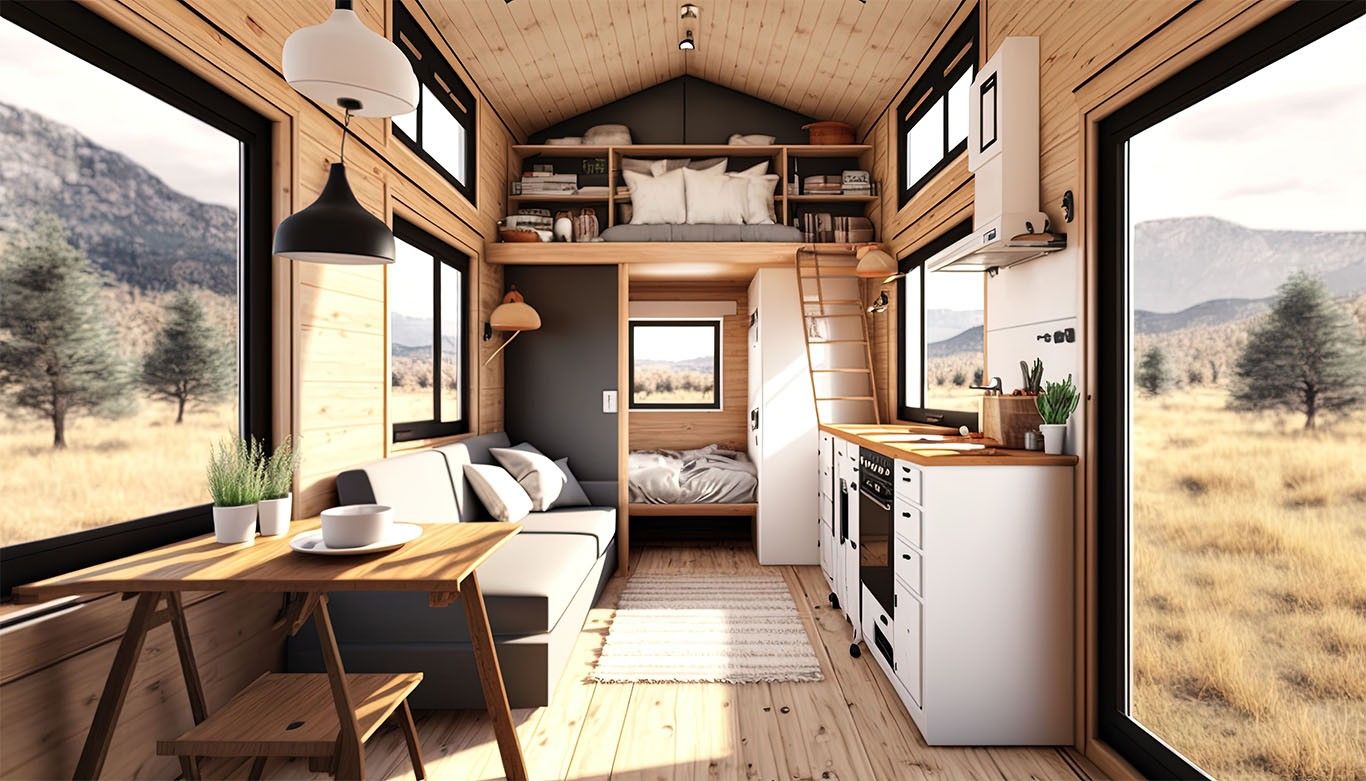
Tiny House, Image Source: Modern Home Builders Magazine
Creative Designs
Step inside a tiny house, and you’ll discover ingenuity in every detail. Loft beds create sleeping areas above, freeing up valuable floor space below. Stairs often double as storage units, and fold-away tables transform living areas into dining spaces or workstations. Tiny home interiors showcase how limited space can be both functional and beautiful, offering design ideas that inspire even larger homes.
The size of tiny homes encourages a focus on quality over quantity. High ceilings, large windows, and thoughtful layouts ensure a comfortable living environment, proving that limited space doesn’t have to feel restrictive.
Affordability: Less Space, More Freedom
Economic Advantages
Tiny houses are a financial game-changer. Traditional homes often come with hefty price tags and long-term mortgages, but the cost to build a tiny house typically falls under $50,000. This affordability extends to lower utility bills, reduced maintenance costs, and the ability to live mortgage-free—a dream for many aspiring homeowners.
For those seeking alternatives to traditional housing, tiny homes can also serve as guest houses, second homes, or even Airbnb rentals, providing additional income streams.
Living Big in a Tiny
Choosing a tiny home means focusing on what truly matters. By avoiding debt and reducing housing expenses, tiny house dwellers can invest their time and resources into experiences, education, or career growth. This freedom is at the heart of the tiny living philosophy.
Sustainability: A Smaller Footprint
Eco-Friendly Construction
The construction of tiny houses requires fewer resources, making them inherently eco-friendly. Many tiny homes are built using reclaimed wood, recycled materials, and sustainable practices, ensuring a reduced environmental impact. Compared to traditional homes, tiny houses often produce significantly less waste during construction.
Energy Efficiency
Tiny homes lead the way in sustainable living through innovative systems like solar panels, composting toilets, and rainwater collection. These features not only reduce dependency on external utilities but also promote self-sufficiency. Off-grid living becomes a reality for many tiny home residents, aligning with the movement's commitment to reducing environmental footprints.
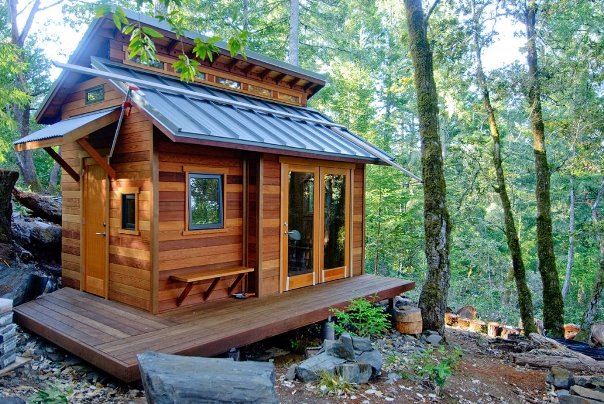
Eco-friendly Tiny House, Image Source: Green Clean Guide
Challenges of Tiny Living
Space Constraints
Tiny living requires intentionality, especially when it comes to belongings. Adjusting to a smaller space means learning to prioritize essentials and adopt a minimalist lifestyle. For families, creating balance in shared and private spaces can be particularly challenging.
Zoning and Legal Hurdles
One of the main barriers to the tiny house movement is navigating zoning laws and building codes. These regulations often dictate where and how tiny homes can be built, creating hurdles for prospective homeowners. However, growing advocacy efforts and shifts in urban development are paving the way for greater acceptance of tiny houses.
Practical Solutions
To overcome these challenges, homeowners can invest in multi-functional furniture, expand their living space with outdoor decks or patios, and join supportive tiny house communities. These strategies ensure that tiny living remains both practical and enjoyable.
Living Big in a Tiny House
The phrase "living big in a tiny house" reflects the heart of this lifestyle. By embracing intentional living, tiny house residents discover that less can truly be more. Despite their small size, these homes encourage creativity, resourcefulness, and a connection to the environment.
In 2024, the popularity of tiny houses continues to grow as individuals seek sustainable, affordable, and fulfilling living options. From DIY builders to architects designing innovative layouts, tiny houses are proving to be more than a trend—they’re a movement reshaping the housing landscape.
Conclusion
Tiny houses offer a unique blend of affordability, sustainability, and intentional living. They challenge the conventions of traditional housing, inviting us to rethink what it means to have a home. Whether as a primary residence, a second home, or a creative retreat, these small houses inspire big possibilities.
As you consider the future of your living space, ask yourself: could a tiny house be your next big step? In a world that often equates success with excess, tiny living reminds us that sometimes, less is more. Embrace the journey—you may find that your best life fits perfectly within the walls of a tiny home.
The future of architecture is bright, but are your skills keeping pace? Kaarwan's architecture-specific courses provide you with the knowledge and tools to confidently navigate the AEC industry. Gain valuable insights, master in-demand software, and stand out with designs that impress!
FAQs
1. What is the size of a tiny house?
Tiny houses typically range from 100 to 400 square feet, designed to maximize every inch of space effectively.
2. Are tiny houses affordable?
Yes, tiny houses often cost under $50,000, making them a cost-effective alternative to traditional homes with lower maintenance and utility costs.
3. Can I live off-grid in a tiny house?
Many tiny houses are equipped with solar panels, composting toilets, and rainwater systems, making off-grid living a viable option.
4. What are common challenges of tiny house living?
Space constraints and zoning laws are common challenges, but thoughtful design and supportive communities can address these effectively.
5. Is building a tiny house eco-friendly?
Yes, tiny house construction uses fewer resources and often incorporates sustainable materials like reclaimed wood, reducing environmental impact compared to traditional housing.