BIM Automation has become a transformative force in architecture and design, redefining how professionals approach complex projects. By integrating advanced technologies into workflows, architects and designers can save time, improve accuracy, and enhance creativity. Whether you're working on a high-rise building or a sustainable housing project, automation within BIM architecture ensures optimal efficiency and quality. This article will help you learn about the key benefits of BIM Automation and how it empowers professionals in the AEC industry.
What is BIM Automation?
Building Information Modeling (BIM) enables professionals to create digital representations of buildings, but automation takes it a step further. BIM Automation refers to using tools and algorithms to handle repetitive tasks, such as generating schedules, optimizing designs, or analyzing energy efficiency.
For example, instead of manually drafting multiple iterations of a floor plan, architects can use automated scripts to create optimized layouts instantly. This automation reduces human error, saves time, and allows designers to focus on more creative aspects of the project.
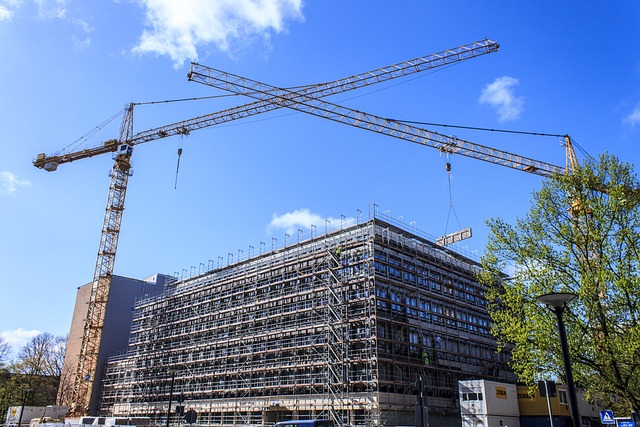
BIM automation for fast and efficient construction of projects.
Key Benefits of BIM Automation
1. Time Savings for Complex Tasks
One of the most significant advantages of BIM Automation is its ability to save time. Architects and designers often face tight deadlines, especially for large-scale projects. Automated tools streamline repetitive processes, such as:
- Generating accurate construction schedules.
- Calculating material quantities for cost estimation.
- Creating multiple design options within minutes.
For instance, firms implementing BIM architecture have reported a 30-50% reduction in design cycle times, according to industry research by Autodesk.
2. Enhanced Design Accuracy
Mistakes in architectural design can lead to costly revisions and project delays. BIM Automation minimizes human error by providing precise calculations and reliable data integration.
- Automated clash detection ensures that structural, mechanical, and electrical systems do not conflict.
- Tools can predict structural stability, identifying potential design flaws early.
3. Sustainability and Energy Efficiency
How can architects meet sustainability goals without increasing workloads? Automation makes it easier to design eco-friendly buildings by integrating energy simulation tools into BIM architecture workflows.
- Simulate solar radiation and daylight exposure for optimal energy use.
- Automate material selection based on environmental impact.
- Optimize HVAC systems for energy-efficient building operations.
According to McKinsey's report, automated BIM energy analysis reduces energy consumption by up to 25%, making it an essential tool for sustainable design.
4. Better Collaboration Across Teams
Large architectural projects often involve multiple teams, including structural engineers, MEP consultants, and contractors. BIM Automation enhances collaboration by automating data sharing and integration.
- Cloud-based platforms like BIM 360 enable real-time updates across all project stakeholders.
- Automated data synchronization ensures consistency in design revisions.
How BIM Automation Benefits Designers Specifically
1. Boosts Creativity and Innovation
By automating repetitive tasks, designers can focus on exploring creative solutions and experimenting with innovative design concepts. For instance:
- Complex design tools allow automated manipulation of shapes and patterns, leading to unique forms.
- Automation helps designers run quick simulations to test bold ideas without wasting time.
2. Simplifies Complex Geometries
Designing intricate structures, such as fluid facades or intricate interiors, can be labor-intensive. Automation simplifies the process by generating complex patterns through algorithms.
- Revit and Dynamo integrate seamlessly with BIM architecture for computational designs.
- Algorithms calculate and adjust geometries with precision, reducing manual effort.
3. Facilitates Professional Growth
Professionals skilled in automation tools often enjoy better career opportunities. Enrolling in a BIM certification course online ensures you stay competitive in the job market, as automation expertise is increasingly in demand.
- Online courses offer hands-on training in tools like Dynamo and Revit.
- Architects with BIM skills report a 20-30% increase in salaries, according to LinkedIn data.
Application of BIM Automation
Let’s consider the example of Singapore’s Changi Airport expansion. The project used BIM Automation for clash detection, scheduling, and sustainability analysis. This approach saved millions in costs and reduced the project timeline by nearly a year.
Another case study involves a residential project in Mumbai, where architects and designers automated design optimization, cutting material waste by 15% and achieving LEED Gold certification.
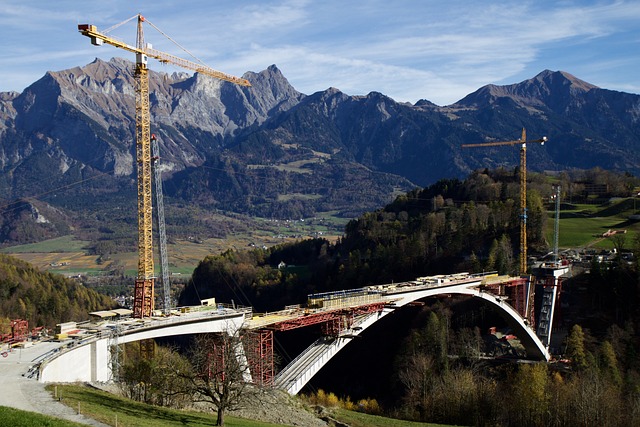
BIM automation for fast and efficient construction of projects.
Steps to Embrace BIM Automation
1. Invest in Training and Certification
Mastering automation requires specialized knowledge. Enroll in a BIM certification course online to learn how to leverage tools like Revit, Navisworks, and Dynamo effectively.
2. Choose the Right Tools
The market offers a variety of software for BIM architecture, including:
- Autodesk Revit for building design and documentation.
- Navisworks for clash detection.
- Dynamo for parametric design and automation scripting.
3. Start with Small Projects
Introduce automation in manageable phases. For example, begin by automating repetitive documentation tasks and gradually expand into design optimizations.
Challenges and How to Overcome Them
While BIM Automation offers numerous advantages, implementation challenges exist, such as high initial costs and resistance to change. However, the long-term benefits far outweigh these barriers.
- Start small to manage costs effectively.
- Offer training sessions for teams to ease the transition.
Conclusion
BIM Automation is revolutionizing the architecture and design industry, empowering professionals to work smarter, not harder. By embracing automation, architects and designers can achieve greater efficiency, reduce errors, and focus on creating innovative solutions. Whether you aim to design sustainable buildings or streamline large-scale projects, automation is a critical asset. To stay ahead, consider enrolling in a BIM certification course online, which equips you with the skills to leverage these cutting-edge tools effectively.
Take your designs to the next level! Learn BIM architecture tools with our expert-led Professional Revit & BIM Certification Course. Enroll now to stay competitive!
Visit the Kaarwan website for more insights!
FAQs
Q1. What is BIM Automation?
A1. BIM Automation refers to using algorithms and tools within Building Information Modeling (BIM) to automate repetitive tasks like generating schedules, optimizing designs, and conducting energy simulations.
Q2. How does BIM Automation benefit architects and designers?
A2. BIM Automation enhances efficiency by saving time, improving design accuracy, and enabling sustainable building designs. It allows professionals to focus on creative tasks and streamlines complex geometries.
Q3. How can BIM Automation support sustainable design?
A3. BIM Automation integrates energy simulation tools to optimize daylight, HVAC systems, and material selection, reducing energy consumption by up to 25% according to McKinsey.
Q4. What are some real-world examples of BIM Automation in use?
A4. Examples include Singapore's Changi Airport expansion, which saved millions by automating clash detection and scheduling, and a Mumbai residential project that reduced material waste by 15%.
Q5. How can architects and designers start using BIM Automation?
A5. Begin by investing in a BIM certification course online for training, select appropriate tools like Revit and Dynamo, and introduce automation gradually in small projects to manage costs effectively.