Rajasthan, known for its vibrant culture and rich history, is home to some of the most unique and beautiful traditional houses. The traditional houses of Rajasthan not only reflect the historical and cultural essence of the region but also provide insight into how architecture can adapt to a harsh desert climate while embracing local customs.
In this blog, we will explore the design principles that define Rajasthani architecture, the cultural significance of these homes, and how they continue to influence contemporary architectural practices. Whether you're an architecture student or a professional, understanding the essence of Rajasthan buildings will give you a deeper appreciation for this fascinating architectural style.
The Essence of Traditional Rajasthani Homes
Rajasthan's architecture is an exquisite blend of regional design principles and a rich cultural heritage. The design of houses here is influenced by the harsh environment, royal history, and the socio-economic conditions of the region. The traditional architecture of Rajasthan is deeply tied to the natural surroundings, where materials, techniques, and layout are specifically chosen to optimize comfort in a desert environment.
Key Design Principles in Traditional Rajasthani Homes
The design principles of Rajasthan homes are primarily focused on sustainable living, climate adaptation, and community connection. The architecture is smartly designed to keep the interiors cool during scorching summers and warm in the chilly winters.
Climate-Responsive Design
A core feature of Rajasthani architecture is its ability to respond to the extreme desert climate. Traditional homes are constructed using thick walls made of mud, clay, and stone, which act as natural insulators, maintaining a stable internal temperature regardless of the harsh outside weather. The use of jharokhas (overhanging windows) and deep verandas shields the houses from direct sunlight, ensuring a cool breeze circulates throughout the interiors.
- Thick walls: Stone and mud walls regulate temperatures.
- Jharokhas: Overhanging windows for better ventilation.
- Ventilation: Courtyards at the center for natural air circulation.
Intricate Ornamentation and Carving
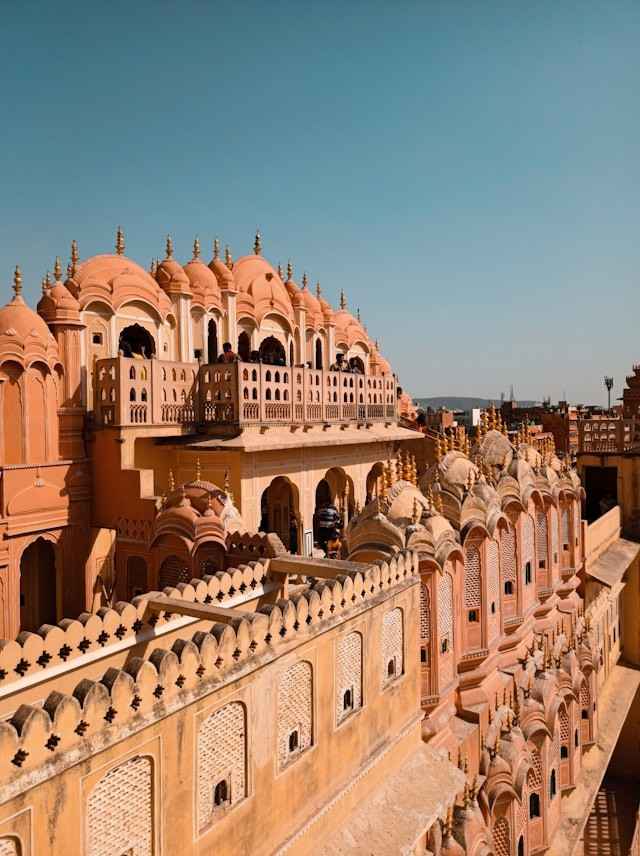
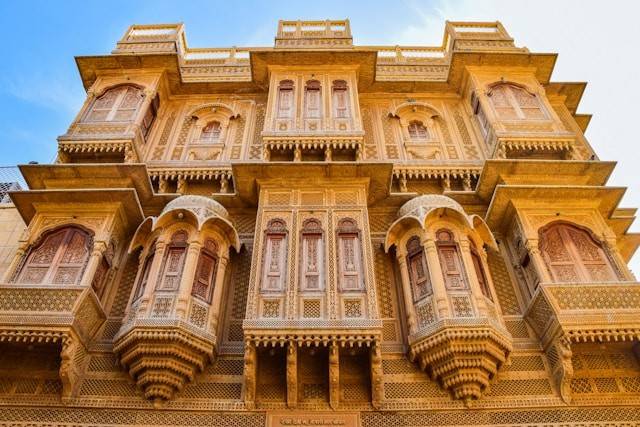
Rajasthani homes are known for their intricate ornamentation and decorative carvings. The facades of these houses are adorned with beautiful stone carvings, woodwork, and frescoes that narrate the stories of the region's rich history and culture. These designs are often influenced by Hindu, Islamic, and Jain traditions, creating a perfect fusion of diverse cultural influences.
- Latticework: Wood and stone lattices for privacy and ventilation.
- Frescoes and murals: Stories from mythology and history are painted on the walls.
- Exquisite arches: Intricate arches are common in doorways and windows.
Courtyards: The Heart of Rajasthani Homes
The courtyard, or angan, is central to traditional Rajasthani homes. It not only serves as an outdoor space for the family to gather but also ensures better airflow, cooling the home during the day. In many traditional homes, the courtyard serves as a space where social activities and daily chores like washing clothes, cooking, and eating take place.
Cultural Significance of Rajasthani Homes
The cultural significance of Rajasthani architecture cannot be overstated. These homes are an embodiment of the region’s diverse cultures, religious practices, and the lifestyle of the people. They are designed to bring the family together while preserving privacy and ensuring the protection of local traditions.
Social Hierarchy and Spatial Organization
In Rajasthan, the design of the home often reflects the social status and hierarchy of the family. The richer families often have larger, more ornate homes with multiple courtyards, while the poorer sections of society live in more modest homes. This spatial organization reflects the strong class distinctions that existed historically within Rajasthani society.
Symbolism of the Sacred and Sacred Spaces
Many Rajasthani homes are built with specific symbols and structures designed to enhance the spiritual well-being of the inhabitants. The Vastu Shastra principles, which are a key part of Indian architectural traditions, are integrated into the design. This ancient science of architecture emphasizes the importance of balance and harmony in a home. In Rajasthan, it is common to see temples or shrines dedicated to local deities within the home.
- Vastu Shastra: Ensuring harmony through careful design.
- Temple Shrines: Incorporating local deities and spiritual elements.
- Sacred spaces: Homes often feature areas dedicated to worship.
Integration of Local Crafts
Rajasthani homes are not just about functionality; they are also artistic masterpieces. Local artisans play an essential role in creating decorative elements such as tiles, pottery, and fabric that are often integrated into the home's design. The architecture of Rajasthan also emphasizes local crafts such as block printing, pottery, and weaving.
- Tilework: Hand-painted ceramic tiles are used in many homes.
- Block printing: Fabrics and textiles from Rajasthan are part of the home decor.
- Artisan collaboration: Local artisans collaborate with architects for creative solutions.
Modern-Day Influences of Traditional Rajasthani Architecture
While traditional Rajasthani homes are deeply rooted in history, their design principles continue to influence modern architecture, both in India and globally. Today, architects draw inspiration from these homes for their sustainability and aesthetic value.
Energy-Efficiency and Sustainability
The design principles of traditional Rajasthan buildings are now being used in eco-friendly construction. With growing concerns about energy conservation, architects and builders are using similar materials and layouts as those found in traditional homes. For example, the use of thermal insulation and natural cooling techniques has seen a resurgence in contemporary architectural designs.
- Passive cooling: Courtyards and jharokhas are used for airflow and temperature control.
- Natural materials: Stone and mud are widely used for building, reducing energy costs.
- Sustainable construction: Traditional techniques are integrated with modern sustainability principles.
Modern Adaptations
Some elements of traditional Rajasthani homes, like jharokhas and courtyards, are being adapted for contemporary living. Modern homes and buildings in Rajasthan, as well as other parts of India, incorporate traditional design elements with contemporary features such as larger windows, open-floor plans, and modern amenities.
- Architectural fusion: Combining traditional aesthetics with modern functionality.
- Blending of indoor and outdoor spaces: Courtyards as part of modern homes.
- Renovations and restorations: Preserving cultural heritage through modern adaptations.
Examples of Famous Traditional Rajasthani Homes
Rajasthan boasts several historic buildings that stand as exemplary models of traditional Rajasthan architecture.
- Hawa Mahal, Jaipur: Known for its intricate latticework and cooling design.
- Patwon Ki Haveli, Jaisalmer: A stunning example of stone carving and beautiful architecture.
- Umaid Bhawan Palace, Jodhpur: A blend of traditional and modern architecture, now a heritage hotel.
These buildings not only serve as architectural landmarks but also as symbols of the culture and history of Rajasthan.
Conclusion
The traditional houses of Rajasthan are a testament to the ingenuity of past generations. The design principles used in these homes are not just about function but also about blending beauty with purpose, ensuring comfort in a challenging environment, and honoring the cultural heritage of Rajasthan. As the world moves towards more sustainable and culturally aware architecture, the cultural significance of these houses and their architecture will continue to inspire future generations of architects.
The future of architecture is bright, but are your skills keeping pace? Kaarwan's architecture-specific courses provide you with the knowledge and tools to confidently navigate the AEC industry. Gain valuable insights, master in-demand software, and stand out with designs that impress!
FAQs
Q1: What are the key design principles of traditional houses in Rajasthan?
A1: The key design principles of traditional houses in Rajasthan include climate-responsive architecture, sustainable living, and community-oriented spaces. Thick stone, clay, and mud walls are used for insulation, while jharokhas (overhanging windows) and courtyards optimize airflow and temperature control.
Q2: How does the architecture of Rajasthan adapt to its harsh desert climate?
A2: Rajasthani architecture adapts to the desert climate through the use of thick, insulating walls made from materials like stone and mud. Additionally, the strategic placement of courtyards and jharokhas ensures natural ventilation, cooling the interiors during hot summers and providing warmth during cold winters.
Q3: What is the cultural significance of Rajasthani traditional homes?
A3: Traditional Rajasthani homes hold significant cultural value as they reflect the region's diverse cultural, religious, and social traditions. They are designed with specific elements like temple shrines and Vastu Shastra principles, promoting harmony and spiritual well-being within the family.
Q4: How are traditional Rajasthani homes influencing modern architectural practices?
A4: Traditional Rajasthani homes are inspiring modern architecture by promoting sustainability and energy efficiency. Elements such as passive cooling through courtyards and jharokhas, as well as the use of natural building materials like mud and stone, are being integrated into contemporary building designs to reduce energy costs and environmental impact.
Q5: Can you provide examples of famous traditional Rajasthani buildings?
A5: Famous traditional Rajasthani buildings include the Hawa Mahal in Jaipur, known for its intricate latticework and cooling design, Patwon Ki Haveli in Jaisalmer, which showcases stunning stone carvings. The Umaid Bhawan Palace in Jodhpur blends traditional and modern architectural elements. These structures symbolize Rajasthan's rich cultural heritage.