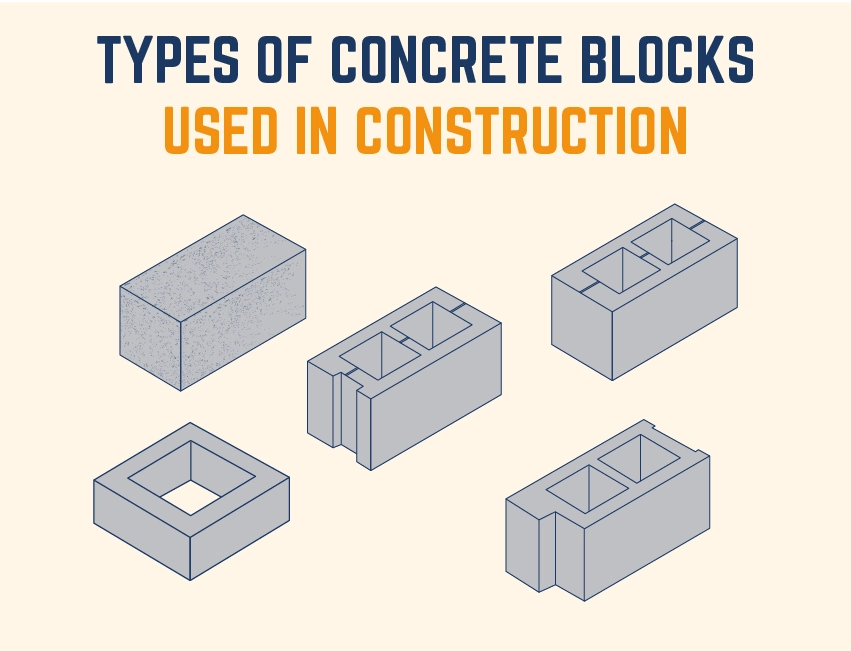
Types of Concrete Blocks and Their Uses
Understanding the essentials for better construction decisions
Concrete blocks are one of the most common building materials in modern construction. They are strong, affordable, and versatile—making them ideal for everything from structural walls to decorative facades. But not all blocks are created equal. Different types of concrete blocks serve different architectural and functional needs.
Below is a breakdown of the most widely used concrete blocks and where they fit best:
1. Solid Concrete Blocks
What they are: Dense, heavyweight blocks with minimal or no hollow spaceUsed for:
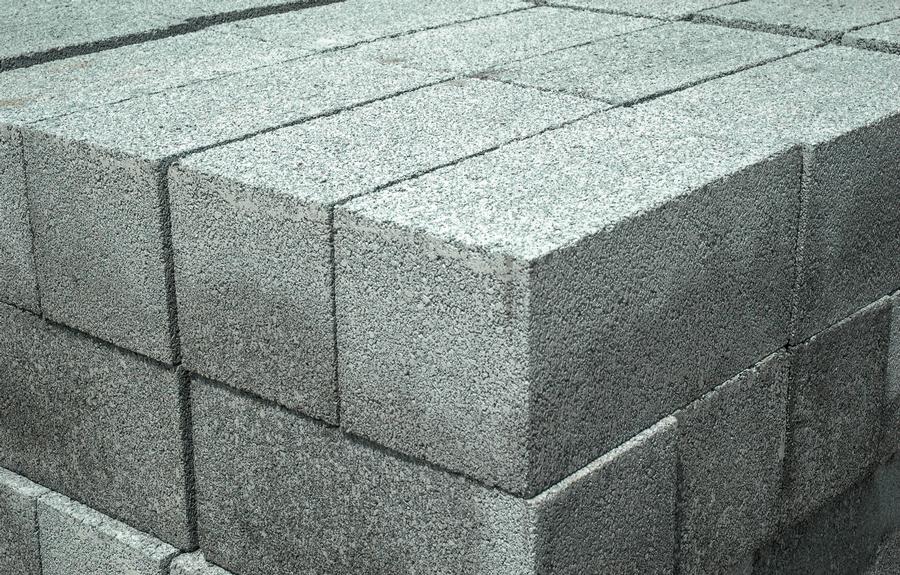
- Load-bearing walls
- Foundations and basements
- Retaining walls
- Heavy-duty applications in high-rise structures
Why choose them: High strength, durability, strong sound insulation.
2. Hollow Concrete Blocks
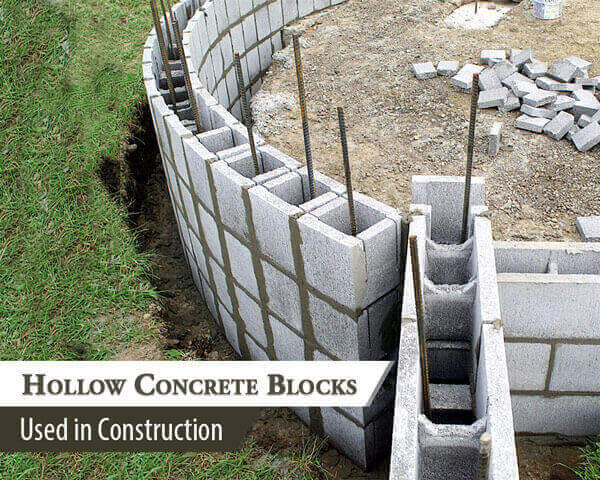
What they are: Concrete blocks with hollow cores to reduce weight and allow reinforcementUsed for:
- Exterior and partition walls
- Multi-storey structures with vertical reinforcement
- Areas requiring insulation
Why choose them: Lightweight, cost-effective, easy to handle, good thermal performance.
3. Paving Blocks
What they are: Solid concrete blocks in interlocking shapesUsed for:
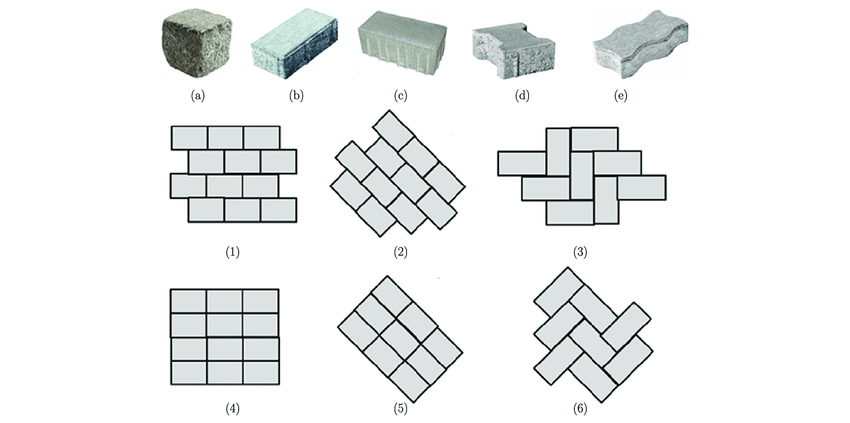
- Pavements, pathways
- Driveways, parking lots
- Public plazas and landscapes
Why choose them: Slip-resistant, aesthetically customizable, easy replacement of damaged units.
4. Lightweight Concrete Blocks
What they are: Blocks made using lightweight aggregates (like pumice, expanded clay)Used for:
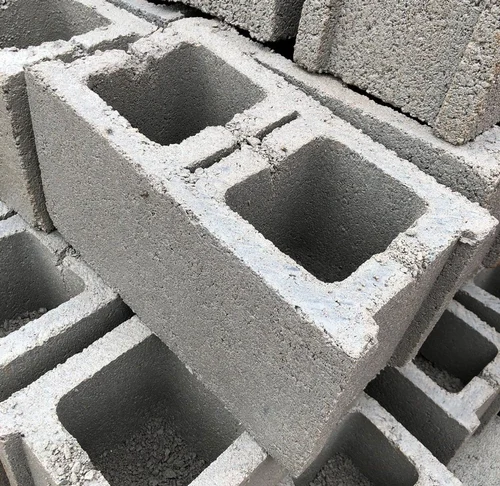
- High-rise building partitions
- Non-load bearing interior walls
Why choose them: Reduce dead load, provide good acoustic performance.
5. Concrete Lintel Blocks
What they are: U-shaped blocks used to form reinforced lintels over openingsUsed for:
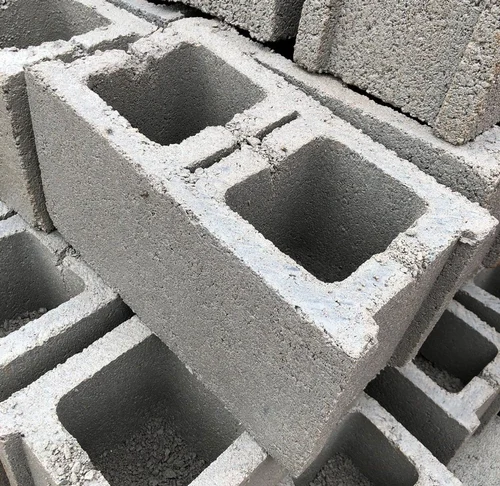
- Window and door openings
- Reinforced beam bands in masonry
Why choose them: Faster construction, avoids separate lintel casting.
How to Choose the Right Concrete Block?
Choose based on:
✔ Thermal and acoustic needs
✔ Budget and speed of construction
✔ Local availability
✔ Aesthetic preferences
✔ Structural vs non-structural requirement
Conclusion
Concrete blocks are the backbone of efficient and economical building design. From solid blocks for structural strength to AAC for thermal comfort and paving blocks for landscaping—each type offers unique benefits. Understanding these options helps architects, engineers, and homeowners make better project decisions.