

.jpeg)
Every architecture student faces the same challenge when it comes to thesis projects: how to bring complex ideas to life physically or digitally while balancing time, material, and energy. The solution lies in choosing the right model type — one that communicates your concept clearly, allows iterations, and respects resources.
From lightweight sketch models to parametric 3D prints, the world of thesis modelling is diverse, experimental, and increasingly sustainable. Here’s a guide to some of the most creative and efficient approaches students are adopting today.
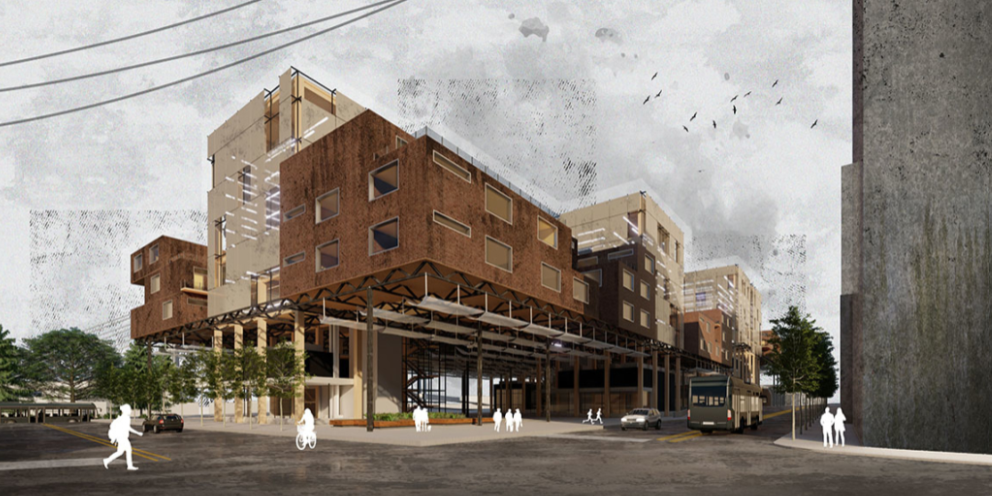
Image Source: Study Architecture
1. Virtual / Digital Models
The digital revolution has transformed thesis modeling. Tools like Revit, Rhino, SketchUp, and Twinmotion allow students to create detailed 3D models, explore parametric forms, and visualize designs in real time. Digital models are highly efficient — no material waste, rapid iterations, and easy sharing for feedback. They are particularly useful for complex geometries, site analysis, and sustainability studies.
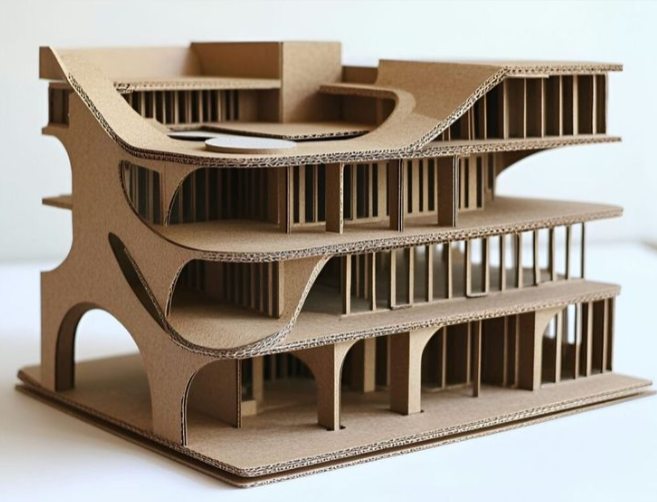
Image Source: Zhe Kholish, Facebook Archtiecture and Design
2. Cardboard or Chipboard Modular Models
Modular design allows students to experiment with massing and form without committing to heavy materials. Pre-cut or laser-cut modules can be reused, rearranged, and adapted for multiple iterations, saving both time and resources. These models are ideal for conceptual volumes, parametric massing, or interactive presentations.
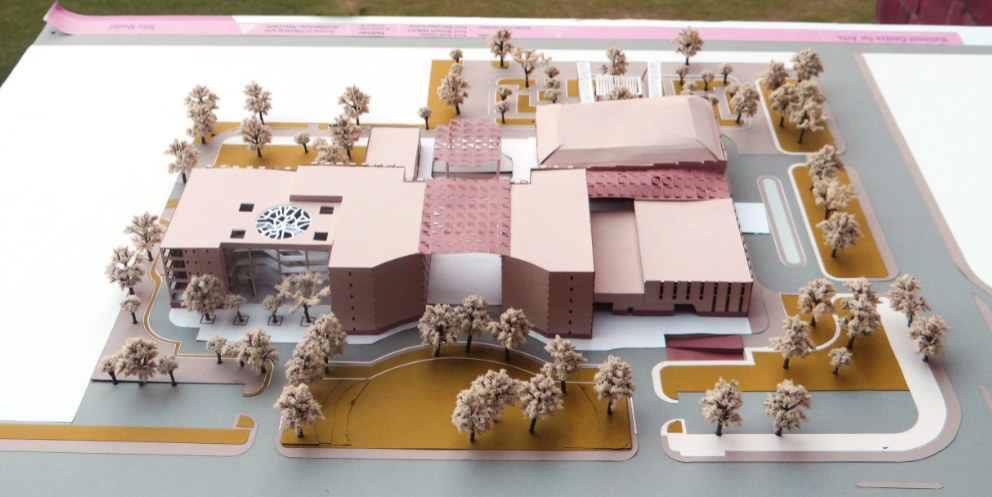
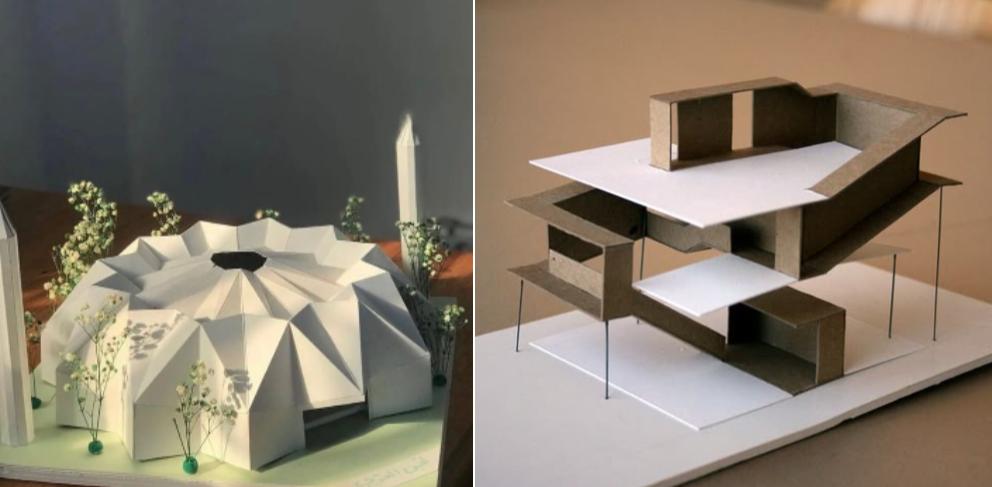
Image Source: Left: lujain IG, Right: Archdaily
3. Paper/Origami Models
Paper is versatile, lightweight, and extremely resource-efficient. Folding, cutting, and layering paper allows exploration of structure, form, and spatial relationships. Origami-inspired models are especially suited for geometric or complex conceptual studies where the focus is on volume and interaction rather than detailing.
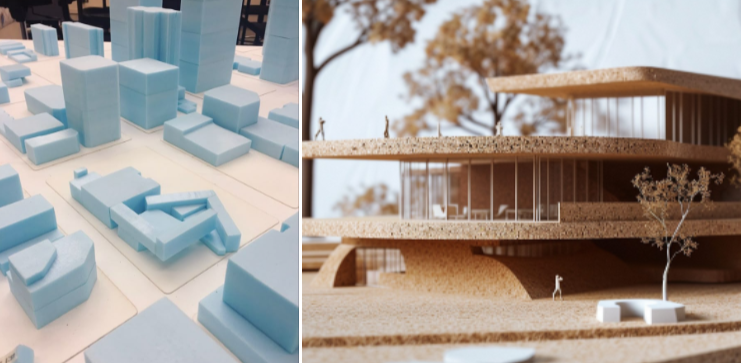
Image Source: Left: Zhang ,Right AFL Architects
4. Foam Board and Cork Models
For topography, volumetric studies, and lightweight massing, foam board and cork are excellent choices. They are easy to cut, assemble, and modify, making them perfect for students who want quick, iterative models without high material cost.
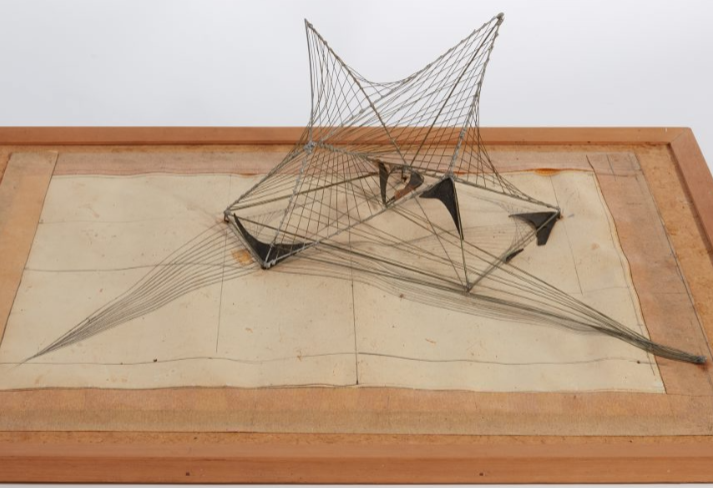
Image Source: NSW Government
5. Wireframe and String Models
Wire and string models explore skeleton structures, circulation, and spatial flow. Using minimal material, students can convey complex frameworks and structural logics in a transparent, elegant way. These models are often paired with light foam or base plates to situate them within a site context.
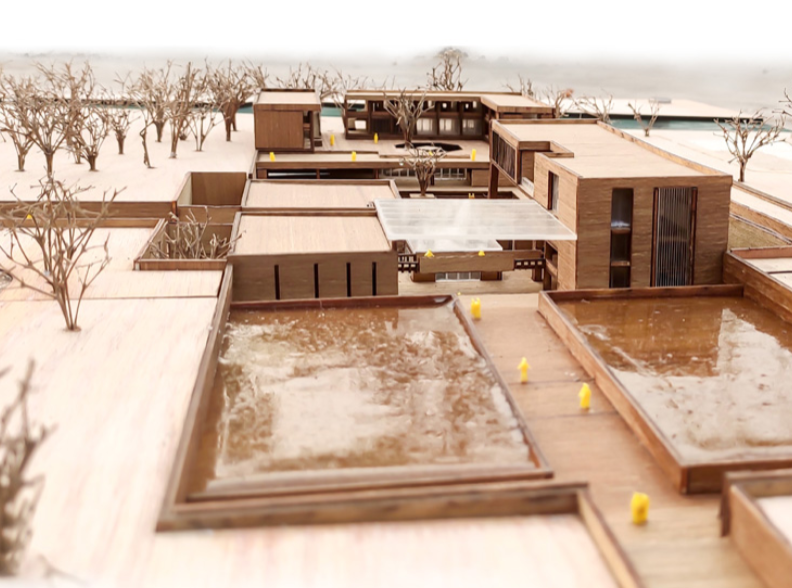
Image Source: Context BD
6. 3D Printed Models
For highly intricate forms and parametric designs, 3D printing is increasingly common. PLA or eco-filaments allow students to create precise, detailed models that are otherwise impossible to fabricate by hand. While more time- and energy-intensive, 3D printing is perfect for final presentations and complex geometry exploration.
Students can trace walls, floors, roofs etc. and give them for raster cutting, where the wooden ply are cut into accurate scaled peices of model. Which can then be glued together to create the model. Hence numbering, marking cut peices is equally important since it is nothing less than a puzzle peice joining.
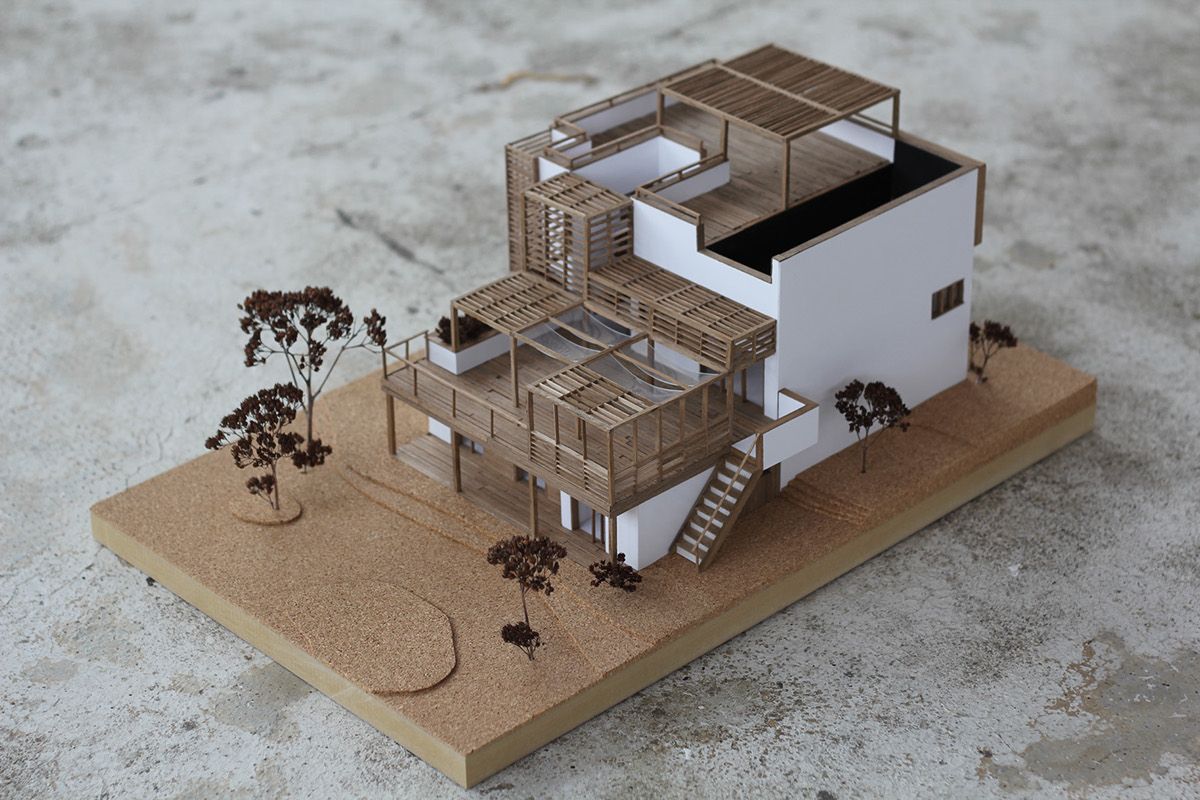
Image Source: Behance, Thibaut Model, Sledovat
7. Mixed Media Models
Mixing cardboard, paper, foam, and found materials encourages experimentation. These models are quick to assemble and emphasise tactile exploration and concept testing. Ideal for iterative design, idea development, and conceptual presentations.
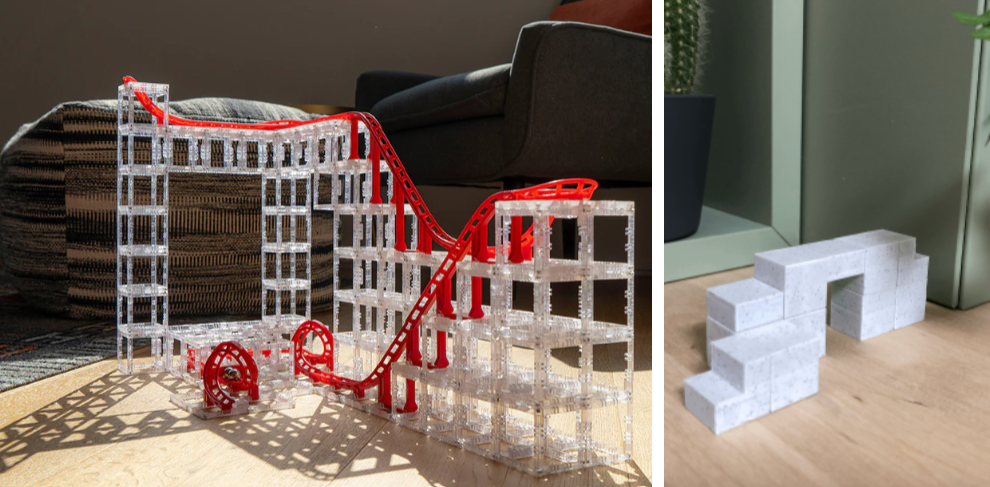
Image Source: Left: designnest.us, Right: Printables.com
8. Magnetic / Modular Block Models
Small magnetised components allow students to experiment with layouts, circulation, and modular design. They are reusable, flexible, and interactive, letting users test multiple configurations quickly.
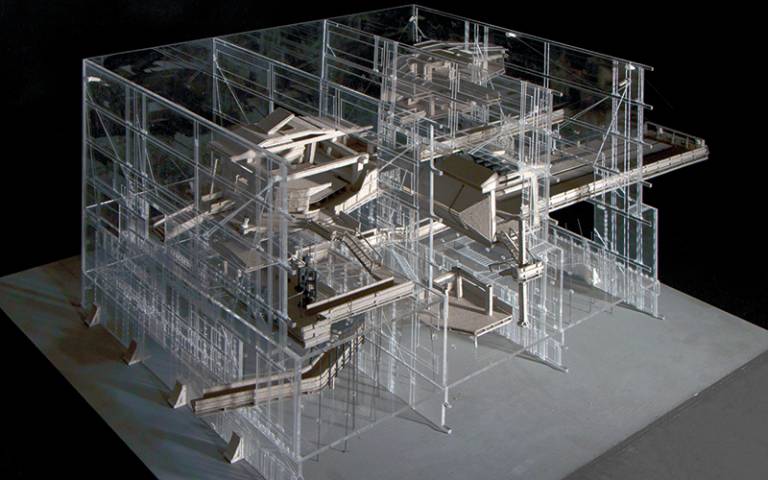
Image Source: illustrarch
9. Transparent Acrylic / PET Sheet Models
Acrylic sheets allow students to study layering, circulation, and spatial relationships. While slightly more labour-intensive, they are ideal for multi-layered designs, solar studies, or light-filled conceptual explorations.
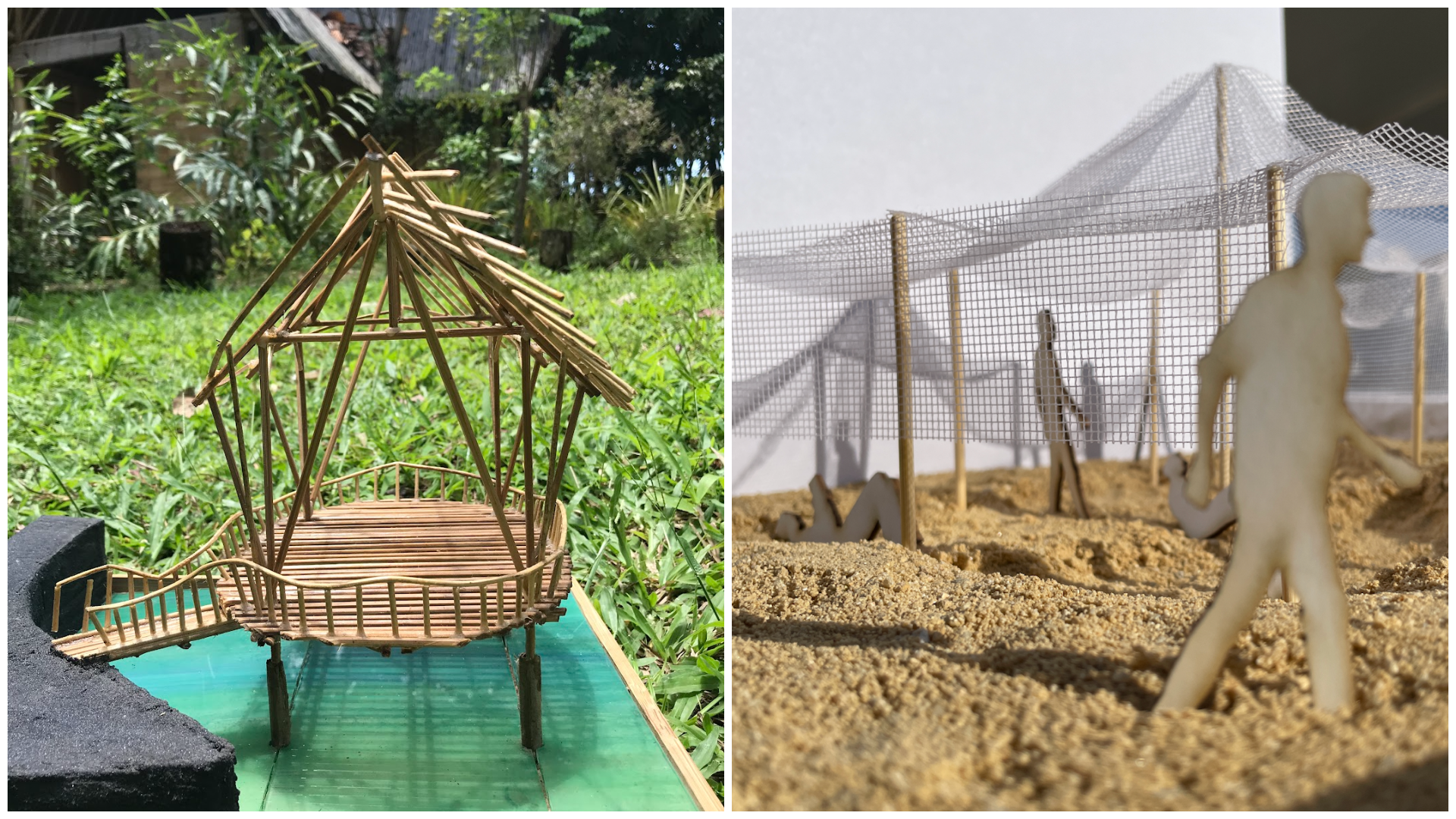
Image Source: Bamboo U
10. Natural or Found Material Models
Using bamboo sticks, leaves, clay, or stones, students can connect their thesis to contextual and sustainable approaches. These models are particularly effective for landscape, vernacular, or ecological projects, emphasizing material consciousness and environmental sensitivity.
Choosing the Right Model
When selecting a thesis model type, students should consider:
- Time Efficiency: How quickly can the model be built and iterated?
- Material Efficiency: Are the materials lightweight, reusable, or eco-friendly?
- Energy & Effort Efficiency: How much effort is required to achieve a clear representation?
Digital models lead in efficiency and flexibility, while modular, paper, and foam models balance practicality with tactile exploration. 3D printing and acrylic offer polish, and natural materials offer ecological storytelling.
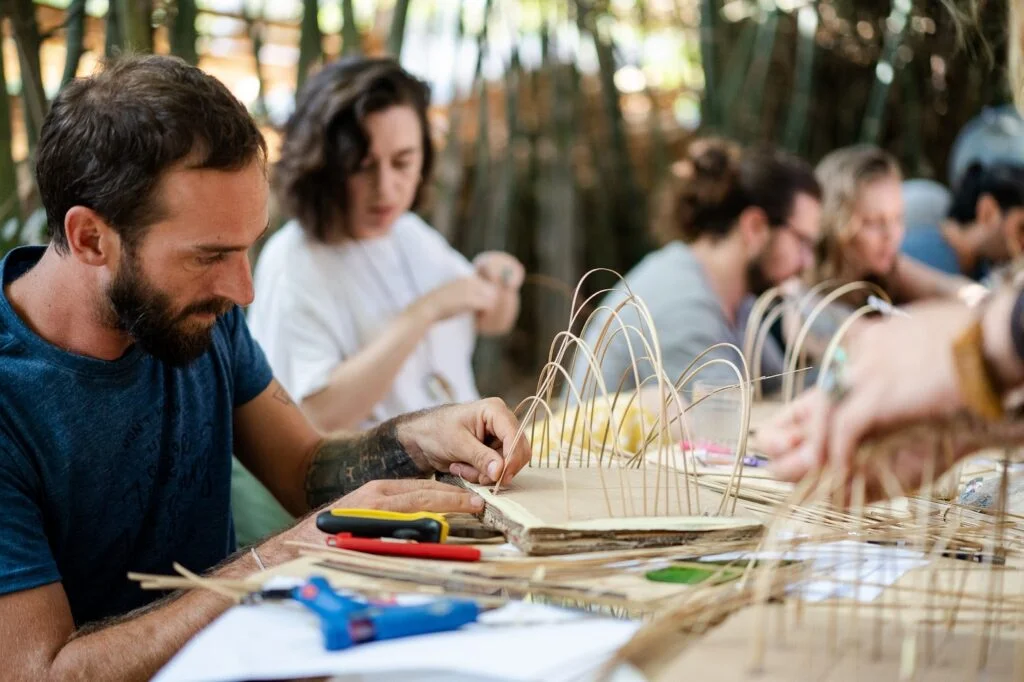
Image Source: Bamboo U
A thesis model is not just a miniature building; it’s a thinking tool, a design experiment, and a communication device. Choosing the right model type can transform hours of work into insightful design exploration.
Thesis Model Types: Time, Material & Energy Efficiency Guide
| Model Type | Time Efficiency | Material Efficiency | Energy / Effort Efficiency | Ideal Use |
| Virtual / Digital Models | ★★★★★ | ★★★★★ | ★★★★★ | Concept testing, parametric studies, fast iterations |
| Cardboard/Chipboard Modular | ★★★★☆ | ★★★★☆ | ★★★★☆ | Massing studies, modular or parametric forms |
| Paper Folding / Origami | ★★★★☆ | ★★★★★ | ★★★★☆ | Conceptual forms, structural or spatial exploration |
| Foam Board / Cork Models | ★★★★☆ | ★★★★☆ | ★★★★☆ | Topography, volumetric studies, light physical models |
| Wireframe / String Models | ★★★☆☆ | ★★★★☆ | ★★★☆☆ | Structural, landscape, or skeletal forms |
| Magnetic / Modular Blocks | ★★★☆☆ | ★★★☆☆ | ★★★★☆ | Interior layouts, reconfigurable studies |
| 3D Printed Models (PLA / Eco-filament) | ★★☆☆☆ | ★★★☆☆ | ★★☆☆☆ | Complex parametric forms, intricate geometries |
| Transparent Acrylic / PET Sheets | ★★☆☆☆ | ★★★☆☆ | ★★☆☆☆ | Layered designs, circulation, visualisation of relationships |
| Mixed Media Sketch Models | ★★★☆☆ | ★★★☆☆ | ★★★☆☆ | Experimental, tactile exploration, small iterations |
| Natural / Found Material Models | ★★☆☆☆ | ★★★★★ | ★★☆☆☆ | Sustainability-focused, landscape, vernacular studies |
Quick Takeaways for Students
- Virtual / digital models are the most time and material-efficient, especially for iterative parametric designs.
- Cardboard, foam, and paper models are great for fast, physical exploration without consuming too much material.
- 3D printing and acrylic models look polished but require more time and energy, better suited for final presentations.
Natural materials and mixed media encourage creativity and context-based thinking, but may take more effort.
FAQs
1. Why is choosing the right thesis model important?
Because it determines how effectively your concept is communicated while managing time, materials, and effort.
2. What’s the most efficient model type for thesis projects?
Digital or virtual models offer maximum flexibility, easy edits, and zero material waste.
3. Which physical model is best for conceptual exploration?
Paper and cardboard models allow quick, low-cost iteration and experimentation.
4. Are 3D-printed models worth the time and energy?
Yes—for complex geometries and final presentations where precision matters.
5. What model type suits sustainable or landscape theses best?
Natural or found material models reflect ecological and contextual design thinking.
6. How can students save time during model-making?
Work modularly—build parts separately and iterate using lightweight or digital media.
7. Which materials balance cost and creativity best?
Foam board, cork, and mixed media allow affordable, tactile, and expressive modeling.
8. Can digital and physical models be combined?
Absolutely—hybrid workflows enhance visualization, testing, and presentation quality.
9. What’s the best approach for students with limited resources?
Use paper, cardboard, or digital tools for efficient, low-cost model-making.
10. How can a thesis model strengthen a design narrative?
By acting as a design experiment, it visualises process, concept, and intent in tangible form.




.png)